The Girl with the Wheelbarrow
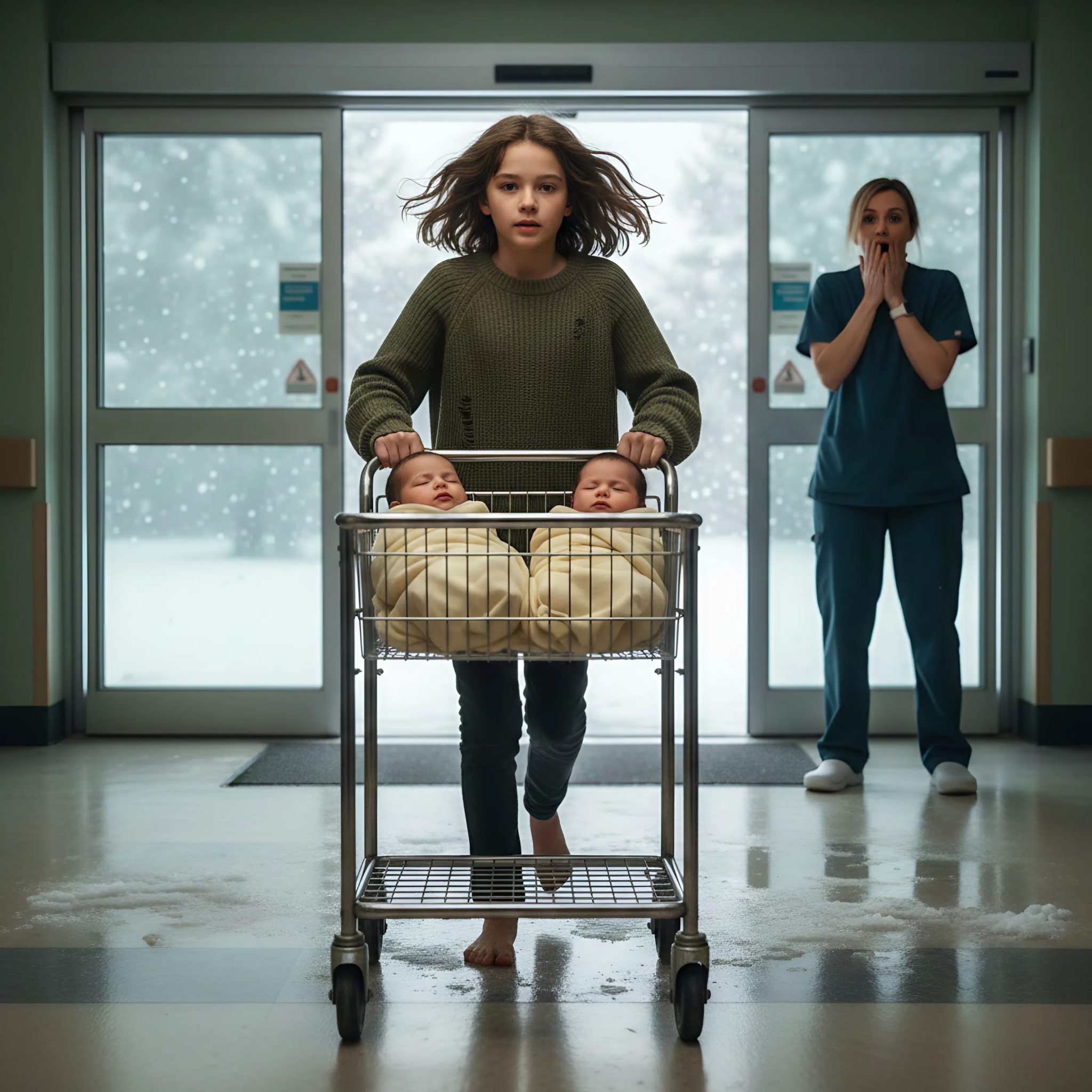
It was close to noon when the girl reached Northbridge General Hospital.
Heat rippled across the pavement, the air pressing down like a damp, heavy blanket.
Her name was Alina Cresswell, though she didn’t say it at first.
She pushed a battered wheelbarrow, its single wheel squealing with every uneven step.
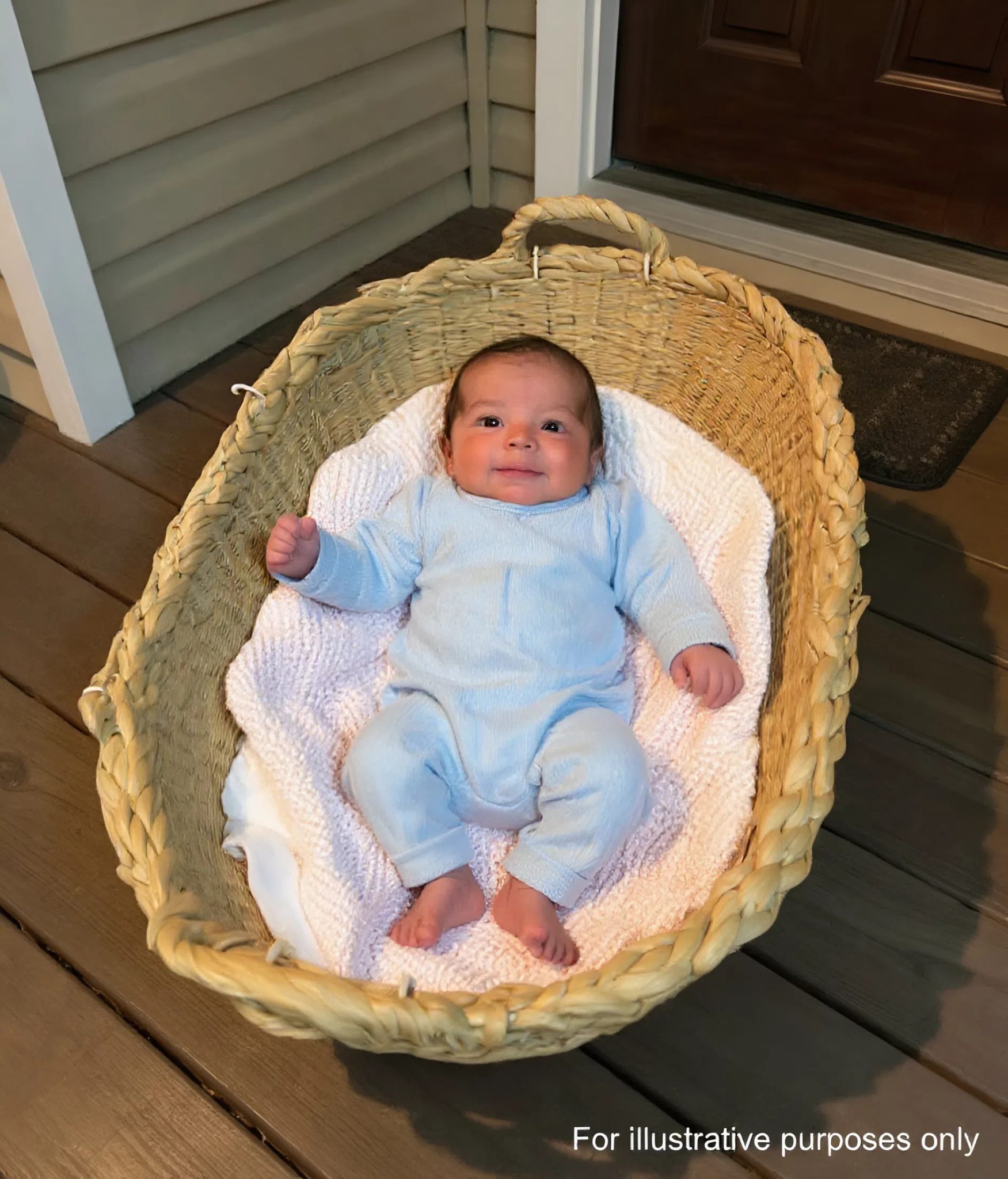
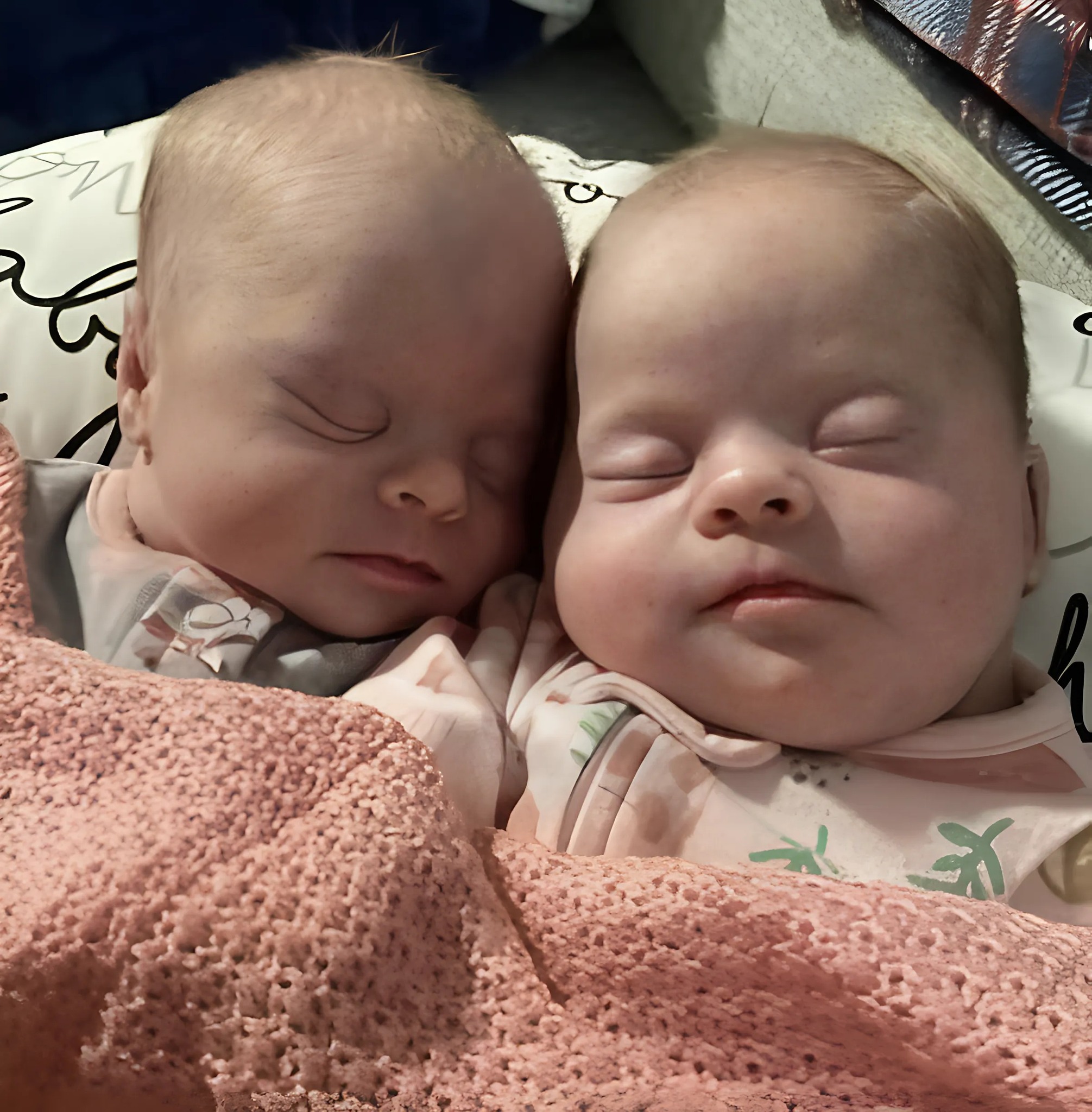
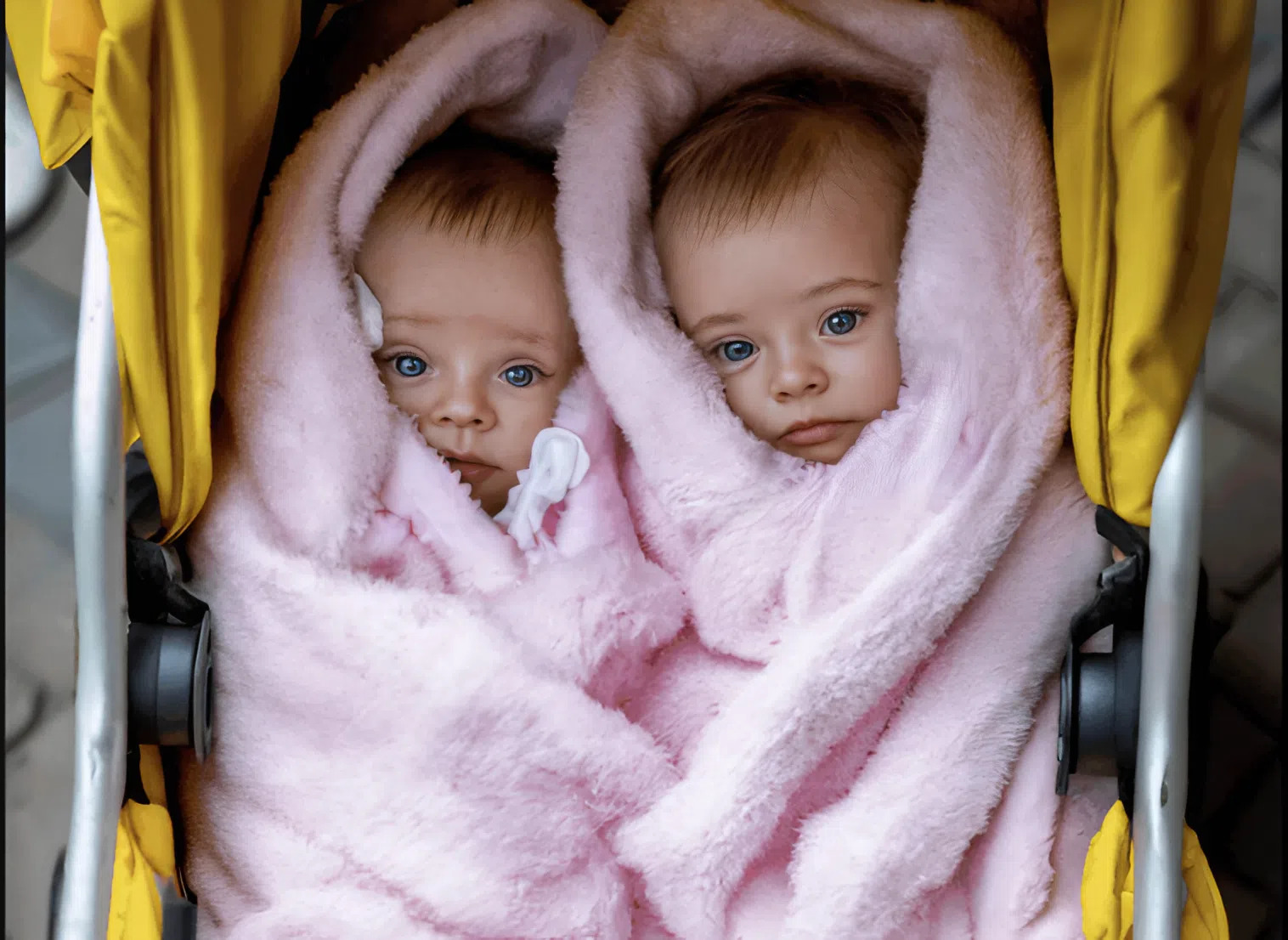
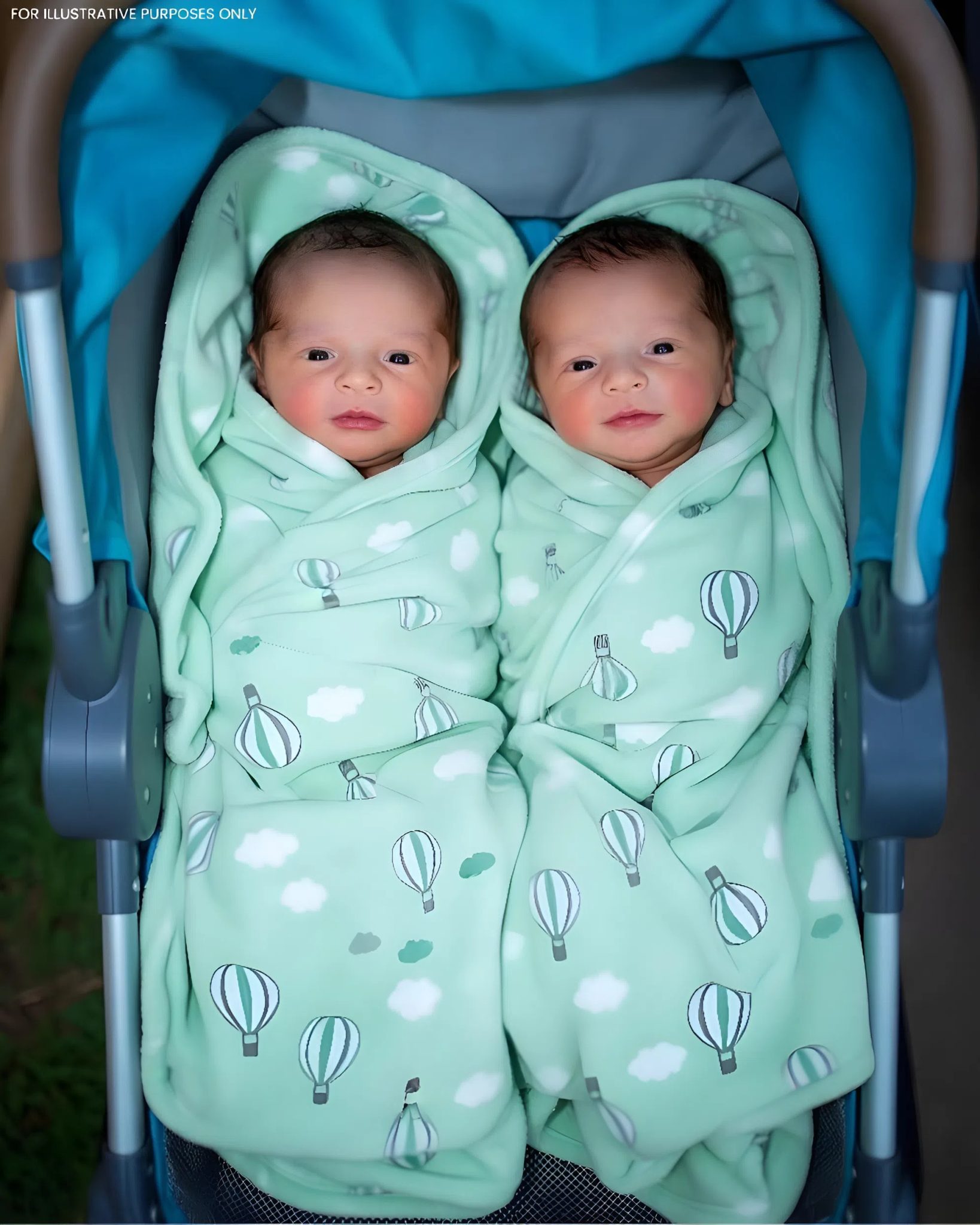
Inside were two infants, wrapped in scraps of fabric that had once been colorful, now stiff and dulled by residue and dirt.
The babies barely moved.
Their breaths were shallow.
Their lips were pale, almost colorless.
Alina herself looked as though she had crossed a storm—hair knotted, feet torn and blistered, small hands streaked with grime. She didn’t cry. She didn’t beg. She simply reached out and tugged at the sleeve of the first uniformed adult she saw.
The Nurse Who Listened
Nurse Gertrude Malik had witnessed countless emergencies, but nothing like this: a child barely seven years old, pushing a wheelbarrow carrying two nearly lifeless babies.
For a split second, her breath caught. Then training took over.
She called for assistance, lifted the infants, and guided Alina through the emergency entrance.
The girl gripped her hand with surprising strength and didn’t let go until the twins vanished behind the swinging doors.
Gertrude crouched down to meet her eyes.
Alina stared at the closed doors as if willing them to keep her siblings alive.
Her silence was louder than any scream.
The Fight to Save Them
Inside, Dr. Harlan Kapoor, the pediatrician on duty, moved quickly.
The babies were critically dehydrated, their body temperatures dangerously low.
Warming units.
IV lines.
Monitors flashing in rapid patterns.
After long minutes that stretched into something unbearable, Dr. Kapoor stepped out.
“They’re alive,” he said quietly to Gertrude. “Both of them. She brought them just in time.”
Alina released a breath so faint it barely made a sound—relief slipping instantly into exhaustion.
Her knees buckled, and she collapsed into Gertrude’s arms.
The Blue House Beyond the Broken Bridge
When Alina woke, she was lying on a cot, wrapped in a clean blanket.
Her feet were bandaged. The sharp scent of antiseptic filled the air.
Gertrude sat beside her, offering water.
“We need to know where you came from,” she said gently. “So we can help your family.”
Alina hesitated.
“I live in a blue house,” she whispered. “On the hill… past a broken bridge.”
It wasn’t much to go on, but Ridgeford Vale was small.
By dusk, two patrol cars and an ambulance followed a dirt road through the valley.
It led to a collapsing shack—warped boards, a roof sagging sideways, a piece of cloth hanging where a door should have been.
They smelled it before they entered: a thick, sweet staleness of illness and neglect.
Inside, on a stained mattress, lay a woman.
Her eyes were half-open. Her breathing barely there.
Beside her were two empty bottles and a blood-marked blanket.
A paramedic leaned close. “She’s alive,” he said quietly. “Just barely.”
As the team prepared the stretcher, Officer Mateo Morales noticed a small notebook on a cracked table.

The writing inside was shaky—apologies, pleas for forgiveness, messages of love to a daughter named Alina, instructions to take the babies to the hospital if things worsened.
Morales closed it slowly, his throat tightening.
“That child pushed a wheelbarrow for miles,” he said softly. “Barefoot. In this heat.”
The other officer nodded.
There was nothing else to say.
The Mother Who Wouldn’t Let Go
Back at Northbridge General, the woman—Delfina Cresswell—balanced between life and death.
Severe blood loss. Infection.
Doctors worked through the night. By dawn, she stirred. By midmorning, she opened her eyes.
Her first words were a whisper.
“My children…?”
“All three are safe,” a nurse assured her.
Tears slipped down Delfina’s cheeks. “And Alina?”
“She hasn’t left the waiting room,” the nurse said. “She fell asleep in a chair.”
When mother and daughter were reunited, Delfina’s hands shook.
“I’m so sorry,” she whispered. “You were too young to carry all of this.”
Alina climbed carefully onto the bed and rested her head against her mother’s shoulder.
For the first time since the journey began, she cried—for the hunger, the fear, and the long road behind her.
Delfina held her, whispering words as soft as prayers.
A Community Stirred Awake
The story spread quickly through Ridgeford Vale.
A seven-year-old girl had walked miles through blistering heat to save her newborn brothers.
Neighbors arrived with clothes and food.
Volunteers helped organize housing.
Social workers arranged long-term care.
For the first time in years, Delfina felt the crushing weight of survival begin to ease.
“I only endured,” she told visitors. “My daughter saved us.”
Weeks passed into months.
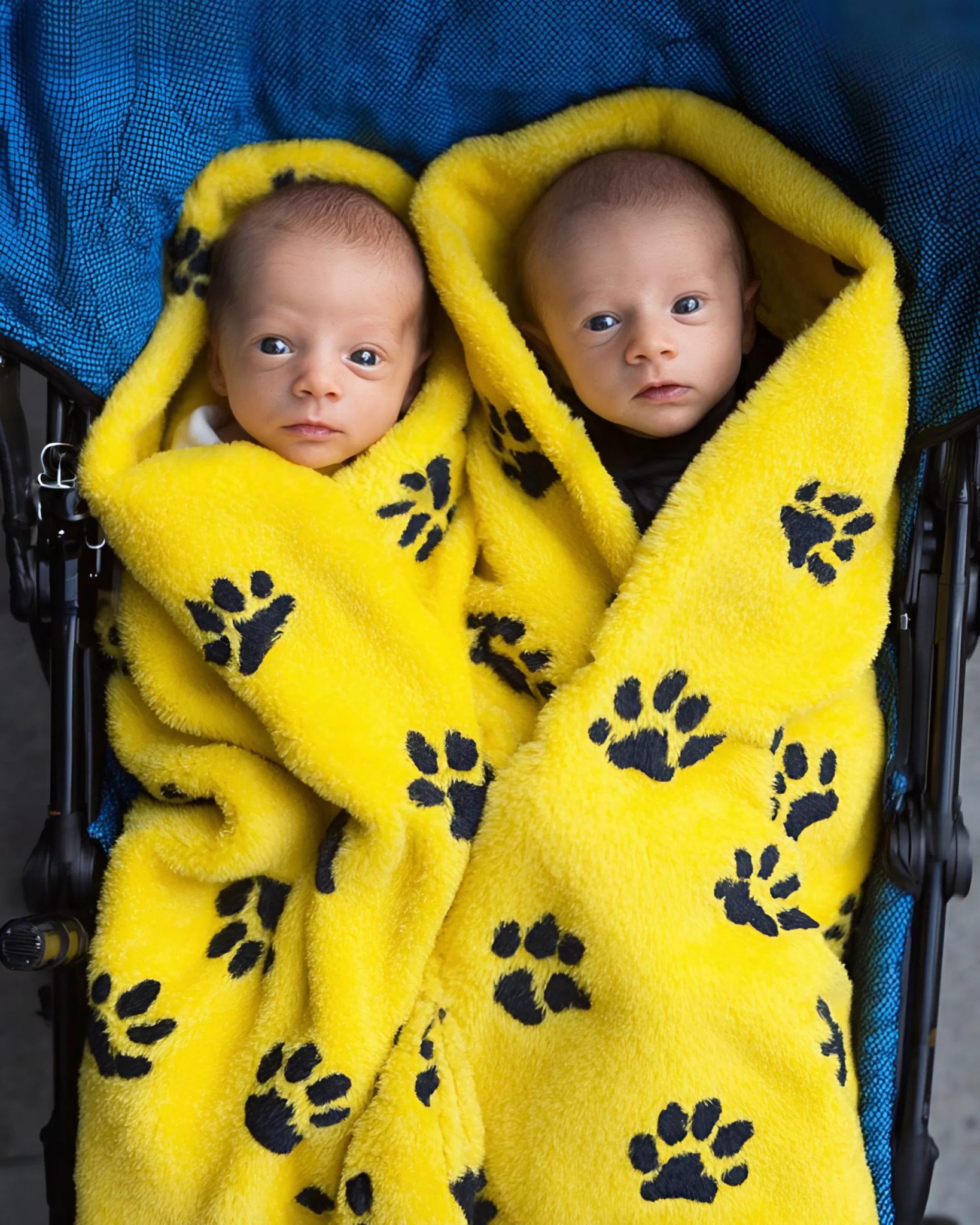
The twins regained their strength and color.
Alina’s feet healed.
Their small rented home filled with light and laughter.
Five Years Later
At twelve, Alina stood in the community center while her brothers played outside.
A journalist interviewed her for a piece on courage.
“What were you thinking during that walk?” he asked.
She paused.
“I was scared,” she said simply. “But I knew if I stopped, my brothers might not wake up. I trusted the hospital. So I just kept walking.”
Her words lingered—plain, steady, unforgettable.
The Wheelbarrow
Years later, the old wheelbarrow was placed in the Ridgeford Vale Museum.
Rust freckled its surface; the wheel still squeaked faintly.
It wasn’t displayed as a relic of suffering, but as a symbol of resolve—a reminder that courage can arrive barefoot, carrying love heavier than fear.
Visitors often stood silently before it. Some shook their heads. Others wiped their eyes.
When Alina visited, she traced the rim of the wheelbarrow, remembering the burn of the sun and the ache in her hands.
Then she smiled—not from pride, but from understanding.

She had learned that even the smallest heart can carry immense strength.
Saving a life doesn’t require power or perfection.
It requires persistence.
It requires love.
It requires refusing to stop—even when everything hurts.
And that is exactly what Alina did.