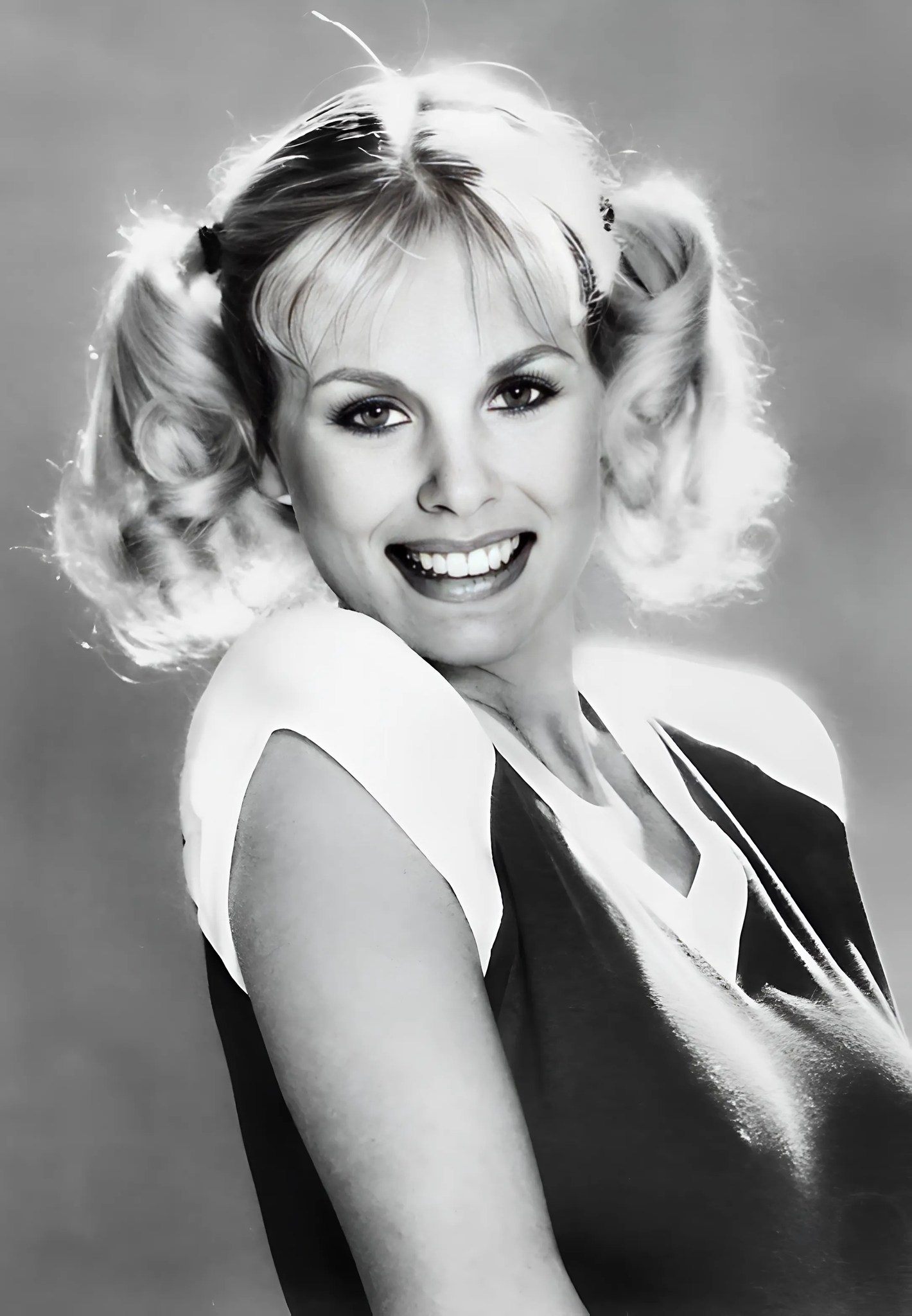
Dorothy Ruth Hugstraatten, later known as Dorothy Stratten, was born on 28 February 1960 in Vancouver, Canada. She grew up in a financially struggling family in Coquitlam, where she stood out as a kind and intelligent student. Despite the difficulties, she excelled in school and graduated with honours, hoping for a future beyond poverty. Dorothy dreamed of a better life, aspiring to move to the big city and pursue a successful career. She had an older brother, John Arthur, and a younger sister, Louise. Although her early years were modest, they fuelled her desire for success.
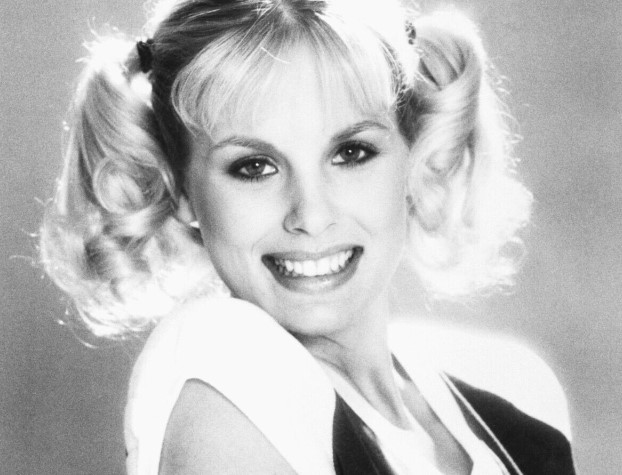
In her senior year of high school, Dorothy worked at a Dairy Queen restaurant, where she caught the attention of Paul Snyder, a 26-year-old nightclub promoter with a questionable reputation. Seeing her beauty and potential, Snyder convinced Dorothy to try her hand at modelling, hiring a photographer to take provocative pictures of her. Without her mother’s permission, he forged the necessary documents to send her photos to Playboy. Shortly thereafter, he arranged for Dorothy to move to Los Angeles, where her life changed dramatically.
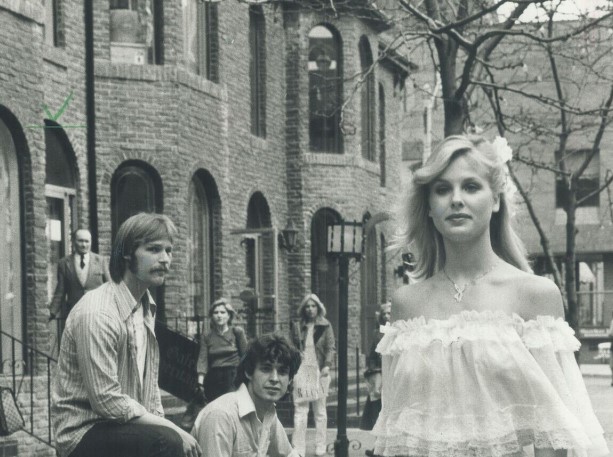
By August 1978, she had made a name for herself as a model, and a year later she became Playboy magazine’s Playmate of the Month. In 1980, she reached new heights when she was named Playmate of the Year, which opened up opportunities for her acting career. Encouraged by Playboy founder Hugh Hefner, she began appearing in television shows and films, including Buck Rogers in the 25th Century and Skittles, USA, quickly gaining recognition.
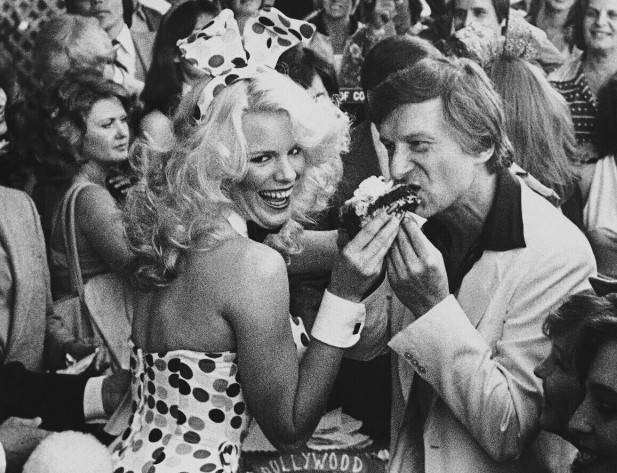
Despite her growing fame, Dorothy’s personal life became increasingly turbulent. In 1979, she married Paul Snyder, but their relationship proved toxic. While Dorothy’s career was flourishing, Snyder became jealous and resentful, feeling overshadowed by her success. He sought validation through outrageous behaviour and flirting with other women, while Dorothy remained patient despite the concerns of her friends and colleagues. As her career progressed, she met director Peter Bogdanovich on the set of the film They All Laughed, which became a turning point in both her professional and personal life. Bogdanovich treated her with kindness and respect, something she had been deprived of in her marriage for a long time. Realising that she needed to escape Snyder’s control, Dorothy decided to file for divorce in June 1980. However, Snyder did not want to let her go, and his growing possessiveness soon became dangerous.
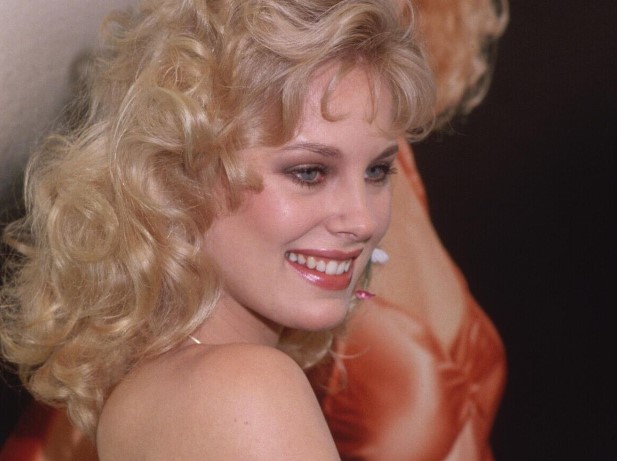
On 14 August 1980, Snyder lured Dorothy to his home under the pretext of signing divorce papers. Despite warnings from lawyers, she went, hoping for an amicable settlement. Instead, the meeting ended in tragedy. Snyder brutally murdered Dorothy and then killed himself. According to some reports, he attacked her before the murder; according to others, he acted in a fit of rage. Their bodies were later found in the bedroom, and the scene shocked everyone who knew them. Hugh Hefner described Snyder as a man who had lost control of his life and was unable to accept Dorothy’s independence. Her sudden death had a profound effect on many, especially Bogdanovich, who saw her as more than just a rising star — he believed in her genuine kindness and potential.