He didn’t answer, just held my hand all the way home, his fingers tight.
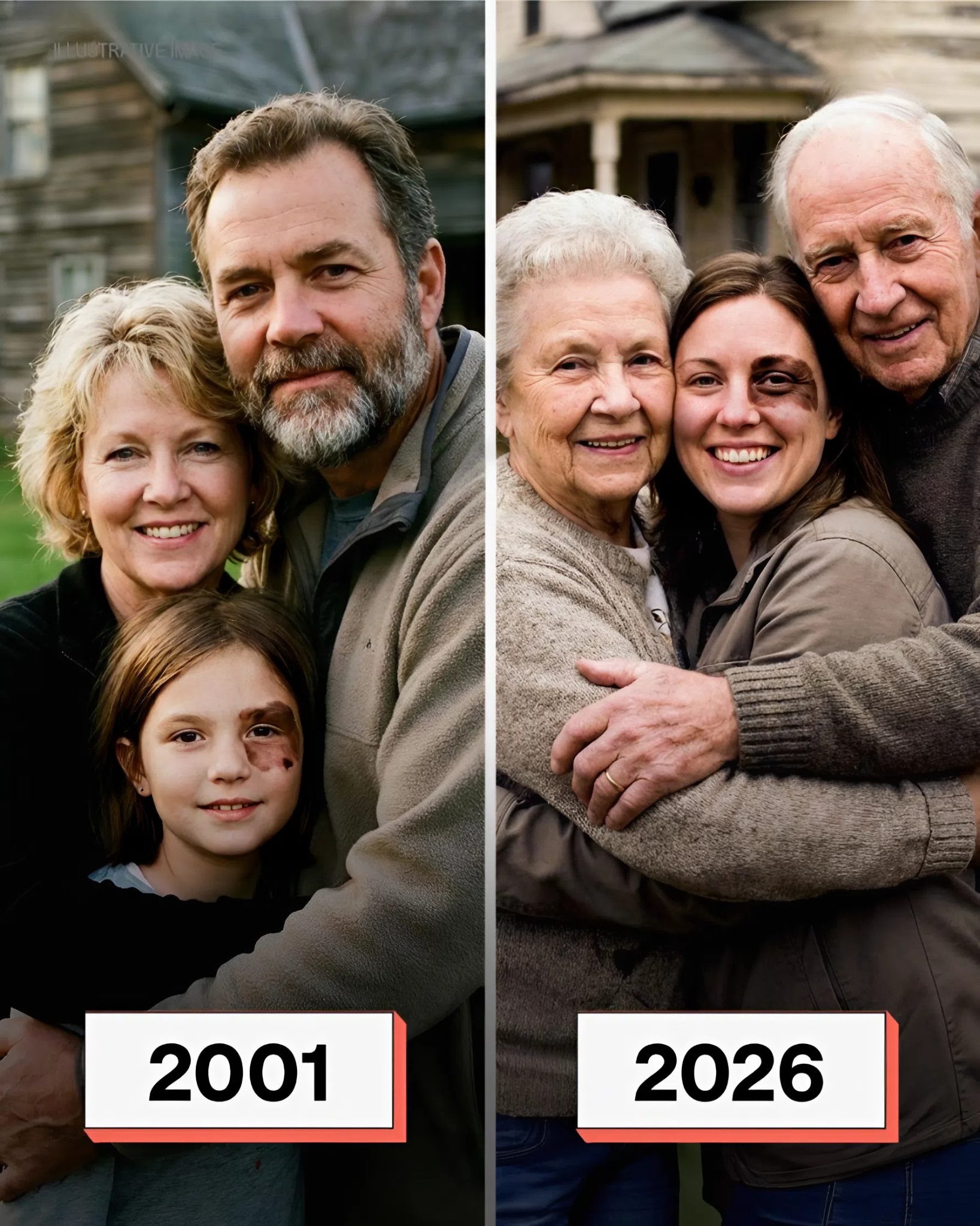
We never made a secret of the fact that we had adopted him. We said it from the beginning, we didn’t whisper it.
“You grew in another woman’s womb,” I told her once, “and in our hearts.”
When she turned 13, she asked, “Do you know anything about my other mother?”
“All we know is that she was very young,” I replied. “She left no name or letter. That’s all they told us.”
“So she just left you?”
“We don’t know why it happened,” I said. “We only know where we found you.”
After a short silence, she asked, “Do you think she ever thinks about me?”
“I think so,” I said. “You don’t forget a child you carried.”
Lily nodded and moved on, but I could see how tense her shoulders were, as if she had swallowed something sharp.
As she grew older, she learned to respond without shrinking back. “Birthmark,” she said. “No, it doesn’t hurt. Yes, I’m fine. Are you okay?” The older she got, the more confident she became.
At 16, she declared she wanted to be a doctor.
Thomas raised his eyebrows. “That’s a long way off.”
“I know,” she said.
“Why that?” I asked.
“Because I love science,” he replied, “and I want kids who feel different to see someone like them and know they’re not flawed.”
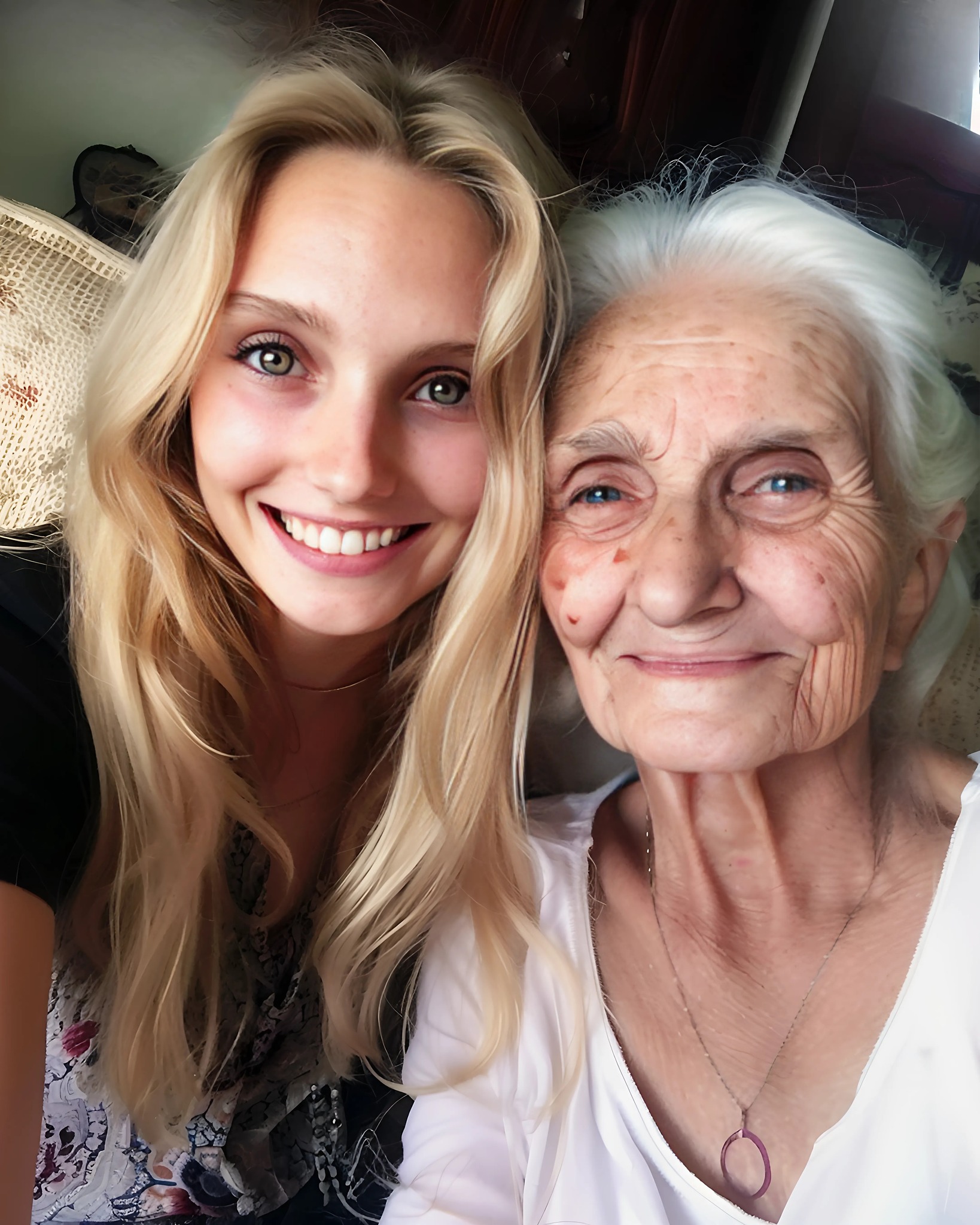
She studied hard, got into college, then medical school. It was difficult, sometimes brutal, but she didn’t give up.
By the time he graduated, we were slowing down. More medicine on the kitchen counter, more afternoon naps, more doctor’s appointments. Lily called every day, came every week, and scolded me about salt as if I were her patient. We thought we knew her whole story.
Then the letter arrived.
It was a simple white envelope. There was no stamp, no return address. Just “Margaret” in beautiful, neat handwriting. Someone had dropped it into our mailbox by hand.
There were three pages inside.
“Dear Margaret,” it began. “I am Emily, Lily’s biological mother.”
Emily wrote that she was 17 when she became pregnant. Her parents were strict, religious, and wanted to control everything. When Lily was born, they saw the birthmark and called it a punishment.
“They wouldn’t let me take her home,” she wrote. “They said no one would want a baby who looked like that.”
She also wrote that the hospital forced her to sign the adoption papers. She was a minor, had no money, no job, and nowhere to go.
“I signed,” she wrote. “But that didn’t stop me from loving her.”
She then confessed that when Lily was 3 years old, she went to the children’s home once and looked through a window. She didn’t have the courage to go in, her shame was too great. She went back later, and by then Lily had been adopted by an older couple. The staff said we seemed nice. Emily went home and cried for days.
The last page read: “I am sick now. Cancer. I don’t know how much time I have. I am not writing to take Lily back. I just want you to know that I had to. If you think it’s right, please tell her.”
I couldn’t move for a minute. It was as if the kitchen had tilted beneath me.
Thomas read it and then said, “We’ll tell her. It’s her story.”
We called Lily. She came over right after work, still in her hospital clothes, her hair tied back, her face tense, as if she were expecting bad news.
I pushed the letter toward her. “Whatever you feel, whatever you decide, we’re on your side,” I said.
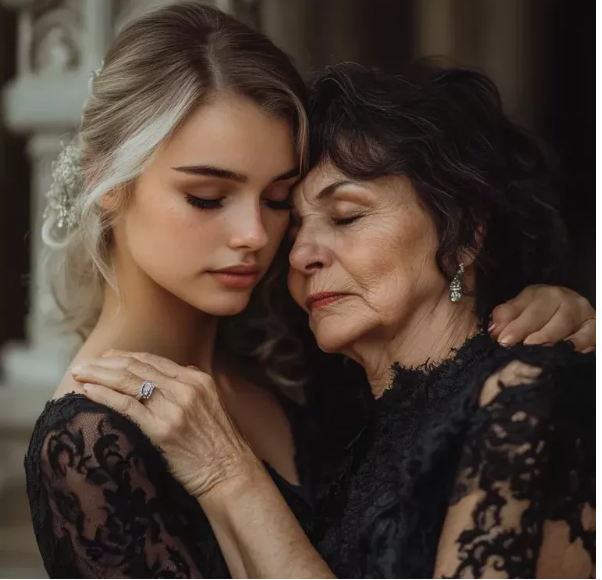
She read it silently, her jaw clenched. She held it for a long time, then a tear fell onto the paper. When she reached the end, she sat motionless.
“It was seventeen,” she said finally.
“Yes,” I replied.
“And her parents did this.”
“Yes.”
“For so long, I thought she abandoned me because of my face,” Lily said. “But it’s not that simple.”
“No,” I said. “It rarely is.”
Then she looked up. “You and Thomas are my parents. That won’t change.”
The relief hit me so hard that I felt dizzy. “We’re not losing you?”
She snorted. “I’m not trading you in for a stranger, even if he is sick. You’re stuck with me.”
Thomas put his hand on her chest. “What love.”

Lily’s voice softened. “I think I want to meet him,” she said. “Not because he deserves it. Because I need to.”
We replied to Emily. A week later, we met in a small café.
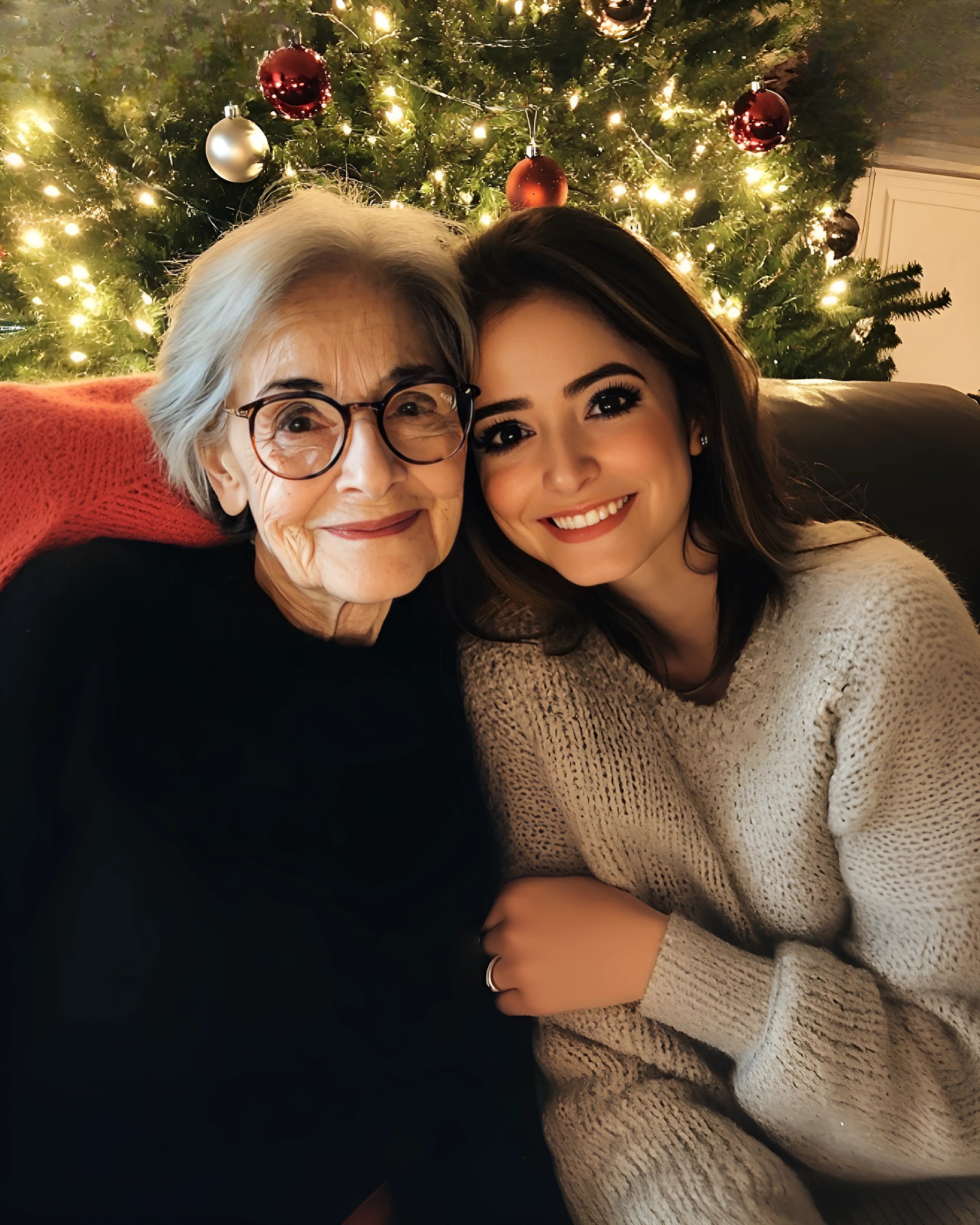
Emily was thin and pale, wearing a scarf on her head. Her eyes were Lily’s eyes.
Lily stood up. “Emily?”
Emily nodded. “Lily.”
They sat down opposite each other, both trembling, but in different ways.
“You’re beautiful,” Emily said, her voice trembling.
Lily touched her cheek. “I look the same. That never changed.”
“I was wrong to let anyone tell you you were less than that,” Emily said. “I was afraid. My parents made decisions for me. I’m sorry.”
Lily touched her cheek. “I look the same. That never changed.”
“I was wrong to let anyone tell you that you were less than that,” Emily said. “I was afraid. My parents made decisions for me. I’m sorry.”