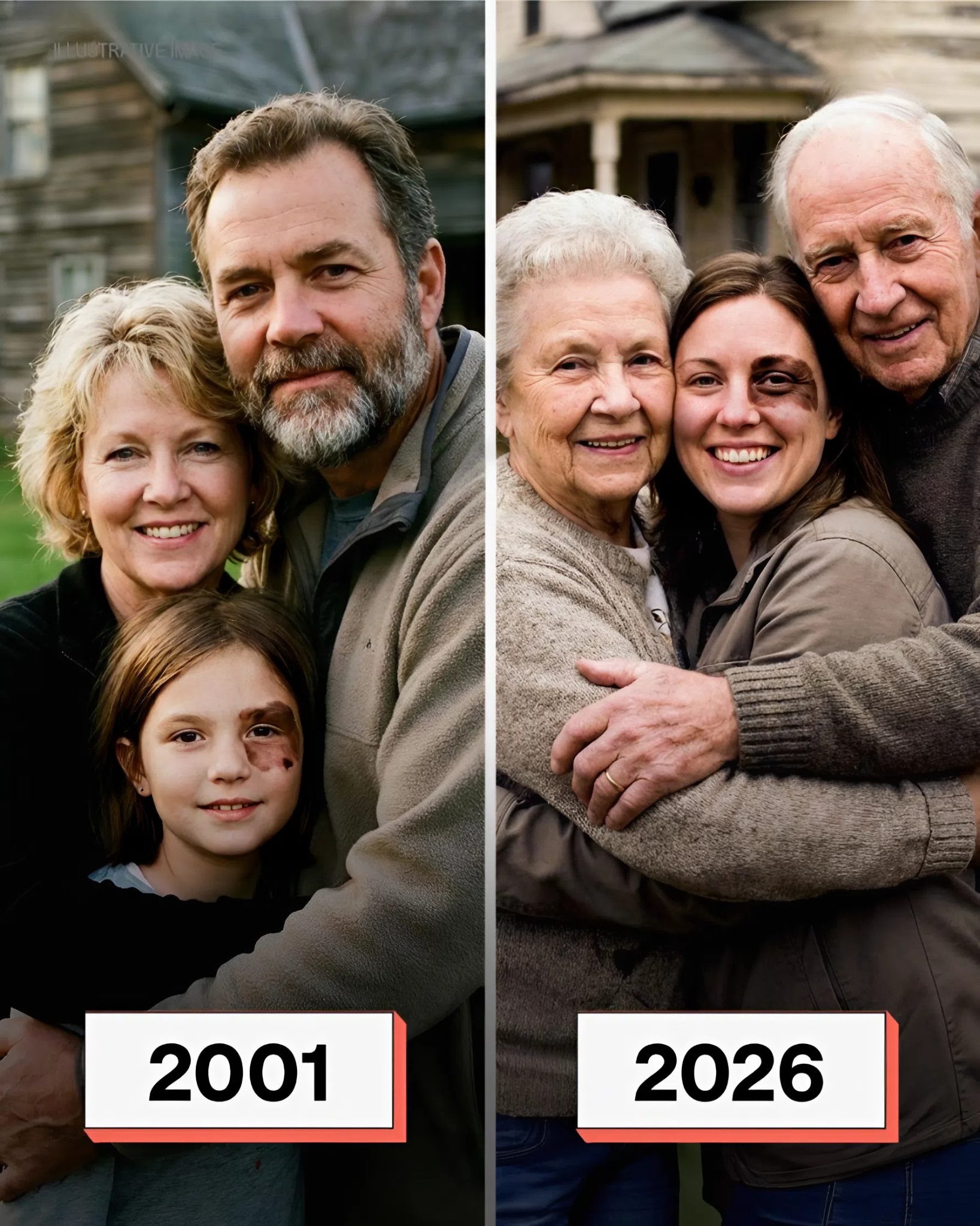
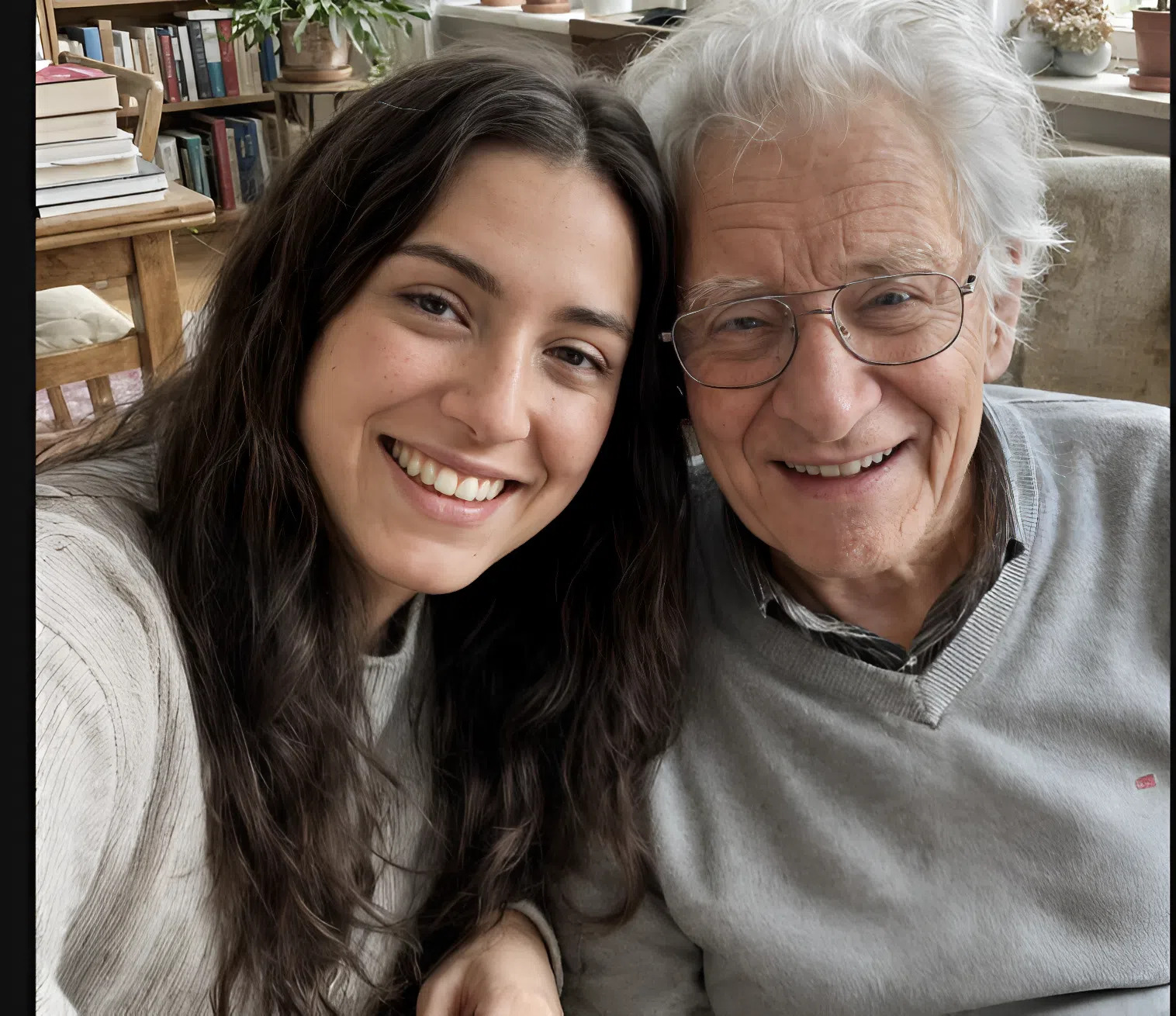
“Why didn’t you come back?” Lily asked. “Why didn’t you fight?”
Emily swallowed hard. “Because I didn’t know how,” she said. “Because I was scared, broke, and alone. That’s no excuse. I let you down.”
Lily looked at her hands. “I thought I’d be angry,” she said. “I am a little. But mostly I’m sad.”
“Me too,” Emily whispered.
They talked about Lily’s life, her home, and Emily’s illness. Lily asked medical questions, but she wasn’t trying to interrogate her, she just wanted to understand.
When it was time to leave, Emily turned to me. “Thank you,” she said. “Thank you for loving her.”
“She saved us too,” I replied. “We didn’t save her. We became a family.”
On the way home, Lily was quiet for a long time, looking out the window, as she used to do after difficult days at school. Then she suddenly broke down.
“I thought meeting her would fix something inside me,” she sobbed. “But it didn’t.”
I climbed into the back seat and hugged her.
“The truth doesn’t always heal,” I said. “Sometimes it just ends the guessing.”

She pressed her face into my shoulder. “You’re still my mom.”
“And you’re still my little girl,” I replied. “That’s for sure.”
Some time has passed since then. Lily and Emily talk sometimes. Sometimes they don’t talk for months. It’s complicated, and it doesn’t fit into a nice, neat story.
But one thing has changed forever.
Lily no longer says that she was “unwanted.”
Now she knows that she was wanted twice: once by a frightened 17-year-old girl who couldn’t stand up to her parents, and once by two people who heard about “the little girl that nobody wanted” and knew immediately that it was a lie.