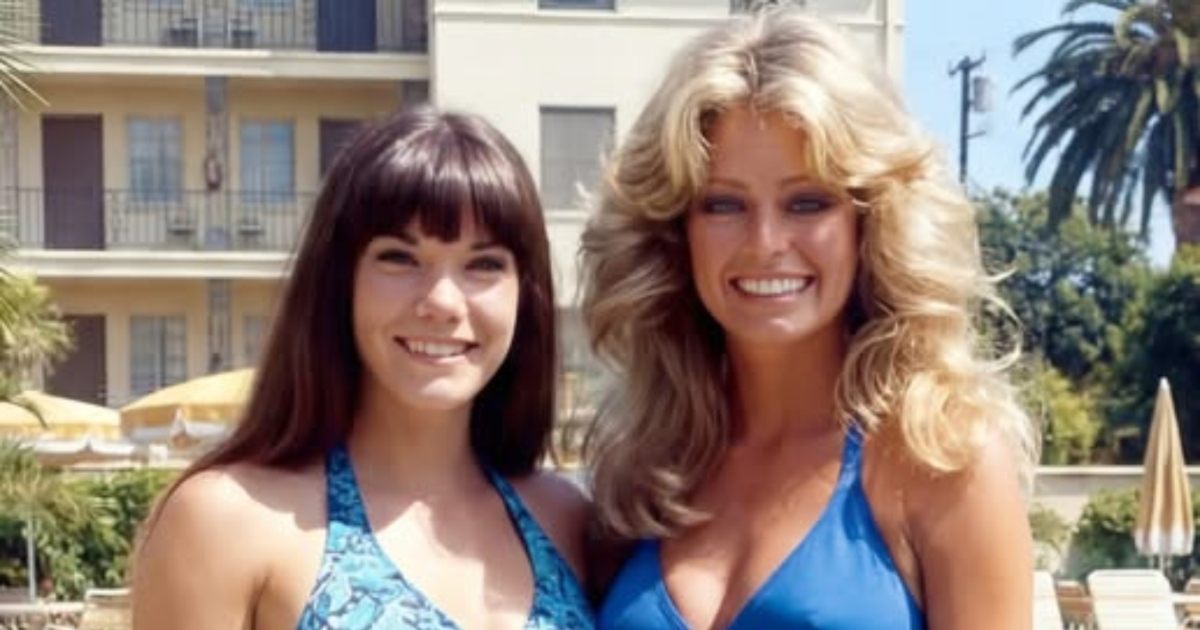
This striking photograph, taken in 1973, evokes a sense of pure nostalgia for the 1970s and captures the moment when two up-and-coming actresses were on the cusp of becoming some of the most recognisable faces in the world. Farrah Fawcett and Barbie Benton, who were in their early twenties at the time, fitted seamlessly into the glossy aesthetic of that era, starring in the satirical TV film The Great American Beauty Contest. This project sharply satirised the beauty pageant industry — a world of backstage rivalry, hairspray and ambition that became a kind of school of survival. Today, their sun-drenched images look like the perfect template of glamour and aspiration that defined an entire decade.
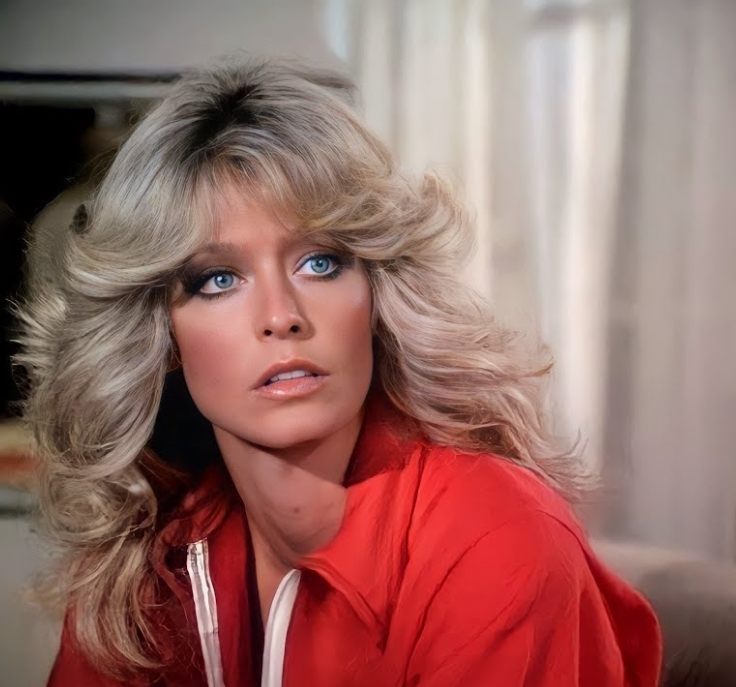
At that time, Farrah Fawcett was just beginning to attract Hollywood’s attention. Playing the role of the vivacious ‘Miss Texas’, she imbued the character with sincerity and energy, making the contest routines both touching and slightly ironic — in the spirit of the very industry the film was parodying. Long before the TV series Charlie’s Angels turned her into a global star, this role had already demonstrated her stage presence and potential. Even in a crown and sash, she possessed a natural charm that made it clear: the audience was not simply watching a member of the ensemble, but a future star.
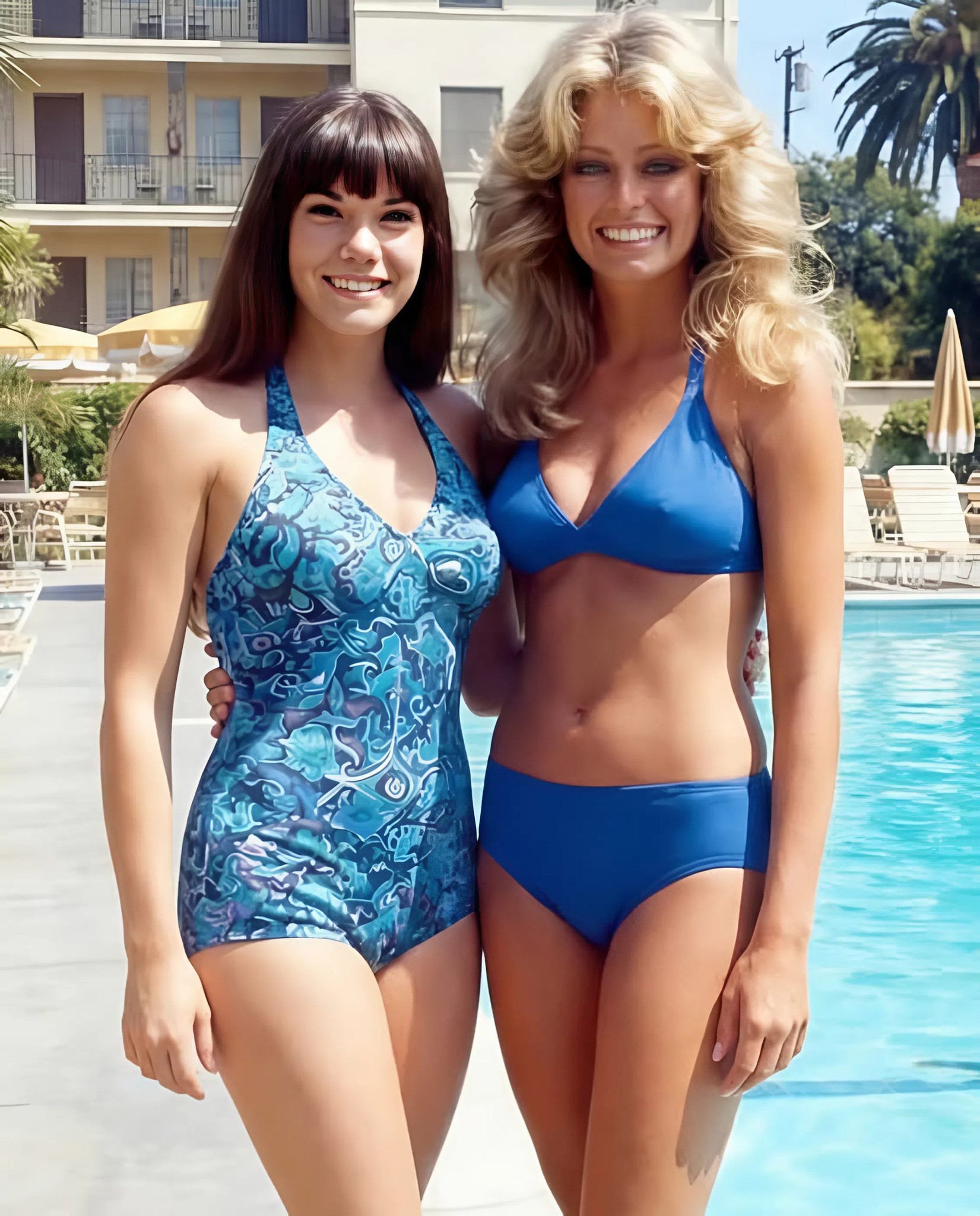
Standing beside her was Barbie Benton in her ‘Miss Iowa’ guise. Already known as a symbol of the Hugh Hefner era and a popular model, she used this role to prove that her talent extended beyond magazine covers. Her transition to an acting career was a significant milestone, demonstrating her versatility and capacity for a long creative life. She perfectly embodied the archetype of the ‘American girl’, adding a touch of light-hearted irony and self-assurance. On screen, she created a sense of lively rivalry, demonstrating the professionalism and charisma that would later ensure her success in both music and television.
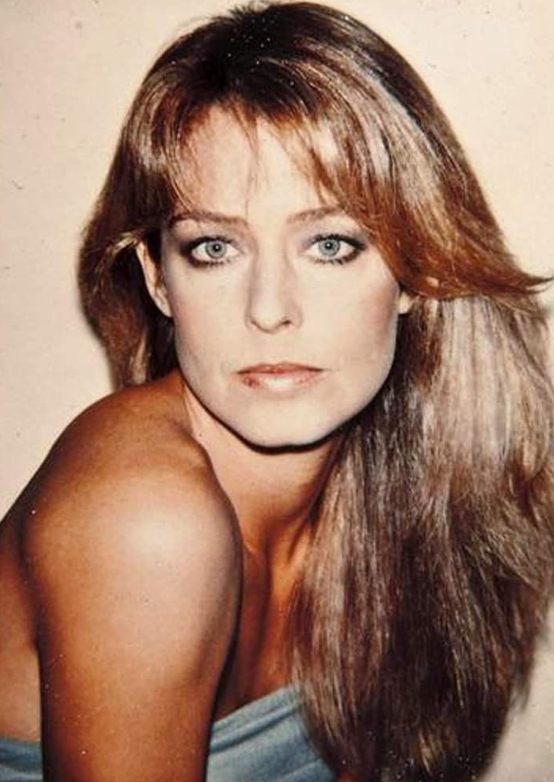
The film’s plot—about a feminist attempting to dismantle the pageant system from within—reflected the shifting social mood of the 1970s. However, it was Fawcett and Benton who brought to the film that very blend of glamour and light-hearted theatricality that transformed the television project into a notable pop-culture phenomenon. They perfectly captured the satirical tone whilst retaining the alluring glamour the audience expected. They didn’t merely play beauty queens — they imbued these characters with inner strength and ambition, reflecting women’s real struggle for their place in a changing world.
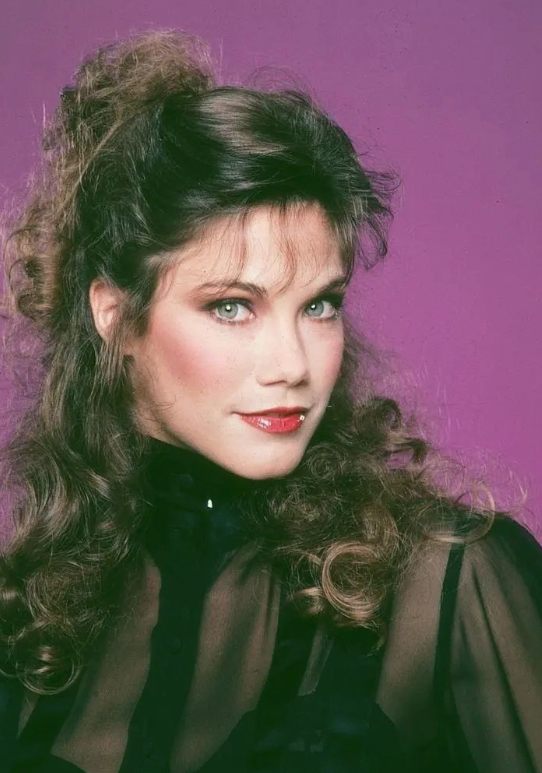
Looking back from the vantage point of 2026, this photograph is seen as a unique time capsule, capturing the beginning of two legends’ journeys. Their paths later diverged — towards serious dramatic roles and international fame — but their collaboration in 1973 remains an important part of television history. This was the moment when it became clear: the viewers were not simply watching the contestants of a fictional pageant, but the future queens of the entertainment industry. Their star power was already evident back then — long before the spotlight of global fame illuminated their names.