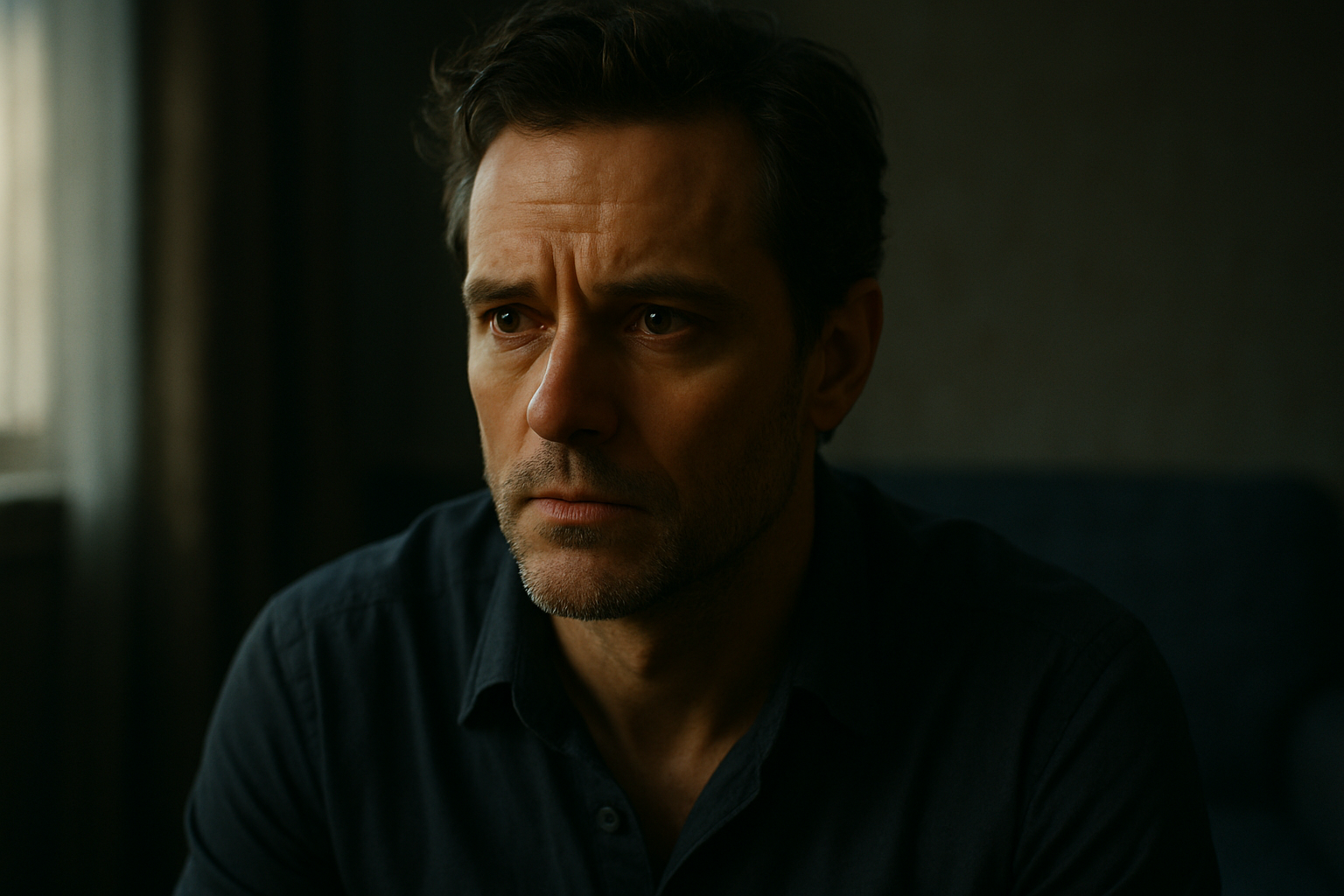
He had seen me.
That was the tragedy.
He had seen my talent, my shrinking, my hunger for a larger life.
He had simply not trusted either of us with what he saw.
“I need to think,” I said.
He nodded. “I’ll stay somewhere else tonight.”
Before he left, he stood in the doorway and looked back at the apartment as if memorizing the life we had failed to protect.
“I am proud of you,” he said.
This time, I believed him completely.
That did not make it enough.
June’s wedding was sixteen days later, on a bright afternoon that looked almost staged.
My dress was dark green because June said it made me look “expensive and emotionally unavailable,” which she considered a compliment. My incisions were healing. My offer letter was signed. Most of my belongings were sorted into piles: New York, donate, or too complicated to decide before midnight.
Adrian and I had not officially ended things.
Official endings require language, and for two weeks we had lived in logistics. Bills. Lease. Movers. Clothes.
I had not read his letter.
I carried it in my purse anyway.
June noticed.
“You brought it?” she asked while someone pinned flowers into her hair.
“I don’t know why.”
“Yes, you do.”
“What if reading it makes leaving harder?”
“Then leaving was always hard,” she said. “The letter just tells the truth.”
The ceremony was simple and beautiful. June cried before Miles finished his vows. Miles cried because June cried. Everyone laughed softly, and the room warmed with it.
When the officiant spoke of love not as possession but as witness, I looked down at my hands.
Witness.
That was what I had wanted from Adrian.
Not rescue.
Not permission.
Not management.
Someone close enough to say, I see you. I am here. Your life is not an inconvenience to mine.
At the reception, I drank champagne too quickly and danced carefully. For a few hours, I let myself be happy without turning happiness into analysis.
Then I saw Vivian Hart near the bar.
Off-screen, she looked softer, in a navy dress with sparkling water in her hand.
June waved her over.
I looked between them. “You know Vivian?”
June winced. “Before you get mad—”
“That is never a good opening.”
Vivian smiled apologetically. “June is my cousin.”
Of course.
The universe had a flair for drama.
June grabbed my hand. “Listen. Vivian mentioned months ago that she needed someone brilliant for a New York role. I told her about you first. Not Adrian. Me.”
I blinked.
Vivian nodded. “June gave me your name at a family dinner. Later, I asked Adrian for a professional opinion because he had crossed paths with your company. He gave one.”
The room seemed to tilt.
“You both hid it.”
“Yes,” June said. “And I’m sorry.”
Her apology was immediate. Clean. Without defense.
That difference hurt.
“For what it’s worth,” Vivian said, “the role is yours because of you. Recommendations get a name into a room. They don’t answer questions the way you answered them.”
I nodded, but my mind was already somewhere else.
The opportunity I thought was my private rebellion had been built, in part, by people who loved me.
Carefully.
Badly.
Both.
For one wild second, I wondered if that made the choice less mine.
Then I remembered my hand clicking submit.
My voice accepting the offer.
My body healing.
My boxes waiting.
No one could choose my life for me unless I abandoned it at the threshold.
I went out to the terrace. The evening air was cool. The water beyond the building held the last light in broken gold.
There, under a string of lights, I opened Adrian’s letter.
The paper was soft at the edges from being carried for days.
Mara Voss is the kind of person organizations claim to want and rarely know how to keep. She sees systems without losing sight of people. She can identify a structural weakness in a meeting no one else wants to have and still remember who has been quietly carrying the extra work. She is decisive but never careless. Compassionate but not weak. If she has a flaw, it is that she has spent too long mistaking other people’s certainty for evidence that they know better than she does.
They don’t.
There was more.
Projects I had forgotten to be proud of. Problems I had solved so quietly no one thought to call them leadership.
He had listed them all.
At the end, the tone changed.
I am writing this because I do not know whether I will have the courage to say it well. Mara deserves a life that does not require her to shrink in order to be loved. If New York gives her even one room where she remembers her own scale, then she should go. Even if I am not invited into that room. Especially if I have taught her to believe she needs permission to enter it.
By the time I finished, I was crying.
Not beautifully.
Just enough that the harbor blurred into gold.
“Mara?”
I turned.
Adrian stood at the edge of the terrace.
For a second, I thought he had crashed the wedding. Then I saw Miles through the glass doors, giving me an apologetic little shrug.
Not a grand gesture.
Just a groom who believed closure should have hors d’oeuvres.