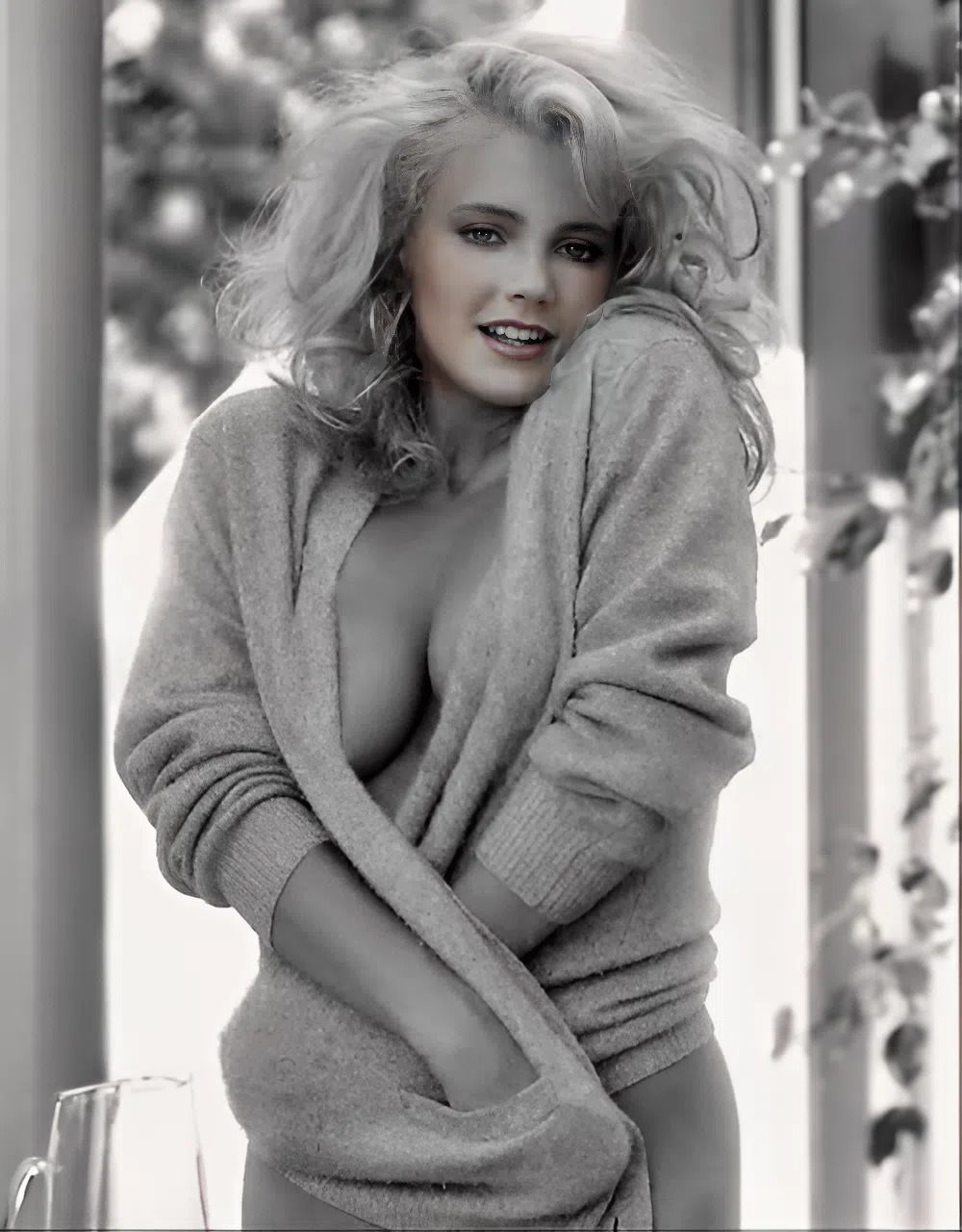
Kim Evenson’s story didn’t begin in the dazzling glare of movie spotlights, but in the midst of Manhattan’s vibrant nightlife. She stood at the velvet ropes outside New York’s most exclusive venues, and she wasn’t just an ordinary doorman—she embodied elegance, poise, and natural authority. It wasn’t a pose, but valuable experience gained at the very heart of the cultural scene of the time. When people in the industry finally took notice of her, it wasn’t mere coincidence, but a logical meeting of a woman who knew how to command a space with an industry eager for a new face of captivating international fame.
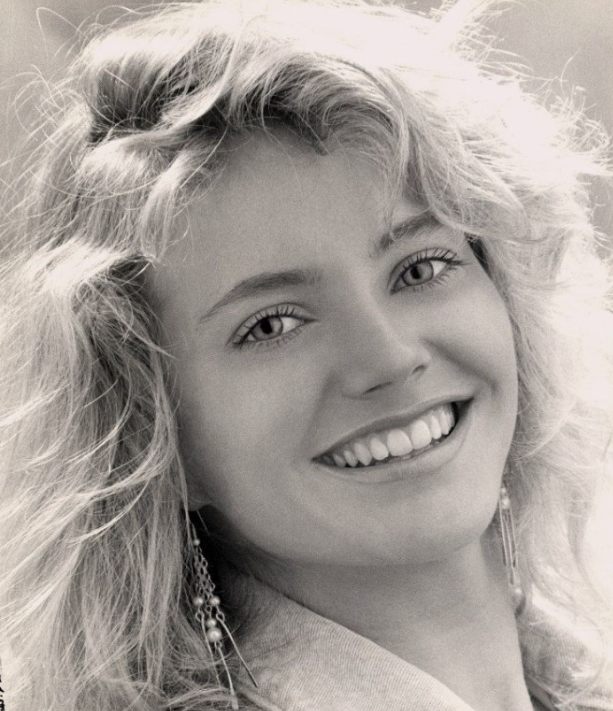
Her true foundations were laid long before the flashes of cameras began to chase her. She was shaped by a childhood full of moving and the unexpected trials that come with an unstable lifestyle. It was precisely this experience that gave her the tenacity and resilience that allowed her to make her mark in the unpredictable world of the 1980s. She excelled at adapting without losing herself, and she did not let the sudden public interest break her. Her strength lay not only in her striking appearance, but mainly in her strong character and inner maturity, which secured her a lasting place in the industry. She thus entered Hollywood not as a fragile newcomer, but as a woman whom life’s changes had long since taught to stand her ground.
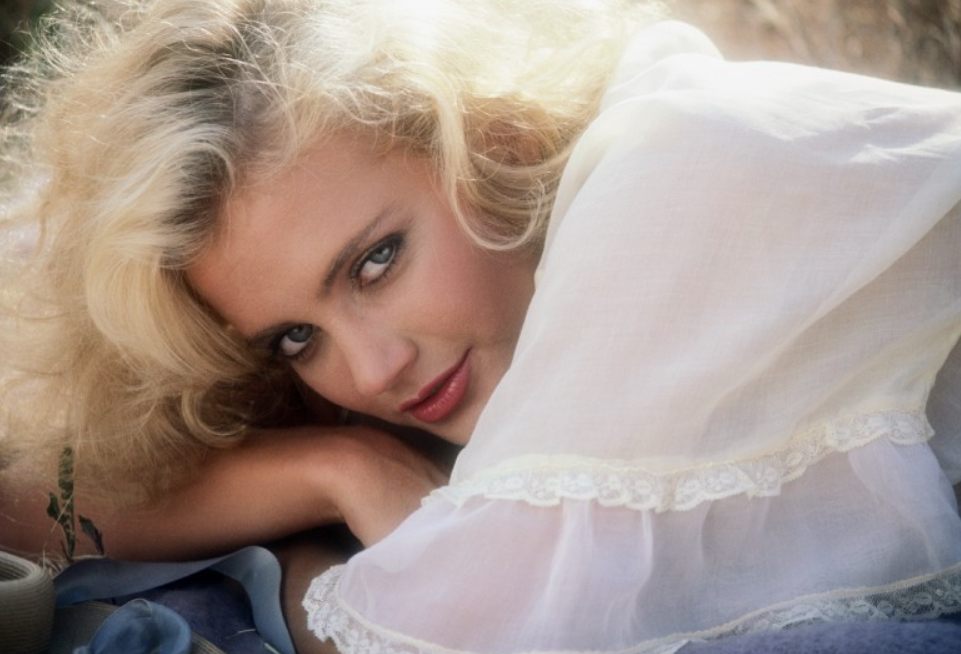
Her transition to film acting definitively confirmed her status as one of the most iconic figures of her era. In the family comedy The Great Outdoors, filled with suburban chaos, and in the dark horror film The Video Dead, she delivered performances that naturally blended fragility with a self-assured, yet charming presence. She had a keen understanding of the pace and atmosphere of genre films, and it was precisely this that allowed her to carve out a unique niche that fans of 1980s aesthetics still remember today. These were not just ordinary film roles, but defining moments of an era that loved charismatic, energetic, and instantly memorable storytelling.
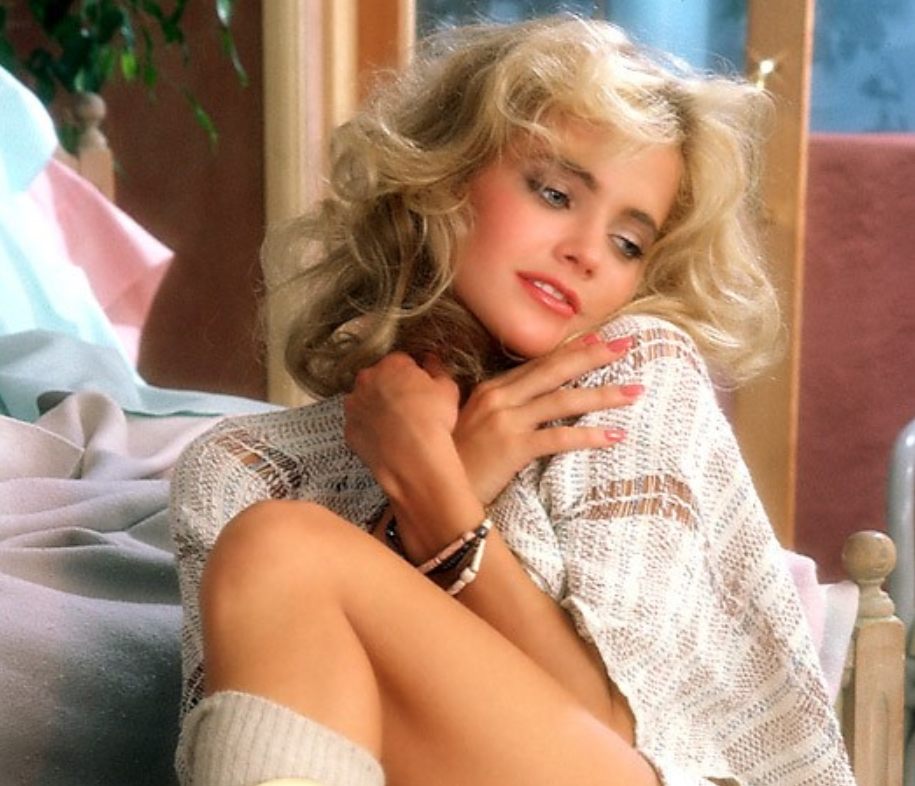
Venson held a unique position in the turbulent 1980s—she effortlessly bridged the world of high-end modeling with the demands of commercially successful film. She possessed a unique charisma that ensured her name regularly appeared in industry media, as well as a versatility that allowed her to transition from quiet fashion editorials to filming dialogue-heavy scenes without losing any of her appeal. She became a symbol of an era that expected not only an unattainable star aura from its icons, but also humanity and approachability. It was precisely this unusual balance that she managed with a professionalism and inner strength that many of her contemporaries lacked.

When we look back on her journey from the perspective of 2026, her transformation from working behind the scenes to starring in acclaimed Hollywood productions stands out as an exceptionally fascinating example of personal and professional growth. She wasn’t just another face that someone happened to discover—she became a woman who weathered the film industry’s most challenging period and turned a single opportunity into a lasting mark on pop culture history. Her story reminds us that the most enduring stars are often those who first learned to open doors for others before stepping through them themselves. She didn’t just live through the 1980s—through her style, demeanor, and career, she helped shape how we still imagine that era today.