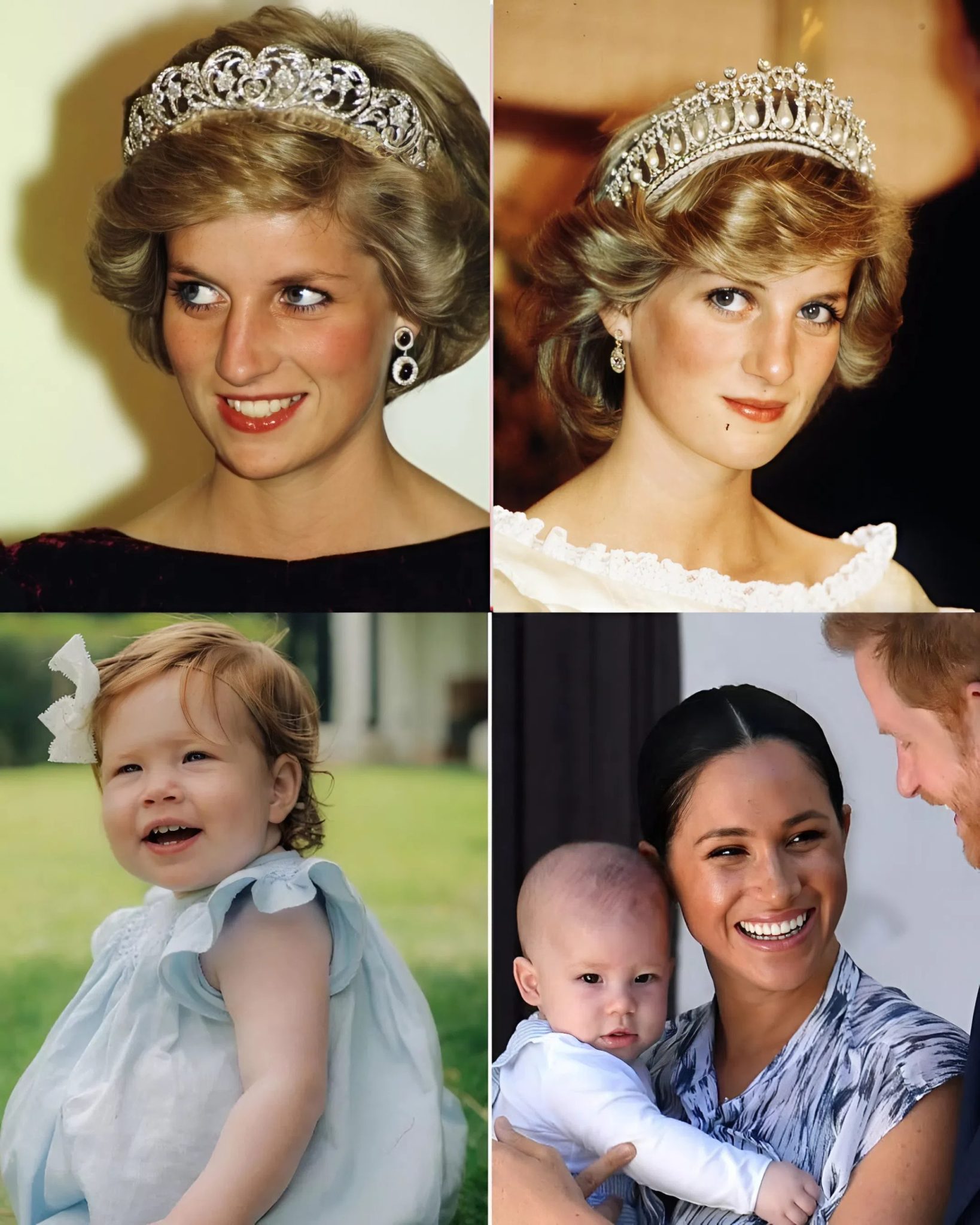
There are phrases that seem harmless at first.
Soft. Sentimental. Almost affectionate.
And then there are phrases that reveal far more about the people repeating them than the subject they claim to describe.
“She is Diana.”
Three words. Shared casually at first. A comment under a photo. A caption on a fan page. A whispered comparison passed along with a heart emoji and a sigh of nostalgia. But those three words did not remain small. They multiplied. They hardened. They evolved into something else entirely.
Something dangerous.
Because history shows us that when the world begins projecting unresolved grief onto a child, the consequences are never innocent.
The Internet’s Most Persistent Ghost
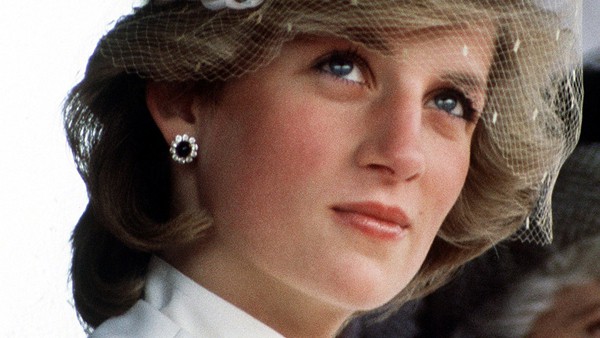
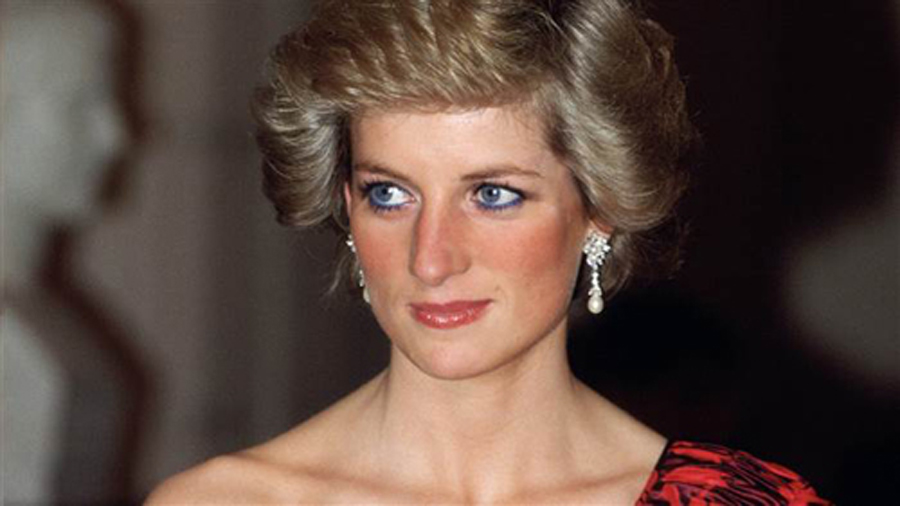
More than two decades after her death,
Princess Diana remains one of the most emotionally charged figures in modern history. To millions, she is not merely remembered—she is preserved. Frozen at the height of youth, vulnerability, rebellion, and tragedy.
In the digital age, Diana has become something even more complex: a symbol endlessly recycled, reshaped, and reattached to new faces.
And the internet, with its appetite for patterns and parallels, is always searching for a vessel.
This time, it found one far too young.
When Admiration Slips Into Projection
It did not begin with malice.
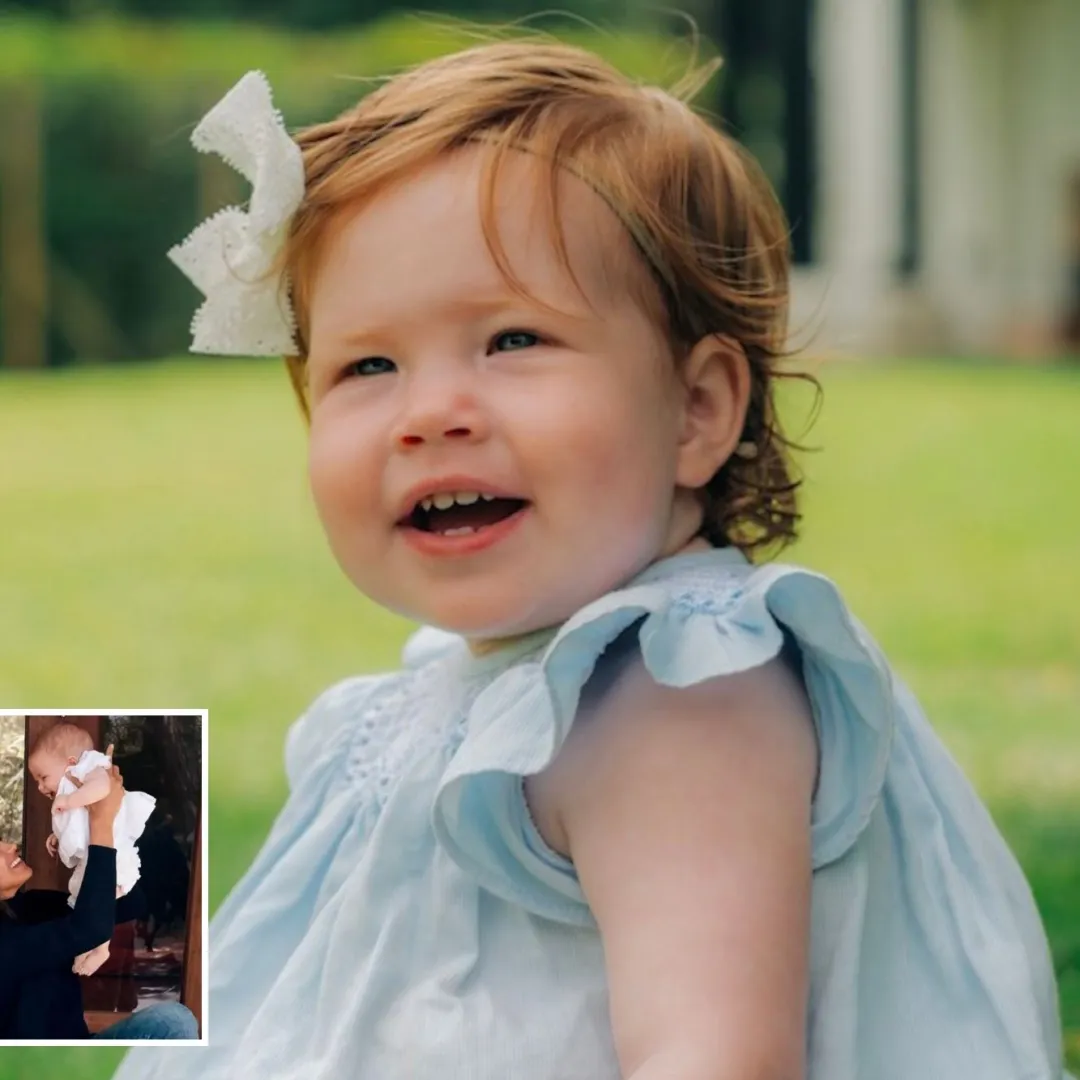
It began with resemblance. A tilt of the head. A strand of red hair. A candid photo that invited comparison. For many, it felt comforting—almost poetic—to imagine Diana “living on.”
But admiration has a thin edge.
What starts as tribute can quietly become expectation. What feels like remembrance can morph into demand. And before anyone notices the shift, a child’s identity is being overwritten by someone else’s memory.
Insiders close to the situation describe growing unease as Princess Lilibet became the subject of online narratives she never chose and could never consent to.
This was not about who she
is.
It was about who others needed her to be.
Montecito’s Quiet Alarm

Publicly, there was silence.
No correction. No rebuke. No statement urging restraint.
But privately, those familiar with the atmosphere in Montecito say concern was building—not panic, but something more deliberate. The kind of concern that comes when parents recognize a pattern they know too well.
Because Meghan Markle and Prince Harry understand the cost of projection intimately. They have lived inside it. Been consumed by it. Watched it distort reality and harden public perception.
Harry, in particular, knows what it means to grow up as a symbol before becoming a person.
And he knows exactly how dangerous that can be.
The Shadow That Never Left
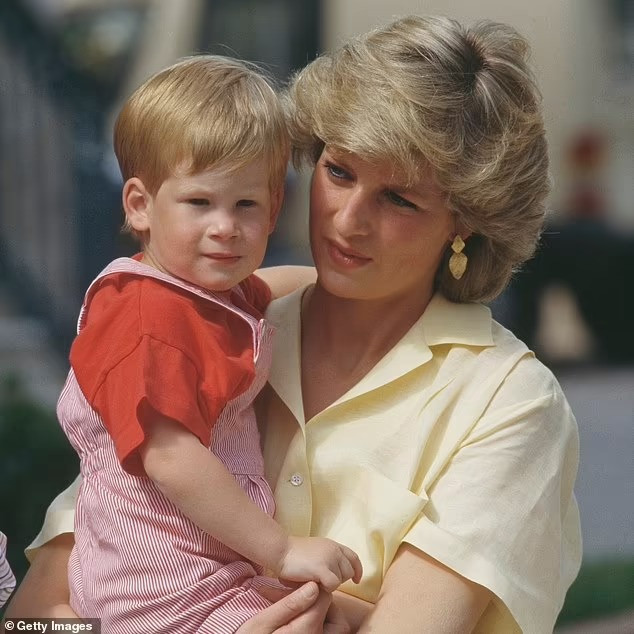
For Harry, Diana is not a myth. She is not a symbol. She is his mother.
He remembers her laugh, her anxiety, her defiance—and the relentless gaze that followed her everywhere. He remembers how admiration turned into intrusion. How affection became entitlement. How the world decided it
owned her story.
The tragedy of Diana was never simply her death.
It was the slow erosion of boundaries long before it.
To see echoes of that process—however unintentional—reappear around his daughter is not poetic. It is haunting.
America’s Uneasy Recognition
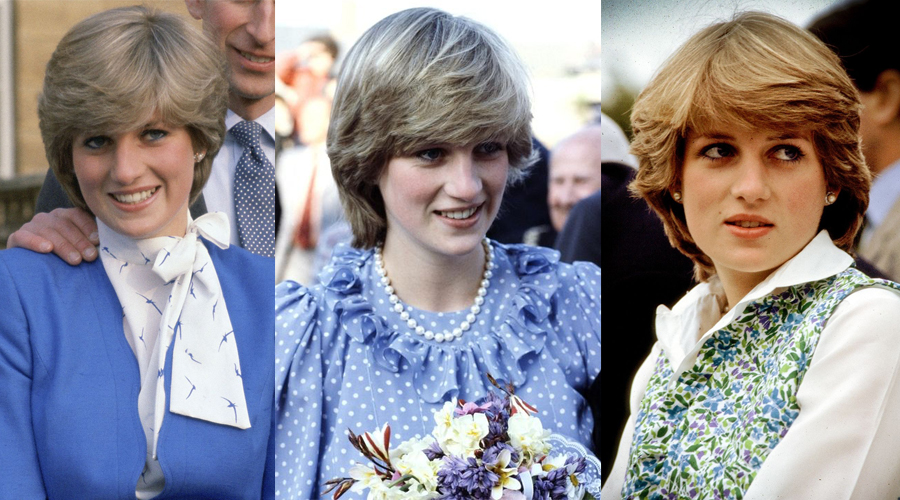
For American audiences, this story resonates in a deeply modern way.
We live in an era where children of public figures are routinely turned into content. Screenshots. Think pieces. Symbols of legacy battles they did not start.
But there is something uniquely unsettling about tying a child to a woman whose life was defined by being overseen, overinterpreted, and overconsumed.
In the US, we understand the danger of generational projection. Of unresolved grief passed forward. Of narratives that refuse to stay in the past.
And we recognize the warning signs when admiration crosses into obsession.
Silence as Strategy — or Protection?
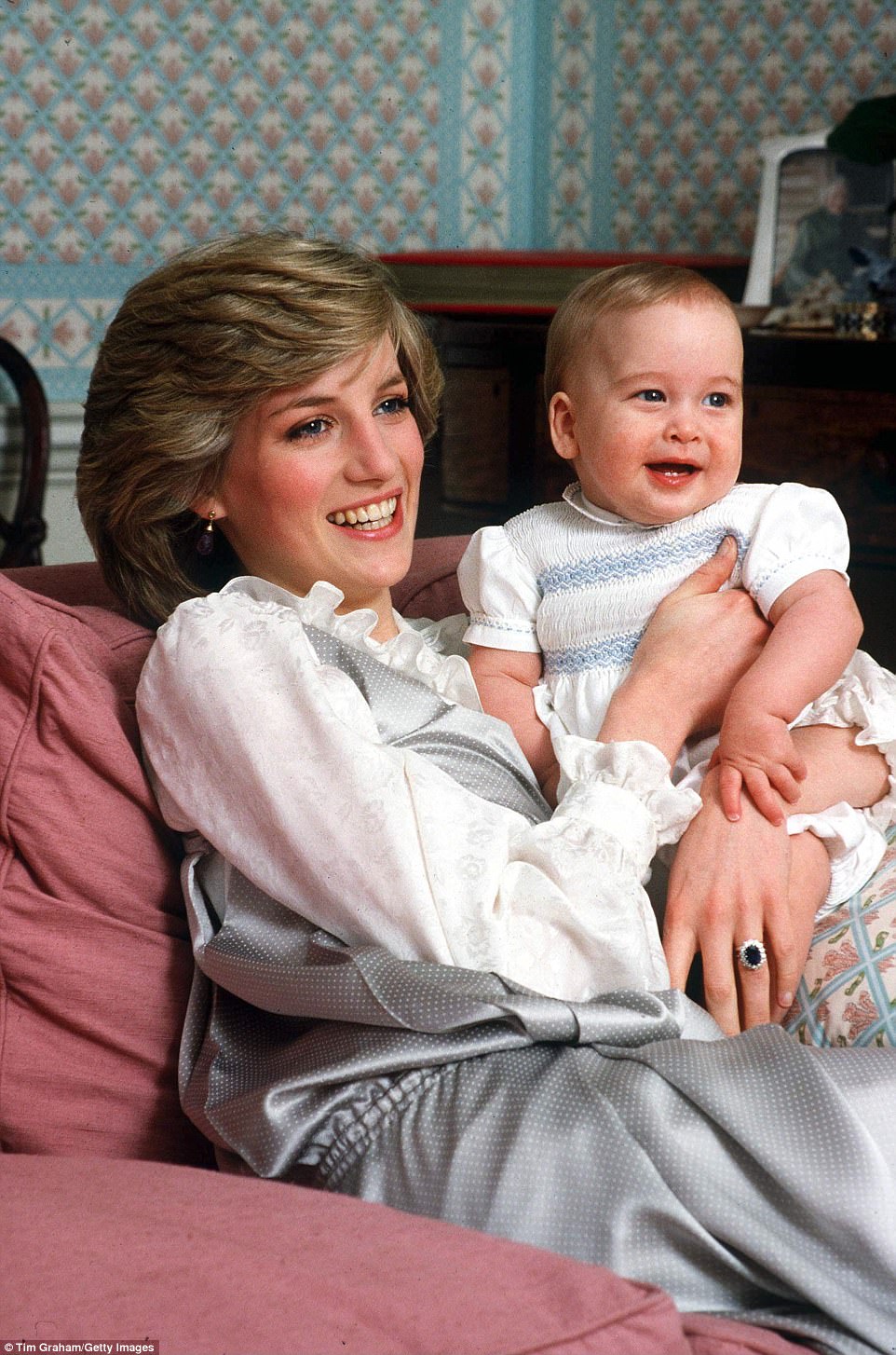
Critics have asked: why not shut it down immediately?
The answer may lie in experience.
Public correction often fuels the very fire it seeks to extinguish. Drawing attention can amplify myth. And for parents who have already seen how narratives spiral once they escape into the internet’s bloodstream, silence can be a form of containment.
But silence has limits.
And according to those close to the family, the real concern was never headlines—it was precedent. How long does a narrative circulate before it becomes normalized? Before repetition turns speculation into assumed truth?
Because once a story embeds itself culturally, it becomes almost impossible to dislodge.