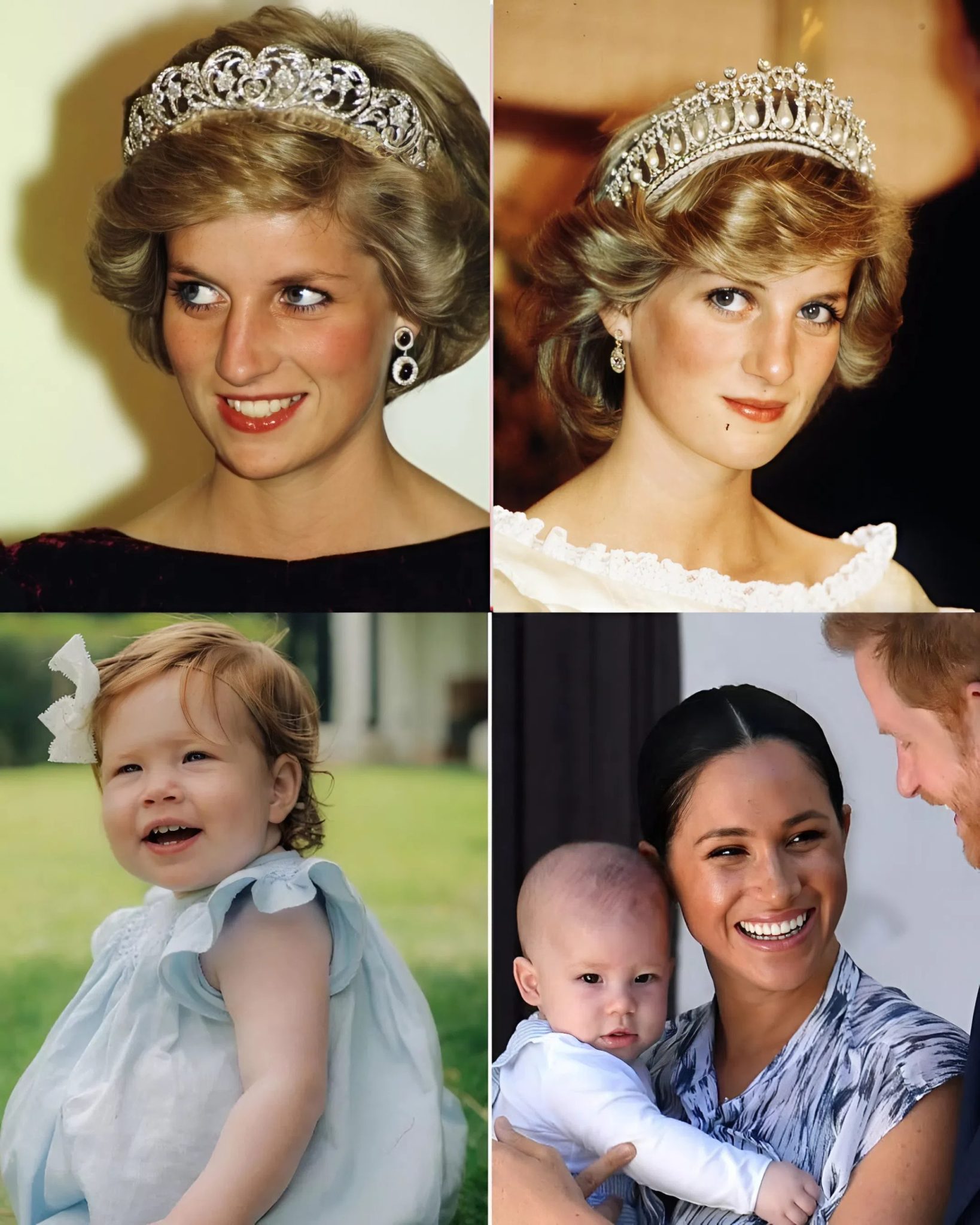
The Royal World’s Unfinished Business
There is another layer here—one that makes this situation uniquely volatile.
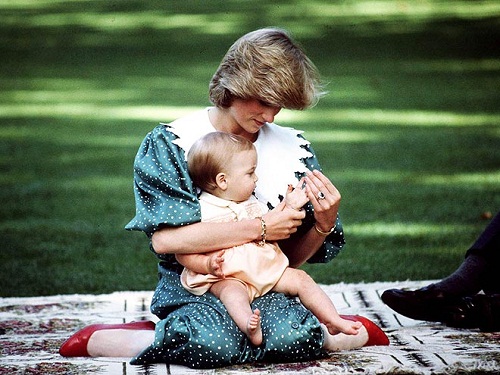
The royal family has never fully resolved its relationship with Diana’s image. She remains simultaneously revered and inconvenient. Honored and carefully contained. Remembered—but only in ways that do not disrupt the institution.
That unresolved tension creates fertile ground for projection. And when the monarchy itself cannot fully integrate its past, the public often attempts to do it instead.
Sometimes recklessly.
Sometimes through a child.
The Ethics We Rarely Discuss
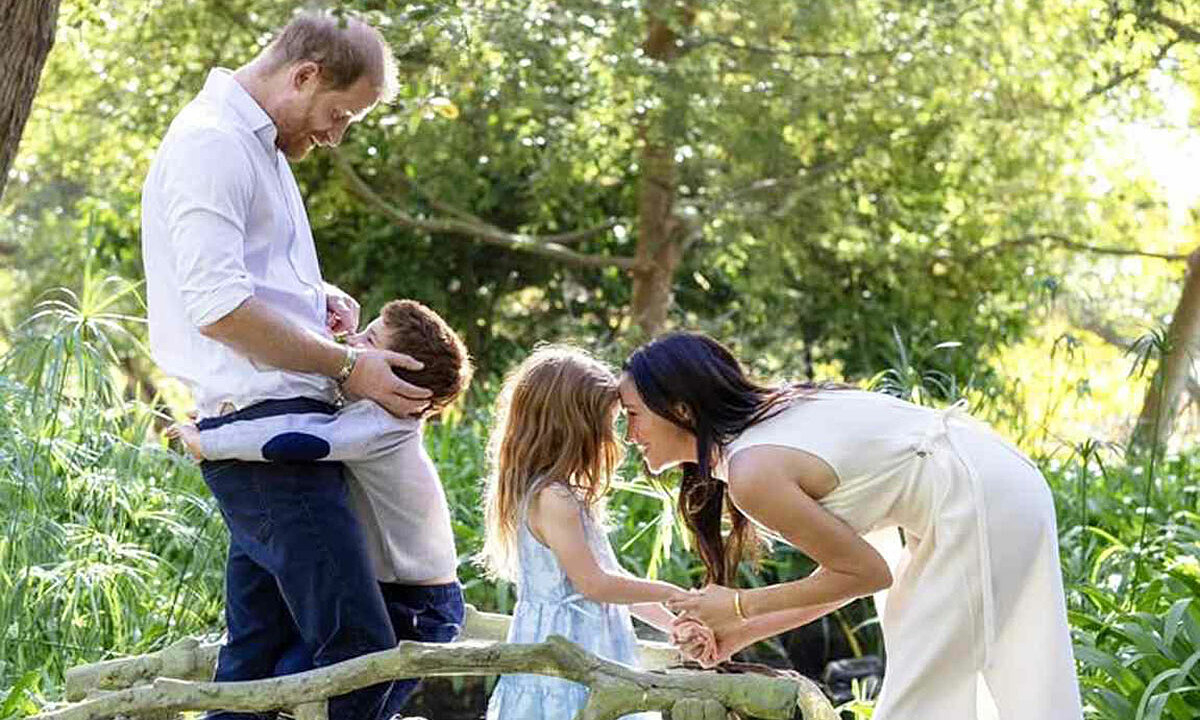
At its core, this is not a royal story. It is a cultural one.
What do we owe children who happen to be born into famous families? Where is the line between interest and intrusion? Between homage and appropriation?
Lilibet does not belong to history.
She belongs to the present.
She is not a continuation of someone else’s narrative. She is the beginning of her own.
And the moment we forget that, we repeat the very mistakes we claim to mourn.
Why This Moment Matters More Than It Seems
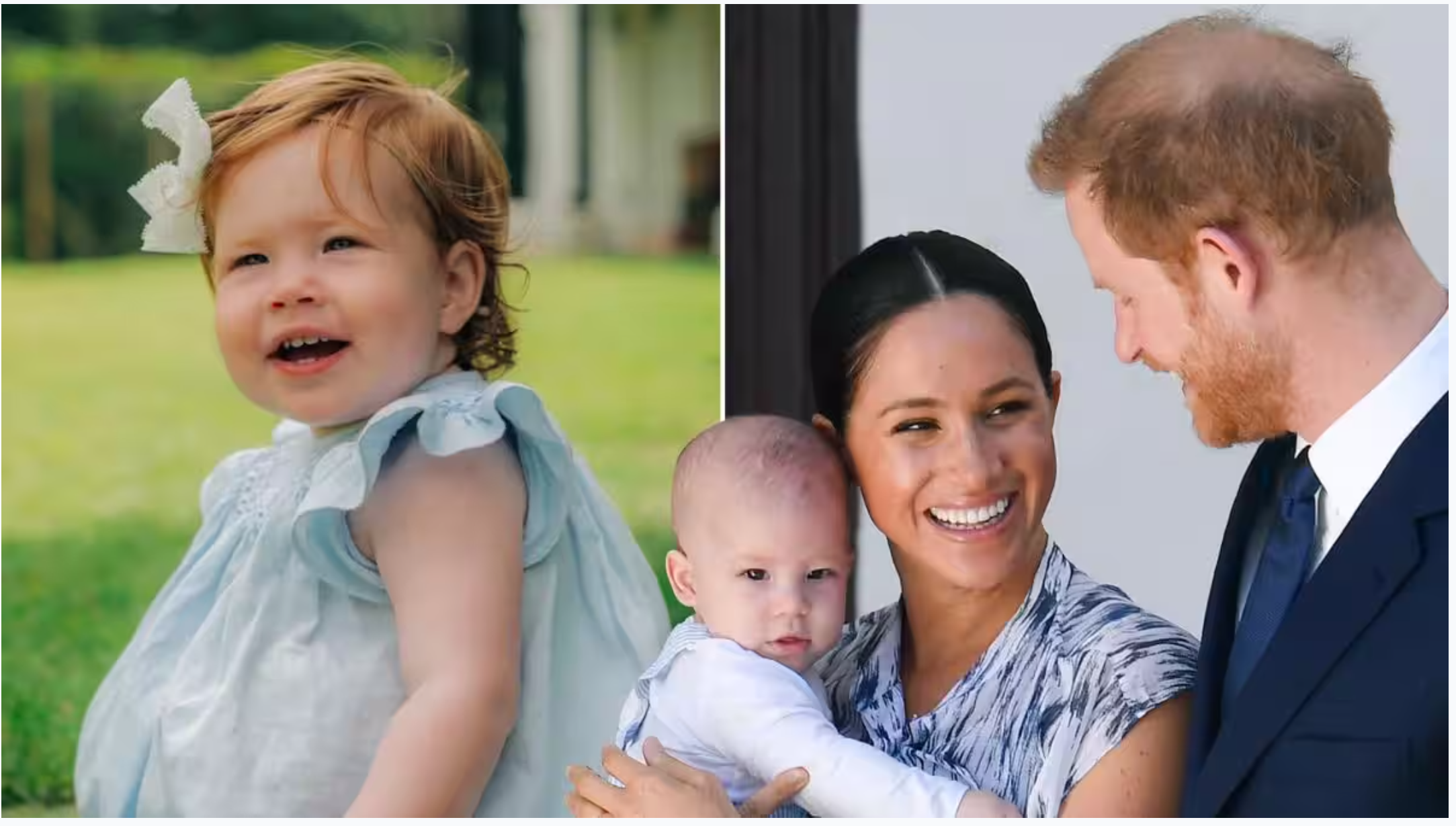
Some will dismiss this as overreaction. As internet noise. As a fleeting trend that will fade.
But history suggests otherwise.
Cultural myths rarely disappear—they evolve. They resurface. They attach themselves to new figures when conditions allow.
Stopping them early matters.
Because once a child grows up under the weight of symbolic expectation, the damage is not loud. It is slow. It shapes selfhood. It narrows possibility.
And that damage cannot be undone with apologies later.
A Line Quietly Drawn
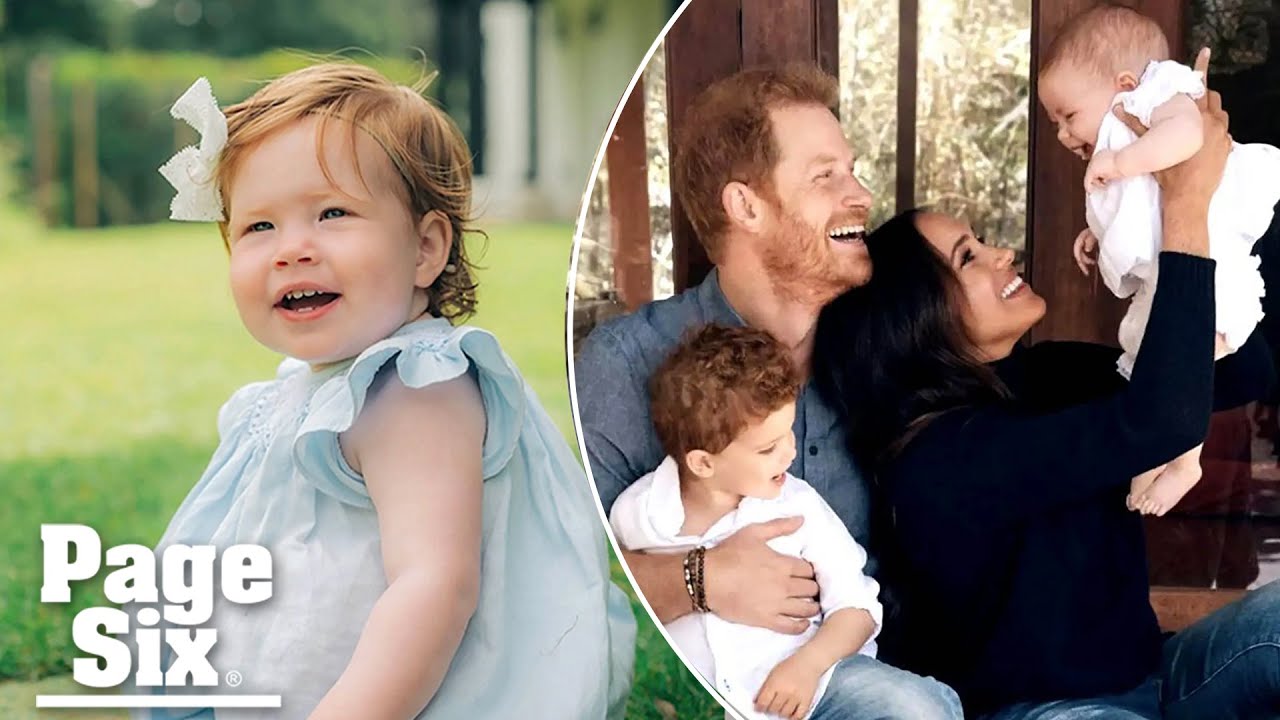
Those close to the family suggest that boundaries have now been reinforced privately, even if publicly nothing has changed. The message, they say, is simple:
This is not a story for the world to finish writing.
Lilibet will not be a symbol.
She will not be a stand-in.
She will not carry unresolved grief that is not hers.
The Question We Should Be Asking

The most revealing part of this episode is not that it happened—but that it was allowed to grow.
It forces an uncomfortable question: why does the world so desperately need Diana to return that it is willing to place her shadow on a child?
And what does that say about us?
Because the real danger was never resemblance.
It was repetition.
And if there is one lesson Diana’s life should have taught us, it is this:
When we refuse to let the past rest, we risk sacrificing the future in its name.
And that is a price no child should ever be asked to pay.