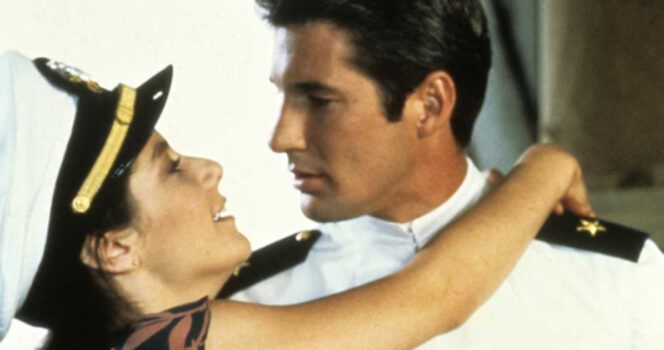
I don’t know if it’s down to my love of 80s films, but An Officer and a Gentleman has always been one of my absolute favourites. It’s a true classic, and I’ve probably watched it at least ten times.
But when I recently started reading up on the film in more detail, I realised there are loads of things in it that I simply hadn’t noticed or known about before. Now, some of the most iconic scenes strike me quite differently.
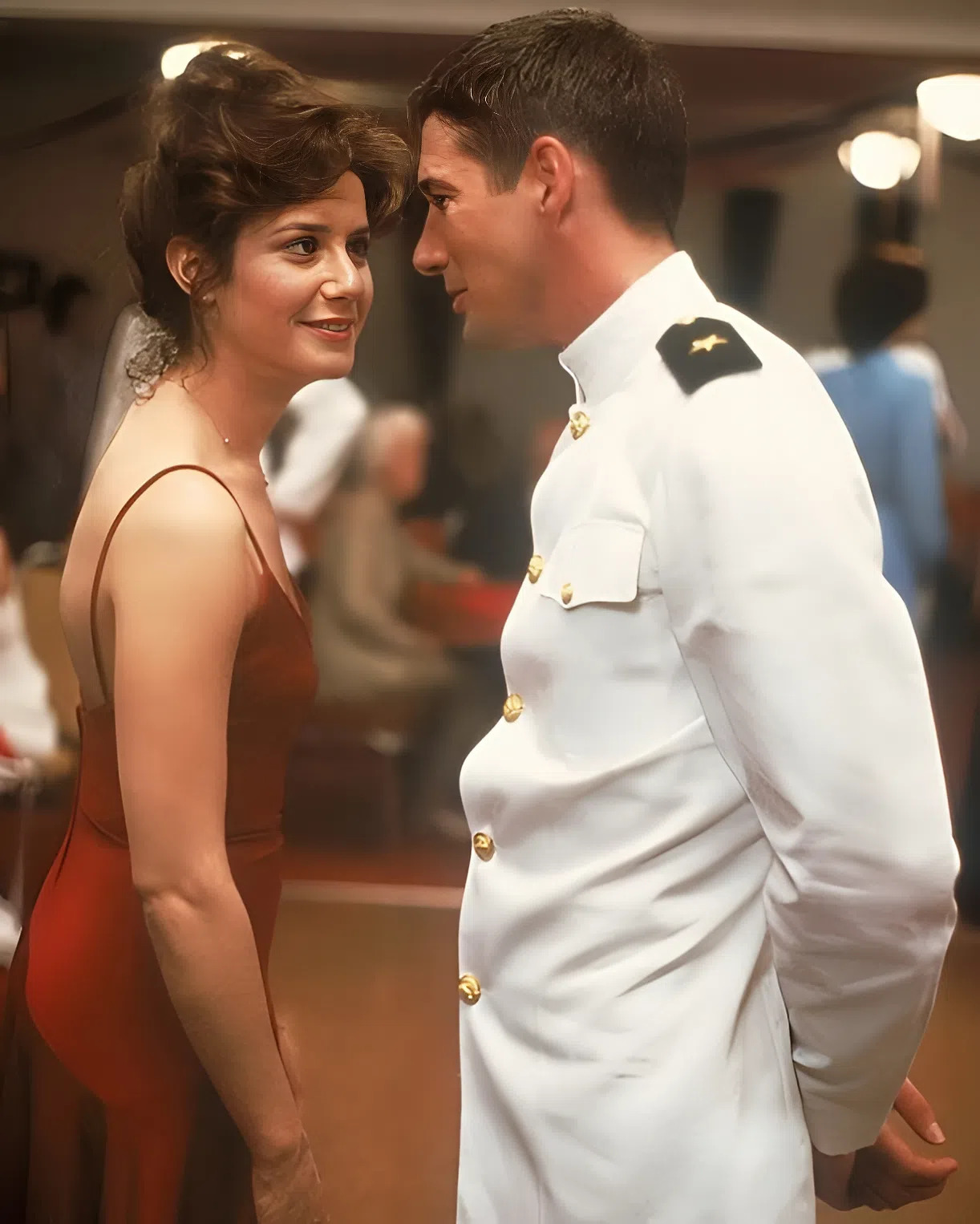
Debra Winger’s fiery emotionality and Louis Gossett Jr.’s powerful, unforgettable presence made An Officer and a Gentleman a true masterpiece. And, of course, Richard Gere’s vibrant, natural charisma added even more appeal and star power to the film.
The film was released in the summer of 1982 and became a massive hit, grossing around $190 million on a very modest budget of six to seven million. But despite the warm reception from critics and its secure place in the history of 1980s cinema, not everything went smoothly on set.
A love story in military uniform
At the heart of the plot of An Officer and a Gentleman is Zach Mayo, played by Richard Gere, a determined candidate for the US Navy’s aviation officer corps who finds himself in the harsh world of training at the Aviation Officer Candidate School.
Whilst enduring the gruelling programme, Zach also experiences his first truly serious relationship with Paula, a local girl played by Debra Winger.
At the same time, he has to contend with the tough and ruthless Marine sergeant Emil Foley, played by Louis Gossett Jr. This man pushes every cadet almost to their limits.
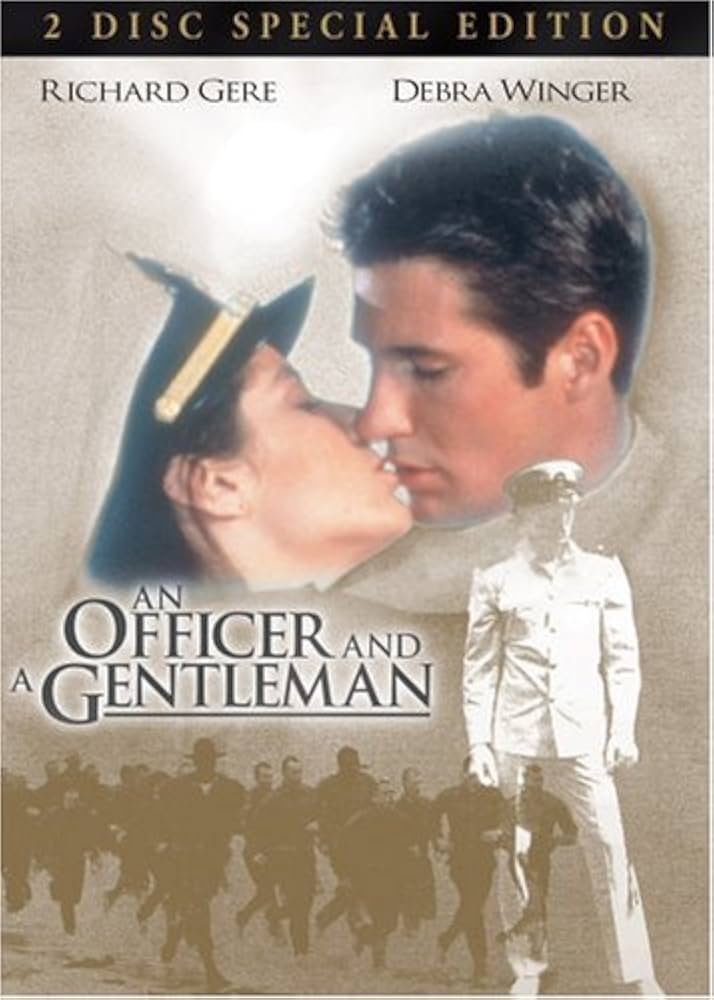
The screenplay was inspired by the personal experiences of the author, Douglas Day Stuart, who himself underwent training as a naval aviation officer cadet. Initially, he dreamed of becoming a pilot, but his path was cut short after he was medically disqualified.
Even the character of Paula was linked to real life: the heroine was modelled on a local factory worker whom Stewart met and dated during his training. This is why the film’s romantic storyline turned out to be so personal and down-to-earth.
An unexpected twist in the casting process
Initially, musician and occasional actor John Denver was confirmed for the role of Zach Mayo. But as the casting process unfolded, the role passed through a whole string of big Hollywood names — the contenders included Jeff Bridges, Harry Hamlin, Christopher Reeve, John Travolta and, ultimately, Richard Gere.
In the end, it was Gere who came out on top and secured the role that would largely define his career. Travolta, meanwhile, turned down the offer — just as he had once turned down ‘American Gigolo’.
Richard Gere later admitted to Barbara Walters that he had initially agreed to the film purely for the money. The irony is that this very film became his biggest box-office hit at the time, until it was later surpassed by Pretty Woman.
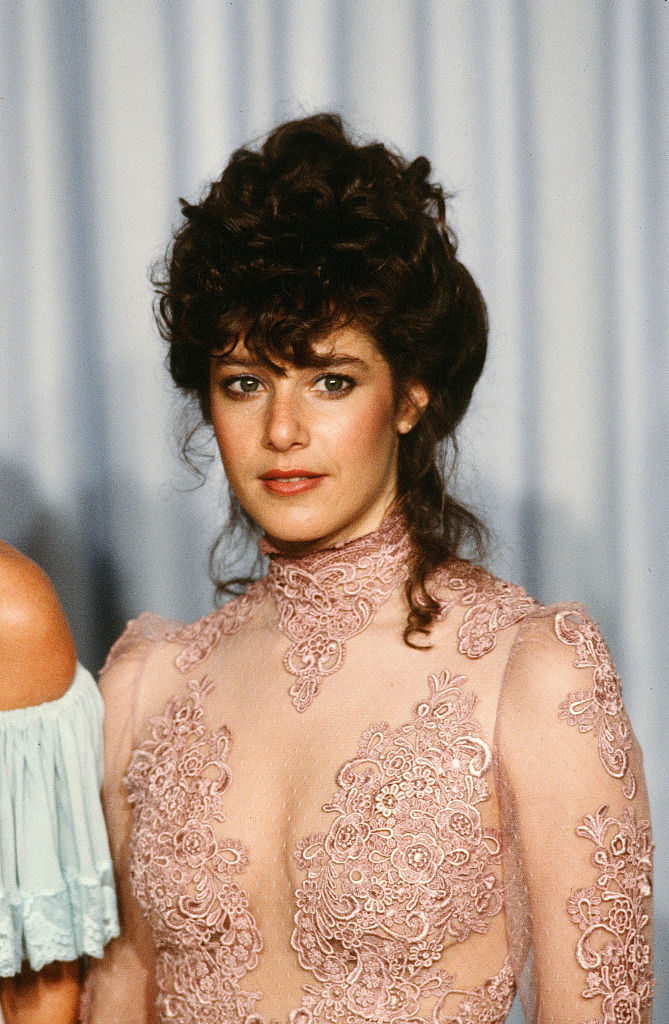
The on-screen chemistry turned out to be an illusion
At first glance, there is undeniable chemistry between Richard Gere and Debra Winger on screen. On film and in photographs, their connection looks so strong that it seems almost real. But off set, things were far more complicated.
Despite the intense intimacy they created in front of the camera, in reality, it was reported that they did not get on during filming. Winger once described Gere as a ‘brick wall’, and Gere himself later admitted that there was indeed tension between them.
According to Louis Gossett Jr., who wrote about this in his book An Actor and a Gentleman, both lead actors tried to keep their distance from one another whenever the camera wasn’t rolling. He also noted that Debra Winger was not particularly impressed by Richard Gere’s acting.
Furthermore, according to him, she also had a strained relationship with the film’s director, Taylor Hackford, whom she reportedly called an ‘animal’.
Although Richard Gere was listed first in the credits and played the lead role, he was rumoured to have been troubled by how strong Debra Winger’s screen presence proved to be and how easily she stole the limelight. Ultimately, it was her performance that earned her an Oscar nomination for Best Actress.
Years later, Gere began to speak of her in much warmer terms, noting her openness in front of the camera and even recalling with gratitude the moment when she presented him with an award at the Rome Film Festival.
The unpleasant truth about the nude scene
According to reports, Debra Winger negotiated the contract herself, without an agent, and signed the agreement before she had even seen the revised version of the script. She later discovered, to her surprise, that the role included a nude scene.
As she was unhappy with this turn of events, she asked to be covered up in the scene, but was told that, since the contract did not include a ban on nudity, she was obliged to film as specified in the script.