There is a reason for the old English saying “like a cat on a hot roof,” which is used when one feels extremely uncomfortable in some company or situation.
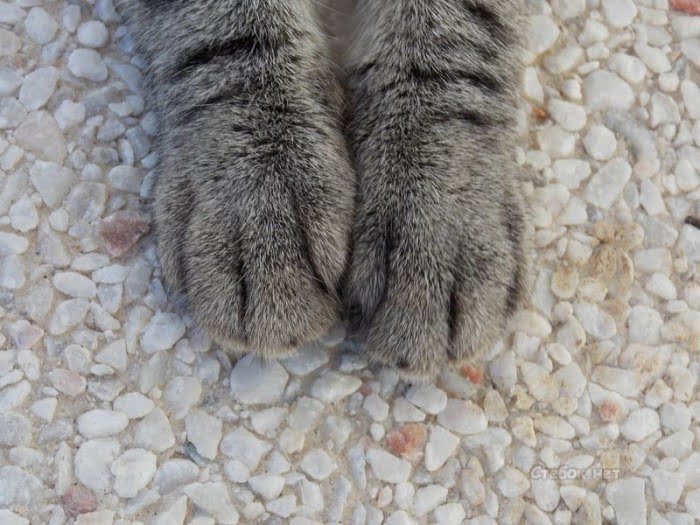
- Cats’ paws are incredibly flexible
The flexibility of their paws allows cats to perform many actions with incredible accuracy and dexterity.
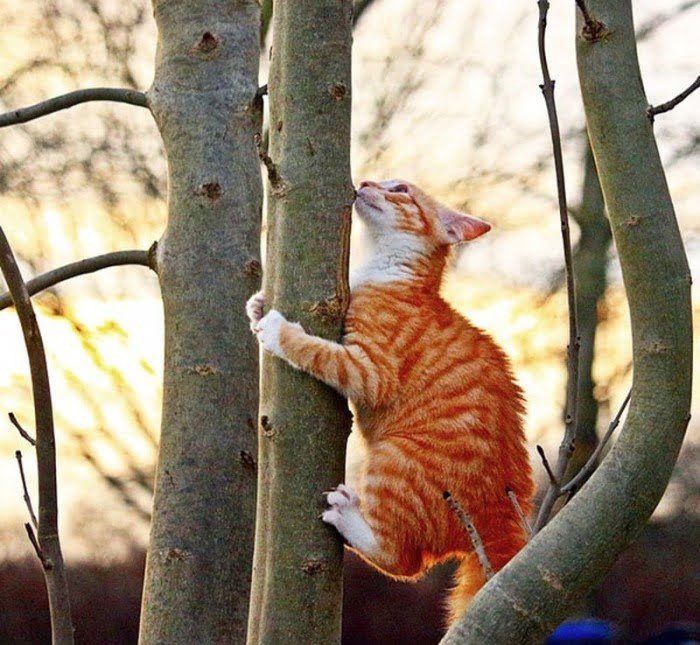
The flexibility of its paws allows cats to climb trees, walk up difficult walls, chase their prey, and hunt. The cat’s front paws can turn inward when required; this allows the cat to get a good grip on a tree with its claws and climb up the trunk without any effort. But cats can go down only backwards, which is extremely uncomfortable and scary for them. This is why cats often get trapped when climbing up a tree and have to call for rescuers.
Flexible paws help cats maintain their stability on thin branches. Only because of this flexibility can cats safely survive in the human world.
A cat’s front paws are weaker than its hind paws. The hind limbs are more muscular, allowing them to push off and leap into the air when they have to.
- Cat paws act as shock absorbers when jumping or falling from heights
Cat paws are also great shock absorbers and cushion landings from heights, especially on rough surfaces. Shock absorbers are handy when moving and hunting. Shock absorbers work when the cat falls from great heights. They also absorb any noise while walking or running, making these animals good and quiet hunters. Cats’ soft and multi-tasking paws make their movement smooth without any sound, so we never hear cats walking, even though they may be near or behind you.
When falling from a height, the paw pads absorb a lot of force as it hits the ground. The cat extends her legs and rolls her back, allowing her to land properly on her feet, and the shock absorber on her paws reduces the impact of the landing. The risk of injury is also greatly reduced when cats fall from great heights.
- A cat uses its paws to take care of its fur
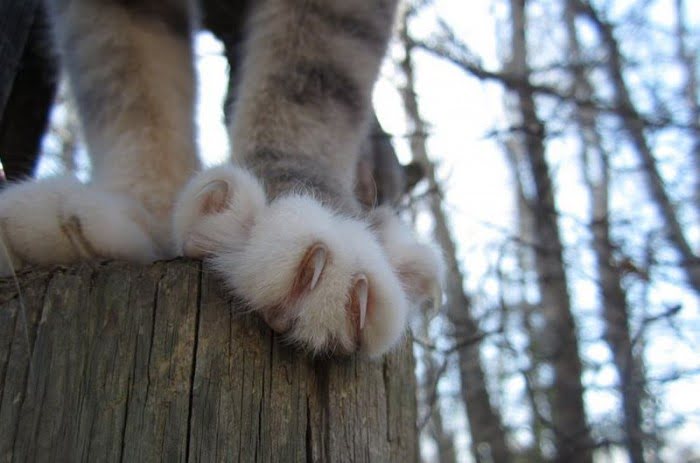
Most of the owners notice every day that cats are constantly licking their paws. This is the most common sight if you have a cat at home. Front paws are used by cats as the perfect tool for grooming their fur.
It allows the cat to reach areas of his body where his tongue cannot reach, such as the chin, around the muzzle and behind the ears. Cats wash themselves by first licking their paw and then wiping the area they want to clean with it. The cat pauses to lick and wet its paw again. This process continues until the cat is satisfied with the end result. A cat grooming its paws is a sight that makes you feel that your cat is relaxed and wants to spend some time in peace. Kittens begin the self-care process when they are four weeks old.
- Cats sweat through their paws.
Do cats sweat through their paw pads? Yes, have you ever noticed small wet spots on your floor where your cat has passed, which indicates that cats sweat through their paws.
Feline sweat glands are found only in the paws. Cats’ paws secrete sweat when the animal is hot or frightened. The cat sweats its paws out of fear, and you must have noticed this when you took it to the vet for a checkup.
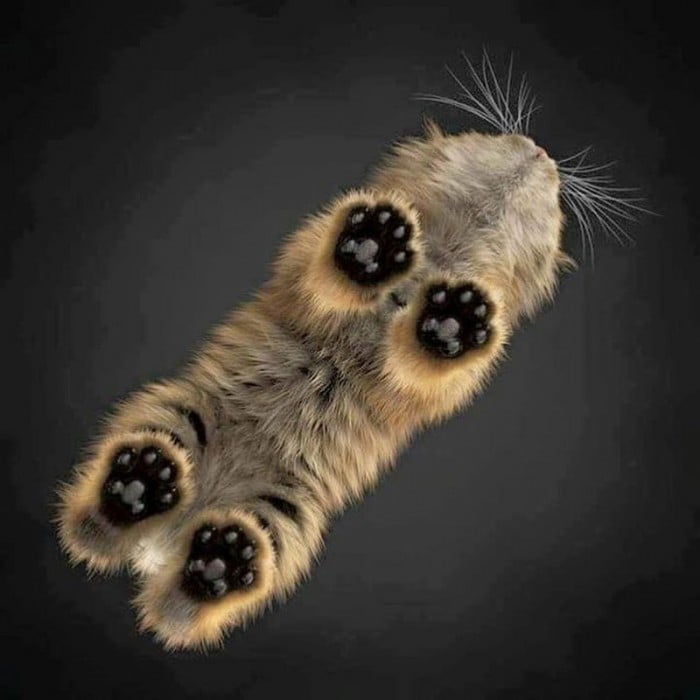
To cool down, a cat resorts to breathing heavily or licking its fur. But unlike dogs, panting in cats is more often related to stress, while dogs pant more because of the heat. Although the cat is a desert animal and adapts well to hot and humid weather, they still need to cool down. Sweat glands on the paws prevent the cat’s body from overheating, especially in hot weather.
- Cats’ paws are used for communication
Cats use their paws extensively to communicate with other animals, their owner or other cats.
Cats leave scratches on objects to mark their territory and broadcast any information. Cats use their paws to communicate when they scratch things or objects around the house. Cats’ paws contain scent glands, and when they scratch any surface, they leave pheromones behind them. The pheromones contain a complete message that other cats or animals sniff out. The scent is present on both their front and back paws. The scent on objects is filled with information about scratching. Cats also scratch areas after they spray them with urine
10.Cats’ paws vary in color
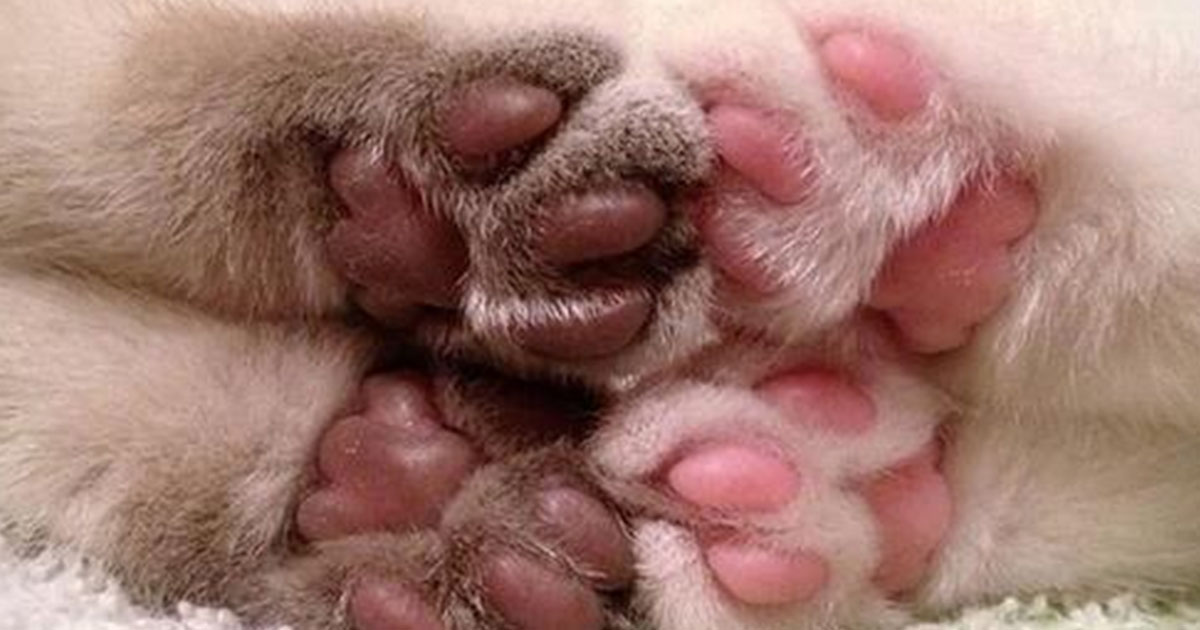
Did you know that the color of the pads on a cat’s paw is related to the color of their pelt? A dark colored cat will have dark or colored paw pads, white colored cats will have paws with light pink pads, and red colored cats have orange paw pads, and tabby colored cats may sometimes have brick or gray paws.
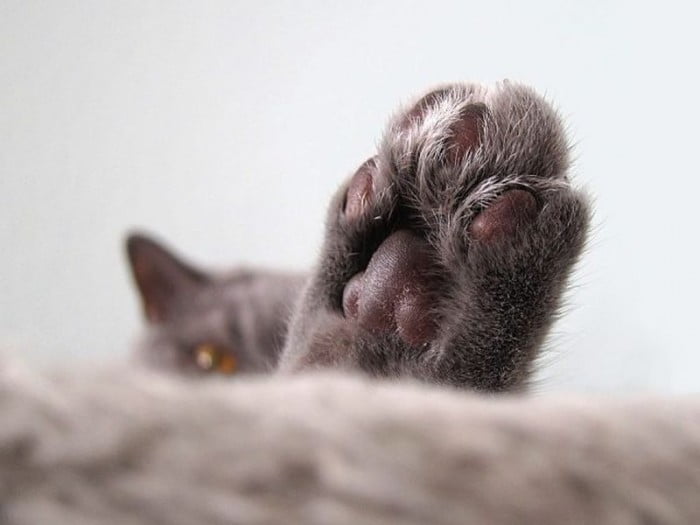
If your cat is colorful, there’s always a chance that your cat’s paw pads will also be colorful.
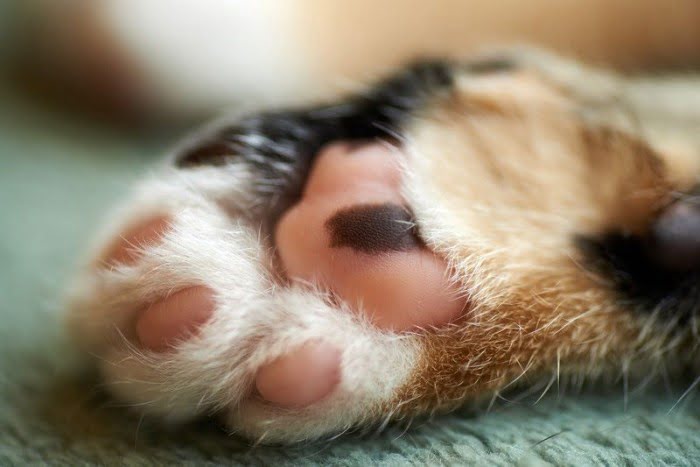
The main reason for this is the pigments that form the color of their fur, it also stains their skin.
- Cats’ paws come in many shapes and sizes
Humans have unique fingerprints, but cats do not have unique pawprints. Cats will have different shapes and sizes for their paws depending on the breed.