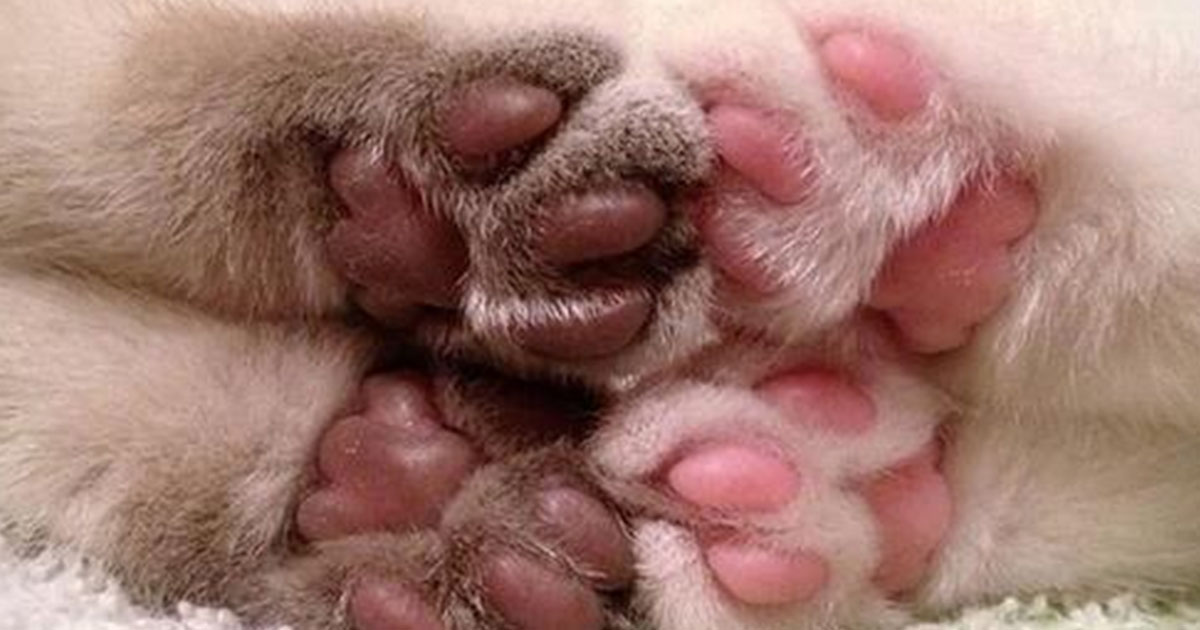
Oriental type cats, such as Siamese, have oval shapes and thin feet. Maine Coon cats, on the other hand, have wide and large paws that blend well with the cat’s massive body.
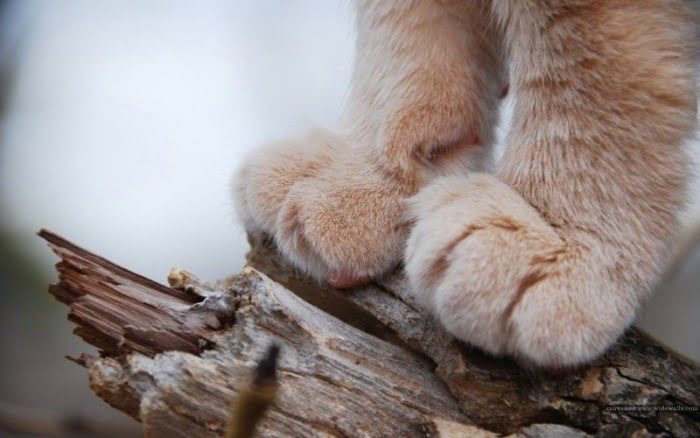
- Cat paws can tell the temperature of cats
Cat paws can report a cat’s body temperature according to a report in Japan. Many cat owners in Japan check whether their cat is healthy or has a fever simply by touching their paws.
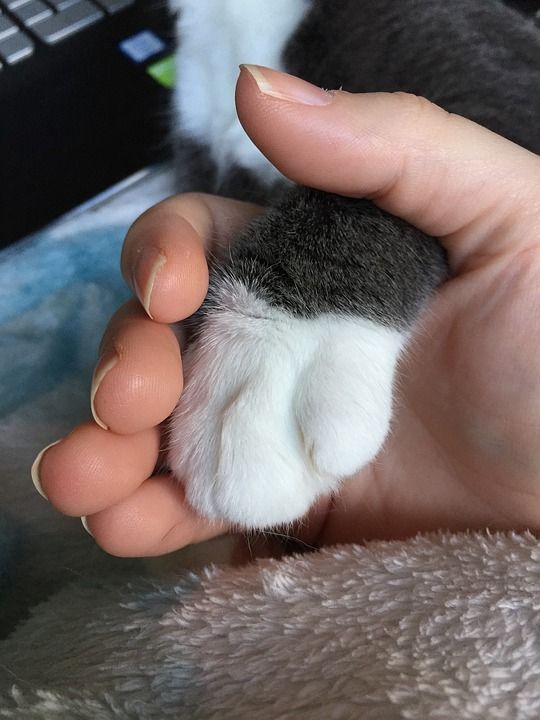
Although cats don’t like people touching their extremely sensitive paws, if your animal trusts you completely, you can train him to “tolerate” your touch to detect illness at an early stage and take the cat to the vet.
It is true that I have learned to detect fever in my cats by gently touching the inner skin on their ears.
- Cat paws hide sharp claws
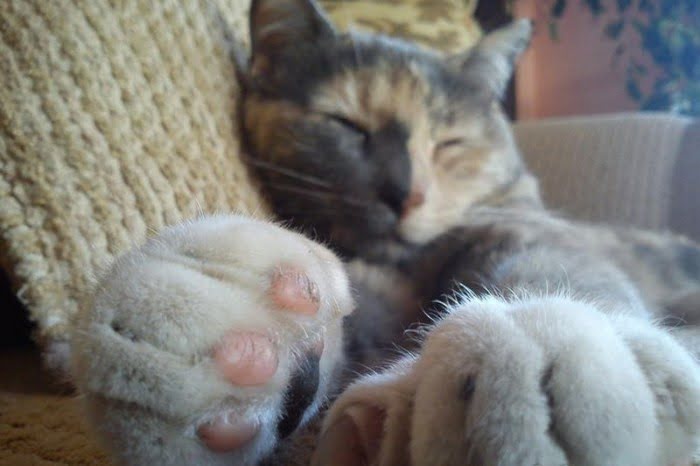
Claws are part of a cat’s paw.
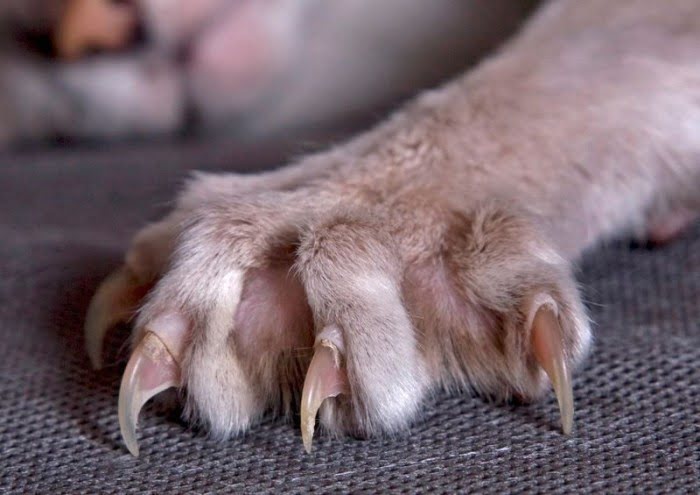
Claws have many unique functions – they allow cats to climb vertical surfaces and up trees, dig in the ground, defend themselves from enemies, grab and even attack their prey.
When at rest, the claws are hidden inside the paw.
- Cat scratch disease
If you have a mentally healthy and non-aggressive cat, in most cases the claws on the cat’s paws are not much of a threat to humans.
When playing, the claws are hidden, and accidental scratches usually heal quickly.
However, in rare cases the cat scratches can turn into a serious illness – benign lymphoreticulosis (cat scratch disease). Treatment – in the hospital, to consult a doctor necessarily. Symptoms are inflammation of the lymph nodes, fever and general intoxication. Persistent immunity develops after the disease. For prevention, disinfect all accidental scratches on the skin.
- Cats’ paws need care and attention.
Cats need healthy paws to run, climb, fight, scratch and hunt. That’s why it’s important to keep them healthy and strong with regular checkups.
Paws should be free of wounds, cuts and infections.
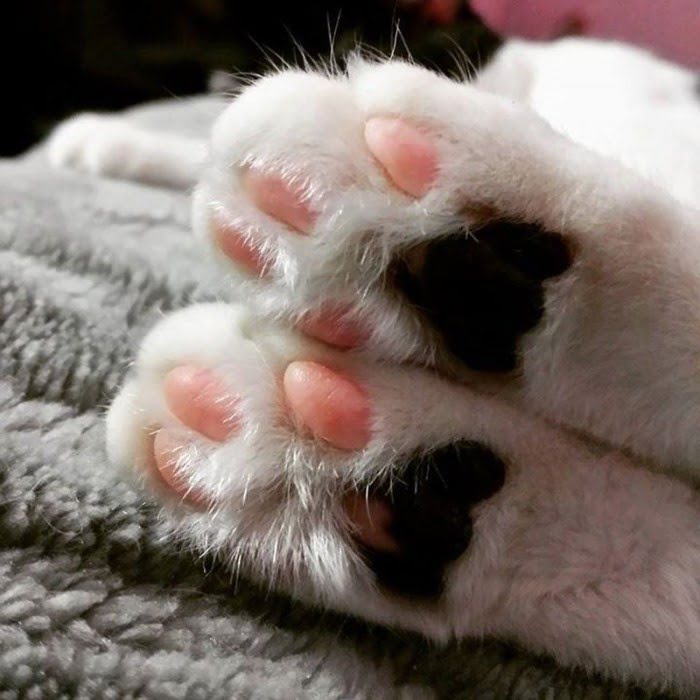
Dirt, litter and household chemicals should be kept away from cats so that they do not hurt their delicate paws. You should regularly check the skin between their paws to make sure there are no sharp particles, dirt, sores or allergies lodged there.
For the same reason, the floors in a home with cats should be cleaned regularly. Cats lick dirt off their paws and can get serious infections brought on their feet from the street.
If you have dogs living in the house, in addition to cats, you need to be especially careful to wash their paws with protective shampoo after every walk.
I try to wipe my cats’ pads once a week with chlorhexidine (0.05%) to protect them from possible infections.
Nails must be trimmed a couple of times a month with special clippers. This should be done very carefully, and preferably in a bright light, so that you can see where the vessel inside the claw lies. Always keep a cotton pad soaked in hydrogen peroxide on hand when trimming claws to stop bleeding if you hit a vessel.