
That evening, I was particularly keen to look put-together and appropriate, so I put on a shirt I usually save for special occasions. My daughter gave it to me a while back, and since then it’s become something of a little symbol of confidence for me: you put it on, and it’s as if you immediately stand a bit straighter.
On the way, I popped in to buy some wine. I didn’t want anything too fancy, nor anything too plain. I needed something that would go well with a quiet dinner and a leisurely conversation. I stood by the shelf for a few minutes, choosing between two bottles, and recalled how Larisa had once casually mentioned that she preferred dry red. In the end, I picked up a bottle with a neat label depicting an old castle.
As I drove to her place, I didn’t even notice when I started smiling. There was no particular reason for wild joy, but a quiet hope lived within him: perhaps today would be one of those rare, peaceful evenings when there was nothing to prove to anyone and they could simply be together.
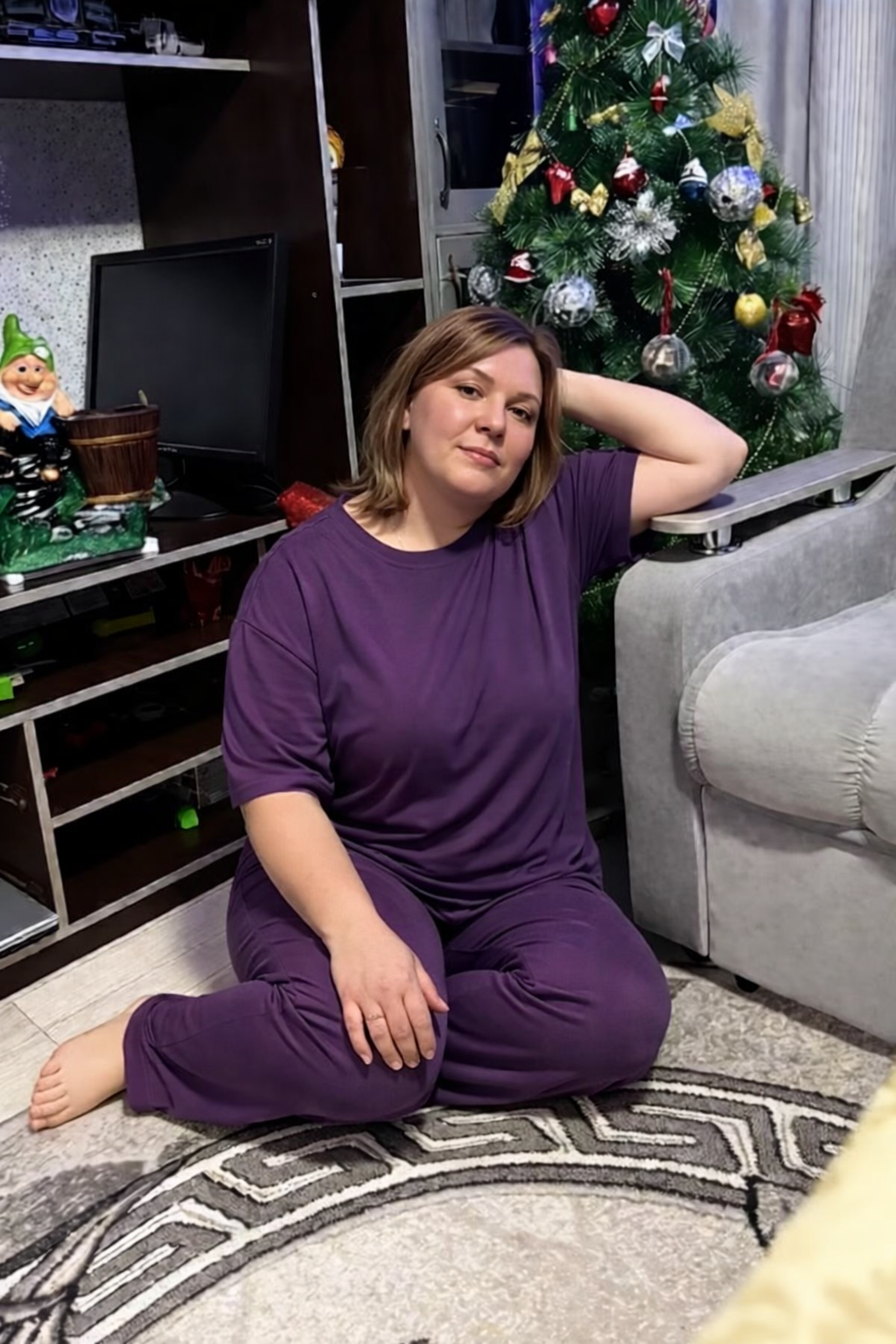
That very shirt gave him confidence
The bottle of wine was a gesture of thoughtfulness, not a formality
An image of a warm, grown-up evening without any fuss was already taking shape in my mind
We met on a dating site. At forty-nine, it still feels a bit awkward to me, but after a divorce, you often find yourself in situations you’d never have imagined yourself in before. I signed up late at night, and in the morning I reread my profile and almost deleted it: it all seemed too cautious, too reserved. I think it said something like: ‘Looking for interesting conversation, and we’ll see how it goes from there.’ The wording was clumsy, but honest.
Larisa messaged me first. Just one sentence: ‘You have a nice smile in the photo.’ I spent about ten minutes thinking how to reply without sounding silly, and in the end I sent: ‘I think this is the only shot where I’m not blinking.’ After that, the tension seemed to vanish instantly. The conversation flowed easily.
Later, she admitted that she’d already had a profile: she’d created it, then deleted it, then come back again. And it seemed she couldn’t quite explain to herself why. Although, to be honest, we both understood the reason perfectly well. After break-ups, evenings become too long. And the silence in the flat sometimes weighs heavier than any conflict.
Loneliness makes a person both bolder and more cautious: it draws you towards warmth, but you’re afraid of missing the mark again.
We’d met three times before that evening. First for coffee, then a walk, then dinner at a small restaurant. Larisa laughed easily, occasionally brushing against my arm when she wanted to emphasise something. And after each meeting, I found myself thinking that everything was progressing smoothly and naturally. No unnecessary games, no emotional ups and downs, no strange uncertainty that usually plagues online encounters.
When she wrote: ‘Come round to my place on Friday, I’ll cook dinner,’ I reread the message several times. Not because I didn’t understand it, but because I was afraid of reading more into it than was actually there. But the invitation sounded clear, warm and almost homely.
The door opened immediately, as if she’d already been standing there waiting for the doorbell. Larisa was wearing an elegant dress — simple, beautiful, and very flattering. She looked lovely, but right from the first moment, something inside me tensed up. Not because of her appearance. Because of the atmosphere.
Instead of a light greeting — a curt and brief ‘come in’
Instead of her usual gentleness — a palpable distance
Instead of a warm smile — an expression as if she were facing an unpleasant conversation
She didn’t ask how my journey had been, didn’t say she was glad to see me. Just: ‘Come in.’ And it didn’t sound like an invitation to a cosy evening, but like the start of a conversation from which no one expects any light-heartedness.
Everything in the flat was immaculate: clean, tidy, peaceful. Not a single unnecessary item; everything was in its place. The smell of roasted meat and herbs wafted from the kitchen—I think they were cooking chicken. I handed her the wine. Larisa took the bottle in silence, placed it on the table… and didn’t even attempt to open it. That gesture spoke volumes without a word.
‘Sit down,’ she said, gesturing towards the sofa.

I sat down. She settled down opposite me, not close by and not in the way people usually sit for an intimate conversation, but with a noticeable, almost deliberate distance. And at that moment I finally realised: things were going to turn out quite differently from how I’d imagined on the way here.
She paused for a moment, as if gathering her courage, and then spoke. From the sound of her voice, it was immediately clear: this wasn’t going to be a cosy evening at home, a leisurely dinner, or an attempt to grow closer. It was the sort of conversation after which people usually leave before the food has had time to get cold.