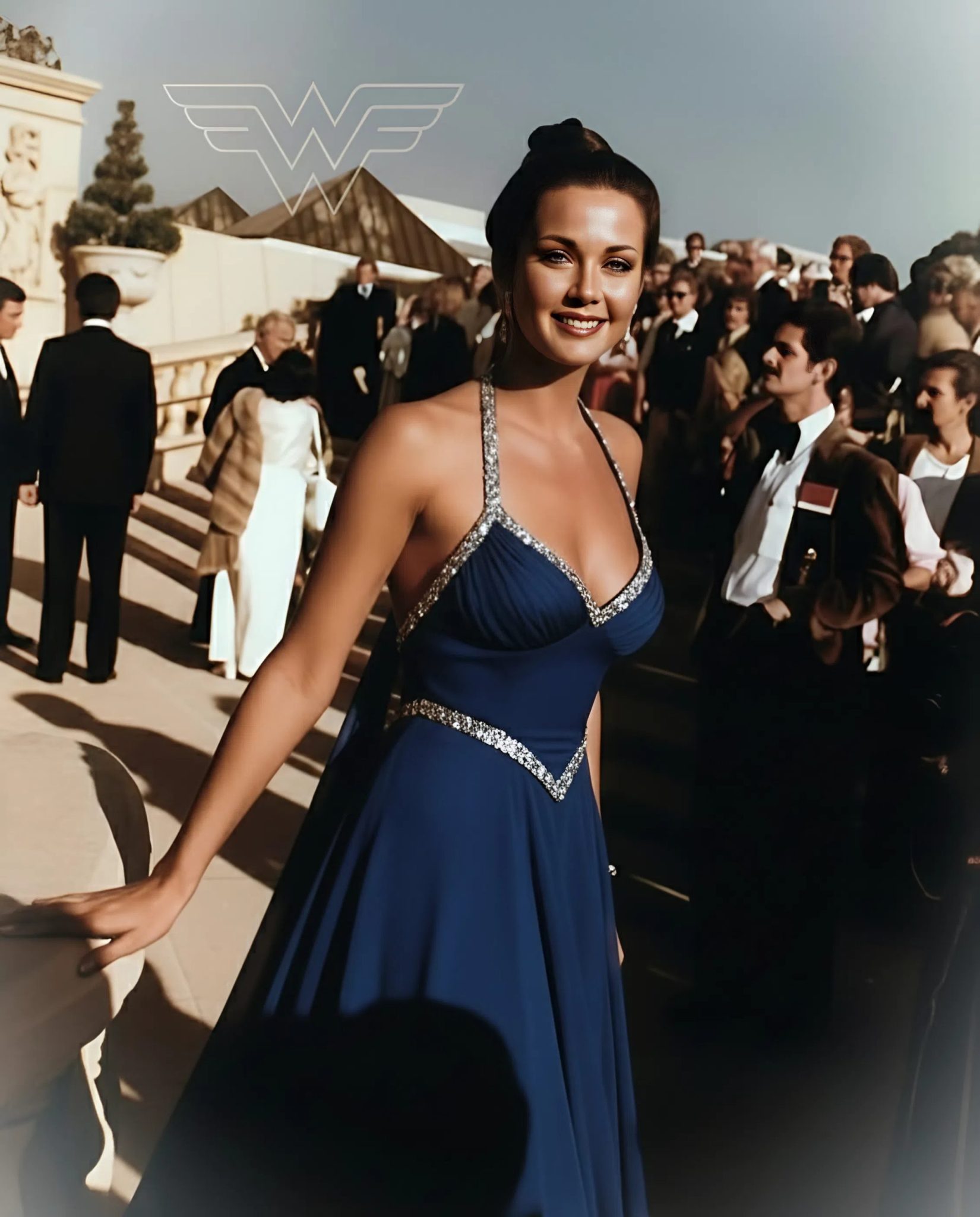
Lynda Jean Carter was born on July 24, 1951, in Phoenix, Arizona, and grew up in a culturally diverse family — her father of English and Irish lineage, her mother of Mexican, Spanish, and French heritage.
From childhood, she showed a natural inclination for performing. She appeared on local talent shows, early signs of the entertainer she would one day become.
As a teenager and young adult, she devoted herself to music: singing, playing in local bands, and touring throughout her late teens and early twenties.
Some of her first musical endeavors included groups such as The Relatives and The Garfin Gathering, performing live in clubs and various venues.
This musical foundation was not merely incidental — it shaped the artistic core she carried into her later career. Her love for singing and performing stayed central even after she achieved recognition as an actress.
As Carter once expressed: “People have tried to put me in a box my whole life… I’ve gone my own way and have tried to approach my career from a gut level, doing what I thought was right.”
From Pageant Stage to Wonder Woman: Where Fate and Opportunity Met
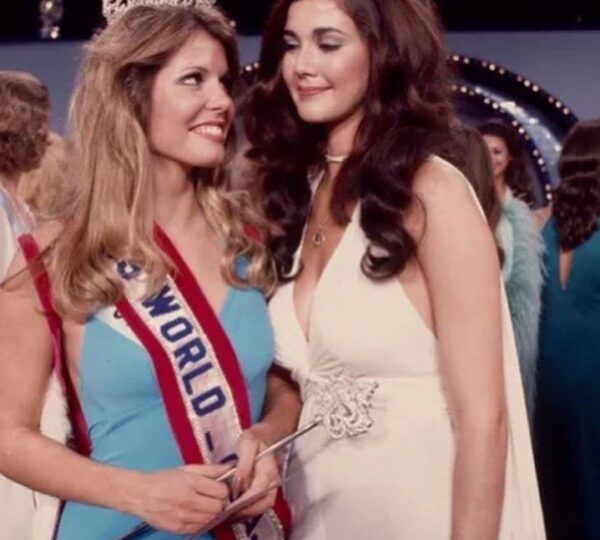
In 1972, Carter earned the title Miss World USA — a milestone that introduced her to a national audience and paved the way for opportunities in entertainment.
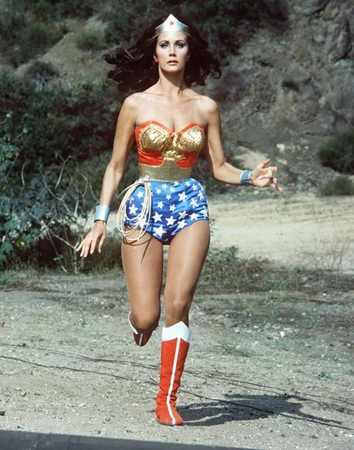
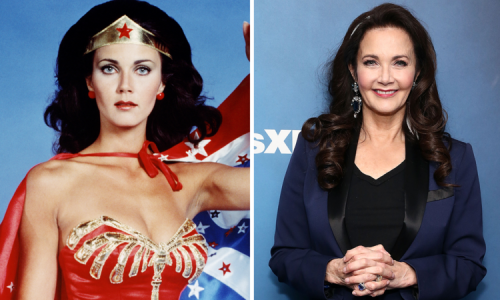
After relocating to Los Angeles to pursue acting and music, she auditioned for and won the role of Wonder Woman / Diana Prince in the television series Wonder Woman.
The series premiered in 1975 and continued until 1979, with Carter’s portrayal helping turn the character into a global pop-culture icon.
What distinguished her performance was not the costume alone, but the humanity she brought to the role — dignity, kindness, strength, and warmth.
Her interpretation touched viewers worldwide, especially at a time when female action heroes were scarce. She proved a heroine could be both powerful and profoundly human.
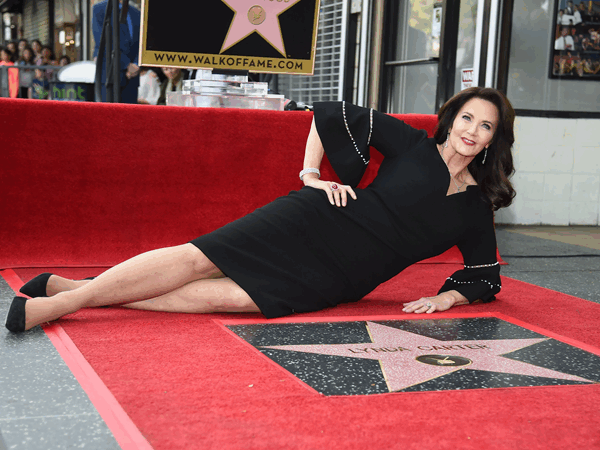
Reflecting near the 50-year anniversary of her debut, she remarked: “We all are Wonder Women… pulling together with one spirit.”
Evolution and Reinvention: A Life in Music and Acting
Carter did not remain defined solely by Wonder Woman. Instead, she explored, experimented, and continued to grow artistically.
In 1978, she released her debut album, Portrait, co-writing several of its songs, two of which later appeared in an episode of Wonder Woman.
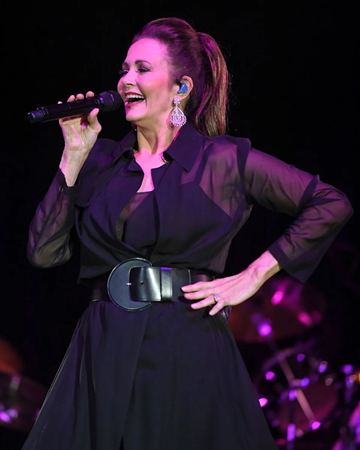
Over the years she performed worldwide, including at respected venues such as the Kennedy Center in Washington, DC, and Lincoln Center in New York, cultivating a devoted musical following.
Her acting career carried on as well. Some of her more recent work includes:
A recurring role (2016–2018) in the TV series Supergirl, portraying the President of the United States.
A cameo in the 2020 film Wonder Woman 1984.
Appearances in films such as The Cleaner (2021) and Super Troopers 2.
She also embraced new media, contributing her voice to major video-game franchises, merging her musical and storytelling talents.
Throughout interviews, she has spoken about the rhythms of public life, the challenges of balancing work and family — particularly after becoming a mother — and the need to stay grounded in one’s values.
After her early years of motherhood she admitted, “I probably would want to go back to work sometime,” expressing her belief in nurturing both personal and professional purpose.
Activism and Advocacy: Using Fame to Serve
Carter’s lasting impact extends beyond her artistic achievements — it also rests in her commitment to advocacy.
After her mother, Juanita Córdova Carter, was diagnosed with Alzheimer’s disease in 2003, Carter devoted herself to supporting individuals and families affected by the condition.
She collaborates with organizations including the Alzheimer’s Drug Discovery Foundation and The Women’s Alzheimer’s Movement, helping drive awareness and research efforts.
She maintains a balanced lifestyle — attentive eating, regular fitness, and mental well-being — partly in honor of her mother, partly as an expression of strength and self-care.
Carter also supports a broad spectrum of causes, from cancer research and disability rights to gender equality and social justice.
Since 2024, she has served on the advisory council of the Smithsonian American Women’s History Museum, advancing the recognition of women whose stories have been overlooked.
In her public statements, she reinforces her belief that art — whether through music or acting — can act as “a tool for change,” capable of healing and inspiring connection.
Struggles, Truth, and Courage: The Reality Behind the Fame
Carter has never shied away from discussing hardship. She has addressed personal challenges candidly, challenging stigmas in the process.
She has spoken publicly about her battle with alcoholism, her entry into rehab in the late 1990s, and her long-term sobriety — a testament to her resilience.
Even during her Wonder Woman years, she experienced darker facets of the entertainment industry.
She has shared accounts of harassment, demonstrating that real strength sometimes lies in confronting adversity openly.
Following the death of her husband, Robert Altman, from blood cancer in 2021, she faced tremendous grief.
She has spoken with honesty about that loss and turned to music and advocacy as avenues for healing, including releasing the song Letters From Earth in his memory.
Her life reveals that beyond the celebrity spotlight exists a human being — navigating hardship, loss, recovery, and continual reinvention.
Legacy and Significance: Why Lynda Carter Endures
What does Carter symbolize, particularly in today’s world?
Empowerment and Representation — Through Wonder Woman, she gave women everywhere a model of strength, empathy, and courage.
Her portrayal continues to shape how generations imagine female heroes.
Artistic Adaptability — Her path demonstrates the capacity to evolve: from pageants to television, to singing, to voice acting, to activism.
She defied labels and pursued creative freedom at every stage.
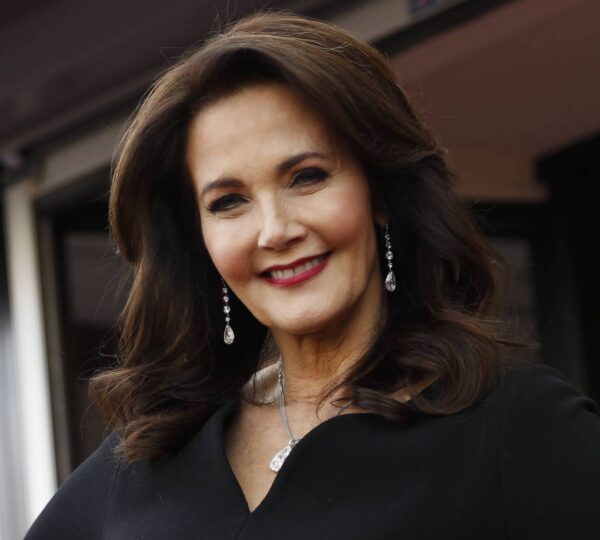
Honesty and Vulnerability — By speaking openly about addiction, grief, aging, and loss, she models authenticity.
She shows that fame is not a shield from pain, but can be a platform for truth.
Advocacy and Social Responsibility — Her voice bolsters awareness for mental health, Alzheimer’s research, women’s rights, equality, and justice.
Her influence extends well beyond her artistic work.
Enduring Relevance — As she said near the 50-year mark of Wonder Woman’s legacy: “We all are Wonder Women.”
Her message of unity, inner strength, and dignity continues to resonate.
Selected Quotes That Reflect Her Essence
“People have tried to put me in a box my whole life. I’m too tall. I’m too pretty. Too Miss USA. Wonder Woman. Prettiest woman in the world. And all of that. It doesn’t matter because I’ve gone my own way and have tried to approach my career from a gut level, doing what I thought was right.”
On addressing social challenges, she has said: “I’m just not afraid.”
In the End — Why Lynda Carter Is More Than a Cultural Icon
Lynda Carter’s journey is exceptional — not only for its early rise or iconic status, but for its depth: decades of creativity, integrity, resilience, and purpose.
She illustrates that true heroism lies not in superhuman feats, but in compassion, perseverance, and humanity.
Her trajectory challenges any belief that fame must be fleeting or superficial. Instead, she demonstrates that fame can amplify truth — through music, activism, vulnerability, and hope.
For countless admirers, she remains a symbol — a reminder that heroes can suffer, recover, fight again, and continue to shine.
She shows that legends can age with grace, transform, and grow richer across time — and that real strength is found in authenticity, using one’s voice, and embracing one’s full humanity.