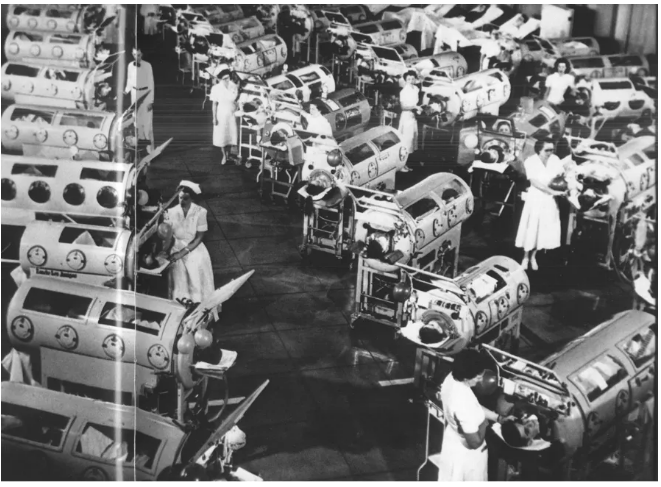
Before the advent of vaccines, polio was one of the world’s worst diseases, paralysing or killing thousands of people every year. In the US, the worst was the 1952 outbreak, when nearly 58,000 cases were reported – leaving more than 21,000 people disabled and killing 3,145 people, mostly children. Polio does not damage the lungs directly, but affects motor neurons in the spinal cord, disrupting the connection between the brain and the muscles needed for breathing.
For the sickest patients, survival often meant confinement in an ‘iron lung’ – a mechanical respirator that kept them alive by forcing air into their paralysed lungs. Hospitals had rows of these towering cylindrical machines filled with children fighting for their lives. One image of these ‘mechanical lungs’ is enough to convey the devastating impact of polio, a chilling reminder of the fear and uncertainty that gripped families before the vaccine became available in 1955.
Even for those who emerged from the iron lung, life was never the same again, often remaining disabled. But the photograph above – the endlessly stretching rows of iron lungs – testifies to both the human cost of the epidemic and the resilience of those who fought to overcome it.
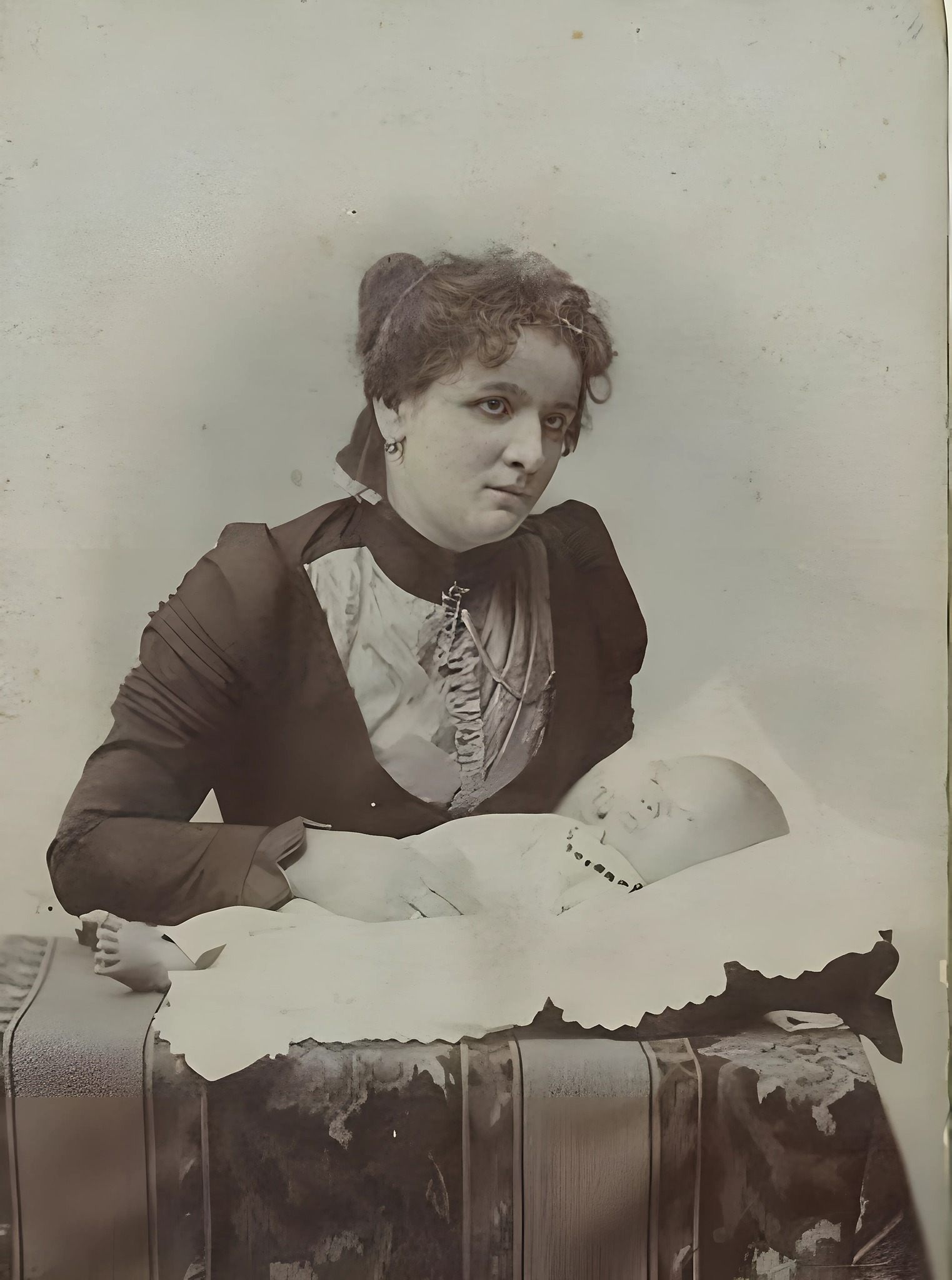
A young mother and her dead child (1901)
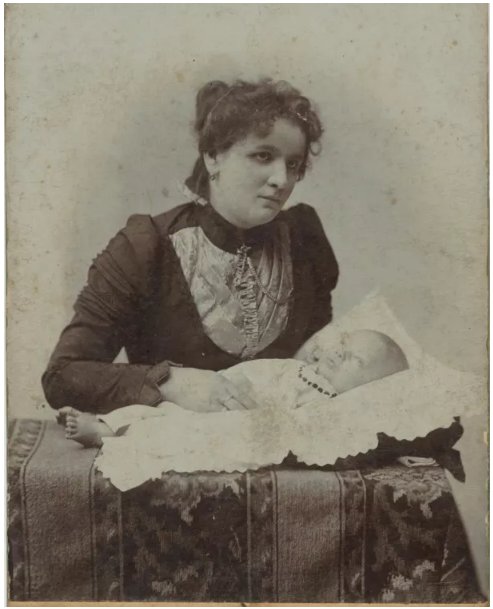
The ghostly image of Otilia Januszewska holding her recently deceased son Alexander in her arms not only captures a profound moment of grief, but also speaks to the Victorian tradition of posthumous photography. This practice, which became widespread in the mid-nineteenth century, served as a way to honour the deceased and preserve a final, tangible connection with loved ones, especially when the reality of death seemed too overwhelming.
The idea of reflecting on death is rooted in the concept of memento mori, which means ‘remember that you must die,’ and has deep historical roots. In the Middle Ages, reminders of death often appeared in paintings, and earlier cultures created trinkets depicting skeletons – a sombre but necessary acknowledgement of the fragility of life.
With the advent of photography in the nineteenth century, it became the perfect medium to make these reflections personal and intimate. Families who could now take photographs immortalised their deceased loved ones in an attempt to hold them so that their faces were always at hand. This allowed the living to grieve, but also created a strong bond, a sense of connection after death.
Interestingly, today, when a loved one passes away, we tend to focus on celebrating their life, often avoiding the harsh reality of their death – almost as if mentioning it directly was forbidden. In contrast, the Victorians embraced death enthusiastically, incorporating it into rituals that recognised its inevitable presence.
Posthumous photography, which reached its peak in the 1860s and 70s, was a key part of this process. It began in the 1840s with the invention of photography, and although not all Victorians were comfortable with photographing the dead, the practice became widespread, especially in Britain, the USA and Europe.
A 9-year-old female factory worker in Maine (1911)
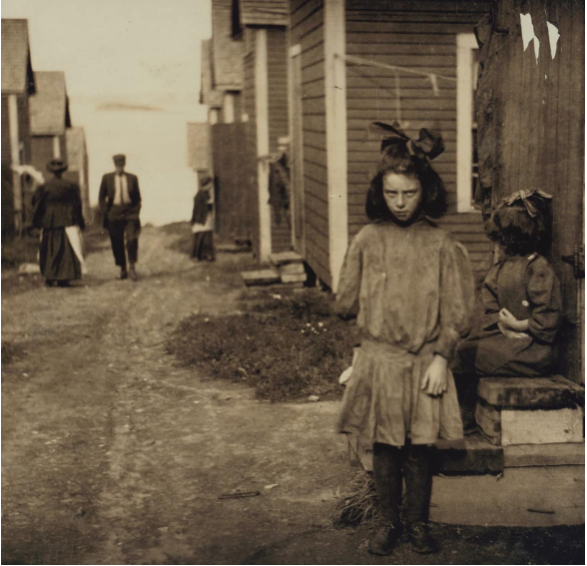
In 1911, life for many working class families in America was reduced to hard work, long hours and making ends meet.
For Nan de Gallant, a 9-year-old girl from Perry, Maine, summer meant only one thing: working at the Seacoast Canning Co. factory in Eastport, Maine. She wasn’t running around in the fields or playing with her friends – she was helping her family transport sardines, working long hours alongside her mother and two sisters.
Child labour was unfortunately common in early 20th century America, especially in industries such as canning, textiles and agriculture. Families were helped by every extra pair of hands. But for children like Nan, it meant sacrificing childhood. By age 9, she was already working, which unfortunately was not uncommon for children her age at this time. According to the U.S. Bureau of Labour Statistics, in 1910, 18% of children between the ages of 10 and 15 were working.
Maine had a law prohibiting children under 12 from working in manufacturing, but it did not apply to canneries that produced perishable foods. That law changed in 1911, but it’s hard to say how much of an impact it had on the lives of children like Nan.
James Brock pours acid into a swimming pool (1964)
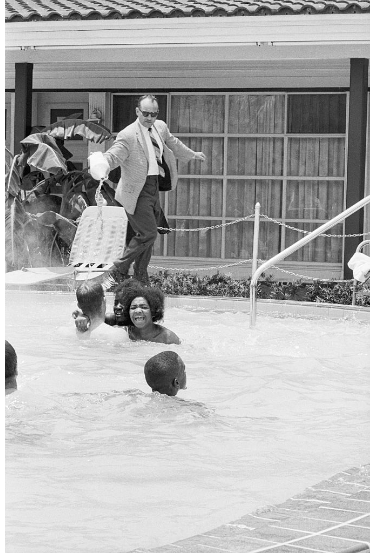
In 1964, a chilling photograph captured motel manager James Brock pouring muriatic acid into the Monson Motor Lodge pool to prevent black swimmers from using it.
The act followed an attempt by a group of black activists to integrate segregated space in St Augustine, Florida. Instead of allowing equality, Brock decided to destroy the pool.
The photograph, taken by Charles Moore, symbolises the deep-rooted racism of the time and the courage of those who fought for civil rights. Today, it serves as a reminder of how far we have come and how far we still have to go in the fight for equality. It teaches us resilience, the power of resistance, and the need to confront the uncomfortable truths of our history.