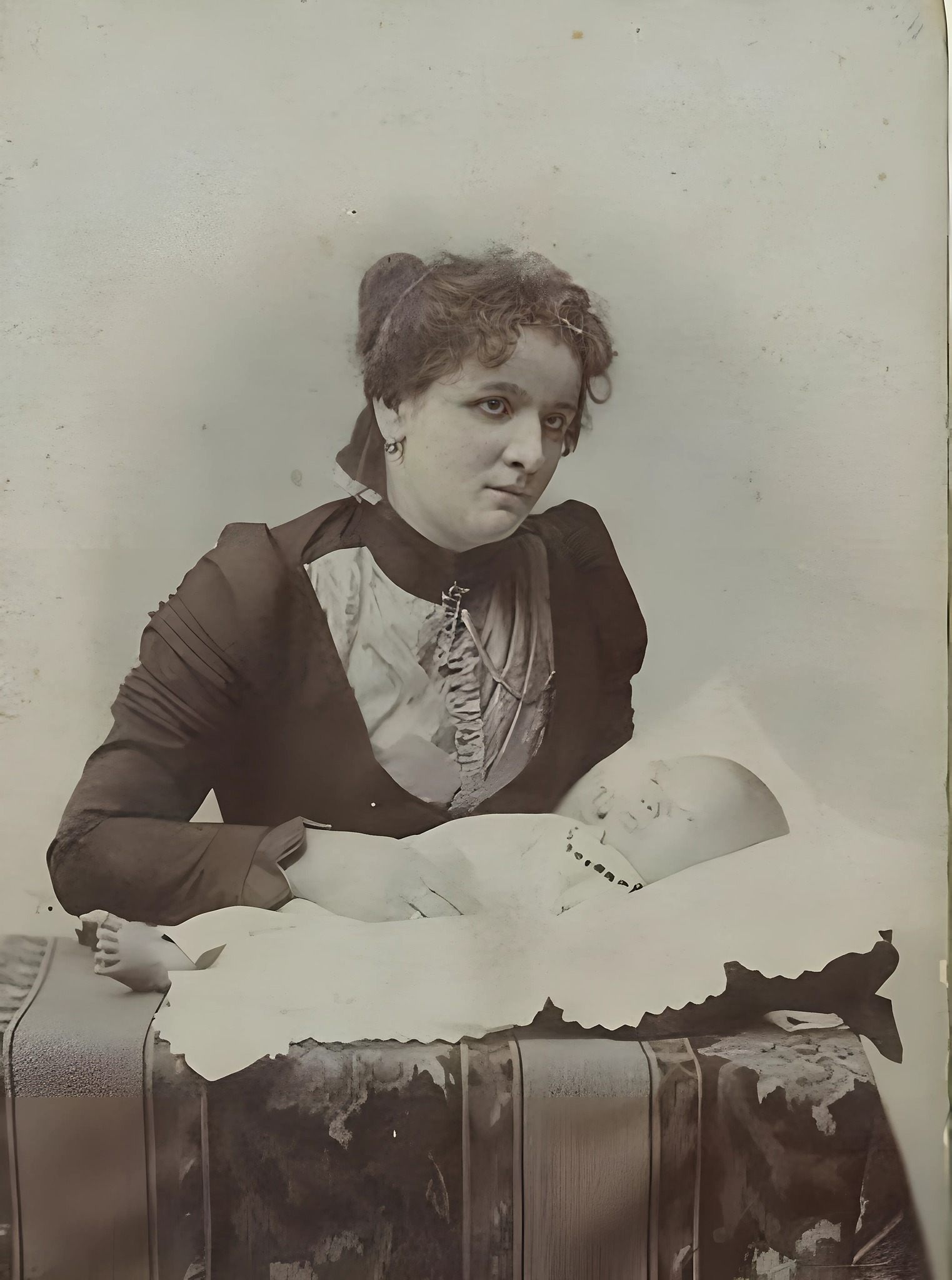
Coal miners return from the depths (C.1900)
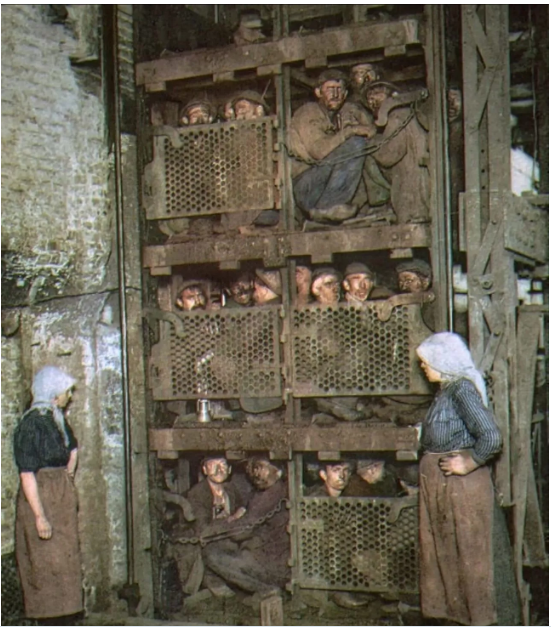
In the early 1920s, Belgian coal miners endured hard days underground, working in dangerous conditions to provide fuel for the growing industrial revolution. After hours of gruelling labour in the dark, they would cramp into a crowded lift and finally emerge into the light. The creaking of the lift and the quiet hum of their voices show how much they depended on each other.
Their faces, covered in coal dust, told a story of hard work and sacrifice. Every wrinkle and feature testified to how hard their work was for them, but at the same time reflected their pride in their labour. These men kept the industry moving, even if it was at the cost of their health and safety.
When they finally stepped out into the daylight, it was a vivid reminder of the contrast between the darkness of the mines and the bright light overhead. But even more than that, it was a reminder of their strength and resilience. They had each other, and together they kept going forward. Their bond, forged through their shared struggles, was the heart of their community – they faced hardship side by side no matter what.
Fingerprints of Alvin Karpis (1936)
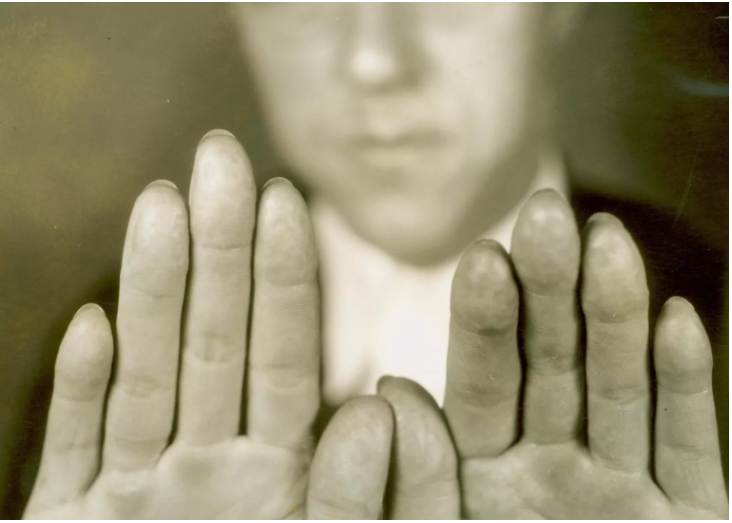
Alvin ‘Creepy’ Karpis, a notorious criminal of the 1930s, was a member of Barker’s gang and engaged in high-profile kidnappings. After leaving fingerprints on two major crimes in 1933, he attempted to erase his identity.
In 1934, he and fellow gang member Fred Barker had cosmetic surgery from Chicago doctor Joseph ‘Doc’ Moran. Moran altered their noses, chins and jaws and even froze their fingers with cocaine to scrape off fingerprints.
Despite these efforts, Karpis was caught in New Orleans in 1936, sentenced to life in prison and spent more than 30 years behind bars, including a stay on Alcatraz. He was paroled in 1969.
Halloween costumes in 1930
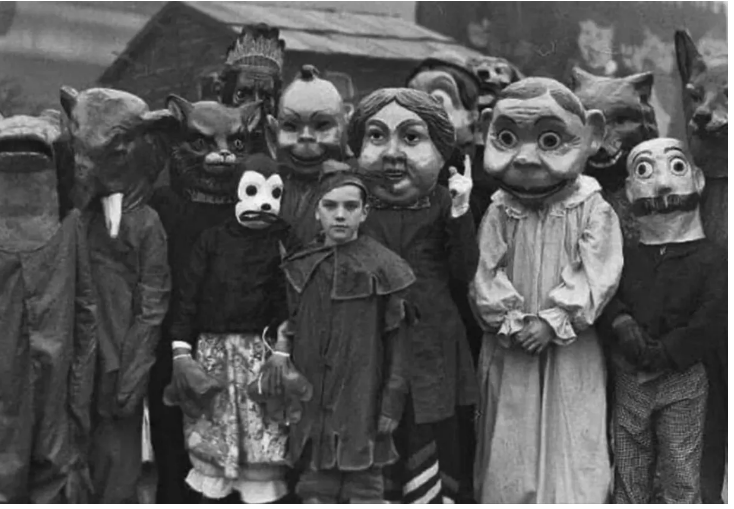
During the Great Depression, as violence and vandalism increased, communities began to create traditions such as handing out candy, having costume parties and organising haunted houses to discourage disorderly conduct. This era also saw more costume options for children, which added fun to the celebrations.
Two men making a death mask (c. 1908)
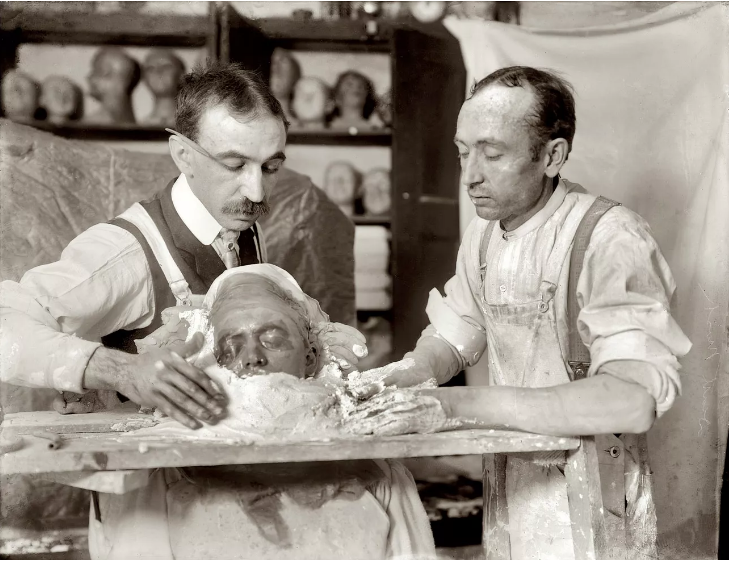
Death masks have long been used to preserve the appearance of the deceased. The ancient Egyptians, for example, created detailed masks to help the dead navigate the afterlife. Similarly, the ancient Greeks and Romans created statues and busts of their ancestors, laying the groundwork for the postmortem masks that came later.
What distinguished posthumous masks from other images was their realism. Unlike idealised sculptures, these masks were designed to convey the true features of the person, creating an indelible tribute. Famous figures such as Napoleon, Lincoln and Washington had posthumous masks made, which were then used for statues and busts that immortalised them long after their deaths.
Is there an image you missed or one you saw that you liked? What do you think of all these creepy paintings? Which one left the strongest impression? Feel free to share your thoughts in the comments