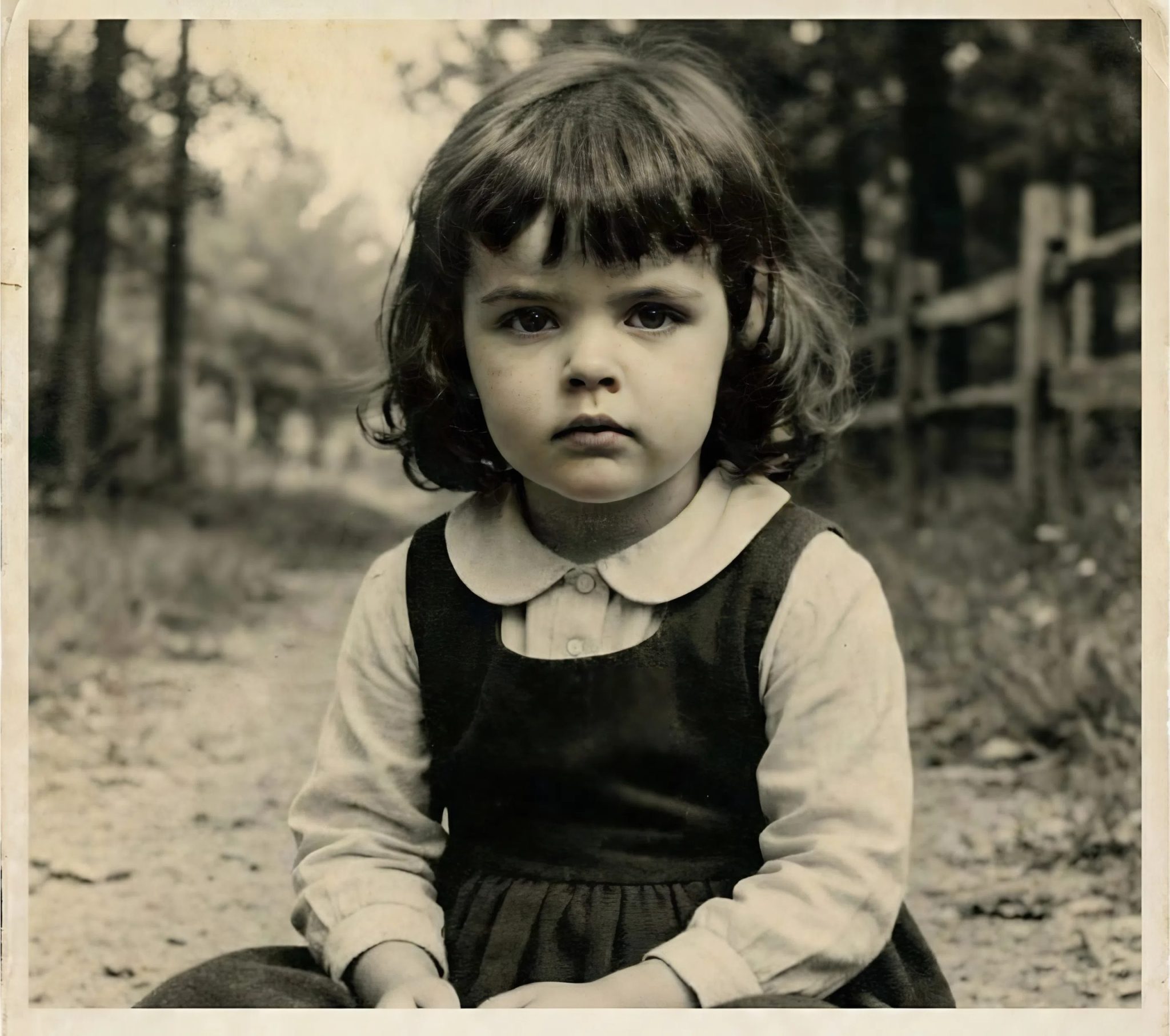
She grew up surrounded by turmoil — a childhood defined by instability, pressure, and a level of scrutiny no child should ever have to bear. Yet from that chaos emerged one of Hollywood’s greatest stars.
Tragically, the little girl behind the glittering costumes and iconic roles was thrust into fame while being controlled, criticized, overworked, and given pills simply to keep performing.
Behind the sparkle was a child fighting exhaustion, insecurity, and an industry that valued profit far more than her well-being.
Born in Minnesota
Understanding her early life not only explains the brilliance that later captivated audiences but also exposes the dark machinery of early Hollywood — the pressure that shaped her adulthood and the emotional scars that never fully healed.
Her life eventually became a cautionary tale for generations of child performers, proving that even the brightest legends often rise from deep suffering.
From an incredibly young age, the girl who would one day follow the Yellow Brick Road was already performing. Born in Minnesota, she made her stage debut before she even turned three.
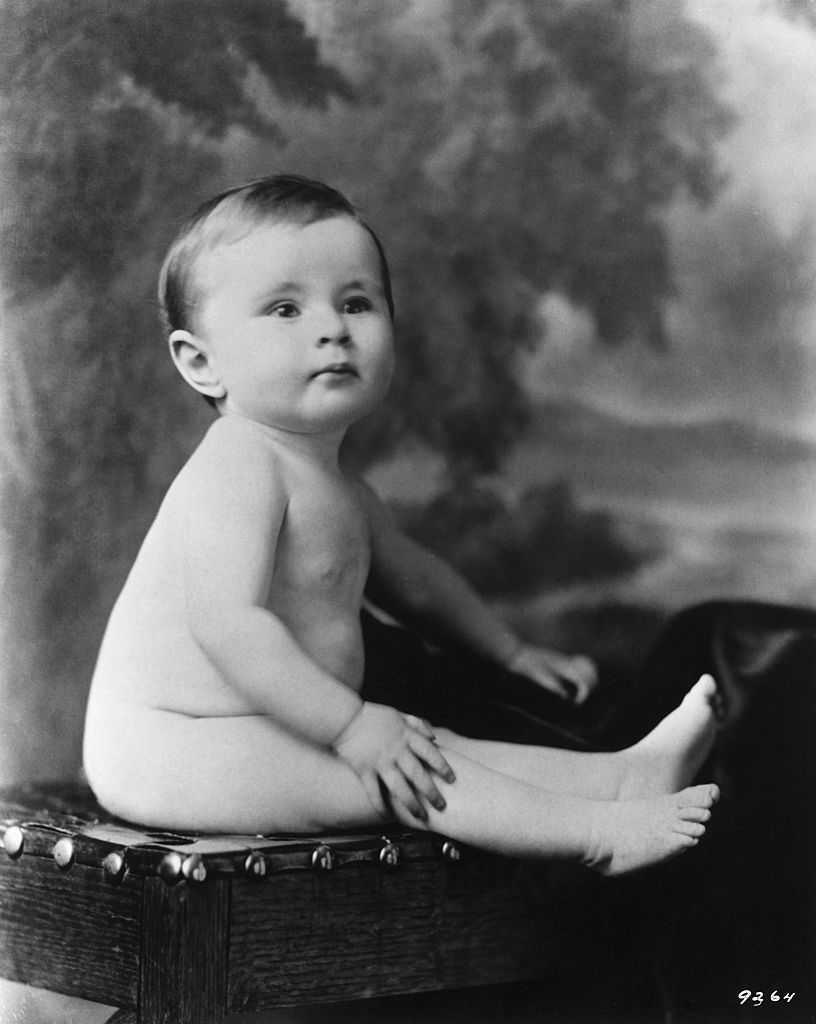
But her home life was far from magical. Her mother had reportedly sought an abortion but couldn’t obtain one, and the family lived under constant tension fueled by rumors about her father’s secret relationships with teenage boys and young men.
In June 1926, those whispers forced the family to quietly move to Lancaster, California.
Her parents, both vaudeville entertainers, had a marriage marked by repeated separations and reconciliations — moments she remembered with fear and confusion.
“It was very hard for me to understand those things and, of course, I remember clearly the fear I had of those separations,” she recalled.
Her mother was very jealous
As a little girl, she was taken into nightclubs to perform in environments wildly inappropriate for someone her age.
Biographers later reported that her mother routinely gave her pills to stay awake and others to sleep — a cycle that would plague her for the rest of her life.

As she admitted in 1963, “The only time I felt wanted when I was a kid was when I was on stage, performing.”
In a 1967 interview with Barbara Walters, she revealed that her mother was a “mean” stage mother.
“She was very jealous because she had absolutely no talent,” she said. “She would stand in the wings, and if I didn’t feel good, she’d say, ‘You get out and sing, or I’ll wrap you around the bedpost and break you off short!’ So I’d go out and sing.”
Later in life, she said her mother never wanted her, had tried to obtain an abortion before a medical student friend intervened, and even attempted to induce a miscarriage.
“She must have rolled down nineteen thousand flights of stairs and jumped off tables,” she would say.
Her mother even bragged to neighborhood women about the schemes and tactics she used.
Breakthrough
In 1935, she signed with MGM. Two years later, she made her first major screen appearance performing “You Made Me Love You (I Didn’t Want to Do It)” in Broadway Melody. It became the breakthrough she so desperately needed. Writer John Fricke explained:
“One movie would be wrapping up and she’d been in rehearsals for the next one. This overlapping went on from the late ’30s into the early ’40s.”
But even as her star rose, the studio fed her insecurities. Louis B. Mayer reportedly called her “my little hunchback,” and she was placed on a punishing regimen of cottage cheese, chicken broth, and amphetamine-laced diet pills to keep her weight down.

Producers feared audiences wouldn’t accept that such a small 13-year-old girl could sing with such power. Still, she pushed on. When MGM loaned her to Fox for Pigskin Parade, her performance was so impressive that MGM finally began offering her substantial roles.
Her father died of spinal meningitis
She had barely stepped off stage after a radio broadcast when she learned her father had died of spinal meningitis. Heartbroken, she continued working.
Film after film followed. She was already rehearsing Thoroughbreds Don’t Cry before the previous production ended, then moved immediately into Everybody Sing. Tours, radio appearances, promotions — the pace was relentless.
MGM quickly discovered her chemistry with young actor Mickey Rooney, and together the pair headlined a long run of successful films.
With that grinding schedule came something much darker: the pills she relied on to wake up, to sleep, to lose weight — a dependence that slowly turned into addiction.
Then came 1939, and the role that would define her.
As Darwin Porter and Danforth Prince later wrote:
“‘The Wizard of Oz’ marked a turning point in her career. It was the beginning of her later legend as she danced along the Yellow Brick Road in ruby slippers, which, decades later, would fetch big bucks at an auction.”