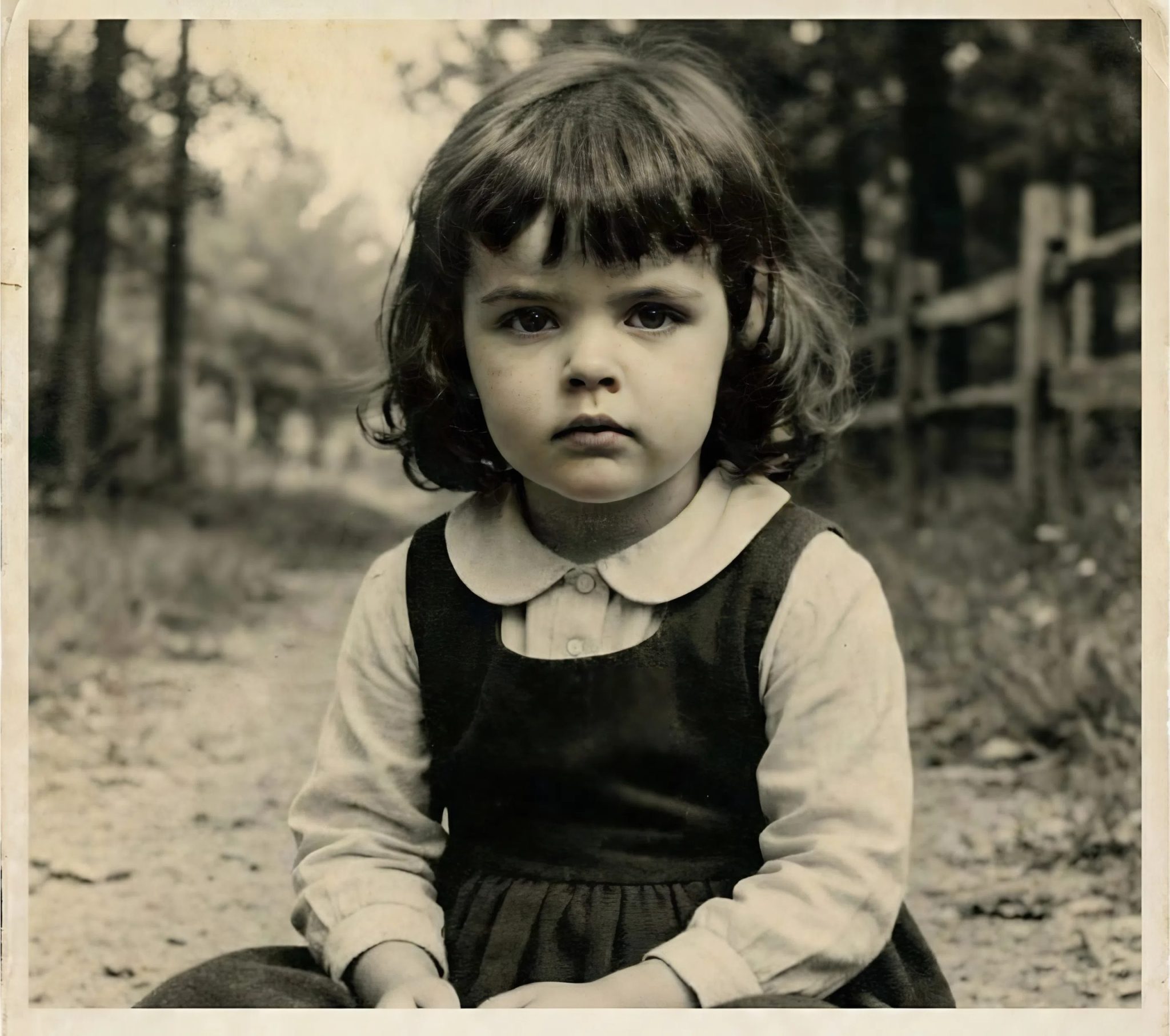
It was only after this unforgettable performance that the world finally learned her name:
Judy Garland.
“I’m the queen of the comeback”
The Wizard of Oz received critical acclaim, though its massive production and marketing budget — around $4 million at the time, roughly $71 million today — made it a financial gamble. The film transformed Garland into one of America’s most bankable stars.
She continued appearing in films such as Meet Me in St. Louis (1944) and Easter Parade (1946).
In 1954, she delivered what many consider her last truly iconic performance as Esther Blodgett (Vicki Lester) in A Star Is Born. Although she played the promising newcomer on screen, her real life more closely resembled Norman Maine — the celebrated star slowly losing control.
By age 32, she had already spent most of her life performing, her career rising and falling in tandem with her fragile mental and physical health — a pattern that persisted until her death 15 years later.
“I’m the queen of the comeback,” she said in a 1968 interview. “I’m getting tired of coming back. I really am. I can’t even go to… the powder room without making a comeback.”
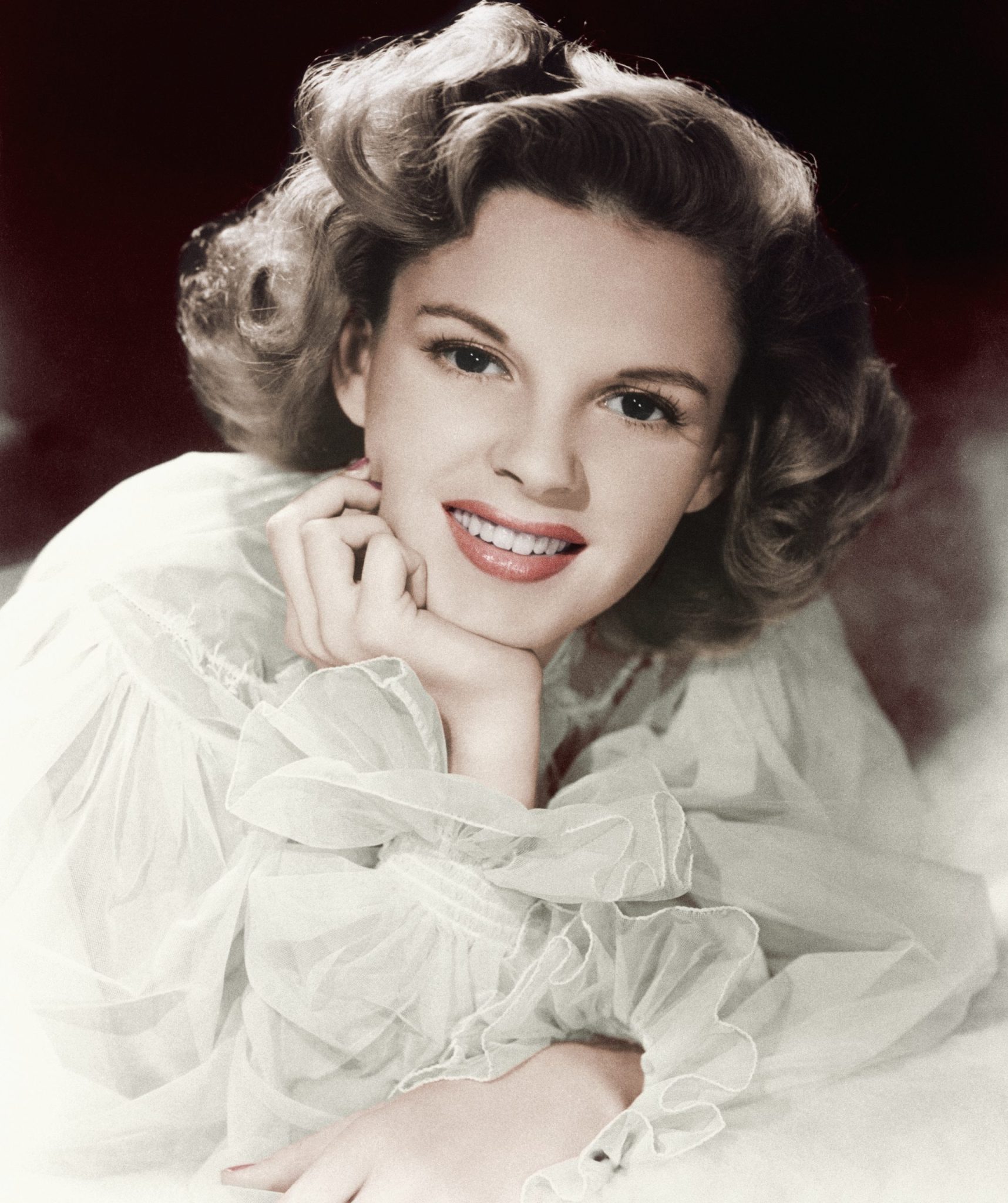
On June 22, 1969, Garland’s newlywed husband, Mickey Deans, broke down the locked bathroom door in their London apartment and found her dead at just 47. An autopsy revealed she had died from a self-administered accidental overdose of barbiturates, a widely used sleep aid at the time.
Coroner Gavin Thurston later stated:
“This is quite clearly an accidental circumstance to a person who was accustomed to taking barbiturates over a very long time. She took more barbiturates than she could tolerate.”
Her passing, though devastating, was not entirely unexpected. Those close to her — and even the public — were aware of her lifelong struggles with addiction.
Garland battled depression and alcoholism for years and had reportedly attempted suicide multiple times. Her third husband, Sid Luft, claimed she had tried to end her life at least 20 times.
Her life ultimately resembled a tragedy far more than the hopeful characters she portrayed. Despite extraordinary talent and success, she wrestled with low self-esteem — something many trace back to executives who repeatedly told her she was an “ugly duckling.”
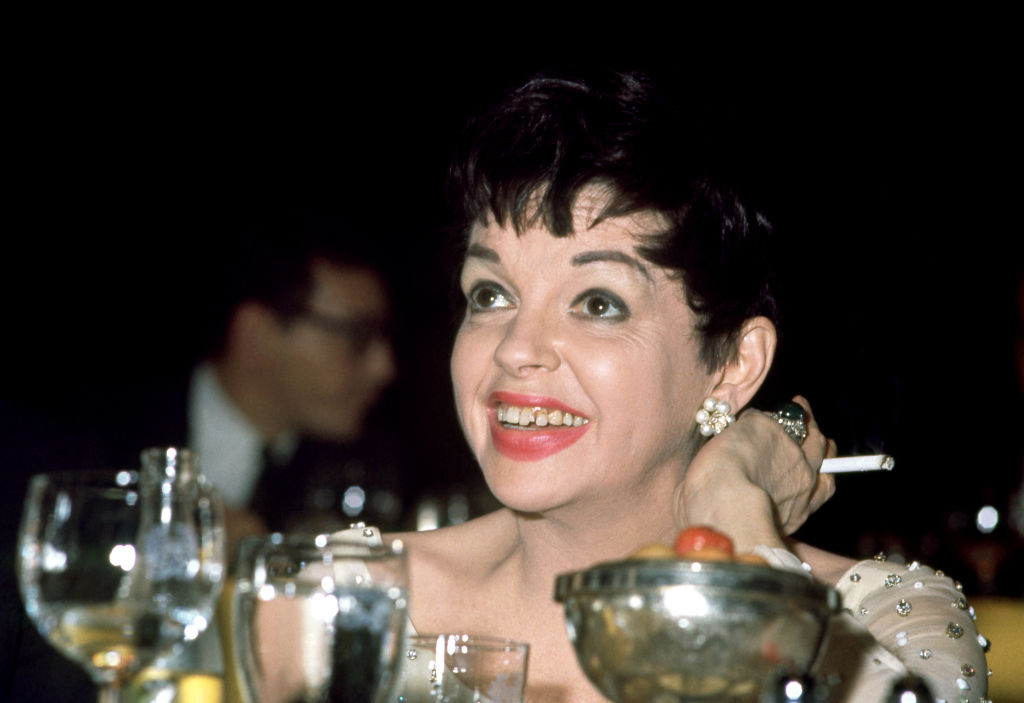
At one point, her agent Stevie Phillips described her as “a demented, demanding, supremely talented drug-addict.”
Yet biographer David Shipman noted that Garland also showed “astonishing strength and courage,” even in her darkest times. Actor Dirk Bogarde once called her “the funniest woman I have ever met.”
Despite everything, Garland rejected the idea that she was merely a tragic figure. Her daughter Lorna echoed this view:
“We all have tragedies in our lives, but that does not make us tragic. She was funny and she was warm and she was wonderfully gifted. She had great highs and great moments in her career. She also had great moments in her personal life. Yes, we lost her at 47 years old. That was tragic. But she was not a tragic figure.”
I have always adored The Wizard of Oz and Judy Garland as Dorothy — that once-in-a-lifetime voice, that radiance, that magic. She endured so much, far more than anyone should. My heart truly goes out to her. May she rest in the gentlest peace, far beyond the rainbow.