
I truly believed I had finally built a peaceful, secure life for my daughter after everything we had endured. But one sleepless night changed that certainty. What I saw through the crack of her bedroom door brought back fears I thought I had left behind for good.
I always considered myself a devoted mother. Not flawless, not completely healed—but present, careful, and fiercely protective. My first marriage taught me that what looks like stability can hide something much darker. By the time I left, my daughter Mellie had already witnessed more than any child should.
From that moment on, I made myself a promise: no one would ever hurt her again.
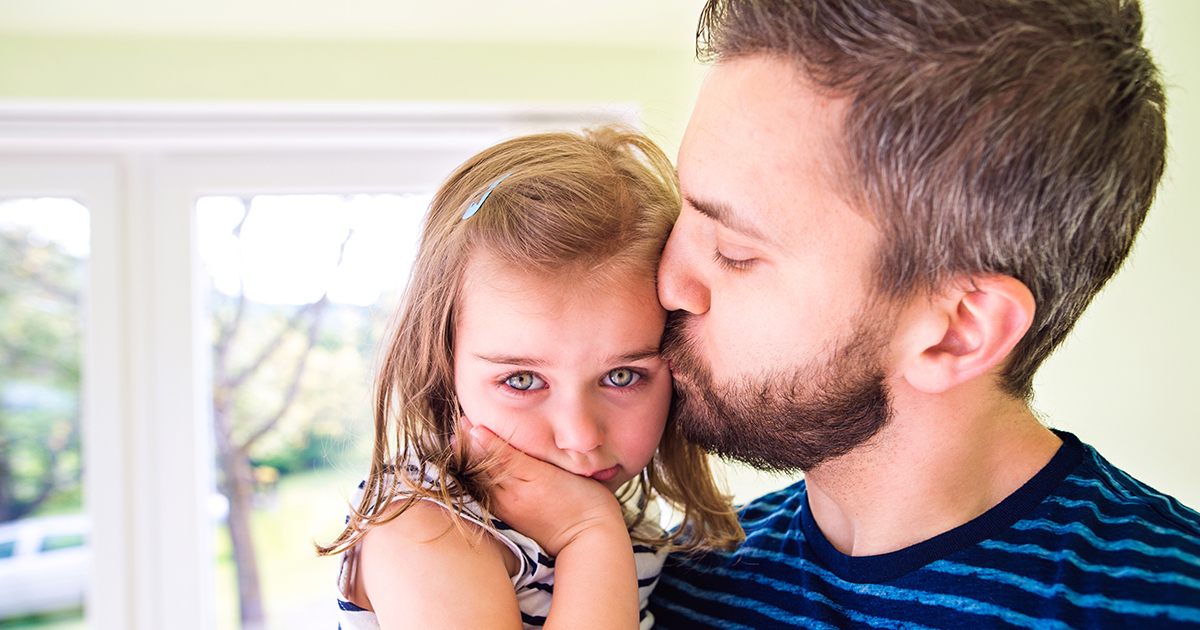
Then Oliver entered our lives.
He was different—gentle, composed, a bit older, and never overstepped. He didn’t try to replace her father or force a connection. Instead, he built trust in quiet, thoughtful ways. He remembered the little things—how she took her tea, when she needed space, when to simply leave her a plate of food during late study nights. Over time, his presence felt safe.
After three years together, I believed we had created something solid. Something real.
Then, gradually, something shifted.
Oliver began sleeping on the couch.
At first, it didn’t seem like a problem. He brushed it off, blaming his back, making light of it. But it became routine. Every night, he’d fall asleep beside me… and sometime later, he’d slip away.
Around that same period, I noticed changes in Mellie too.
She looked drained—not just typical teenage fatigue, but something heavier. There was a quiet exhaustion in her eyes that worried me. At the same time, she seemed strangely calmer when Oliver was nearby.
That should have reassured me.
Instead, it unsettled me.
One night, I woke up and reached for him—but his side of the bed was empty. The house was completely still. Then I noticed a faint glow beneath Mellie’s bedroom door.
My chest tightened instantly.
I walked down the hall and gently pushed the door open.
And what I saw made me freeze.
Oliver was sitting on her bed, leaning back against the headboard. Mellie was asleep next to him, her hand wrapped around his.
Fear rushed through me before I could stop it.
The next morning, I confronted him.
He didn’t hesitate. Calmly, he explained that Mellie had woken up from a nightmare and texted him. She hadn’t wanted to wake me.
For some reason, that explanation didn’t ease me.
It hurt.
Over the next few days, doubt crept in. I hated myself for it, but I couldn’t ignore the uneasy feeling growing inside me. Instead of addressing it openly, I made a decision I’m still not proud of.
I installed a small camera in her room.
When I finally gathered the courage to watch the footage, the reality was nothing like what I had feared.
Night after night, the same pattern unfolded.
Mellie would wake up shaken from nightmares. She would message Oliver. And he would quietly come in, sit beside her, and stay until she felt safe again. He never crossed any boundaries—he simply stayed present. Sometimes she cried. Sometimes she talked. Sometimes she just needed someone there in the silence.
Then I saw something that broke me completely.
Oliver gently told her he couldn’t keep this from me forever. That I deserved to know.
She begged him not to say anything.
Not because she was hiding something wrong—but because she was afraid of ruining my happiness.
That moment shattered everything I thought I understood.
There was no betrayal.
No hidden wrongdoing.
Just a frightened girl trying to protect her mother… and a man who made a mistake by keeping her pain a secret.
I sat there, overwhelmed, tears streaming down my face.
I had spent so much time watching for threats from the outside that I failed to see what was quietly hurting inside my own home.
The next day, I brought them both together and told the truth—everything, including the camera.
Mellie was hurt. Angry. She felt her privacy had been violated, and she was absolutely right. I didn’t argue. I didn’t justify it. I apologized.
Slowly, everything came out into the open.
Her nightmares. The lingering trauma she never fully shared. The fear that speaking up would disturb the fragile peace I had worked so hard to create. Oliver admitted he should have come to me sooner instead of trying to handle it alone.
That night, for the first time in years, Mellie chose to sleep in my room.
The next morning, I made three appointments without hesitation: therapy for her, therapy for myself, and family counseling for all of us.
We agreed on one thing moving forward—no more secrets.
Healing didn’t happen overnight.
Trust had to be rebuilt carefully, piece by piece. Mellie stayed upset about the camera for a while—and she had every right to be. But gradually, something changed.

Our home became more honest.
She began speaking up when she was struggling. I learned that silence doesn’t always mean strength. Oliver stopped carrying responsibility on his own.
Months later, one morning at breakfast, she casually said, “I slept through the whole night.”
It hit me harder than anything else.
I almost cried.
I still believe I’m a good mother.
Not because I handled everything perfectly—
But because when the truth became uncomfortable and difficult, I chose to face it instead of looking away.