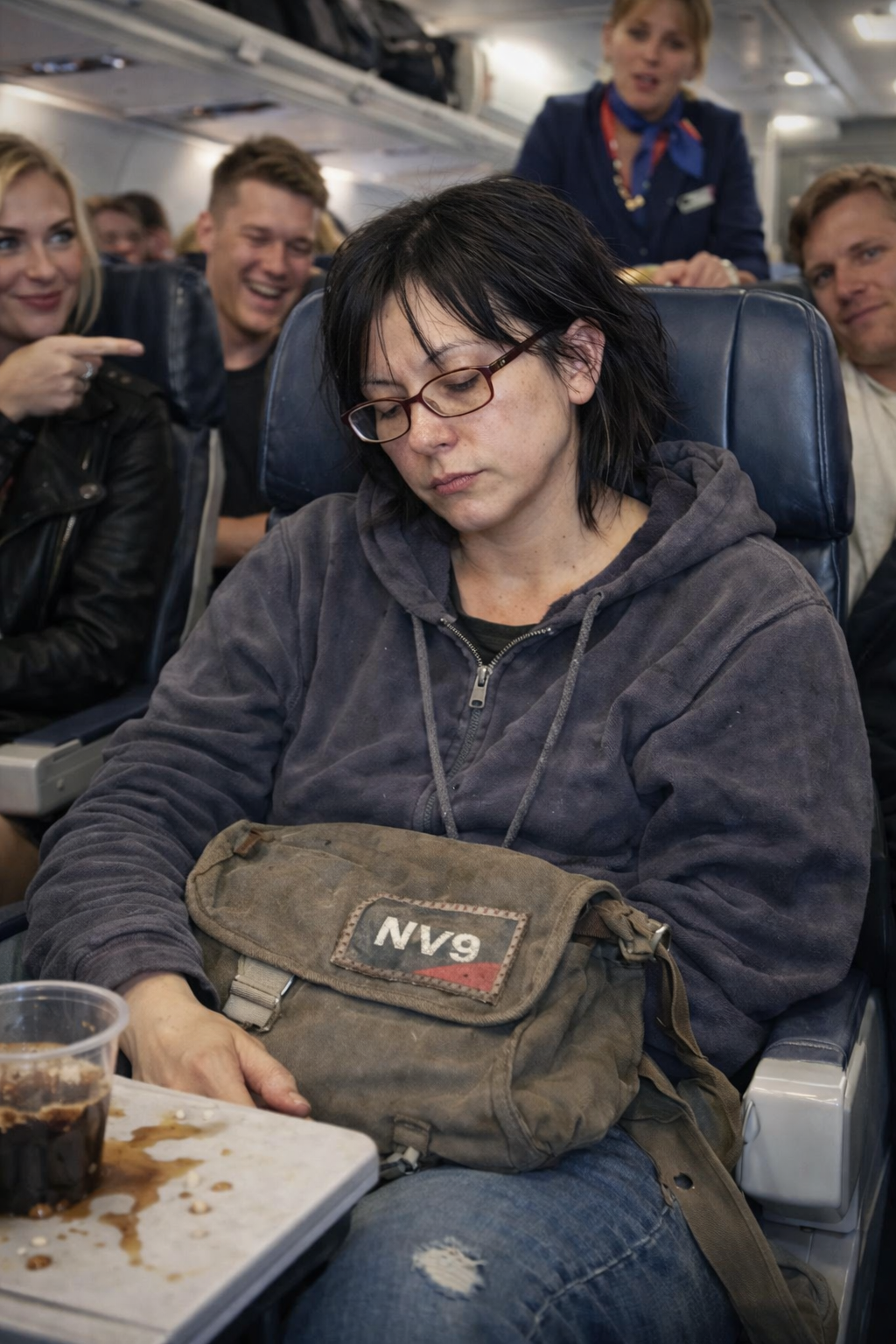
Even after years away—she still belonged here.
“Nearest safe landing?” she asked.
“Denver,” the co-pilot replied. “We can reach it… if the false readings don’t interfere with final descent.”
Rachel gave a small nod.
“They won’t.”
The captain glanced at her.
“You sound very sure of that.”
“I am.”
“You haven’t even seen the next storm wall yet.”
“I don’t need to,” she said. “I need the terrain—and the truth.”
She tapped the outdated display.
“This is ugly,” she added. “Ugly is reliable. Ugly doesn’t try to impress you.”
For the first time, the co-pilot almost smiled.
Then the aircraft hit another patch of turbulence.
Not a sudden drop—
But a prolonged, rattling vibration.
Like a massive hand testing the integrity of the plane.
In the cabin, passengers cried out again.
The businessman gripped his seat so tightly his wedding ring scraped against the plastic.
The woman with diamond earrings shut her eyes, whispering a hurried prayer.
The tracksuit guy—the loudest skeptic before—now looked pale and nauseous.
Across from Rachel’s empty seat, the little girl clutched her stuffed bear.
In a small, uncertain voice, she asked her mother,
“Did we make her sad?”
Her mother blinked.
“What?”
“The lady in the hoodie,” the girl said. “Everyone was mean to her.”
Something shifted in the mother’s face.
Because children have a way of cutting straight to the truth adults avoid.
“I think…” she said softly, “we forgot our manners when we got scared.”
The older man in the patched jacket, still by the window, shook his head slightly.
“No,” he said. “Some people forgot them long before that.”
No one challenged him.
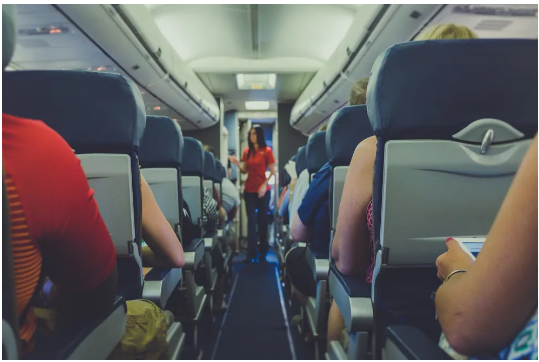
Cindy moved through the aisle again, checking seatbelts with trembling hands.
When she reached row 9, she paused.
The empty seat seemed smaller without Rachel in it.
The faint impression of her bag still marked the cushion.
The notebook was no longer there—it rested in the older man’s hands now.
Cindy swallowed hard.
She looked like she wanted to say something.
Instead, she moved on.
Inside the cockpit, Rachel reached into her bag and pulled out a folded piece of paper.
It was old.
Edges worn.
Creases permanent.
The captain noticed the hand-drawn contour lines.
“A paper map?” he asked, almost incredulous.
Rachel unfolded it across her knee.
“Back when people trained for when things go wrong.”
The co-pilot glanced at it—and then looked back at her with newfound respect.
“That’s a western ridge approach sketch.”
“Yes.”
“Who taught you that?”
Rachel didn’t look up.
“My father.”
Both men were caught off guard.
The captain had expected something official—an instructor, a commanding officer.
Not that.
Rachel folded the map again.
“He flew whatever he could—crop dusters, mail routes, anything that paid. He used to say that fancy systems make people lazy. Said if I could read a mountain from paper, I’d never have to beg a screen to think for me.”
The captain studied her hands.
No jewelry.
No polished nails.
Just steady, capable hands.
Hands that had fixed more than most people ever noticed breaking.
The co-pilot asked quietly,
“Is that how you got into aviation?”
Rachel exhaled lightly.
“Partly.”
That single word carried more behind it.
Neither man pressed further.
The captain checked the heading again.
It matched Rachel’s correction perfectly.
For a brief moment, something close to calm settled over the cockpit.
Then the radio crackled again.
A different voice.
Not air traffic.
Not weather control.
Airline operations.
Smooth. Controlled. Corporate.
“Captain, confirm that no unauthorized personnel are actively managing flight controls.”
The captain glanced at Rachel.
Rachel didn’t turn.
The voice continued:
“Advisory from legal and safety departments is to maintain command strictly within assigned crew.”
The co-pilot grimaced.
Even now.
Even here.
Fear of liability.
Fear of blame.
While hundreds of lives hung in the balance.
Rachel extended her hand.
“Give me the mic.”
The captain hesitated—then handed it over.
Rachel pressed the button.
“Your crew requested navigation support,” she said calmly. “I am providing it. If anyone on your end would rather debate titles than survival, they’re welcome to do so from the ground.”
Silence.
Then a different voice came through.
Older.
Lower.
“Who is this?”
Rachel didn’t shift her gaze.
“Someone who remembers when pilots were trusted to use judgment.”
A pause.
Then, almost disbelieving—
“Night Viper Nine?”
Both pilots looked at her.
Rachel closed her eyes briefly.
Just for a second.
When she opened them, they were steady again.
“Not today,” she said, releasing the mic.
No one on the other end spoke again.
In the cabin, time stretched in strange ways.
Five minutes felt like forty.