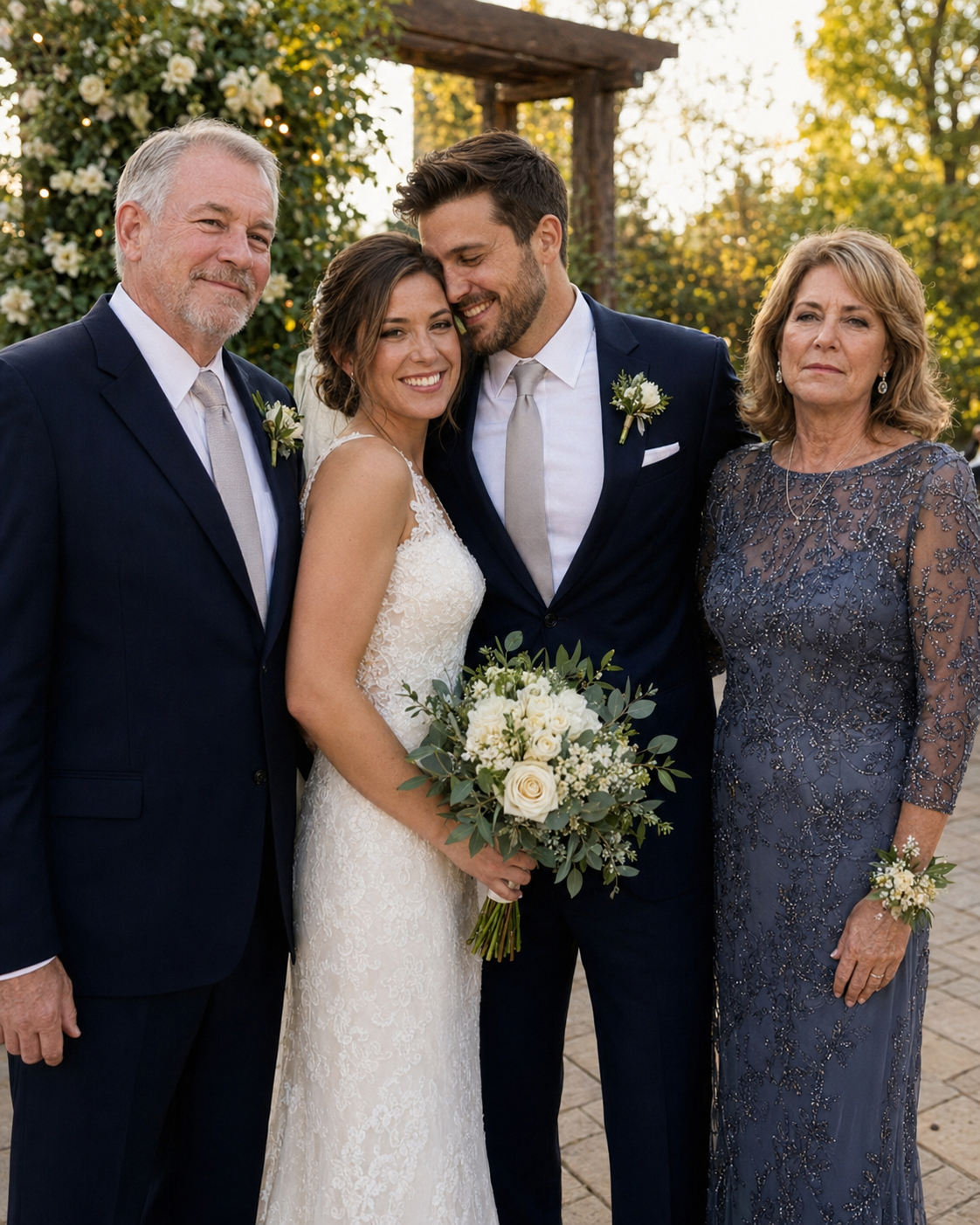
My mother-in-law publicly called me a gold digger at my wedding reception and laughed about my father working in a repair shop. I thought it was the most humiliating moment of my life. Then Dad took the microphone, said a few words, and suddenly nobody was laughing anymore.
I knew Deborah didn’t like me before Russell ever told me she didn’t.
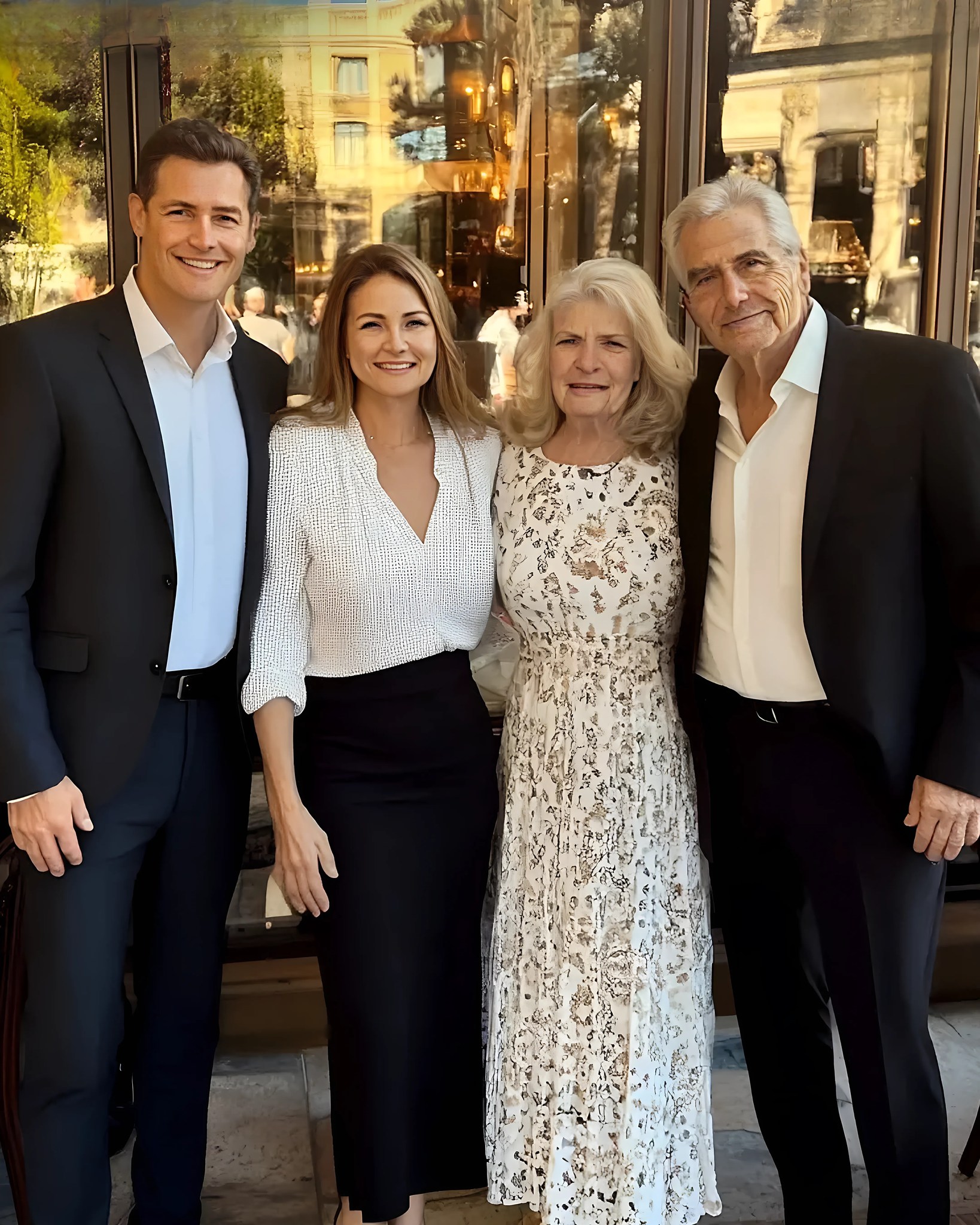
Women like her don’t say things plainly. They say things like, “That dress is very brave of you,” or “You must feel so relieved to finally have some stability.”
They smile when they say it. They make you wonder afterward if you imagined the blade.
Deborah didn’t like me.
I tried for three years to change her mind. I sent thank-you notes after every dinner.
I invited her to the dress fitting twice.
I let her weigh in on the flowers, even though she chose something she complained about at every subsequent meeting.
Russell told me to stop trying so hard.
I told him I was raised to try.
I tried for three years to change her mind.
Russell came from old money. The kind with portraits in hallways and family attorneys on speed dial. The kind where the house has a name, and the furniture has a history, and everyone at Christmas dinner knows which topics require a subject change.
I came from my father’s repair shop and a two-bedroom house behind a gas station on Route 9.
My dad, Jimmy, raised me alone after my mother left.
He fixed engines by day and packed my lunches at night and never once made me feel like we were missing anything, even when we were.
Russell came from old money.
He kept a worn leather folder tucked into a large, customized pocket he’d had stitched into the inside of his jacket years ago because he didn’t trust important papers to his truck.
Insurance documents, old receipts, the occasional photograph.
That folder went with him everywhere.
I should have noticed it sooner.
I was too busy trying to survive the wedding.
I should have noticed it sooner.
The ceremony itself was beautiful.
Dad walked me down the aisle with his jaw set in that way he has when he’s trying not to cry, and halfway down he reached into his jacket with his free hand and touched the leather folder, the way he does sometimes without seeming to think about it, just checking it was there.
Then his hand came back and found mine again.
Russell watched me come toward him with an expression that made everything else fall away. For one hour, I believed we were going to be just fine.
The ceremony itself was beautiful.
Then came the reception.
Two hundred guests filled the ballroom. Crystal glasses, white roses, a cake taller than my niece. I was sitting with Dad.
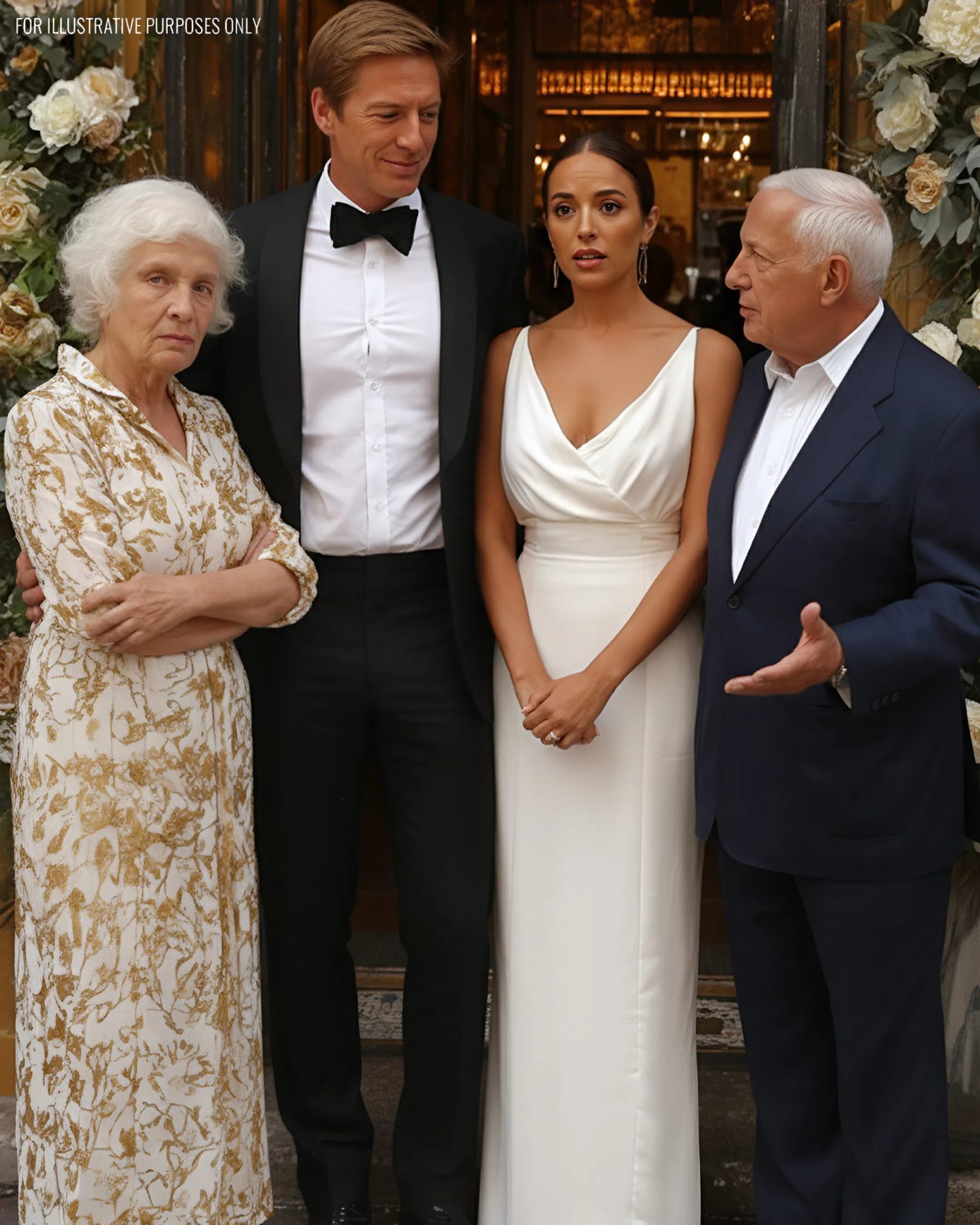
That’s when Deborah rose from her seat at the family table.
She picked up the microphone. She tapped it twice.
The music faded. The room turned.
She smiled at me.
She tapped it twice.
“I think someone should finally say what we’re all thinking.”
Russell went still across the table.
“This girl did not marry my son for love,” Deborah added, her voice clear and unhurried, perfectly comfortable at the center of attention. “She married him for our money.” She let that land for a moment, then laughed lightly. “I suppose spending a few years pretending to be in love is a great deal easier than spending a lifetime in a repair shop.” She smiled at the room with the ease of someone who has never once questioned their right to speak. “Some people are very talented at looking grateful!”
“This girl did not marry my son for love.”
Gasps moved through the room. A few people looked at their plates. A few looked at me.
I felt my face go hot. I felt my father’s hand tighten slightly on my arm.
Then he let go.
And he stood up.
He didn’t move fast. Dad never moves fast. He pushed his chair back and straightened his jacket, the one he’d had pressed specially for today, and he looked at Deborah across the ballroom with an expression I recognized.
He didn’t move fast.
He used it when someone brought him an engine they’d let run too long without oil and expected him to tell them it was fine. Patient. Honest. Done with the pretense.
He walked toward the microphone.
I grabbed his sleeve.
“Dad. Please.”
He covered my hand with his and smiled at me in a way that made me feel twelve years old in the best possible sense.
“Let me talk about my daughter for a minute,” he said.
I grabbed his sleeve.
The room was quiet when Dad took the microphone.
People who had been shifting uncomfortably in their seats went still.
“I’d like to ask you something,” Dad said, looking at Deborah. His voice was completely calm, which anyone who knows him understands is more formidable than shouting. “How much do you actually know about my daughter?”
Deborah lifted her chin. “I know enough.”
“I wonder,” Dad said.
“How much do you actually know about my daughter?”