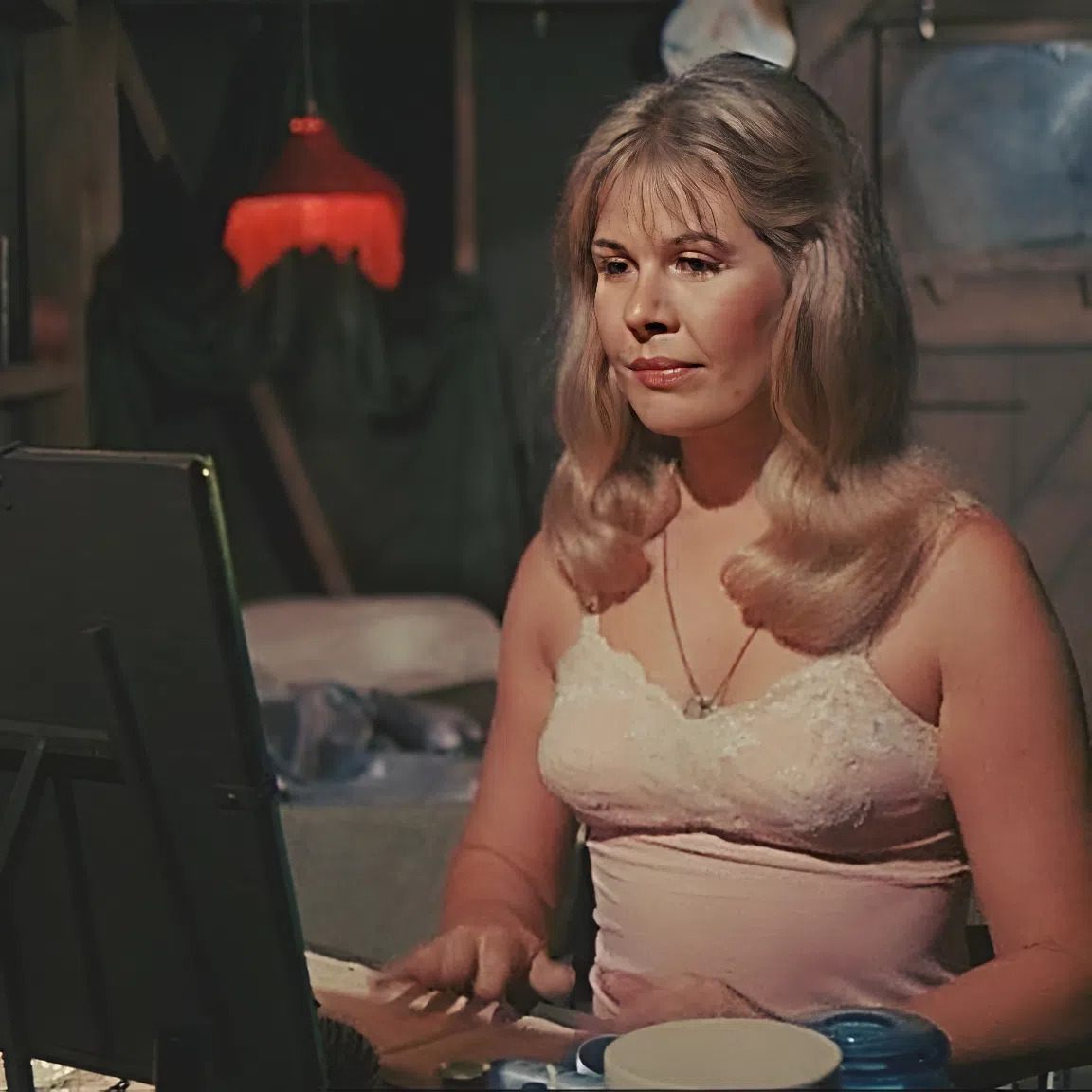
If, like me, you love MASH, you probably feel as though you’ve already seen everything the series has to offer: the funny scenes, the touching moments and the unforgettable characters.
Renowned for its witty scripts, emotional depth and biting satire, MAS*H very quickly became a beloved cultural phenomenon and an important part of American television.
But behind the scenes, the series also had its fair share of errors, anachronisms and plot holes — and for years, many of them simply went unnoticed by loyal viewers…
I’m a child of the eighties, and MAS*H was almost always on in the background at our house, with its theme tune playing just before bedtime. Back then, I rarely even watched the opening credits to the end, because it was already time to switch off the telly. But years later, I finally gave the series a proper chance — and have genuinely loved it ever since.
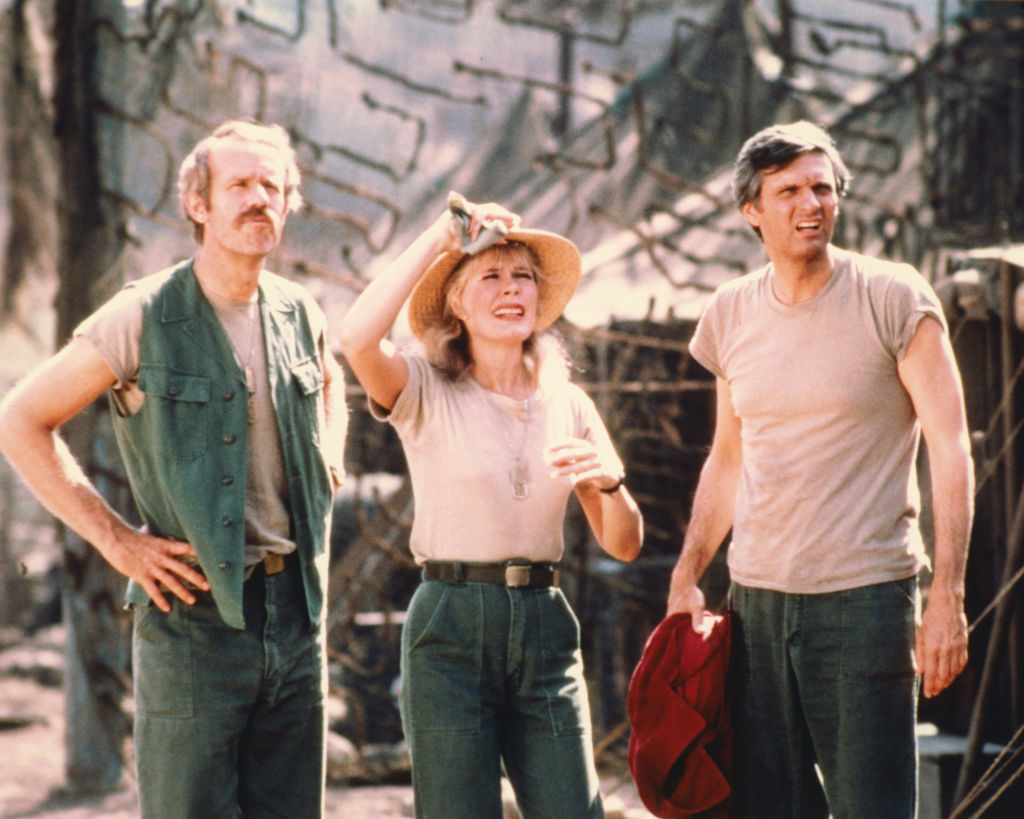
MAS*H wasn’t just a TV show, but a genuine cultural phenomenon that brought families together in front of the screen. The final episode in 1983 was watched by almost half the population of the United States, and to this day it holds the record as the most-watched episode in the history of prime time.
As you probably know, MAS*H is set during the Korean War and follows the doctors and nurses of a mobile army hospital. They face the horrors of war, the complexities of medicine and tangled personal relationships, trying to survive all this chaos with humour and humanity.
This is one of those TV series that stays with you for a long time. And now, as I rewatch individual episodes, I’m increasingly noticing little-known mistakes and amusing bloopers that actually make it even more interesting to watch. Did you know about them?
A life-threatening case of hepatitis
Did you know that William Christopher, who played the good-natured father Malkahi, fell seriously ill with hepatitis himself during the fifth season?
The situation was so serious that the actor was almost written out of the series for good. The producers even seriously considered removing the character from the story. But that’s when Alan Alda stepped in. He understood perfectly how important a steady job was for Christopher, especially given that his son suffered from autism.
Alda then wrote an entire episode titled ‘Hepatitis’, in which the actor’s illness was seamlessly woven into Malkahi’s storyline. A true act of friendship — and a very wise decision that allowed Malkahi’s father to remain in the series.
The prophecy about Frank Burns’ tumour
Here’s another curious fact about MAS*H that sends a shiver down your spine.
In the episode ‘Hepatitis’, the caustic Hawkeye, played by Alan Alda, examines Frank Burns, who casually remarks:
‘I’ve got a tumour the size of a pea under my breastbone.’
The most chilling thing is that years later, Larry Linville, who played Frank, did indeed die from a malignant tumour under his breastbone. Sometimes life strangely echoes fiction.
From a one-off character to a audience favourite
Not every actor would have agreed to appear on screen in dresses and skirts the way Jamie Farr did in the role of Klinger. But he pulled it off with incredible charm and humour. His Max Klinger turned out to be such a standout character that it is now hard to imagine the series without him.
But few people know that Farr was originally only supposed to appear in a single episode. However, viewers loved the character so much that he was made a regular cast member.
The truth about army dog tags
And the dog tags that Jamie Farr wore on screen were not props, but his real army dog tags, left over from his service before his acting career.
Farr himself recounted in an interview for the Medicine and Martinis collection that the dog tags bore his personal details: name, number and even his religious affiliation. That level of authenticity is truly impressive.
Did you spot any military inaccuracies?
In the classic second-season episode ‘For the Good of the Outfit’, viewers were treated not only to several memorable scenes but also to some noticeable errors in terms of military accuracy. The most obvious of these is the model of a Bell Huey UH-1 helicopter hanging in Henry Blake’s office. The problem is that the Huey’s maiden flight did not take place until 1956, i.e. after the end of the Korean War, during which the events of MAS*H are set. So this item clearly does not fit into the timeline.
The Death of Lieutenant Colonel Blake
The death of Lieutenant Colonel Blake became one of the most shocking and talked-about events in the history of television. When MacLain Stevenson left the series in 1975, his character was unexpectedly and dramatically written out of the plot—his plane crashed on the way home to the United States.
At the time, such a twist for a major character in a prime-time series was almost unthinkable. And although the public reaction was fierce, the writers and producers insisted that this move was intended to serve as a reminder of the merciless reality of war.