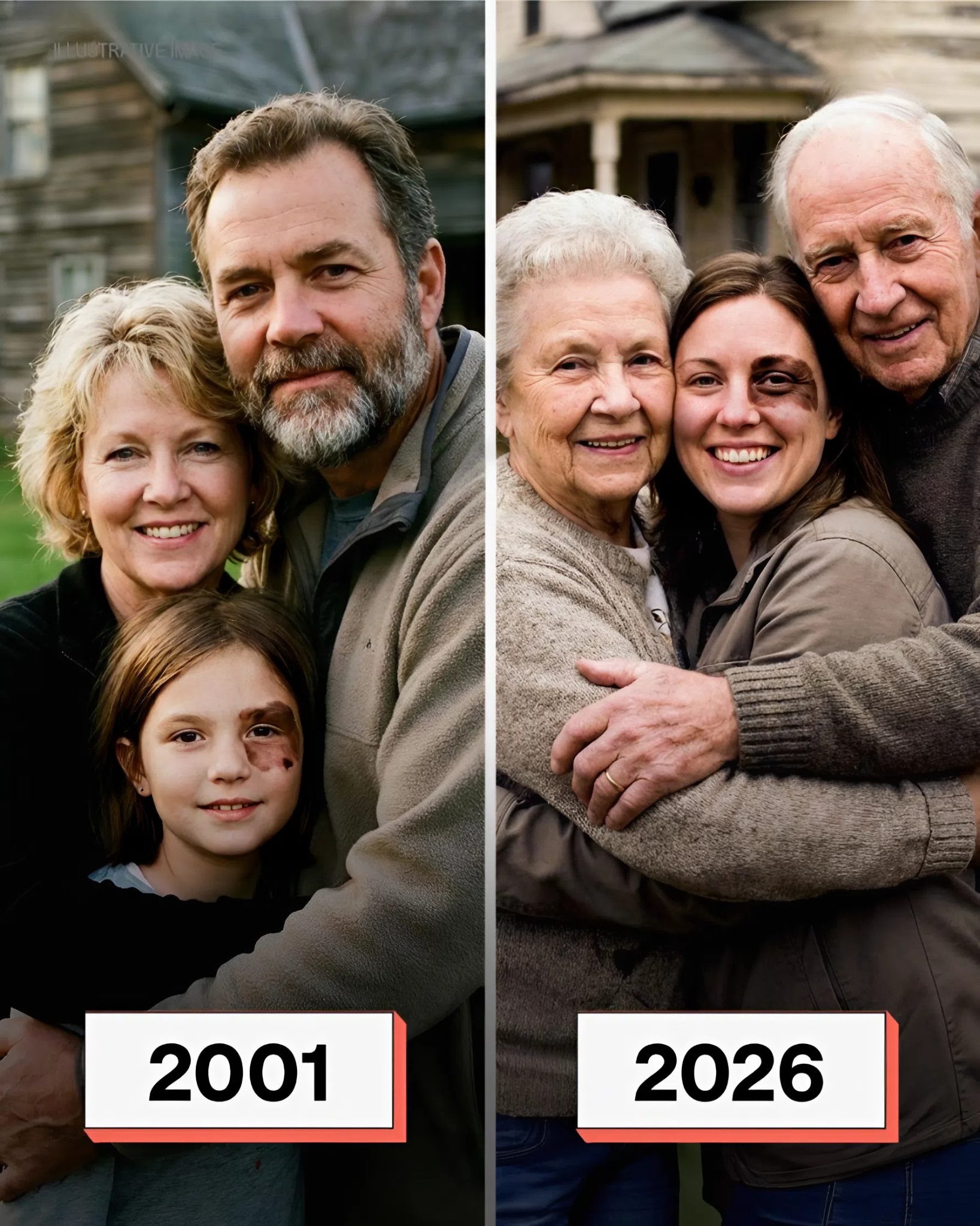
We adopted a little girl who had been rejected by others because of a birthmark covering half of her face. Twenty-five years later, we received a letter from her biological mother, and suddenly the past took on a different light.
I am 75 years old, Margaret. My husband, Thomas, has been my partner for over 50 years.
For a long time, it was just the two of us. We wanted children, very much. We tried for years. Tests, hormones, appointment after appointment. Then one day, the doctor clasped his hands together and said quietly, “Your chances are very low. I’m sorry.”
We thought we would get over it with time. There was no miracle, no plan B. Just a final sentence.
We mourned, then somehow settled in. By the time I turned 50, we were telling ourselves that we had accepted it.
Then our neighbor, Mrs. Collins, once mentioned a little girl in the children’s home who had been there since birth.
“Five years,” she said. “No one takes her. They call, ask for a photo, and then disappear.”
I asked her why.
“She has a large birthmark on her face,” she replied. “It covers almost one whole side. People see it and think it would be too difficult.”
That evening, I brought it up with Thomas. I expected him to say we were too late, too old, our lives too settled for this.
He listened, then said only, “You can’t get it out of your head.”
“No,” I admitted. “He’s been waiting his whole life.”
“We’re not young,” he added. “If we do this, we’ll be in our seventies by the time he grows up.”
“I know.”
“Money, energy, school, university,” he listed.
“I know.”
He listened for a long time, then said, “Would you like to meet him? Let’s just get to know him. No promises.”
Two days later, we entered the children’s home. A social worker accompanied us to a playroom.
“She knows visitors are coming,” he said. “We didn’t say any more. We don’t want to promise hope we can’t deliver.”
In the room, Lily sat at a low table, coloring carefully within the lines. Her clothes were a little big for her, as if they had been passed down too many times.
Her birthmark was dark and conspicuous, covering most of the left side of her face. Her eyes, however, were serious and observant. They were the eyes of a child who had learned early on to read adults before trusting them.
I knelt down beside her. “Hi, Lily. I’m Margaret.”
She glanced at the social worker, then back at me. “Hi,” she whispered.
Thomas sat down opposite her on a child’s chair. “I’m Thomas.”
Lily looked him up and down, then asked, “Are you old?”
Thomas smiled. “Older than you.”
“Will you die soon?” she asked with complete seriousness.
My stomach lurched. Thomas wasn’t fazed. “Not if I can help it,” he said. “I plan on being around for a long time.”
For a moment, a tiny smile slipped out of Lily, then she turned back to her coloring book.
She answered politely but gave little of herself. She kept looking at the door, as if measuring how long we would stay.
In the car on the way home, I said only this: “I want her.”
Thomas nodded. “Me too.”
The paperwork took months.
When it finally became official, Lily came out with a backpack and a worn-out stuffed rabbit. She held the rabbit by its ears, as if afraid it would disappear if she squeezed it too hard.
When we turned into the driveway, she asked, “Is this really my house now?”
“Yes,” I said.
“For how long?”
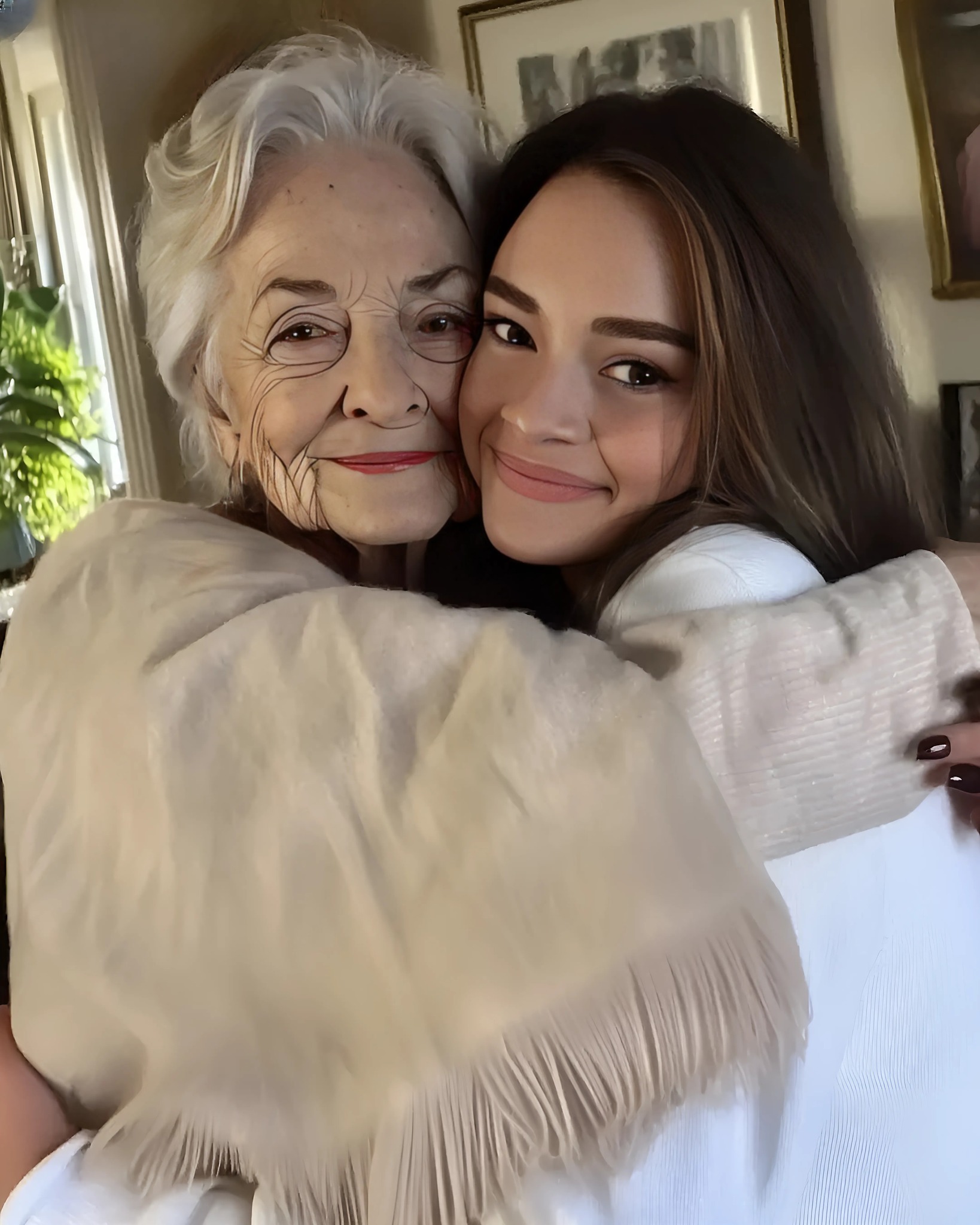
Thomas leaned back slightly in his seat. “Forever. We’re your parents.”
Lily looked at me, then at him. “Even if people stare?”
“People stare because they’re rude,” I replied. “Not because there’s anything wrong with you. We’re never ashamed of your face. Never.”
He nodded once, as if he had stored it away. I knew he would test us later to see if we were serious.
During the first week, he asked permission for everything. Can I sit here? Can I drink water? Can I go to the bathroom? Can I turn on the light? It was as if she wanted to fade into the background so we would be sure to keep her.
On the third day, I sat her down. “This is your home,” I said. “You don’t have to ask permission to exist.”
His eyes filled with tears. “What if I do something wrong?” he whispered. “Will you send me back?”
“No,” I said. “You might get punished. You might not get to watch TV. But we won’t send you back. You’re ours.”
He nodded, but he watched us for weeks. He waited for the moment when we would change our minds.
School was hard. The kids noticed. The kids said things.
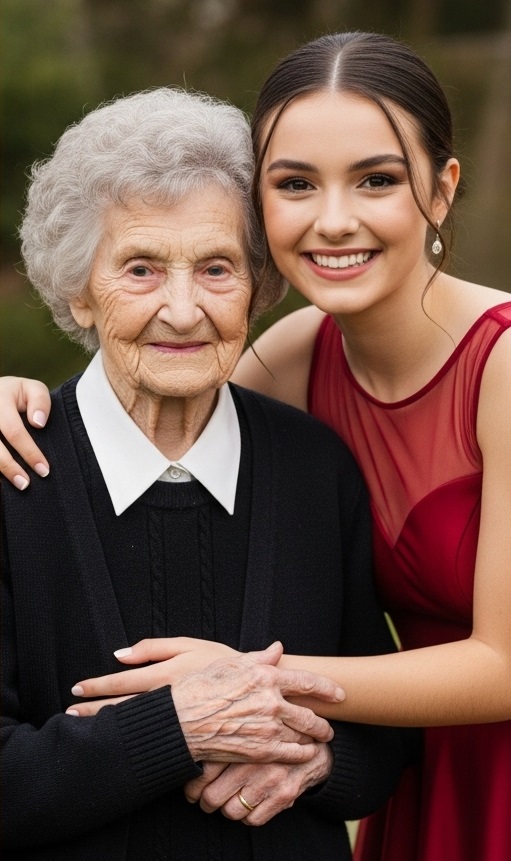
One day he got in the car with red eyes, clutching his backpack like a shield. “A boy called me a monster face,” he grumbled. “And everyone laughed.”
I stepped aside. “Listen to me,” I said. “You’re not a monster. Anyone who says that has a problem, not you.”
He touched his face. “I wish it would go away.”
“I know,” I said. “I hate that it hurts. But I don’t want you to be anyone else.”