Self-awareness is one of those qualities that does not come naturally to everyone. Some people find it easier, from childhood onwards, to analyse themselves, their actions and the reasons behind their behaviour. Others, however, need more time, effort and inner reflection to understand exactly what is going on in their minds.
This quality influences practically everything we do. Self-awareness determines how we react in different situations, how we communicate, and how we build relationships with those around us. The higher the level of self-awareness, the easier it is for a person to spot unhealthy circumstances, toxic relationships, or moments when it is high time to make a change. The most valuable aspect of self-awareness is that it encourages development, inner growth and self-improvement.
But looking within doesn’t have to be a boring or difficult process at all. Sometimes it can even be fascinating. For example, optical illusions offer a curious opportunity to glimpse the peculiarities of human perception. They play on how the brain processes what it sees, forcing it to choose where to focus its attention. What a person notices first can say a lot about their character and emotional state.
Below are eight optical illusions that can help you better understand your own internal reactions.
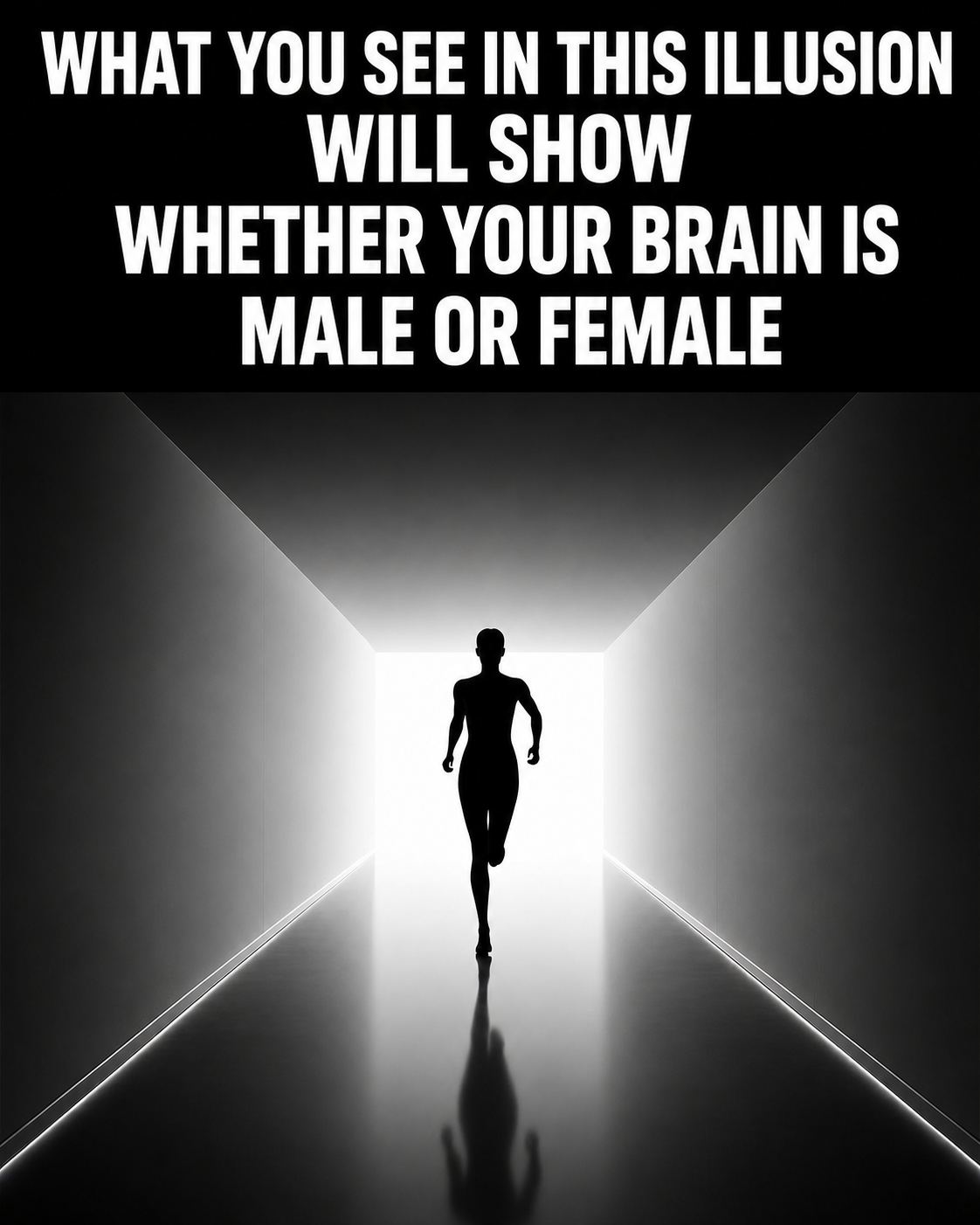
In which direction is the figure moving?
This is a classic optical illusion—an image of a figure that can appear to be either walking towards you or away from you. Although the image is stationary, your brain chooses the direction of movement itself, depending on your state of mind.
If it seems to you that the person is walking away from you, this may indicate that you are naturally inclined to analyse things. You think logically, preferring to consider everything first and only then act. Such people often cope well with several tasks at once and possess well-developed intuition, especially when it comes to possible consequences.
If, on the other hand, it seems to you that the figure is moving towards you, this may mean that you are able to concentrate deeply on tasks. You approach issues analytically, enjoy examining the details and getting to the heart of the matter. Usually, such people take a systematic approach and greatly value accuracy, order and the pursuit of a perfect result.
Neither option is right or wrong; it’s simply fascinating to see how differently two people can perceive the same image.
Which did you notice first: the cat or the mouse?
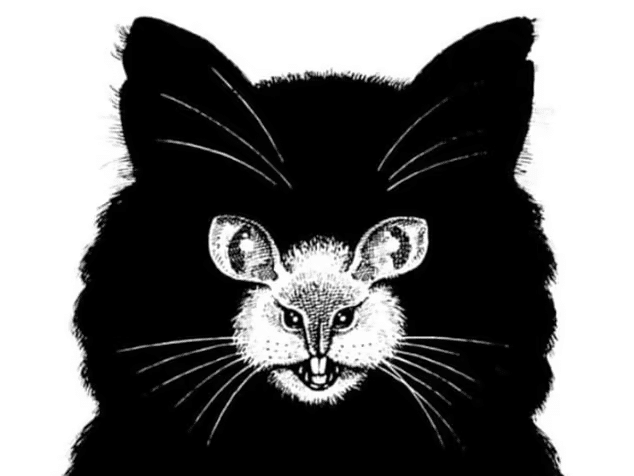
The following image is based on the ancient relationship between hunter and prey. Both figures are hidden within the picture, yet our brain tends to focus more strongly on one image or the other.
If your attention was drawn first to the cat and you perceived it as a threat, you are likely a cautious, prudent and strategic thinker. It is important to you that everything is in its place before you take action. In other words, you prefer stability, careful planning and a sense of control before moving forward.
If, on the other hand, you saw the little rodent first, your character likely has a rebellious streak and a thirst for adventure. You’re more inclined to take action than to spend too long weighing up all possible outcomes and endlessly asking yourself ‘what if?’.
Put simply, it all comes down to which part of your thinking is more active right now — the desire for control or the urge to explore the new.
Do you see lips or a sunset?

At first glance, this illustration may seem simple, but in fact it clearly illustrates differences in ways of thinking.
If the first thing you saw was the lips, this may suggest that you are a practical person who prefers to speak openly about your thoughts and feelings. Such people are usually less prone to excessive optimism and tend to view things critically and analytically. For them, the reality of a situation is more important than a rosy ‘dream’ of it.
If, on the other hand, you saw the sunset, you are probably more optimistic and inclined to notice the good in people and circumstances. You may enjoy helping others, supporting them in their endeavours and problem-solving. This outlook on the world is usually associated with a high degree of empathy and emotional openness.
This illusion can be seen as a kind of test to determine whether you are more inclined towards realism or idealism.
Clouds or fish?

Some people see fluffy clouds above the landscape in this picture, whilst others notice the curved shape of a fish.
Those who perceive the image as clouds often display a high degree of flexibility and the ability to adapt. People with this quality take a relaxed approach to change, allow life to lead them in new directions, and are not overly daunted by uncertainty. However, it is precisely this lack of stability that can sometimes become a problem for them.