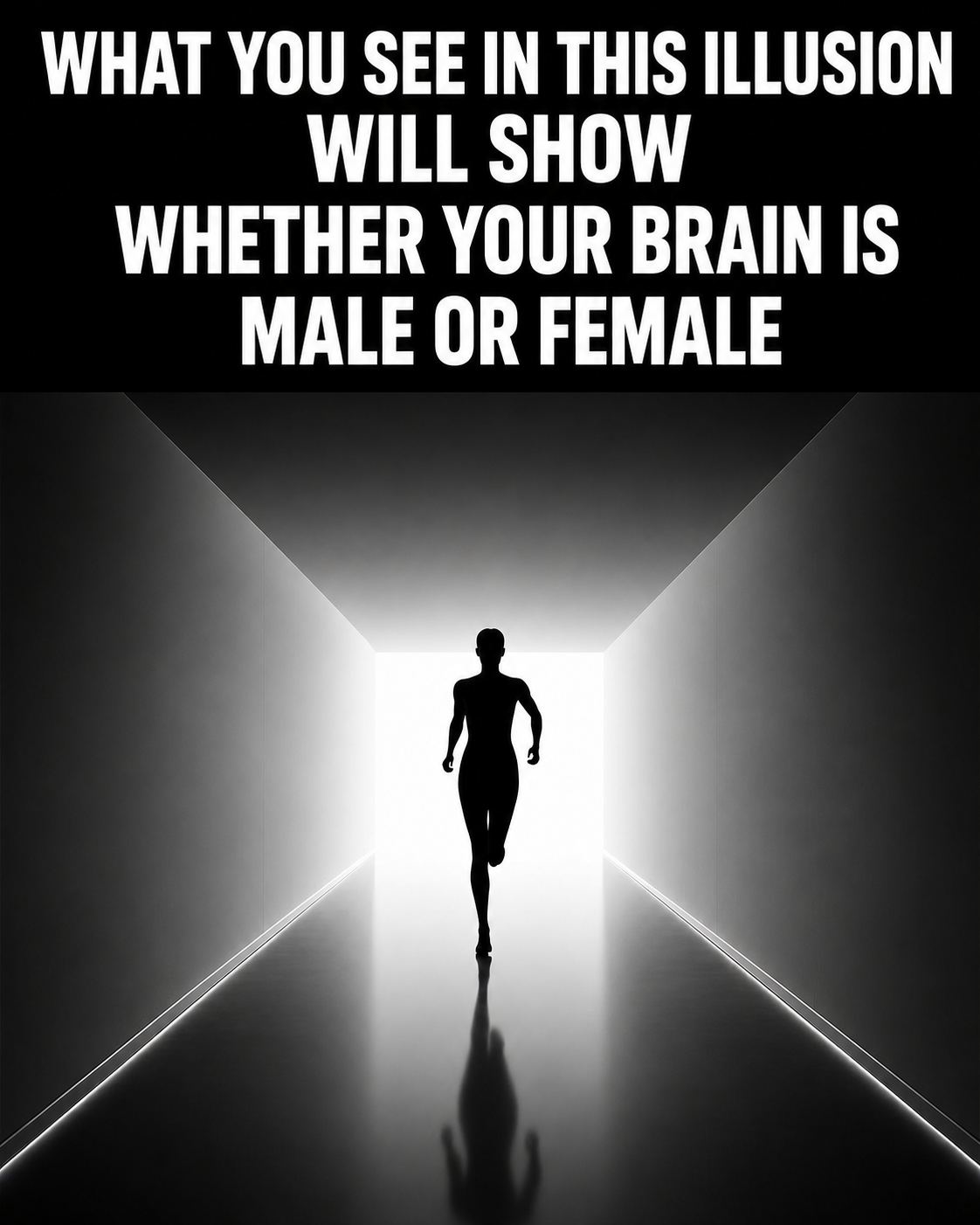
Those who see the fish first, on the other hand, usually value their ‘pack’ — their close circle of friends — more highly. They form strong bonds quickly and know how to be loyal, but sometimes find it difficult to walk away from situations that have become toxic, precisely because of their sense of loyalty.
This is a good example of a human’s inner conflict: we simultaneously strive for freedom and want to maintain our attachments.
A glass of wine or two forks?
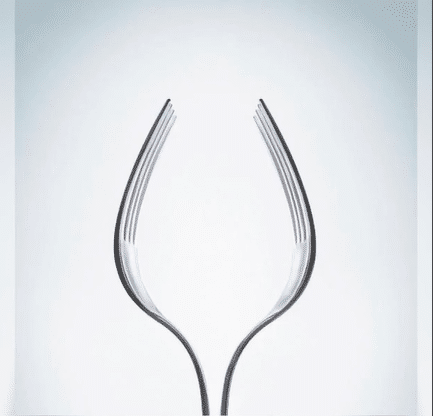
This optical illusion tests what your brain will notice first — the central image or the background.
If you saw the glass of wine first, you are most likely a goal-oriented person. You know what you want and are prepared to persevere in order to achieve it. Even whilst pursuing your goals, however, you still notice the people around you and realise that others may be observing you from the sidelines.
If, on the other hand, your attention was drawn to the forks, you are probably guided more by emotions than by cold logic. You may be a very empathetic person and tend to put the needs of others before your own.
This illusion clearly shows how you balance ambition and compassion.
Are you a shy person or a sociable one?

This illusion has less to do with the specific object itself than with the way your eyes process a detailed image.
If you’re the sort of person who first notices the little details that others often miss, you’re likely to be more introverted. This means you prefer deep conversations in a quiet setting to trying to be heard above a noisy crowd.
If, on the other hand, your attention is immediately drawn to the large, prominent parts of the picture, you are probably more of an extrovert. You feel comfortable around people, and socialising with a large group may not tire you out but, on the contrary, energise you.
Essentially, this is a simple illustration of how you react to social stimuli.
Are you too hard on yourself?

This optical illusion touches more deeply on your inner dialogue and how you perceive criticism.
If you tend to focus on imperfections or ‘broken’ elements within the image, you are likely to be quite self-critical. You probably expect a lot from yourself and take mistakes, slip-ups and failures very personally. This can help you achieve success, but at the same time it can be emotionally draining.
If, on the other hand, your attention is drawn more to the external details of the image, you may be harsher on other people than you realise. This doesn’t mean there’s anything wrong with you; it simply means that your expectations of those around you may be quite high.
Essentially, this illusion reveals where your criticism is most often directed — at yourself or at others.
What does the image say about your love language?

This illusion is perhaps the most complex of all, and what you notice first can reveal a great deal about your emotional needs.
If you notice physical intimacy, a shared experience or a simple act of care in the image, it may mean that it is important to you to both receive and show love through actions and attention. Some people see an expression of feelings in the picture, others a keen need for closeness and support.
Understanding this aspect of your personality can truly take your relationship to a new level, because it helps you explain more clearly to your partner exactly what makes you feel loved.
What do optical illusions actually reveal?
These are not clinical psychological tests. Rather, they are tools for light self-analysis. They offer a fascinating opportunity to observe which images the brain picks out first and which patterns it considers more significant at a particular moment.
From a psychological perspective, our perception is strongly influenced by past experiences, mood, and even personality traits. Therefore, what first catches your eye is not always a coincidence; more often than not, it is the result of your brain’s internal ‘operating system’ at work.
And if you take a closer look at this process, you can learn something new about yourself.
Conclusion
Self-awareness is not an achievement that can be attained once and for all. It is an ongoing process of learning, re-evaluation and personal growth. Whether it comes easily to you or requires effort, self-awareness helps you navigate life’s journey with greater calm and confidence.
Optical illusions are simply a fun and harmless way to spark curiosity about yourself. They serve as a reminder that perception can be relative, and that the brain sometimes reveals its secrets through barely noticeable details. Even if not every interpretation is meant to be taken literally, such illusions are excellent food for thought.
Ultimately, self-awareness is simply an interest in oneself. And sometimes, all it takes is a single unusual image.
Please SHARE this article with your family and friends on Facebook.