
Life can throw unexpected challenges our way, but sometimes these moments inspire ordinary people to become extraordinary. Whether it’s a waitress dispensing justice or a diner standing up for an elderly couple, these stories remind us of the power of kindness and quick thinking.
From a confrontation in a coffee shop to an unforgettable act of revenge in a restaurant, these five stories show us the best ways to deal with rudeness and leave a lasting impression. Read on to find out how quick wit and courage turned awkward situations into unforgettable triumphs.
Titled parents insulted my grandfather in his own restaurant — karma made them pay 20 times the menu price
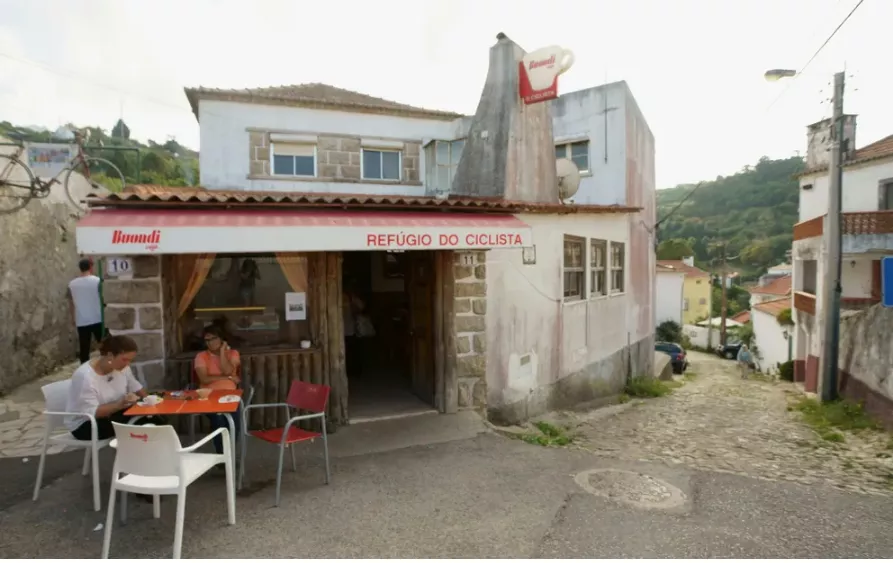
Asturia is a tiny village nestled in the green hills of northern Spain. It is quiet here, with only 30 people living in the entire village. Life flows slowly, and everyone knows everyone else.
In the very centre of the village is my grandparents’ restaurant. It has been here since 1941 and is as much a part of the village as the cobbled streets.
The restaurant is not just a place to eat. It is where people gather to talk, laugh and play cards. It feels like home: there are eight tables inside and a few more outside on sunny days. Every summer I come here to help out.
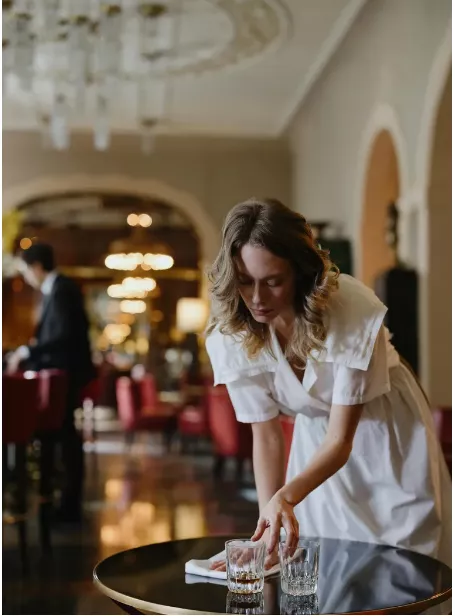
I learned to cook using my grandmother’s recipes and to serve food the way my grandfather taught me. Sometimes tourists stop by, and we welcome them like family. But one day, things didn’t go as planned.
It was a warm summer afternoon. Lunch was ending, and most of the regulars were relaxing with a glass of wine. My brother and I were clearing the tables while my grandfather sat at a corner table enjoying his meal. The restaurant was filled with the usual hum of quiet conversation.
Then we heard the sound of a car pulling up. This was nothing unusual — sometimes tourists would get lost and end up here. However, the family that entered did not look relaxed at all.

“Do you have a table for four? We’re starving!” said the mother, waving her hand at me. She didn’t wait for me to answer.
‘I’m sorry,’ I said with a smile, ‘but the kitchen is closed now. We serve lunch until 3 p.m. and open again at 7:30 p.m.’
‘What?’ my mother squealed, her face tensing. ‘That can’t be! It’s a restaurant. You have to serve food!’
Her tone caught me off guard, but I tried to remain polite. ‘We’d be happy to see you for dinner,’ I said. ‘The kitchen is closed for a break right now.’

She looked past me, noticing my grandfather eating at his usual table. ‘If the kitchen is closed, why is he eating?’ she asked, pointing at me.
I laughed nervously. ‘He’s the owner,’ I explained. ‘He eats whenever he wants.’
She frowned even more. ‘We’re paying customers,’ she said sharply. ‘We need Wi-Fi too.’
I hesitated. ‘Wi-Fi isn’t for customers,’ I said. ‘It’s only for staff.’
‘What kind of place is this that doesn’t have Wi-Fi for guests?’ she said, raising her voice.
Her husband joined her. ‘This is ridiculous,’ he said. ‘We’ve been driving all day. We need food now.’
Their little boy, about five or six years old, started running around the tables and shouting loudly. My brother tried to bring him back to his parents, but he laughed and ran away.
‘Please,’ I said, turning back to the mother. ‘We would be happy to serve you later, but we can’t right now.’

At that moment, my grandfather stood up, wiping his hands on his apron. When he commented on the child’s noisy behaviour, the wife shouted, ‘DON’T YOU DARE TOUCH MY CHILD, YOU OLD CRONE!’
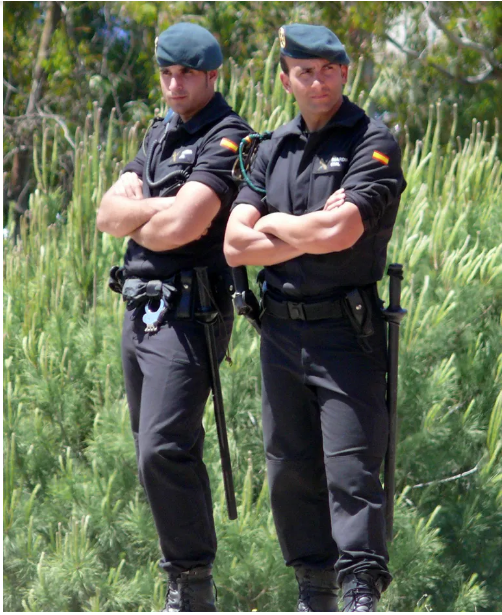
The old man stepped aside and pointed discreetly to two men sitting at the next table. They were regulars, Civil Guard officers off duty, enjoying their afternoon meal. The men put down their glasses and stood up, walking calmly and authoritatively towards the stage.

One of them, tall and stern, spoke first. ‘Good afternoon. We are officers of the Civil Guard,’ he said in clear but accented English, showing his badge. ‘Do you have a problem?’
Father straightened up, his face reddening. “Yes, there is a problem! We want to eat, and they refuse to serve us!” he snapped, pointing at me.
The officer’s gaze did not waver. ‘This establishment has rules, señor. The kitchen is closed, and you must abide by them. We ask that you lower your voice and stop disturbing the other guests.’
My father’s face darkened, and he muttered, ‘We are paying customers. We deserve to be served.’