
A second officer, shorter in stature but no less authoritative, intervened. ‘Sir, that is not the custom here. The rules apply to everyone.’
Realising that they were no longer welcome, the parents reluctantly gathered their belongings. The mother grabbed her child by the hand and pulled him towards the door. For a moment, it seemed that the ordeal was over.
When the family reached their car, one of the officers stopped and looked out the window. ‘Excuse me,’ he said, and went out into the street with his partner. My grandfather and I followed him with curiosity.

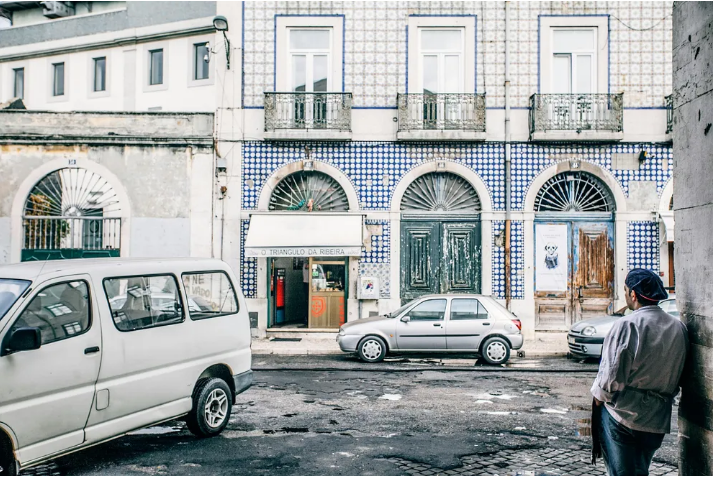
The family’s car was parked right in front of our garage, completely blocking the entrance. Above the garage hung a large hand-painted sign that read, ‘No parking — private property.’
The taller officer pointed to the sign. ‘Your car is parked illegally, sir,’ he said firmly.

‘It was only for a minute,’ my father said, waving him off. ‘We didn’t see the sign.’
The officer frowned. ‘A minute or an hour, it’s still a violation. I need to see your rental documents.’
My father grumbled as he rummaged through the glove compartment. The second officer inspected the car, photographing its position. After a few minutes, they exchanged glances and began filling out the ticket.
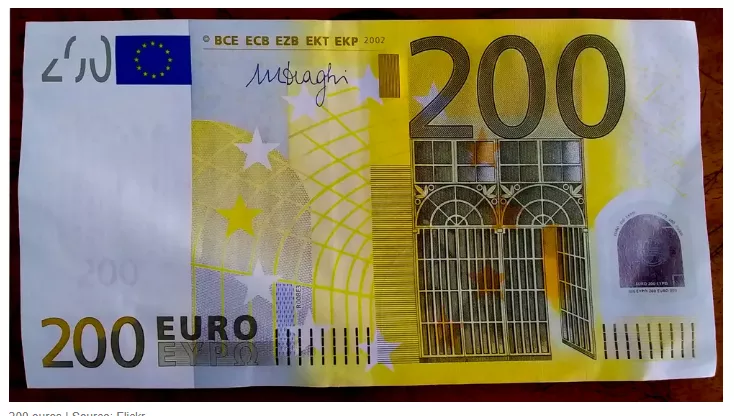
‘This is a fine for obstructing private access,’ said the taller officer, handing over the paper. ‘200 euros.’
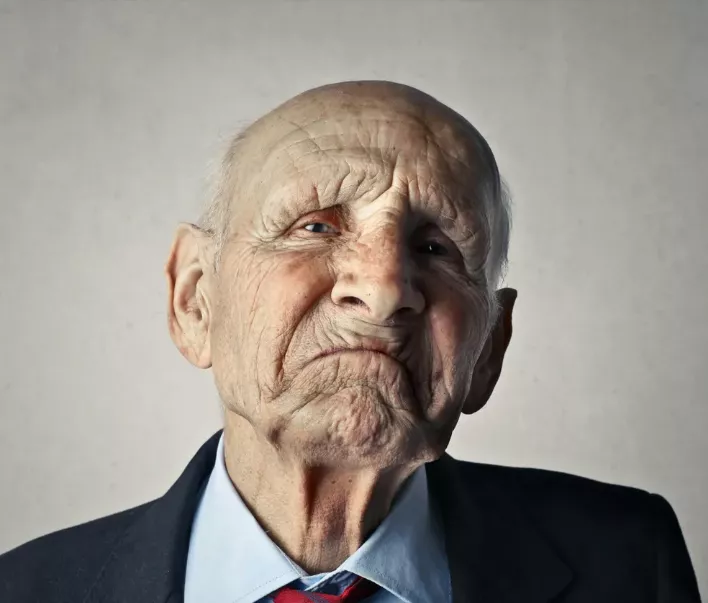
‘200 euros?!’ his mother exploded, her voice echoing down the street.
His father tried to protest. ‘This is outrageous! We’re tourists!’

‘Tourist or local, the law is the same,’ the officer said in a calm but firm tone.
My mother snatched the ticket, her face red with rage. Their child, now wailing loudly, added to the chaos as they huddled in the car.
When the family left, the tension eased. The restaurant filled with satisfied murmurs, locals shaking their heads at the tourists’ behaviour.
My grandfather returned to his seat, picking up his fork as if nothing had happened. One of the officers raised his glass, and my grandfather nodded in gratitude.
The atmosphere quickly heated up: the clinking of glasses and bursts of laughter filled the room again.
The whole village talked about that day, and the story became a local legend. It wasn’t just that the rude family had been fined, but that they had defended their dignity and respect.
Most of the tourists who come to us are kind and curious, eager to learn about how we live. But this family reminded us of the most important thing: wherever you go, kindness and humility go a long way.
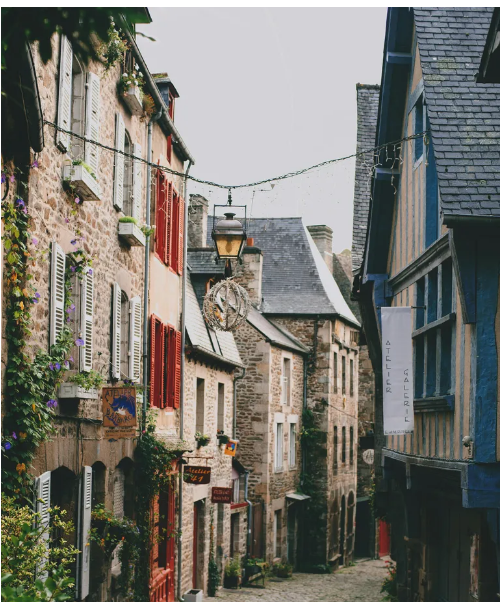
Here, in our small village, respect is not just a custom. It is a way of life.
A titled hotel manager mistook my mother for a maid — his boss made him regret it on our behalf

The day I became Dr. Alice was the best day of my life. I had just finished defending my doctoral thesis and could barely contain my excitement. As soon as it was over, I knew exactly what I wanted to do.
‘I’ll surprise my mum,’ I thought, gripping the steering wheel as I drove to our little cottage. My mum, Maria, had been my rock throughout this whole time. Every late night, every tear shed over failed experiments — she was there for me, supporting me.
When I arrived, she was, of course, in the garden. Mum could make anything grow. She always joked, ‘If I plant a stone, Alice, it will sprout leaves by spring!’ Her hands were covered in dirt, and her face glowed with the kind of joy she could only find in a bed of sunflowers.
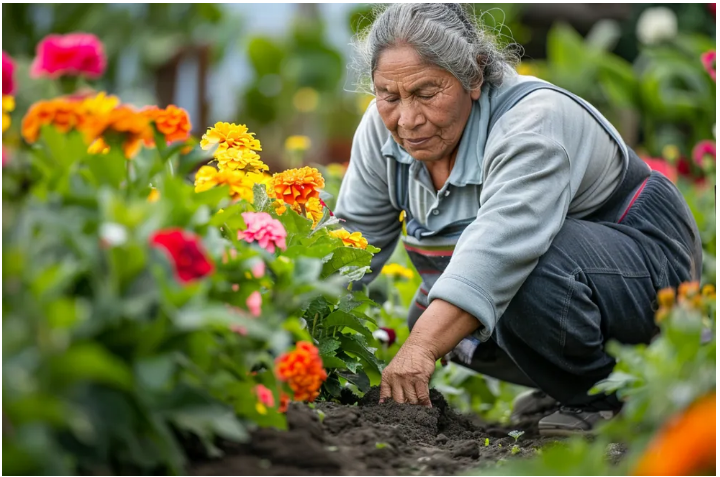
‘Mum, you won’t believe it!’ I shouted, running out onto the path.
She looked up, startled, then wiped her forehead with her glove. ‘Alice? What’s wrong?’ she asked, her voice full of concern.
‘Nothing’s wrong! I did it! I’m a Doctor of Philosophy now!’ I exclaimed, almost tripping over her gardening tools.
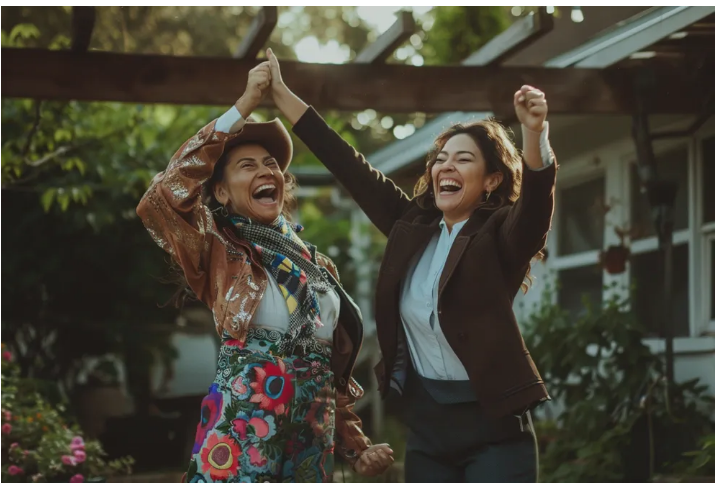
Her face lit up, brighter than any flower in her garden. ‘You did it? Oh, Alice, I’m so proud of you!’ She dropped everything and gave me a big hug.
‘We have to celebrate. A fancy restaurant, champagne, the whole shebang!’ I said, grinning.
Maria hesitated, looking down at her stained apron and dirty boots. ‘Oh, Alice, I’m not really dressed for a restaurant right now.’

‘Don’t worry about it, Mum. Trust me. Just put on something comfortable and let’s go. It’s your celebration too!’
She reluctantly agreed. Fifteen minutes later, we were in the car on our way to an upscale restaurant I had read about online.
When we pulled up to the restaurant, Mum looked worried. She tugged at the jumper she always wore when gardening. ‘Alice, I don’t think I belong here,’ she whispered.
“Relax, Mum. They’ll love us. It’s not about the clothes. It’s the moment that counts,” I said, squeezing her hand encouragingly.

The restaurant was filled with soft lighting and crystal glasses. A tall, thin man stood on a podium by the door. He had slicked-back hair and a name tag that read ‘Richard.’