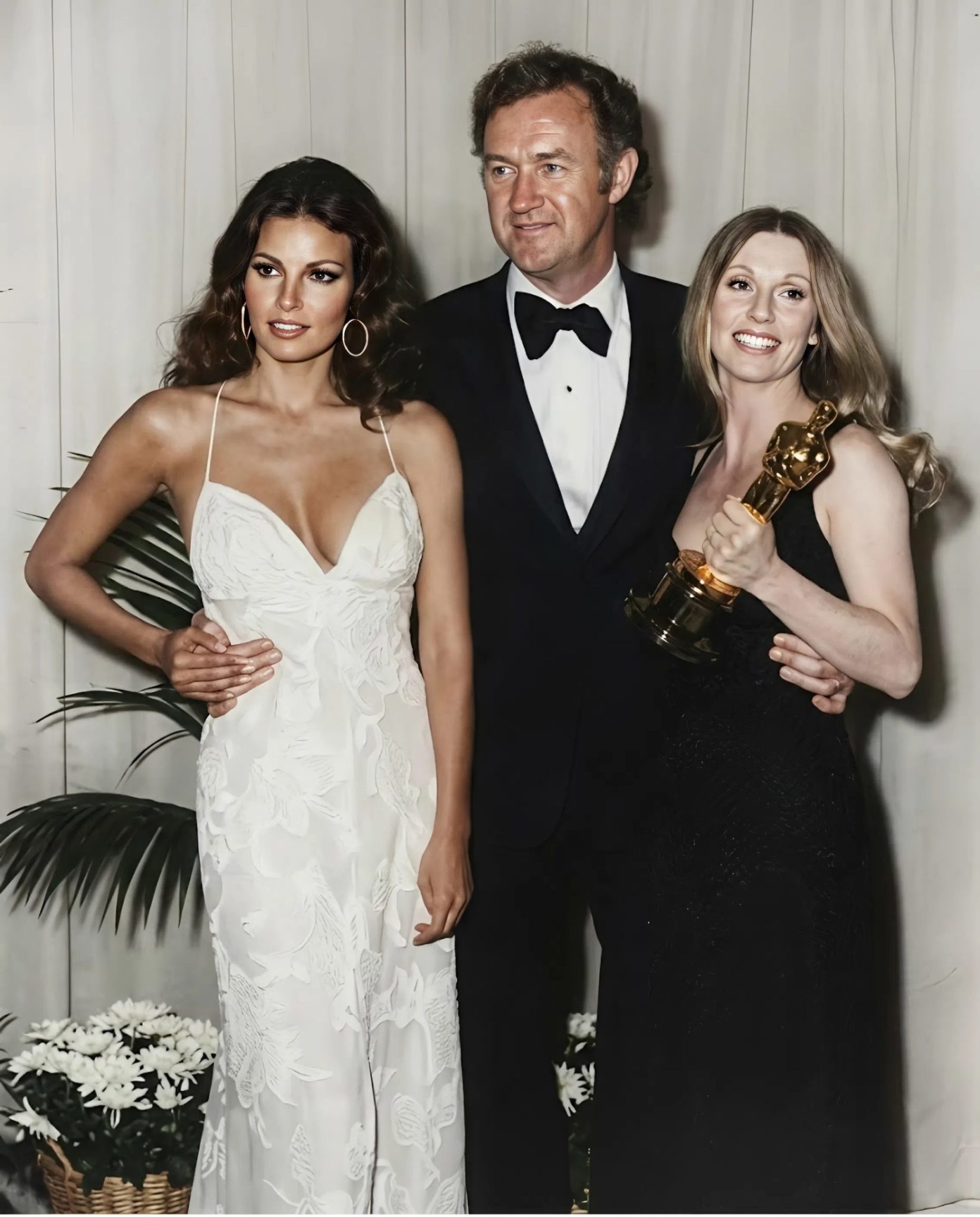
The Academy Awards consistently rank among the most prominent events of the year, offering us a rare opportunity to see our favorite stars up close.
While the Oscars naturally draw a massive audience every year, the 1972 broadcast was exceptionally mesmerizing. That year, the event transcended the boundaries of a standard award show; it evolved into a magnificent tribute that underscored the true glitz and glamour of the performers who commanded the stage.
If you have been a long-time viewer of the Oscars, you might have observed that the ceremonies can occasionally drag on and feel a bit tedious. Aside from brief flashes of sheer shock—such as the infamous Oscars slap—truly electrifying moments are often few and far between.
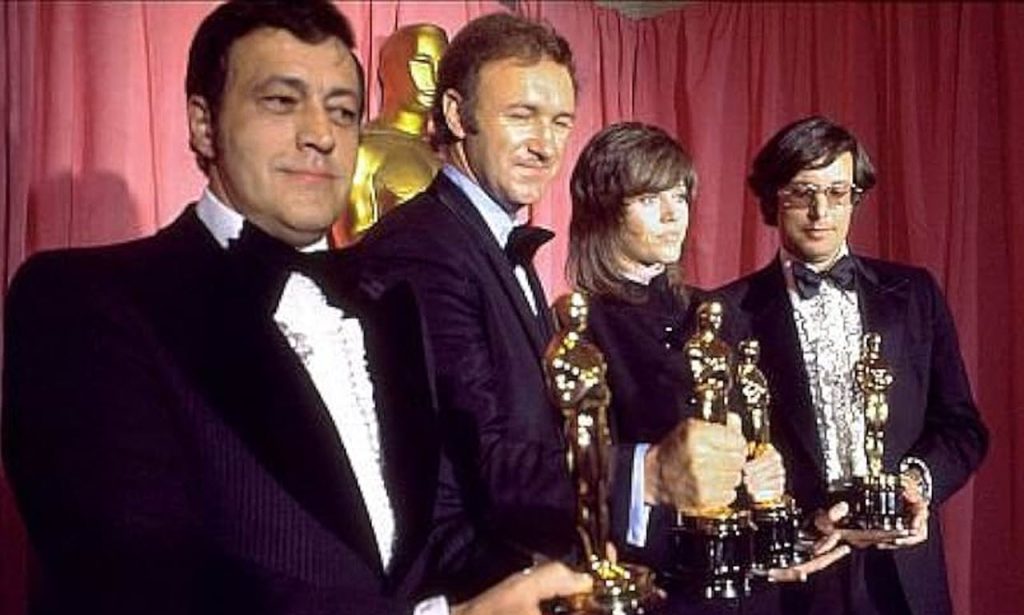
However, the atmosphere was entirely different back in 1972. When the 44th Academy Awards unfolded, the ceremony spotlighted some of the greatest cinematic masterpieces to ever grace the silver screen. The lineup included legendary classics like The French Connection and highlighted the talents of stars such as Jean Hackman.
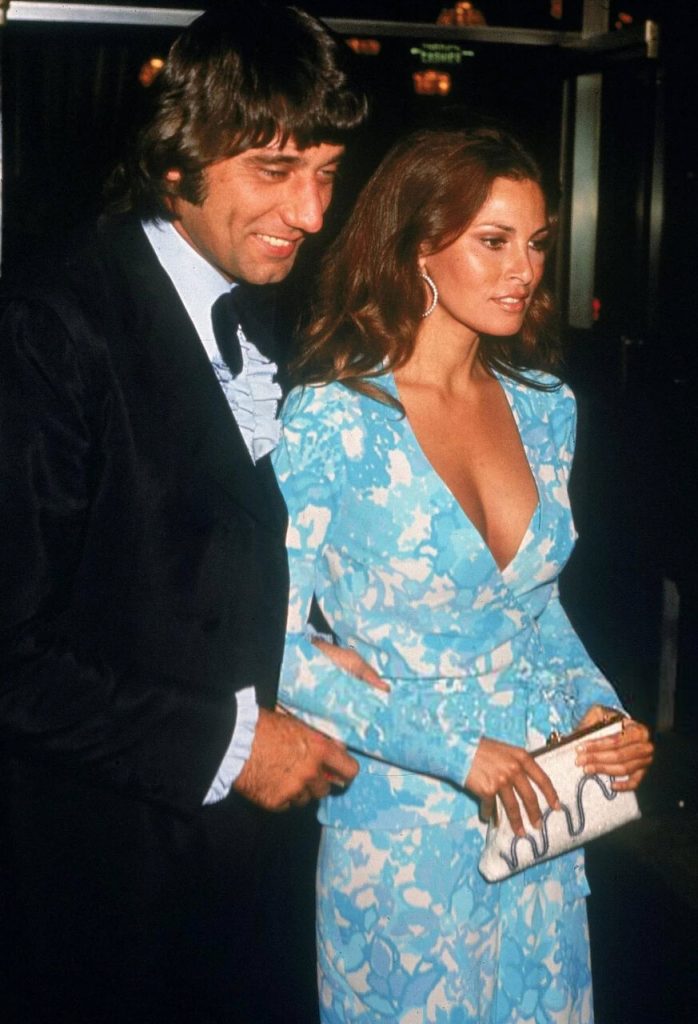
The French Connection was a highly innovative picture that revolutionized the film industry in multiple ways. Jean Hackman, who secured the Best Actor trophy that evening, reflected on his experience: “The film was completely different from anything I had ever done. I had never filmed so much outdoors, especially in winter and under those conditions where we were constantly working. I also don’t think I had ever been pushed as much by a director, which was incredibly beneficial for me.”
Despite his immense pride in the character he played, he was completely caught off guard by his victory. He later admitted that his mind went blank, and he couldn’t even remember his walk to the podium to claim the golden statuette.
The ceremony also paid tribute to several other monumental films that evening, including A Clockwork Orange, Fiddler on the Roof, and The Last Picture Show.
By 1972, the traditional golden age of Hollywood had begun to wane, yet its spirit remained undeniably vibrant and alive. Although the award show had started to embrace a more modernized aesthetic in the preceding years, the 1972 broadcast held onto a refined, classic elegance. One standout departure from tradition, however, was Jane Fonda, who boldly chose to attend wearing a stylish pantsuit.
Outside the doors of the Los Angeles Music Center, hordes of devoted fans waited with bated breath for a chance to see the arriving celebrities. At the same time, active protests were taking place nearby, prompting police officers to step in and maintain a barrier between the crowds and the demonstrators.
One major source of these protests centered around the Clint Eastwood movie, Dirty Harry. Even though the film had secured award nominations, numerous protesters argued that it actively glorified police brutality—a lingering critique that still provokes thought today.
The 1972 Oscars also carried a distinctly unique energy, particularly regarding its musical achievements. Isaac Hayes captured the Oscar for Best Original Song with his smash hit, ‘Theme from Shaft.’ In doing so, he shattered barriers and made history as the first African-American to ever secure that specific honor.
He subsequently delivered a breathtaking live performance that left the entire auditorium spellbound. Taking the stage shirtless and draped in chains, Hayes created a phenomenal spectacle that many consider the absolute highlight of the broadcast.
The legendary Betty Grable was also in attendance that evening, marking what would be one of her last major public appearances. She initially skyrocketed to fame in 1943 thanks to an iconic swimsuit poster, cementing her status as the ultimate pinup girl during World War II. At the height of her stardom, she famously had her legs insured for a staggering $1 million!
Another legendary figure honored during the ceremony was Charlie Chaplin. At the age of 82, the cinema pioneer walked onto the stage sporting his signature cane and derby hat. The audience of nearly 3,000 guests erupted into a thunderous standing ovation that endured for roughly 12 minutes—establishing a record that still stands in Academy Awards history.
The evening beautifully showcased different generations of Hollywood sharing the spotlight. Classic stars like Jane Russell, Macdonald Carey, and Jane Powell Kelly seamlessly mingled with a newer wave of icons including Jane Fonda, Jack Nicholson, Gene Hackman, Cloris Leachman, and Raquel Welch. It served as a perfect merging of the old guard and the new era.
Ultimately, the 1972 Academy Awards established a remarkable precedent for all future award ceremonies. While we can never travel back in time to experience that specific era again, it remains a profound joy to look back on entertainment history and cherish the spectacular moments we once witnessed.