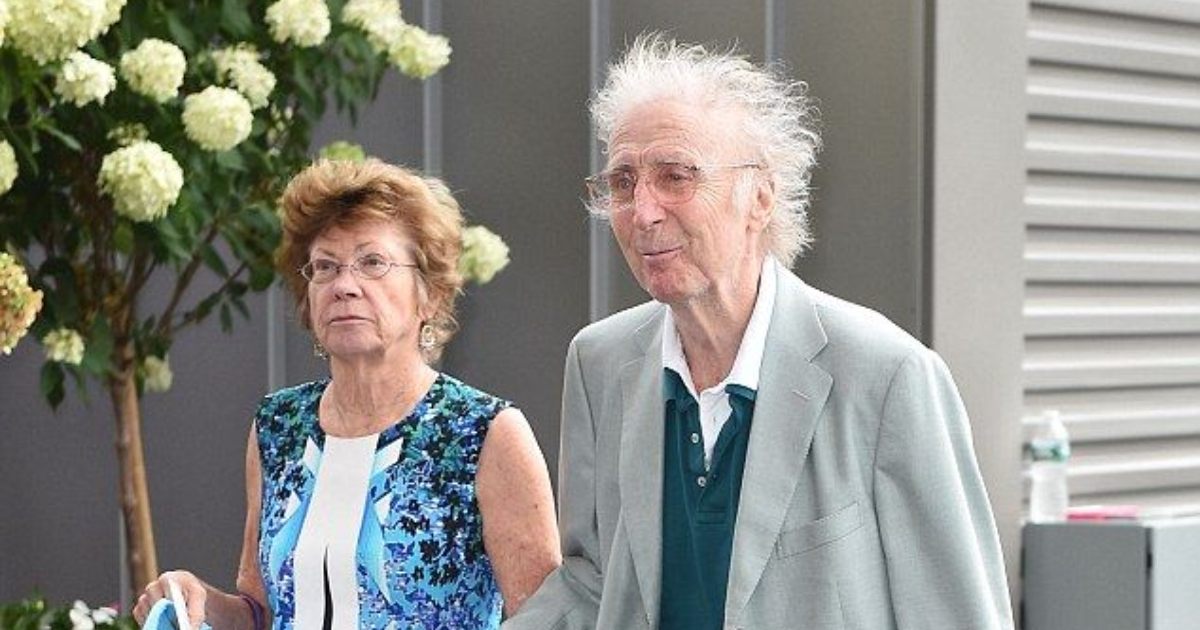
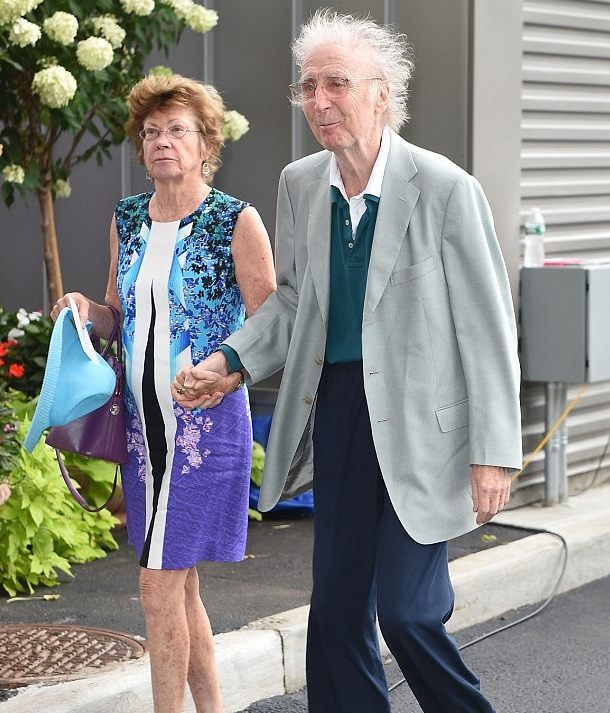
In the soft, somewhat pensive light of 2026, the world reflects: ten years have now passed since the passing of one of the most extraordinary masters of on-screen emotion. Looking back on Gene Wilder, it is impossible not to see a rare example of creative longevity — a man whose inner strength did not fade even when age had begun to leave its mark on his appearance. One of his last public appearances — in the stands at the US Open, wearing an elegant grey jacket and a green polo shirt — has preserved in the public’s memory his quiet, almost timeless charisma. Wilder was not merely an actor. He became the embodiment of a special, radiant smile, that very spark which in his youth seemed nervous and impetuous, but over the years transformed into a refined dignity from which it was still impossible to look away.
In the soft, somewhat pensive light of 2026, the world reflects: ten years have now passed since the passing of one of the most extraordinary masters of on-screen emotion. Looking back on Gene Wilder, it is impossible not to see a rare example of creative longevity — a man whose inner strength did not fade even when age had begun to leave its mark on his appearance. One of his last public appearances — in the stands at the US Open, wearing an elegant grey jacket and a green polo shirt — has preserved in the public’s memory his quiet, almost timeless charisma. Wilder was not merely an actor. He became the embodiment of a special, radiant smile, that very spark which in his youth seemed nervous and impetuous, but over the years transformed into a refined dignity from which it was still impossible to look away.
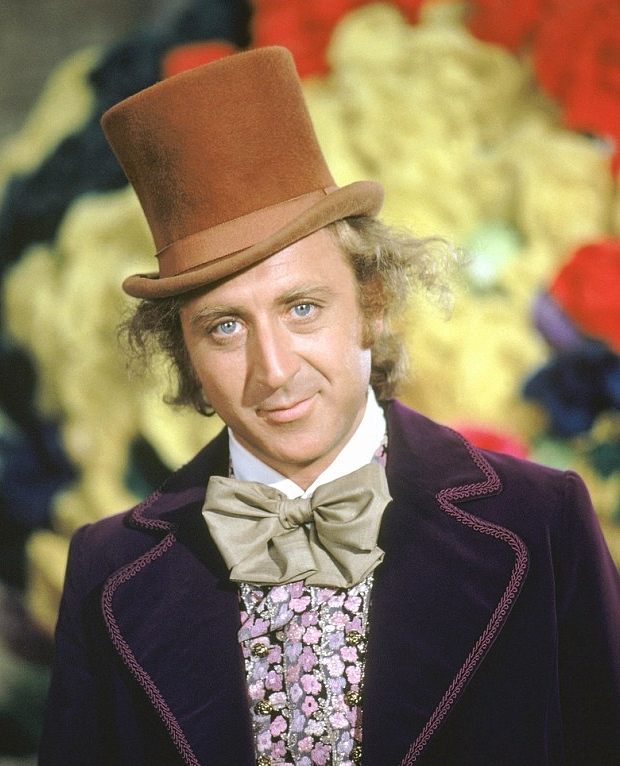
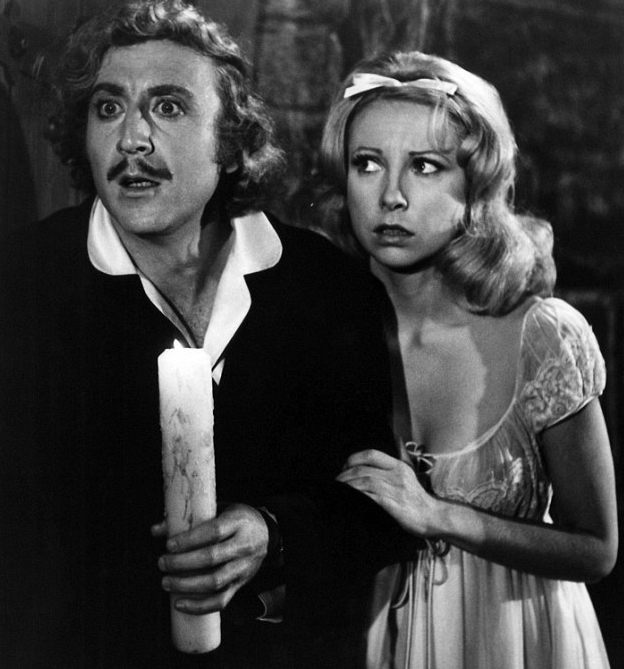
The start of his career is closely linked to his vibrant and truly unique partnership with Mel Brooks. Together they created films that are still regarded as a distinct chapter in the history of cinema. Whether it was the fussy Leo Bloom in The Producers or the eccentric genius in Young Frankenstein, Wilder always imbued his characters not only with humour but also with genuine heart. He was not afraid of bold decisions and readily took creative risks, combining wild, almost grotesque comedy with subtle human vulnerability. That is precisely why his roles were remembered not merely as funny, but as profound and accurate portrayals of people who have to be strong whilst remaining outsiders amongst others.
But behind his on-screen charm lay a deep personal pain that changed his life. Following the death of his wife, Gilda Radner, Wilder refused to let his grief consume him; instead, he managed to channel his loss into a cause that helped thousands of people. This is how Gilda’s Club came into being — a place of support for those facing cancer and life’s toughest challenges. Later, when he himself had to battle lymphoma, he met this challenge with the same calmness, fortitude and inner nobility. Even in the darkest times, Wilder did not allow his pain to rob others of the light he was able to give. His personal tragedy became a source of compassion and support, and his legacy consists not only of his roles, but also of the lives of the people to whom he offered a helping hand.
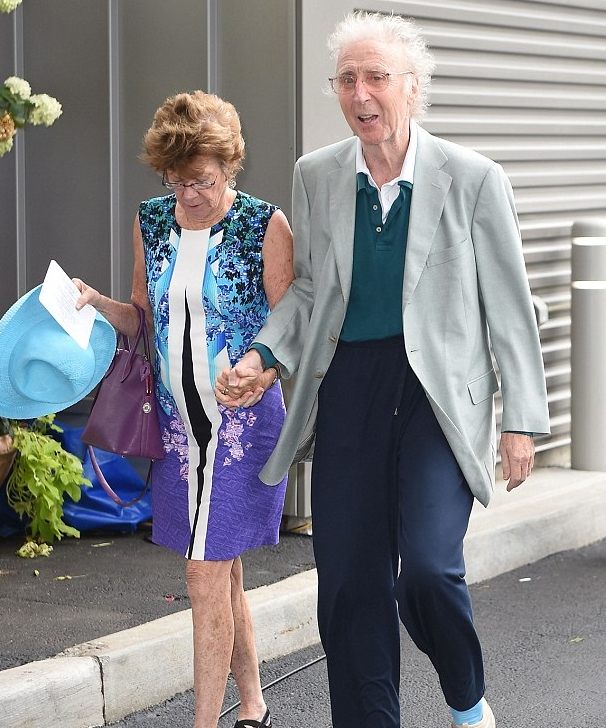
Ten years after his passing, it is becoming ever clearer with what dignity he lived out his final years. The decision not to publicly disclose his Alzheimer’s disease was, perhaps, his final act of care for others. According to those close to him, he did not want the world to lose even a single smile because of the sympathy and sadness associated with his condition. Today, Gene Wilder is remembered not only as a great actor with a rare gift, but also as a man who remained a beacon of light for dreamers and romantics. He did not merely play great roles — he created a life that in itself became a beautiful story of kindness, courage and gentle humanity. And the memory of him lives on as long as that very pure fantasy which he once gave to the world.