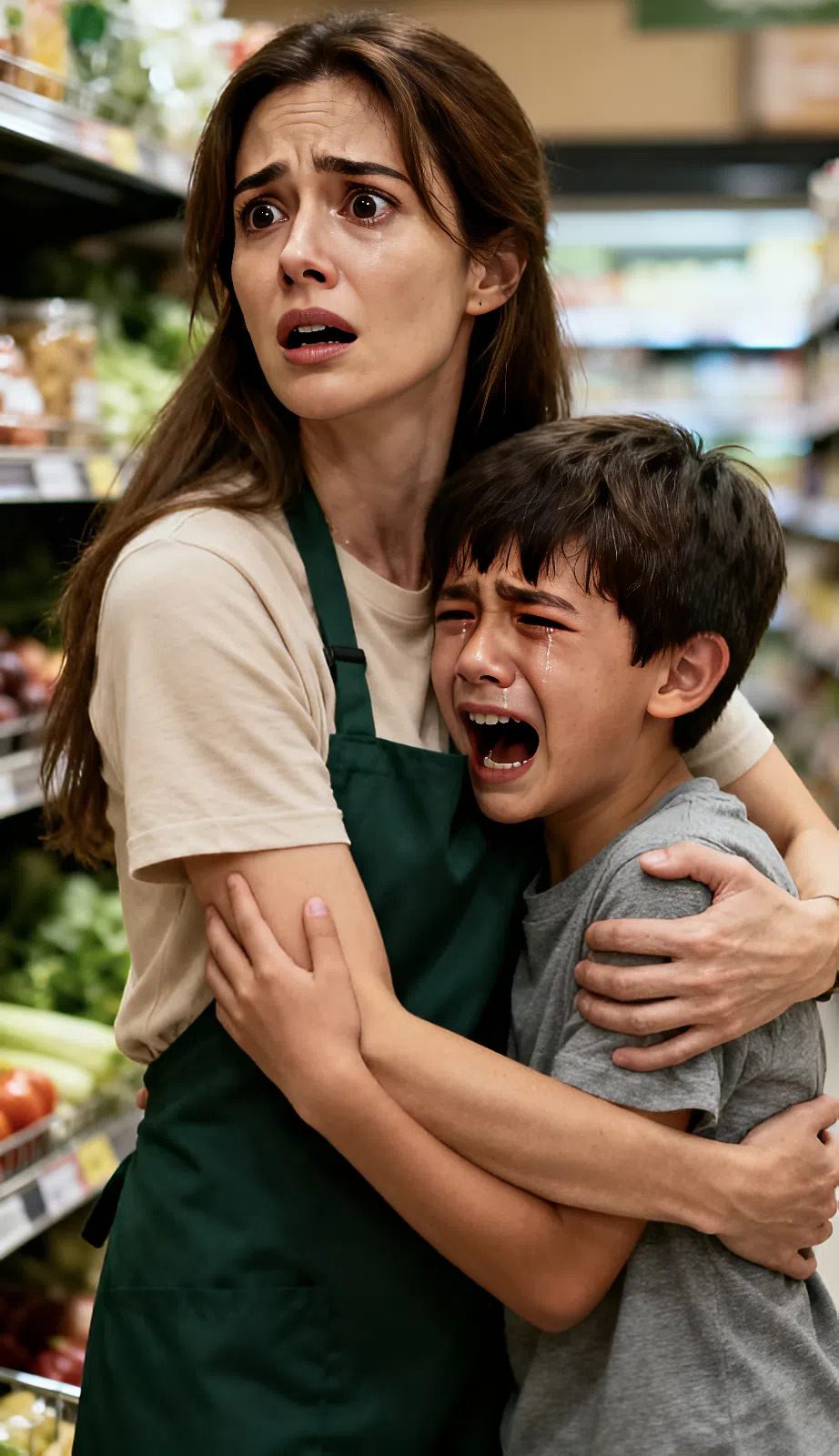
The following weeks were a blur of interviews, paperwork, and difficult conversations.
Michael was charged with disorderly conduct and issued a restraining order.
He was sent to mandatory treatment as part of a plea deal.
Daniel was found not guilty; the evidence confirmed self-defence.
But the relief did not erase the consequences.
Evan stopped sleeping at night.
He would jump at loud noises.
The therapist explained gently: even if children avoid physical harm, fear leaves its mark.
We changed our routine.
Daniel started working earlier.
I changed my shifts so that Evan was never left alone.
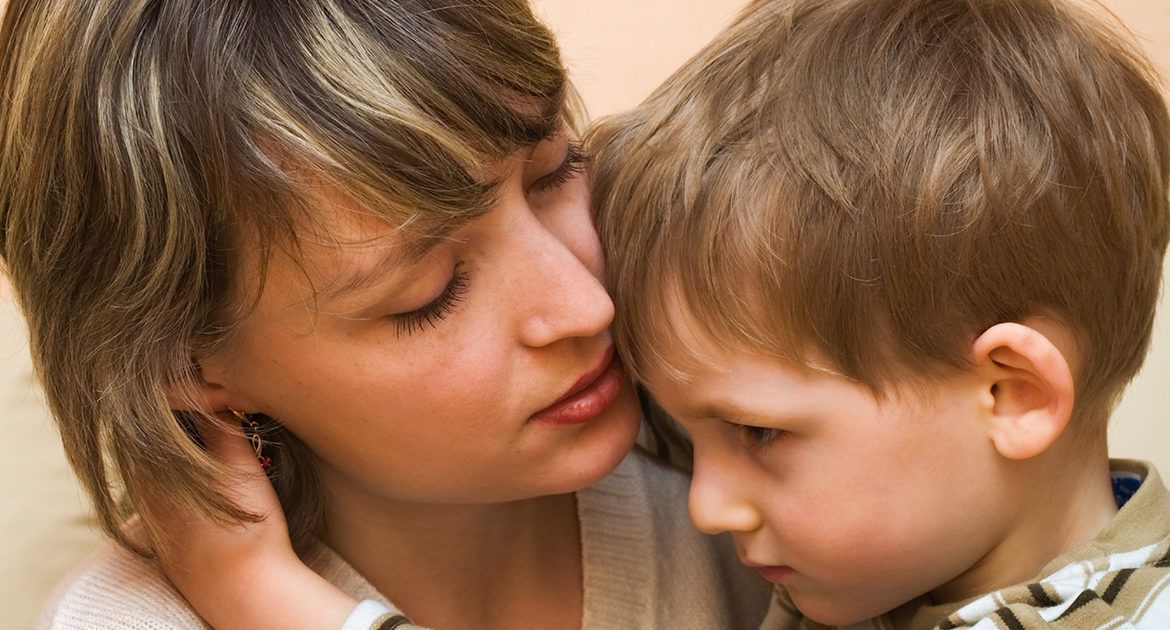
We talked — really talked — about what had happened, using words that Evan could understand without additional fear.
One afternoon, Evan asked, ‘Did I do the right thing?’
I knelt down in front of him.
“You did exactly the right thing.
You asked for help.”
He nodded seriously.
“I was scared.
But I knew where you were.”
It almost broke me.
Six months later, we sold the house.
Not because we had to, but because we needed a fresh start.
On moving day, Evan quietly looked around the empty rooms.
‘Are the police still mad at Daddy?’ he asked.
‘No,’ Daniel said quietly.
‘They just wanted everyone to be safe.’
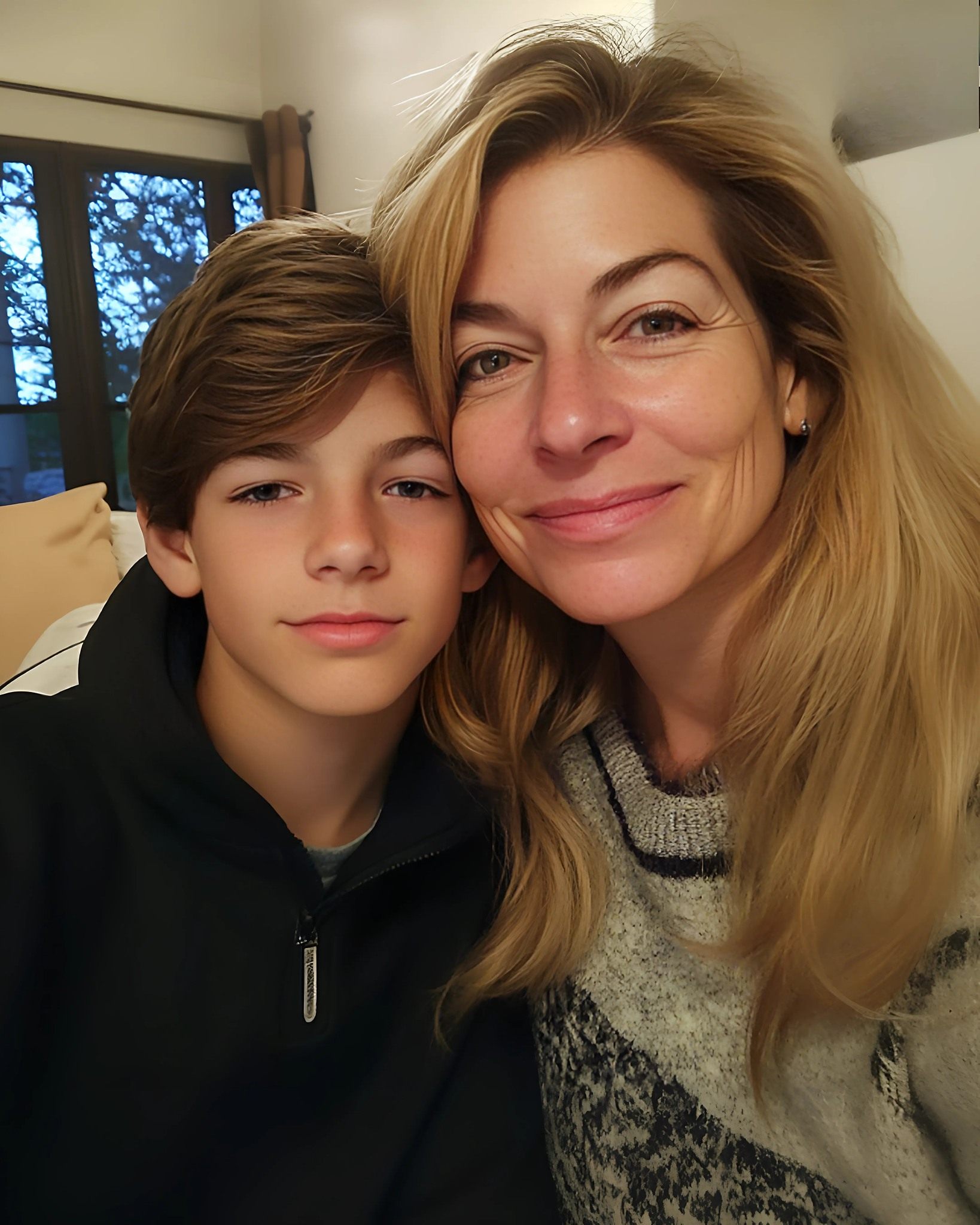
Life gradually calmed down.
Michael wrote a letter from treatment apologising.
We weren’t ready to respond, but we kept it.
Sometimes, when I drive past the supermarket, I imagine Evan bursting through those doors — small, scared, determined.
I think about how close we came to something much worse.
People think danger always looks dramatic.
Sometimes it looks like family stress, ignored warnings, and a child forced to make an adult decision.