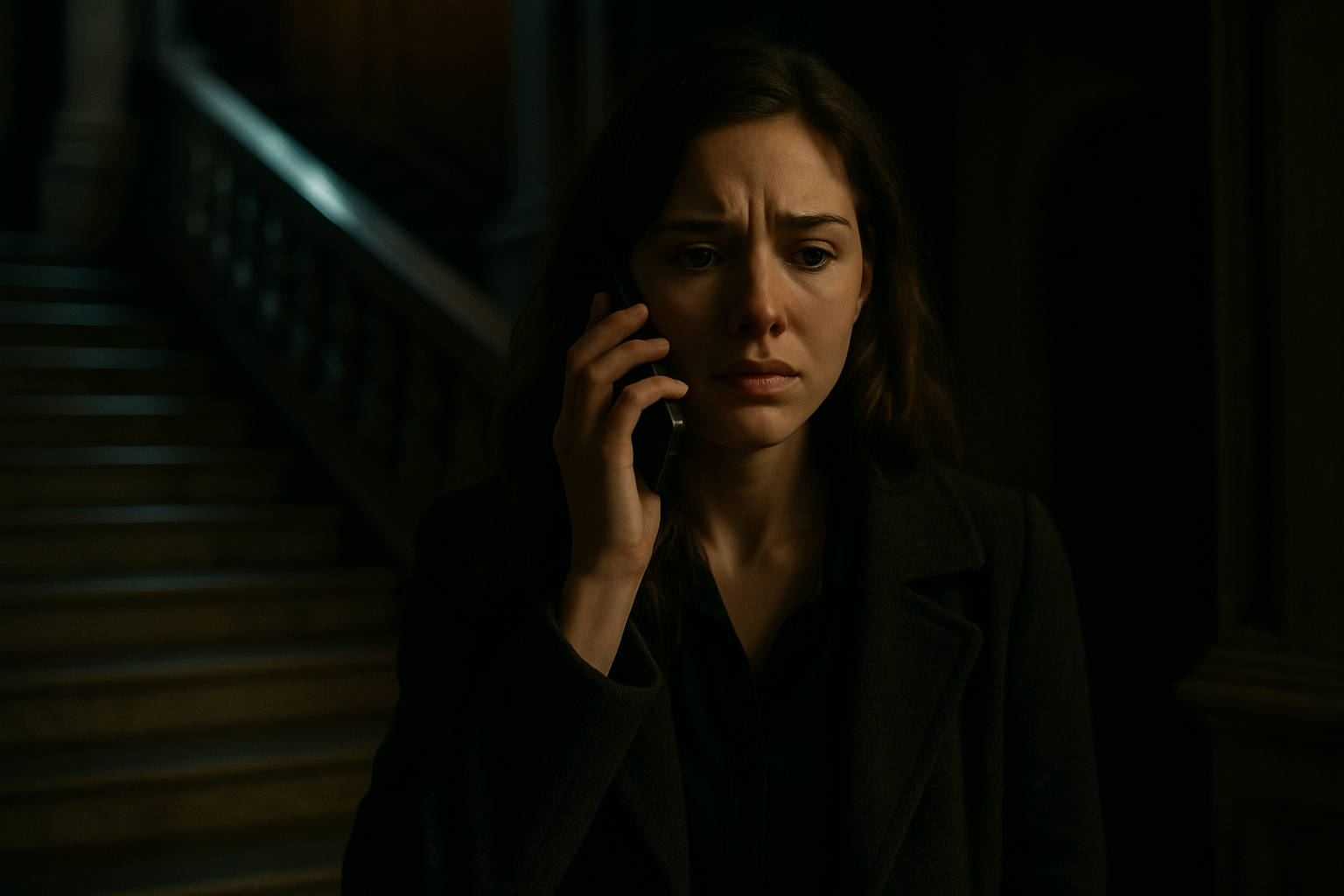
“He won’t get near her,” Nathan said.
Evelyn looked through the lounge window toward the NICU, where June slept beneath a blanket Nathan had bought because it had tiny lemons on it and he had declared all babies needed “aggressively cheerful fruit.”
“I know,” she said.
But knowing was not the same as peace.
The day June graduated from the incubator to an open crib, Angela cried.
She pretended she did not.
“I have allergies,” she said, adjusting June’s blanket with suspicious intensity.
“To babies?” Nathan asked.
“To difficult families.”
Evelyn stood beside the crib with both hands over her mouth.
June wore a white onesie with sleeves rolled twice and a hat too large for her head. Her oxygen support had been reduced to a nasal cannula. Her cheeks were rounder now, her fingers less like twigs. She still looked impossibly small, but no longer unreal. She looked like a person making demands.
Angela lifted her gently. “Ready?”
Evelyn sat in the rocking chair and opened her arms.
June came to her with a soft grunt.
No wires tangled between them this time except the thin oxygen tubing and monitor leads. Evelyn could see more of her daughter’s face. Could trace the delicate curve of her ear. Could count lashes.
Nathan took a picture.
“Don’t post that anywhere,” Evelyn said without looking up.
“I’m not Grant.”
The words landed, then softened.
Evelyn looked at him.
Nathan lowered the phone. “Sorry.”
“No,” she said. “It’s all right.”
Because it was true.
That was the strange thing about truth after violence: sometimes it hurt and healed at the same time.
June opened her eyes.
Evelyn smiled down at her. “Hello, my brave girl.”
June yawned, unimpressed by sentiment.
Nathan leaned over the crib. “She has my skepticism.”
“She has none of your qualities.”
“She has my hairline.”
“She has hair.”
“Exactly. An improvement.”
Angela laughed and wiped her cheek with the back of her wrist.
Weeks later, after one hundred and twelve days in the NICU, June came home.
The discharge process took six hours and felt like both liberation and an elaborate test designed to prove Evelyn was unqualified. Nurses reviewed medications, feeding plans, oxygen instructions, emergency signs, follow-up appointments, developmental risks, safe sleep, adjusted age, infection precautions. Nathan took notes with the solemn intensity of a man preparing for cross-examination.
Evelyn buckled June into the car seat with hands that shook.
“She’s too small for the world,” she whispered.
Angela knelt beside her. “The world will have to adjust.”
Evelyn looked at the nurse who had seen her at her most frightened, who had placed June against her chest for the first time, who had translated alarms into hope and setbacks into survivable facts.
“How do I thank you?” Evelyn asked.
Angela’s eyes softened. “Send pictures. Not too many. Just enough to prove you’re all right.”
Evelyn hugged her carefully.
Then Nathan carried the car seat as if it contained a crown jewel, a bomb, and his entire remaining faith in humanity.
At the hospital doors, Evelyn stopped.
For months, the outside world had existed as weather glimpsed through windows. Now it rushed toward her with sunlight, exhaust, voices, movement. No monitors. No nurses. No Angela within shouting distance.
Panic brushed cold fingers along her spine.
Nathan noticed. “We can take a minute.”
June made a small irritated sound from the car seat.
Evelyn looked down.
Her daughter’s eyes were closed, her mouth pursed as if she had already judged the air quality and found it lacking.
A laugh escaped Evelyn.
“All right,” she whispered. “You’re right. No dramatic pauses.”
They went home.
Home was not the house she had shared with Grant.
Nathan had arranged for its sale through attorneys while Evelyn was still in recovery. She never returned for her clothes, her books, or the framed wedding photographs that had once lined the upstairs hallway. Movers packed what she requested and donated the rest.
Instead, she and June moved into a sunlit apartment with wide windows, warm floors, and no staircase inside.
Nathan lived three floors below.
He claimed this was for convenience.
Evelyn claimed he was pathologically unable to mind his own business.
Both were true.
The nursery was pale yellow. The crib had been professionally assembled and then, at Nathan’s insistence, inspected twice. On the wall above it hung no family portraits, no curated display of wealth, no carefully staged image meant to prove anything to guests.
Only three framed prints: a moon, a lemon tree, and a small blue bird in flight.
June slept badly.
So did Evelyn.
Nights became a landscape of feeding alarms, oxygen checks, medication syringes, and the fierce parental terror of silence. Evelyn learned to wake before June cried. She learned the difference between a hungry sound, a tired sound, and the particular offended squeak June made when her sock came loose.
Sometimes, in the blue hour before dawn, Evelyn sat by the window with June against her chest and watched the city lift itself slowly out of darkness.