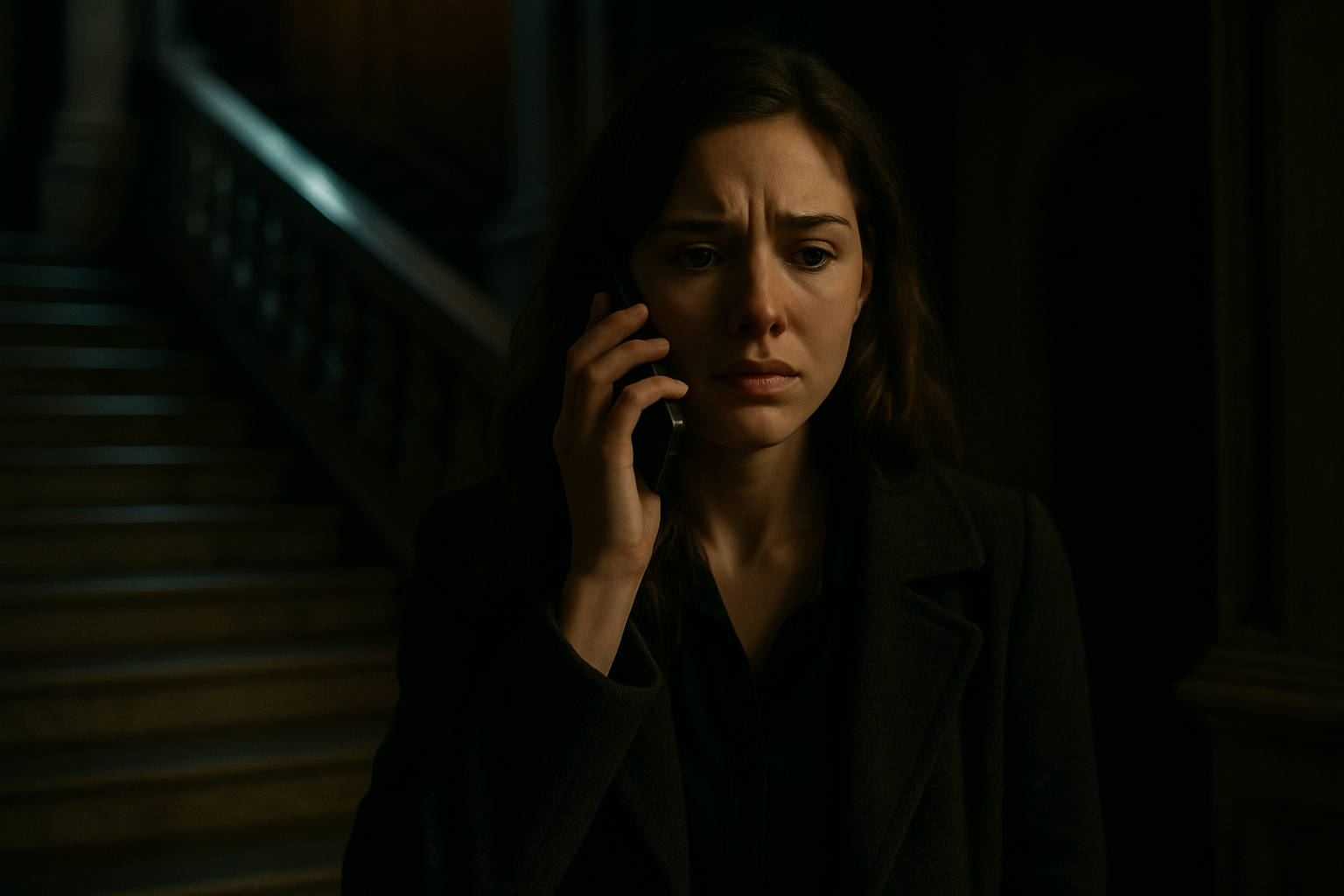
Rosalind looked older than she had at the charity dinners where Grant once moved through rooms like a man born to be admired. The sharp polish remained, but grief had put its thumbprint beneath her eyes.
“I won’t take much of your time,” Rosalind said.
Evelyn sat in an armchair near the window, one hand resting protectively over the abdomen that no longer held June but still ached as if memory had weight.
“I don’t have much to give,” Evelyn replied.
“I know.” Rosalind swallowed. “I wanted to tell you in person that we have recovered enough records to establish a restitution fund. Your attorneys will receive the formal details. Medical expenses, long-term care, security, anything June needs. It will not repair what happened.”
“No,” Evelyn said. “It won’t.”
Rosalind accepted the answer without flinching. “But it should exist.”
Evelyn looked past her to the NICU doors. “Grant used to speak about you as if you were a mountain he intended to climb.”
“He spoke that way about everyone,” Rosalind said. “People were terrain to him.”
Nathan’s jaw tightened.
Rosalind turned to him. “Your accountants found things my people should have caught sooner.”
“Yes,” Nathan said.
There was no cruelty in it. Only fact.
Rosalind nodded once, as if she deserved the blade and had decided not to step aside. “I am changing those systems. That is not your burden, Mrs. Mercer. But I wanted you to know.”
Evelyn winced at the name.
Rosalind noticed.
For a moment, no one spoke.
Then Rosalind said quietly, “Whatever you choose to call yourself after this, I hope it belongs only to you.”
It was the first thing she had said that did not sound drafted by lawyers.
Evelyn looked at her then. Really looked.
“Thank you,” she said, not because gratitude was simple, but because the sentence had reached a place the money could not.
Rosalind left soon after.
Nathan watched her go. “Do you believe her?”
Evelyn leaned back, suddenly tired down to the marrow. “I believe she understands consequences when they arrive at her own door.”
“That’s not the same as goodness.”
“No,” Evelyn said. “But sometimes it’s where people begin when goodness won’t come naturally.”
Nathan glanced at her, a faint smile touching his mouth. “You sound annoyingly wise.”
“I’m heavily medicated.”
“That explains it.”
She closed her eyes and rested her head against the chair.
Beyond the glass, the NICU hummed with fragile life.
June continued to fight.
The word fighting had become so common that Evelyn began to dislike it. Everyone called June a fighter, as if an infant had chosen battle, as if bravery were the same as being forced too early into pain. Evelyn knew better. June was not fighting because she was heroic. She was living because she had been born with no other task.
Some days were victories measured in drops.
One more milliliter of milk.
One gram gained.
One hour without an alarm.
One less tube.
Other days folded backward. June forgot to breathe and turned dusky beneath the monitors while Evelyn stood frozen until Angela’s calm hands brought color back into the tiny face. An infection scare placed her back under stricter watch. A feeding intolerance made her belly swell and stole two days of progress. Evelyn learned the cruel arithmetic of the NICU: hope could rise for a week and fall in a minute.
Nathan learned it too.
He learned to scrub his hands to the elbow without being told. He learned the names of June’s medications. He learned which chair had the least offensive squeak and which vending machine stole quarters. He brought Evelyn soup, clean socks, phone chargers, legal documents, silence.
Once, at three in the morning, Evelyn woke in the family sleep room to find him sitting on the floor with a stack of printed articles about premature infant development spread around him like a detective’s case file.
“You’re not a neonatologist,” she murmured from the narrow bed.
“No,” he said, highlighting something. “But if one of them uses the phrase ‘possible outcomes’ one more time, I’d like to understand whether I should panic or merely frown.”
“You frown either way.”
“I have range.”
She smiled into the pillow.
He looked up. The harsh fluorescent light made his face look drawn and younger somehow, stripped of all the courtroom armor. “Go back to sleep.”
“You should too.”
“I will.”
“You’re lying.”
“Obviously.”
Evelyn watched him for a moment. “Nathan.”
“Hm?”
“I don’t know how to be a mother like this.”
He set the highlighter down.
The machines outside the room beeped faintly through the wall.
“I don’t know how to do any of this,” she said. “I thought I would have months. I thought I would buy a crib and complain about swollen ankles and pack a hospital bag with too many socks. I thought I would be ready.”
Nathan rose from the floor and came to sit at the edge of the bed. “No one is ready.”
“I wasn’t even awake when she was born.”
His expression softened.
“I didn’t hear her cry,” Evelyn whispered. “I didn’t hold her. I didn’t tell her I was glad she was here. What if some part of her knows that?”