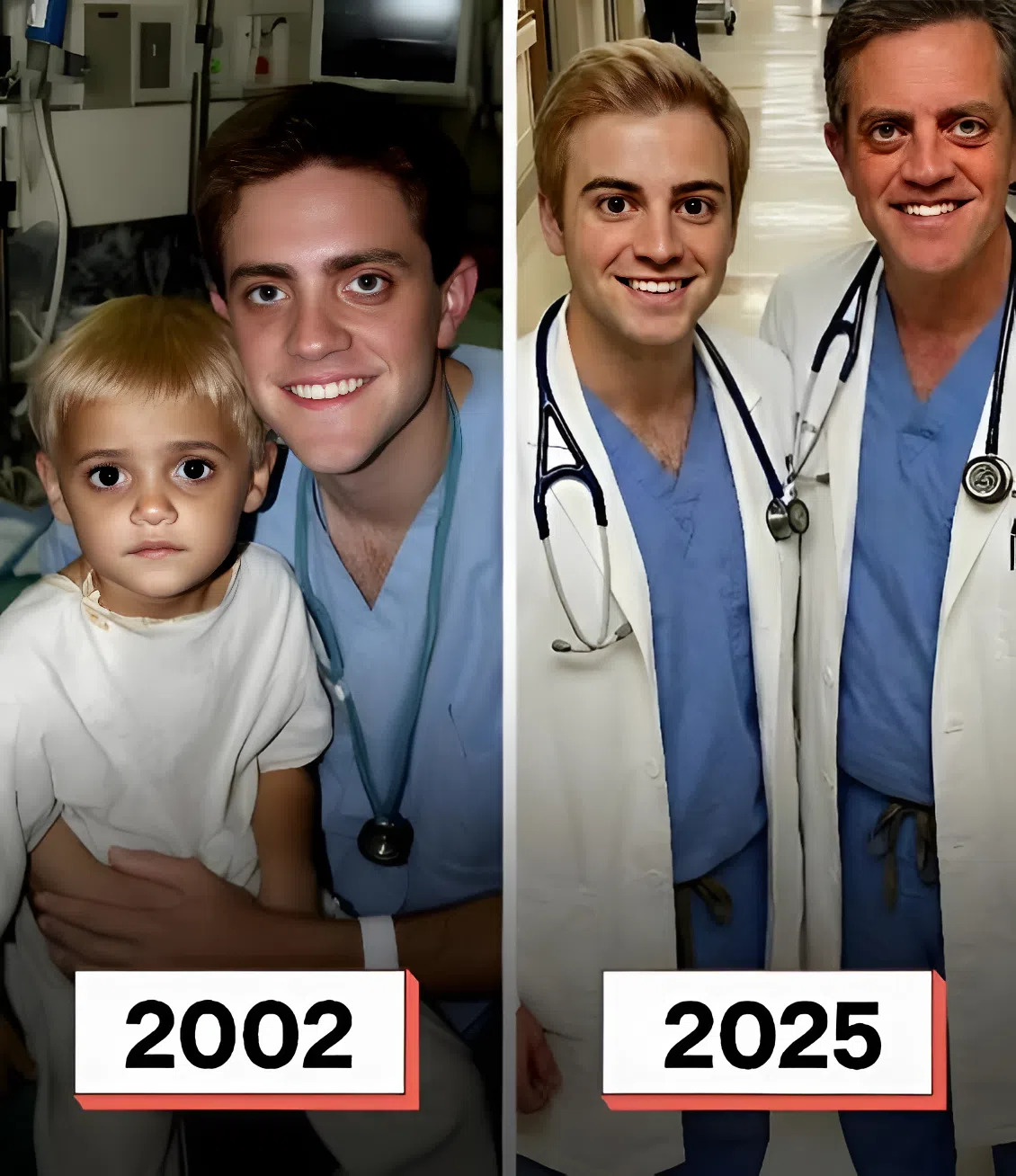
He didn’t sleep in his bed. He slept on the floor next to it, curled up in a ball, as if trying to disappear. I started sleeping in the doorway with a pillow and blanket, not because I thought he would run away, but because I needed him to understand that people could stay.
For months, he called me ‘doctor’ and Nora ‘madam,’ as if using our real names would make us too real and our loss too painful.
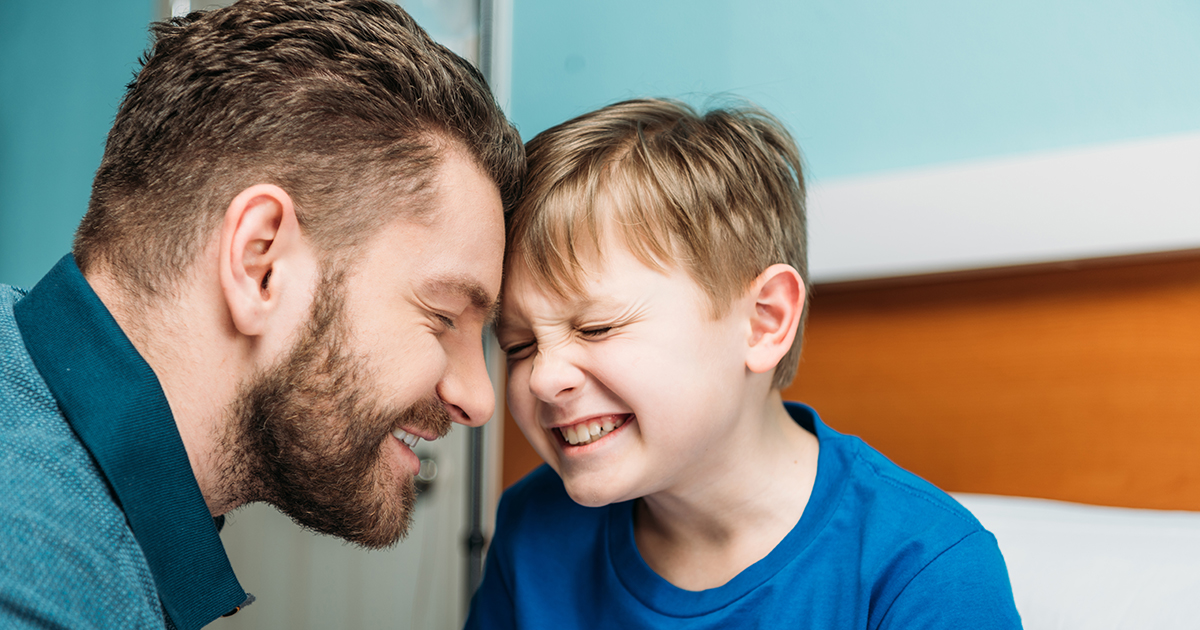
The first time he called Nora ‘mummy,’ he had a fever, and she was sitting next to him with a cold compress, humming something quietly. The word escaped his lips in his sleep, and as soon as his eyes opened, panic washed over his face.
He was sleeping on the floor next to her, curled up as if trying to disappear.
‘I’m so sorry,’ he said, choking. ‘I didn’t mean to…’
Nora’s eyes filled with tears as she stroked his hair. ‘Darling, you should never apologise for loving someone.’
After that, something changed. Not immediately. But gradually, like the sun, Owen began to believe that we weren’t going anywhere.
The day he fell off his bike and badly scraped his knee, he cried out, ‘Daddy!’ before his mind could stop his heart. Then he froze, scared, waiting for me to correct him.
After that, something changed.
I just sat down next to him and said, “Yes, I’m here, buddy. Let’s take a look.” His body relaxed with relief.
We raised him with consistency, patience, and so much love that it sometimes felt like my chest would burst. He grew up to be a thoughtful, determined child who volunteered at shelters and studied as if his life depended on it. Education became proof to him that he deserved a second chance.
When he grew older and began asking difficult questions about why he had been abandoned, Nora never sugarcoated the truth, but she didn’t poison it either.
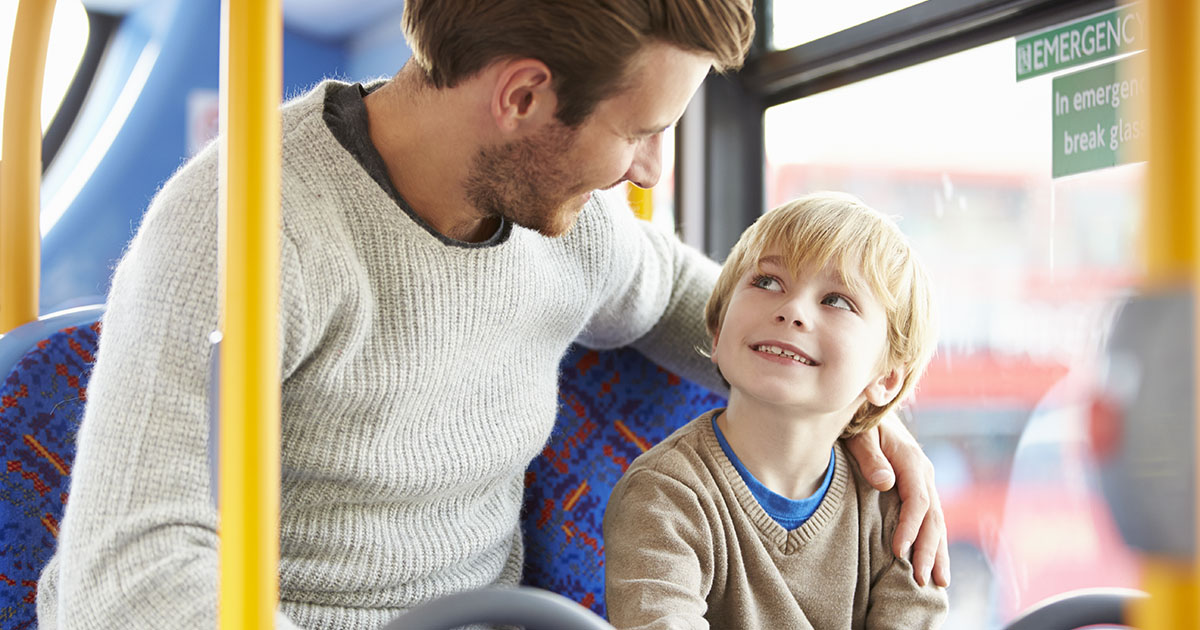
‘Sometimes people make terrible choices when they’re scared,’ she told him gently. ‘It doesn’t mean you weren’t worth keeping. It means they couldn’t see past their fear.’
Owen chose medicine. Paediatrics. Surgery. He wanted to save children like himself… those who come in afraid and leave with scars that tell stories of survival.
On the day he was accepted into residency at our hospital, he didn’t celebrate the occasion. He came into the kitchen where I was making coffee and just stood there for a minute.
‘Sometimes people make terrible choices when they’re scared.’
‘Are you okay, son?’ I asked.
He slowly shook his head, tears streaming down his face. ‘You didn’t just save my life that day, Dad. You gave me a reason to live.’
Twenty-five years after first meeting Owen in that hospital bed, we became colleagues. We wrote surgical notes together, argued about techniques, and drank terrible coffee in the cafeteria between cases.
You gave me a reason to live.
And then, one Tuesday afternoon, it all came crashing down.
We were immersed in a difficult operation when my pager went off with a code — a personal emergency, redirected through the operating theatre.
Nora. Admissions ward. Car accident.
Owen saw my face go white and didn’t ask any questions. We ran.
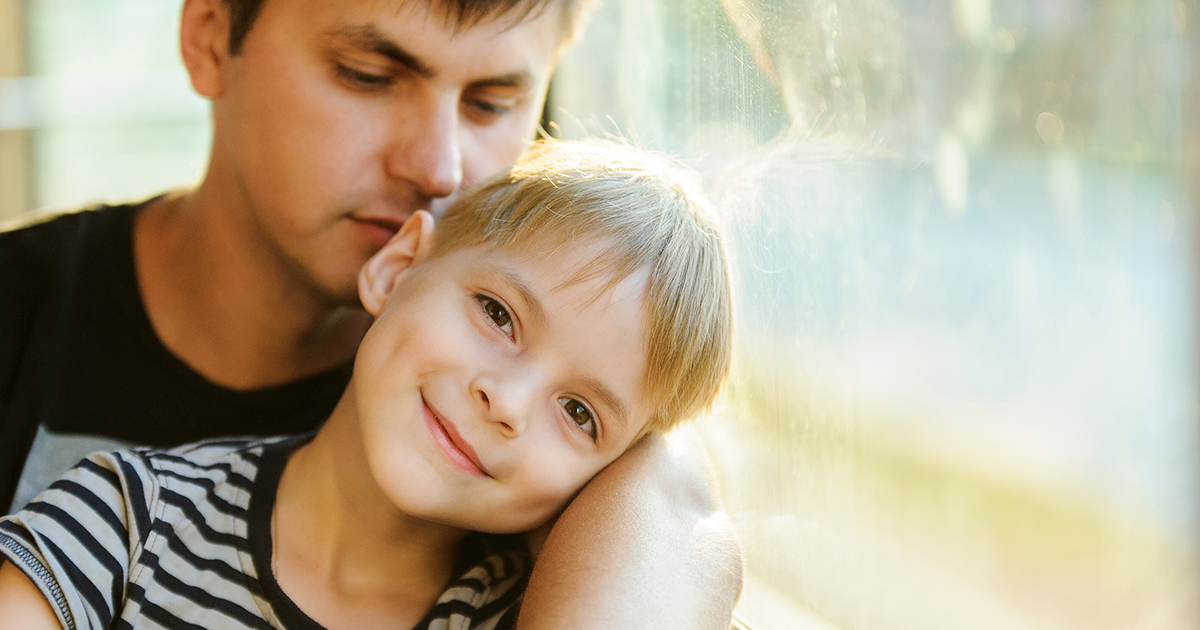
Nora was lying on a gurney when we burst in, bruised and shaking but conscious. Her eyes met mine immediately, and I watched her try to smile through the pain.
Nora was lying on a gurney when we burst in.
Owen was instantly by her side, taking her hand. ‘Mummy, what happened? Are you all right?’
‘I’m fine, darling,’ she whispered. ‘A little shaken up, but I’m fine.’
That’s when I noticed the woman standing awkwardly at the foot of the bed.
She was perhaps in her fifties, wearing a worn coat despite the warm weather, with scratched hands and eyes that looked as if they had cried until they were dry. She looked as if she had been living in difficult conditions for some time. She looked painfully familiar.
She looked painfully familiar.
The nurse saw my confusion and quickly explained. ‘This woman pulled your wife out of the car and stayed with her until the ambulance arrived. She saved her life.’
The woman nodded, her voice hoarse. ‘I just happened to be there. I couldn’t just walk away.’
It was then that Owen looked at her for the first time.
I watched my son’s face change as if someone had flipped a switch. The colour drained from his cheeks, and his grip began to loosen.
I watched my son’s face change as if someone had flipped a switch.
The woman’s eyes dropped to where the collar of his surgical gown was slightly raised, revealing the thin white line of his surgical scar — the one I had given him 25 years ago.
Her breathing became audible, and her hand flew instantly to her lips.
‘Owen?!’ she whispered, his name spoken by her lips sounding like a prayer and a confession at the same time.
My son’s voice sounded strained. ‘How do you know my name?’
Then the woman’s tears began to flow, silently and continuously. ‘Because I’m the one who gave it to you. I’m the one who left you in that hospital bed 25 years ago.’