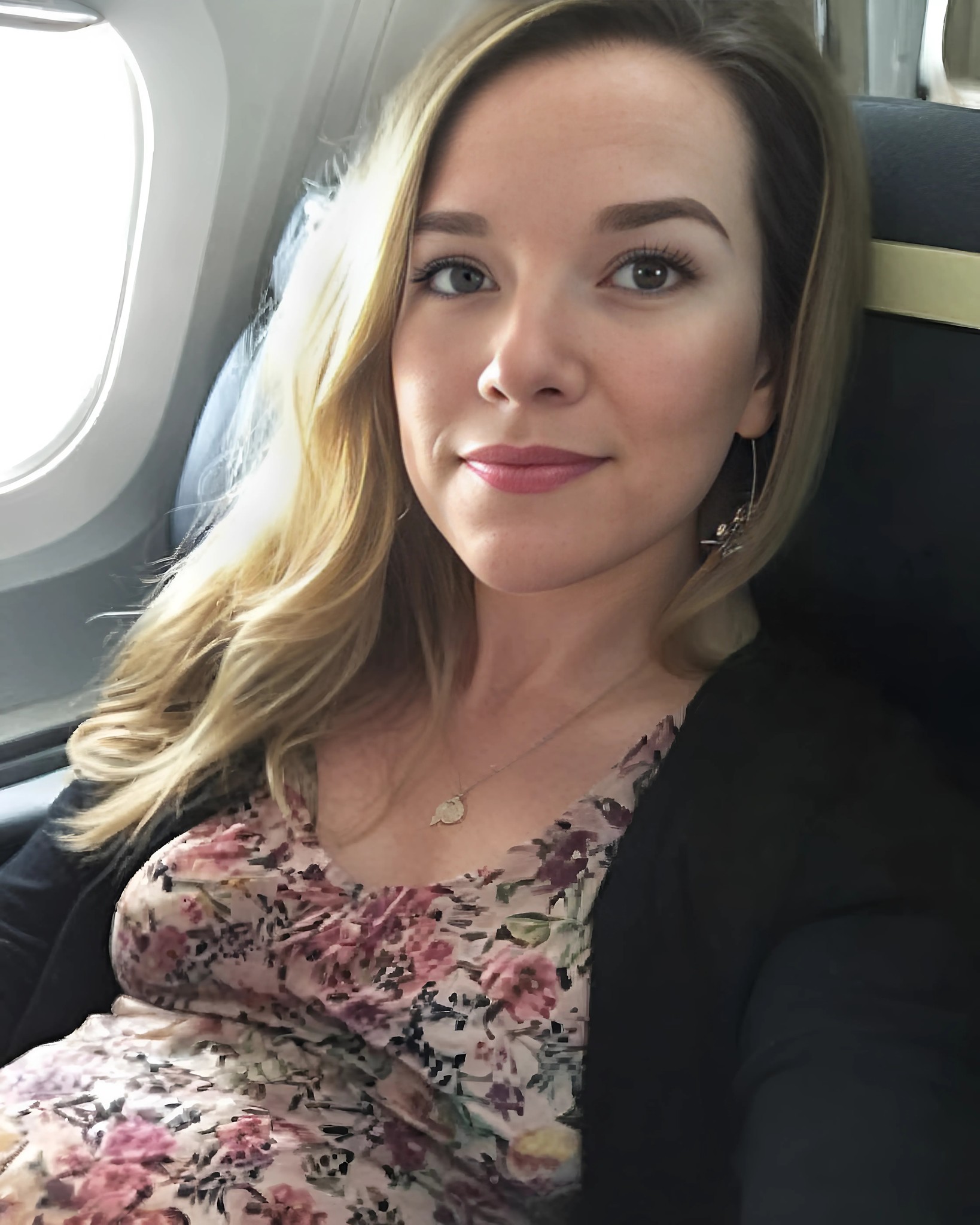
The flight attendant’s sudden transformation from polite to authoritarian made me question every aspect of the situation. Had I inadvertently broken some obscure rule? Was there some hidden protocol I was unaware of? My mind raced, conjuring up scenarios that seemed increasingly implausible. The lack of a clear explanation heightened my vulnerability.
However, the stranger’s intervention suggested another point of view. In a measured voice, he cautiously asked for clarification, questioning why I was being treated so humiliatingly. His words, though gentle, carried a note of authority and sympathy as he attempted to piece together an event that did not conform to airline standards.
Questioning airline standards
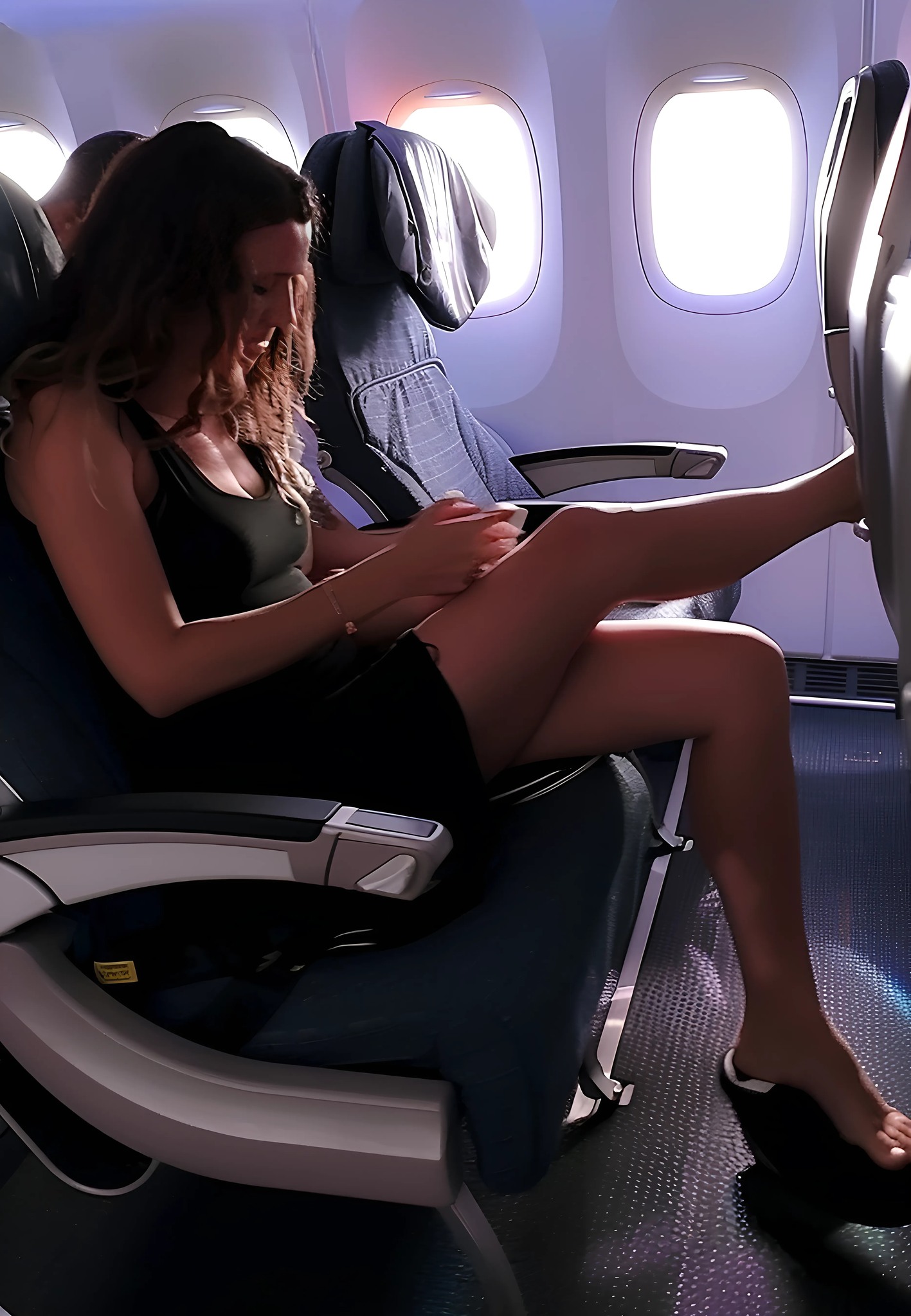
In the days that followed, I couldn’t get the incident out of my mind. I was tormented by endless questions: Were these actions in line with airline policy? Was I unfairly singled out because of my pregnancy, or did the misunderstanding simply get out of hand?
Determined to find answers, I studied the airline’s rules and crew procedures. What I discovered troubled me: no existing protocol allowed a crew member to force a passenger — especially a pregnant woman — into such a humiliating position without cause or explanation. The rules exist precisely to ensure respectful treatment of all travellers, regardless of their circumstances.
This discrepancy between the official rules and my own experience strengthened my resolve to seek clarity. I reached out to advocacy groups, lawyers, and other potential witnesses. In talking with them, a disturbing truth emerged: sometimes the power dynamics on board an aircraft can lead to abuse, leaving passengers feeling helpless and humiliated.
The psychological damage of intimidation
The psychological damage caused by such humiliation during a flight is enormous, especially for those who are already emotionally vulnerable. After this incident, I was overcome with anger, confusion and a sense of insult.
Night after night, I replayed this humiliating scene in my mind. The image of me kneeling was deeply ingrained in my memory — a stark reminder of the dignity that had been stripped from me by those entrusted with the safety of passengers. This experience severely undermined my trust in the airline’s management and caused lasting anxiety about flying.
Turning pain into advocacy
In the weeks following the incident, I found healing by sharing my story. Conversations with friends, family, and ultimately a wider circle of people turned into discussions about passenger rights and airline accountability.
Through online platforms and public forums, I learned about other people with similar stories, which reinforced the need for systemic reform. Together with fellow advocates, I demanded clearer instructions, improved staff training, and greater accountability, striving to ensure that no traveller would ever again face such cruel treatment.
Although this incident was painful, it became a catalyst for my journey toward empowerment, advocacy, and ultimately systemic change in the airline industry. It highlighted the need for passenger dignity, accountability of authority figures, and compassionate interaction during all travel experiences.