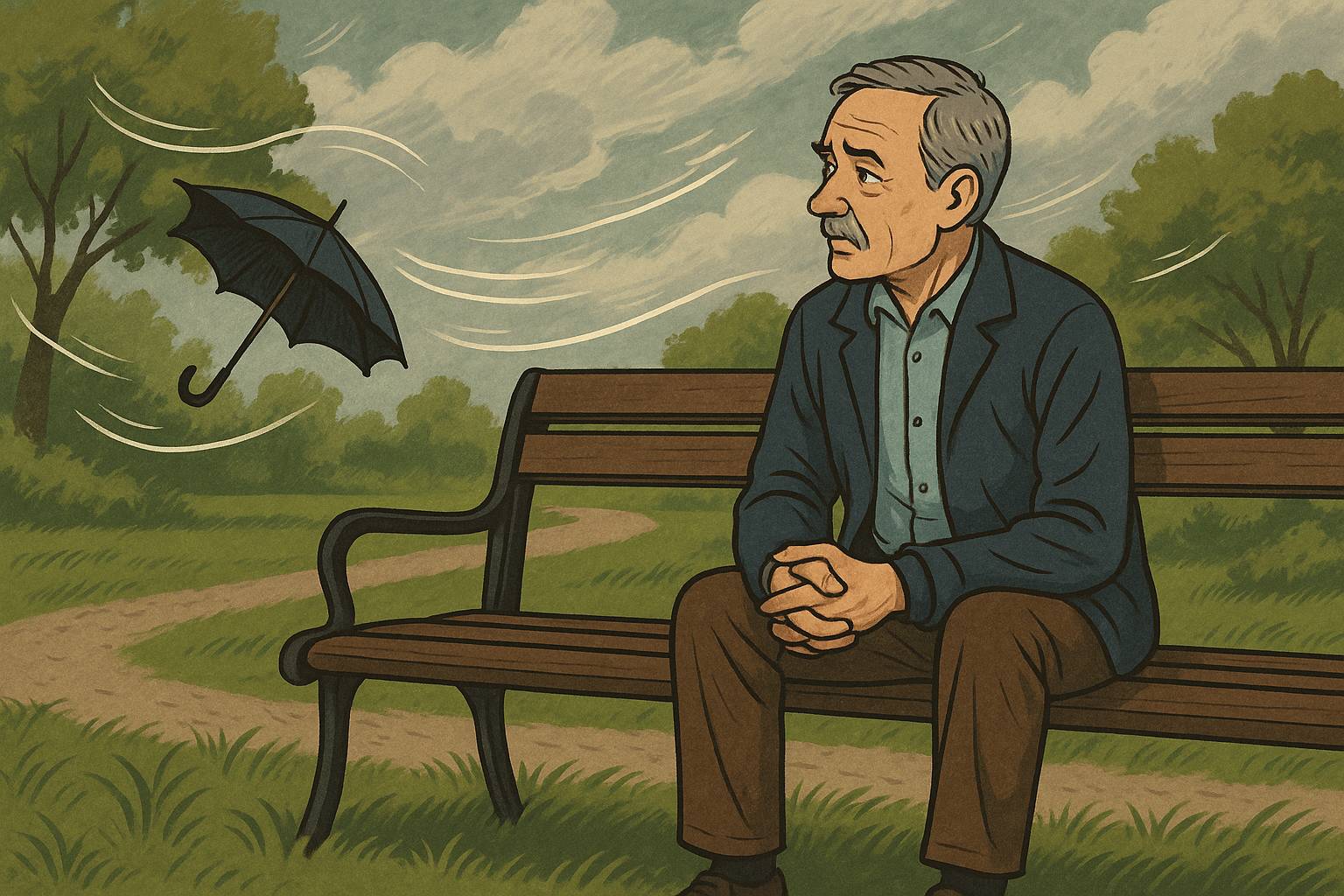
A man leaves his umbrella next to a bench in the park. He keeps glancing towards the bench, and no one approaches it, yet the umbrella disappears all the same. At first glance, the mystery seems inexplicable—until nature comes into play. The answer is simple: a strong gust of wind could have blown the umbrella away whilst the man was distracted. This simple solution reminds us that not all mysteries are linked to human cunning. Sometimes the clearest explanations are provided by the environment and ordinary natural circumstances, which we simply fail to take into account in the moment.
A locked room without a lock
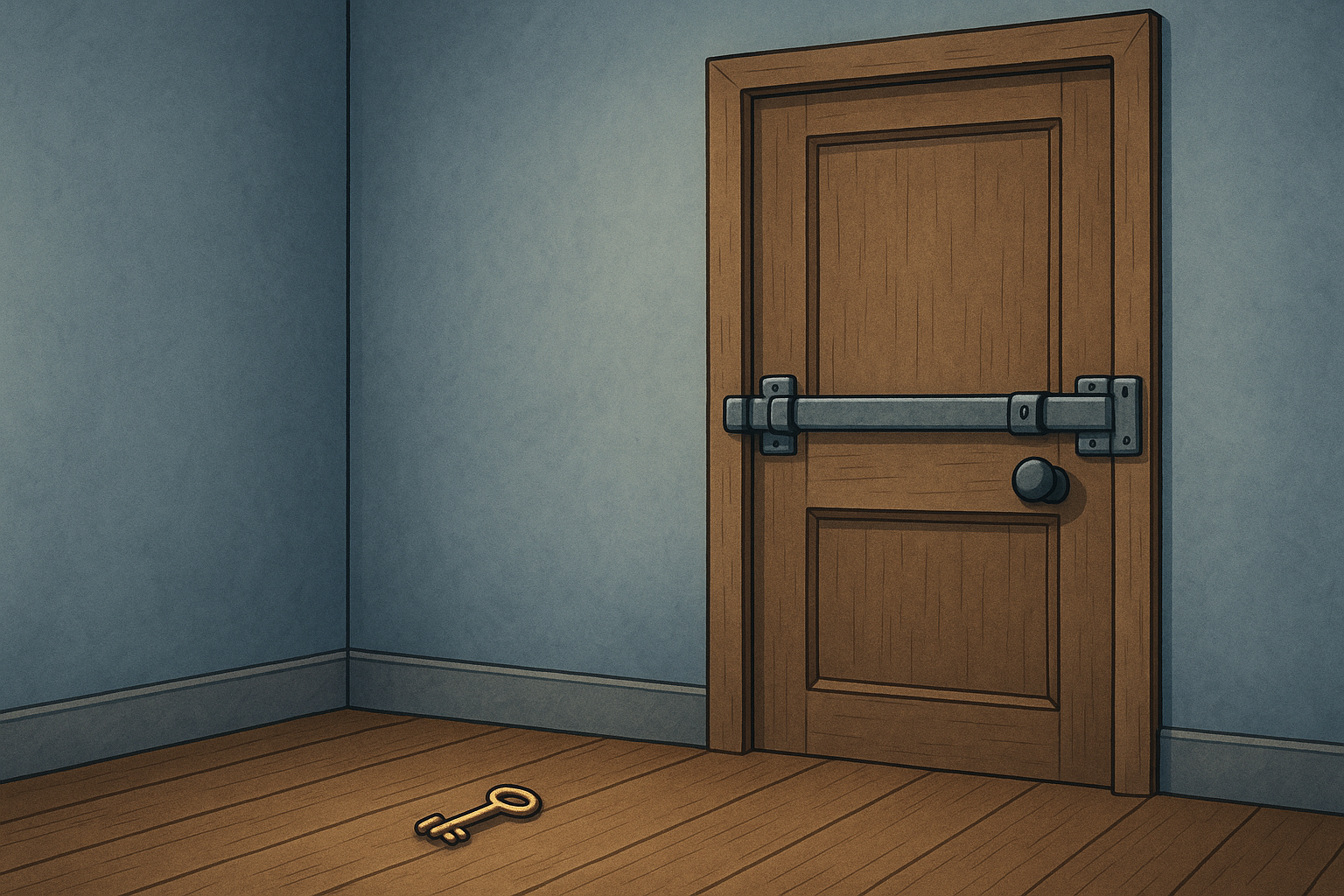
This puzzle describes a windowless room with a bolted door and a key on the floor. It seems there is no way out, and you feel as though you are trapped. But if you look more closely at the details, the way out becomes obvious. The solution is almost disappointingly simple. The bolt is merely a decorative detail. The key is irrelevant. In fact, the door isn’t locked at all — you simply need to push it open and walk out. This puzzle perfectly illustrates how overthinking can hold us back more effectively than a real physical barrier.
Deceptive labels and cognitive traps
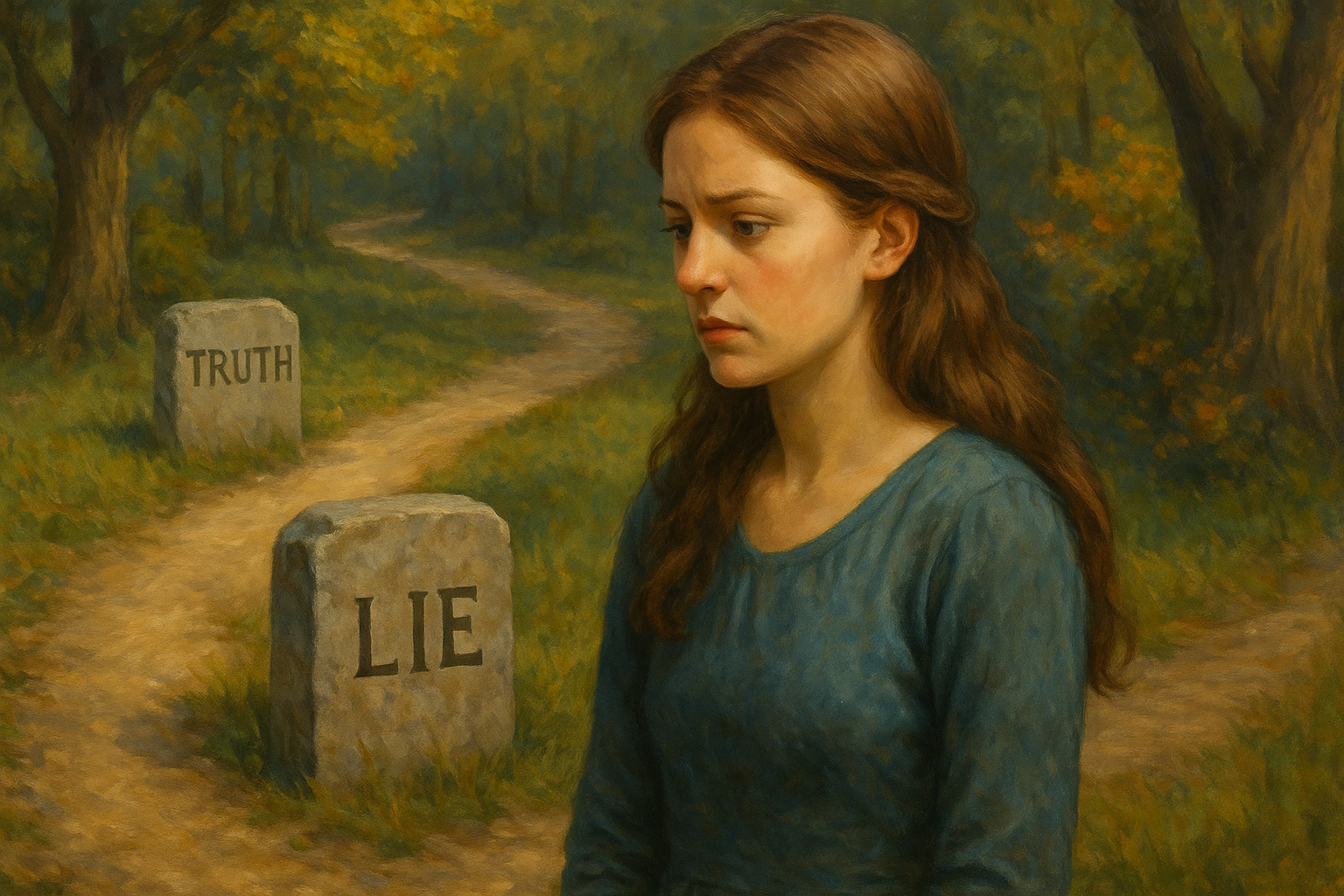
Riddles such as the fork-in-the-road story are particularly interesting because they show how our brains process labels and rules. When information contradicts itself, the mind begins to doubt even the simplest facts. But sometimes the only way out is to step outside this mental loop. In this case, the girl ignores the misleading words and relies on physical clues. The message is clear: when logic starts to undermine itself, trust your senses and observations. A well-trodden path can tell you more than an inscription on a stone.
When nature provides the answer

The riddle of the missing umbrella highlights an important point: not all problems are man-made. In a world full of distracting details, it is easy to immediately suspect someone of deception. But this puzzle forces us to look at external factors, which often turn out to be just as significant. It teaches us to pay closer attention to our surroundings. A gentle breeze can play just as important a role in solving the puzzle as a clever idea. The main lesson here is simple: never underestimate forces beyond your control.
Escape from an obvious trap
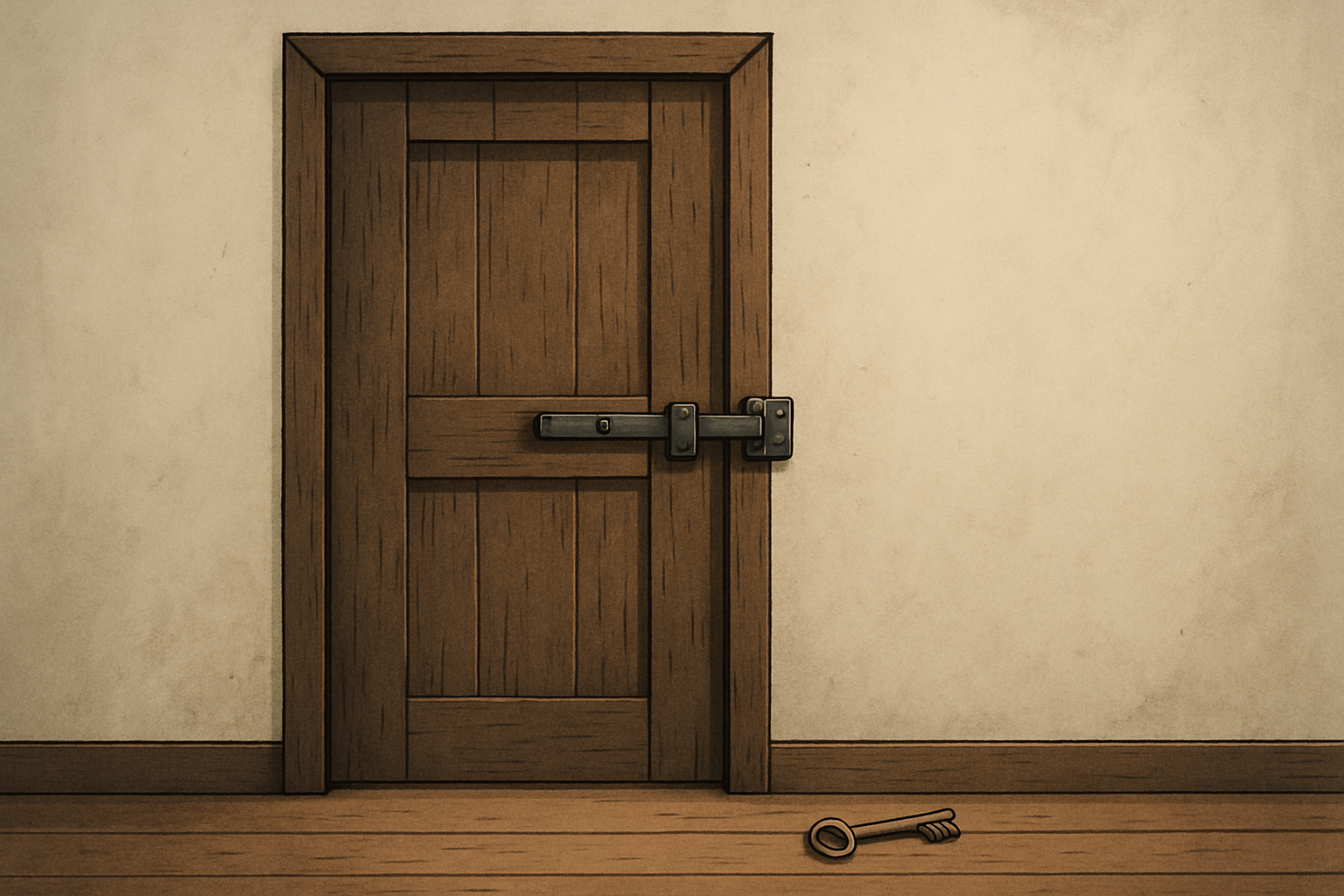
The locked-room puzzle is based on false assumptions. At first, it seems like a classic scenario: you need to find a way to use the key, unlock the bolt and get out. But the real trick is to realise that everything in the room merely creates the illusion of difficulty. You simply need to push the door – and the illusion of an obstacle vanishes. This is a good metaphor for many of life’s difficulties. What we perceive as a barrier sometimes turns out to be nothing more than a prop. All you need is enough confidence to try the most obvious solution.
Lessons hidden in every puzzle

Each of these puzzles teaches something unique
Each of these puzzles carries a distinct lesson — be it patience, logic, awareness of one’s surroundings, or the ability to trust one’s intuition. They show how easily we can overlook simple answers when a situation seems too complicated. And, perhaps even more importantly, they remind us that creativity, calm thinking and a willingness to question the obvious often lead to the best results.