‘But that’s not all,’ my father continued. “The insurance didn’t cover all the expenses. He took money from the joint account because he didn’t want to sell the house and didn’t want you to suspect anything. When you found the receipts, he realised that the truth might come out. But pride and fear proved stronger. He didn’t want you to stay with him out of pity.
I remembered his irritation, his evasive answers, his coldness. At the time, I thought it was guilt. Now I saw it as fear.
After the funeral, I returned home and opened his desk drawer for the first time in a long time. Among the papers was an envelope with my name on it.
Inside was a letter.
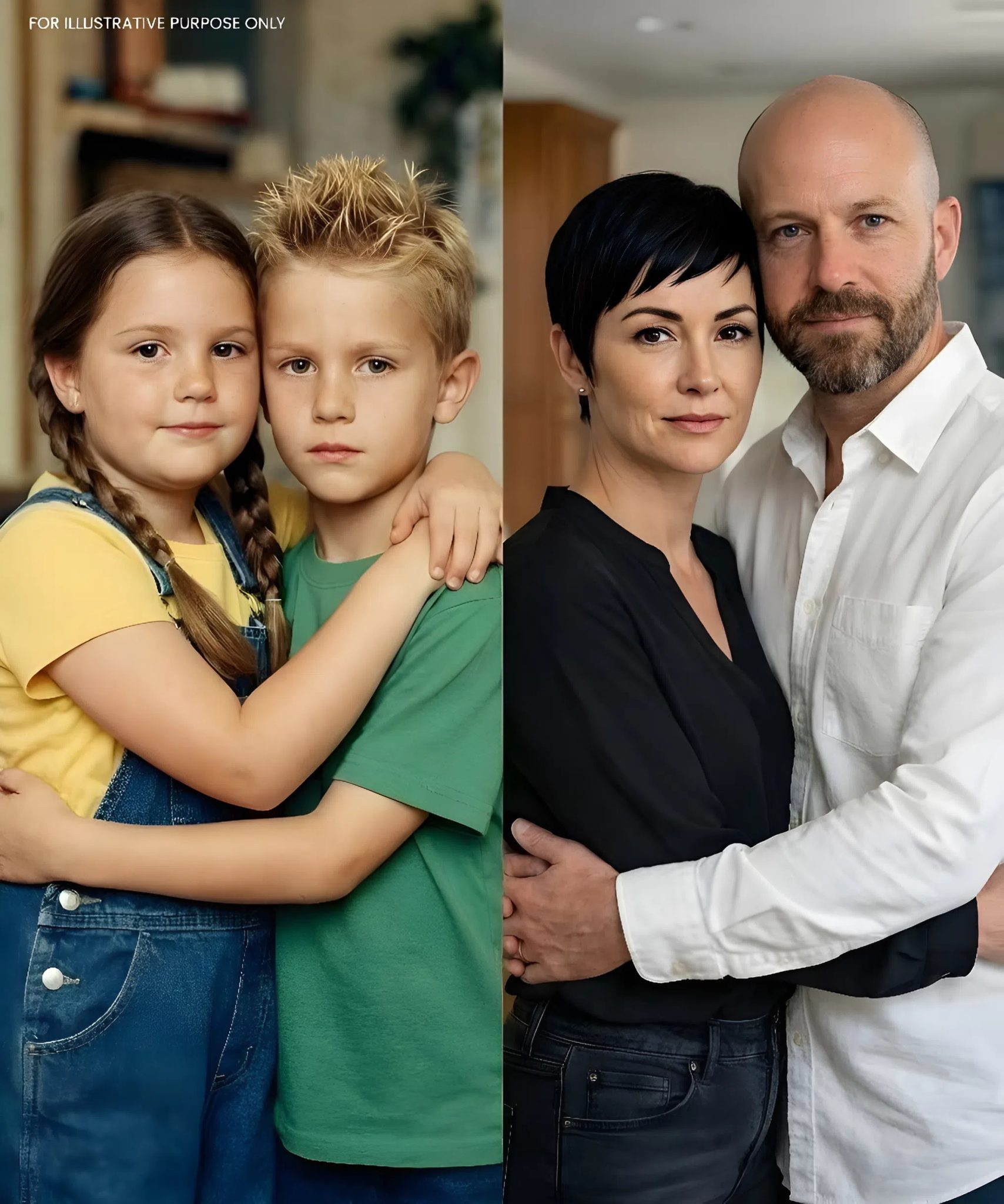
“If you are reading this, it means I didn’t have time to explain everything. I never cheated on you. I just didn’t want the last years of our lives to be spent in hospital corridors. I wanted you to remember us as happy. If I kept quiet, it was not out of betrayal, but out of love. I loved you my whole life. And if you ever doubt that, remember that we grew up together and lived our lives hand in hand.”

There were also bank documents in the envelope. He had opened an account in my name and gradually transferred money into it — enough for me to live comfortably for the rest of my life.
I sat on the floor and cried. Not just about him. About us. About the words we didn’t say in time. About the trust that can be lost not because of betrayal, but because of silence.
My father was right. There really was a second layer to our story. But it wasn’t a story of betrayal. It was a story of love that turned out to be too quiet.
The conclusion I came to later was simple and bitter: even a long marriage does not guarantee that you know a person completely. But it clearly shows something else — how important it is not to betray yourself when the truth becomes foggy.