
I agreed to become a surrogate for my best friend and carried her child for nine long months. But the moment her son was born, she looked at him once and said words I never expected to hear: “I can’t take him.” I froze. I had given her a child—and in return, she gave me a truth I wasn’t ready for.
When my closest friend, Rachel, learned she couldn’t carry a pregnancy, I didn’t hesitate. I was the one who suggested it first.
“Let me do this,” I told her. “I’ll carry your baby.”
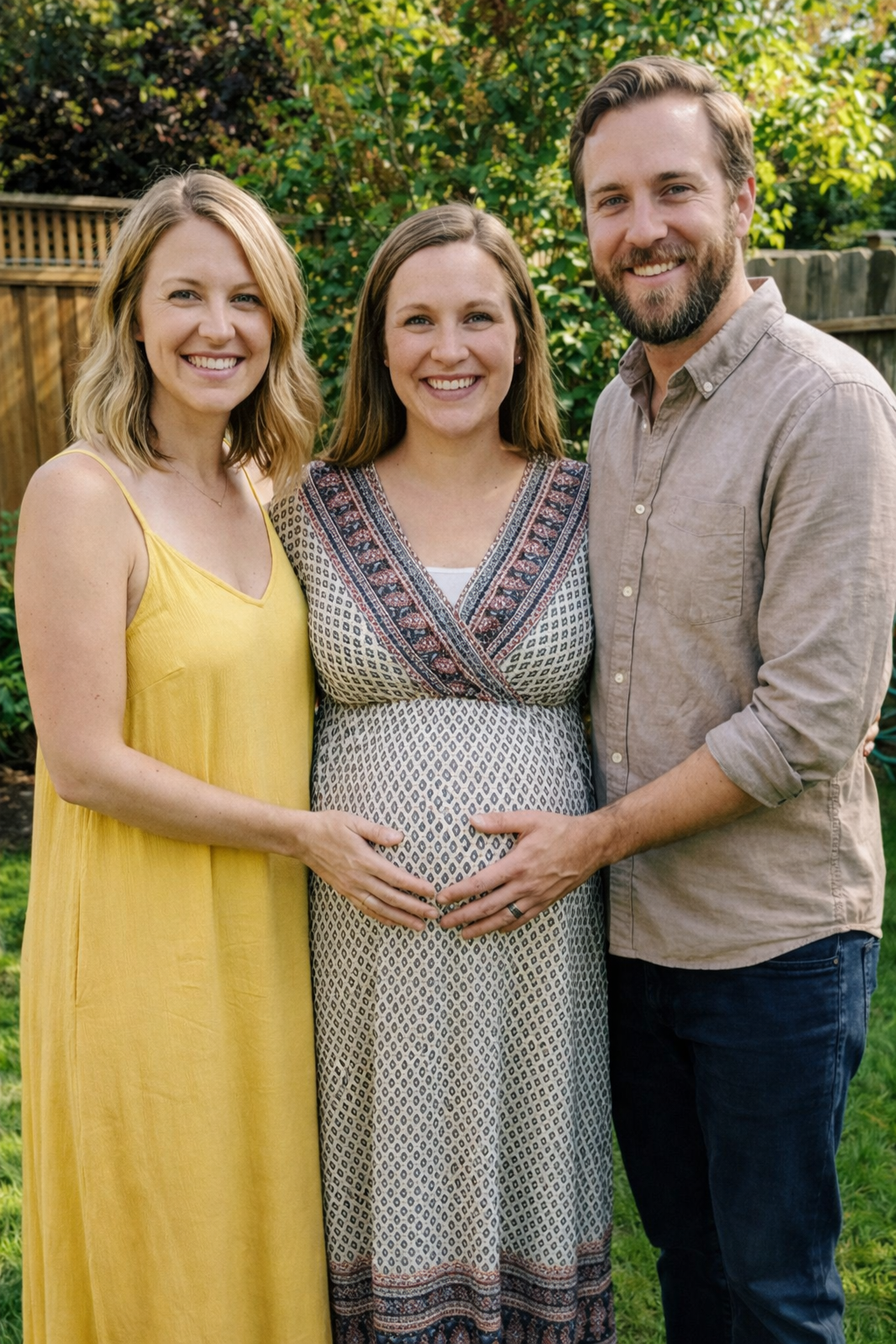
Being pregnant for the third time felt both familiar and fragile, like stepping into something powerful yet unpredictable. Rachel attended every appointment, holding my hand during ultrasounds, already calling the baby our miracle before he even had a name.
The pregnancy wasn’t easy. I was constantly sick, exhausted most days. My mom and my two kids stepped in, helping around the house while I continued working and tried to keep everything together.
Labor lasted twenty-one hours.
Every single hour stretched into something unbearable, the kind of pain that makes you bargain with anything—logic, fate, even things you don’t believe in.
When the baby finally arrived and let out his first sharp cry, I felt completely emptied. No tears, no words—just a hollow sense of relief that my body had finished something enormous.
Rachel had been there the entire time, gripping my hand so tightly that at some point, I stopped feeling my fingers altogether.
The nurse cleaned the baby, wrapped him in a blanket, and brought him closer.
Rachel stepped forward, trembling, her eyes already filled with emotion. She reached out—
Then stopped.
The nurse had adjusted the blanket slightly, revealing a dark, irregular birthmark along the baby’s upper thigh.
Rachel’s face lost all color.
“No…” she whispered.
“It’s just a birthmark,” the nurse reassured her gently. “Completely normal.”
But Rachel stepped back, covering her mouth.
“I can’t take him.”
The room went silent.
Marcus, her husband, stared at her in shock that quickly turned into something deeper—fear.
“Rachel… what are you doing?” he asked.

She pointed at the mark, her voice shaking. “That mark… I’ve seen it before. Years ago. When Daniel used to jog with you in the summers.”
I didn’t understand what she meant.
But Marcus did.
Rachel grabbed her phone and made a call.
“Get your wife,” she said sharply. “She needs to see this.”
About half an hour later, a young couple rushed into the room.
Rachel turned to them immediately.
“How could you?” she demanded. “That’s your baby, Daniel. I’ve seen that mark before—you’re the only one who has it.”
Daniel opened his mouth, but no words came out.
The nurse tried to remain calm. “Birthmarks can be hereditary. A test would confirm—”
“There’s no need for that,” Marcus interrupted, his voice unsteady. “I’ll explain.”
His confession came out like something he’d been holding in for years.
“I had a vasectomy,” he admitted. “Before we ever discussed having children. When you wanted IVF, I panicked. I didn’t tell you. I used my brother Daniel’s sample instead.”
The words hung heavy in the air.
“I thought it wouldn’t matter,” he continued. “It was still your egg. I handled everything—the paperwork, the clinic. You never saw the details.”
The silence that followed felt deafening.
Rachel let out a broken sound, somewhere between a laugh and a sob.
“You let me believe this baby was ours,” she said. “For nine months…”
“I donated because he told me you agreed,” Daniel added quickly. “He said it was a family decision.”
Claire, his wife, looked at him like she didn’t recognize him.
“You did what?” she whispered.
“He said she knew,” Daniel repeated, though now uncertain.
Rachel looked at the baby again—not with disgust, but with something deeper: betrayal.
Every moment she’d imagined—the ultrasounds, the future, the life—collapsed in front of her.
“I can’t raise a child built on a lie,” she said quietly. “Every time I look at him, I’ll remember what you did.”
And then she left.
I turned to Marcus, shaking.
“You let me carry this child without telling anyone the truth?”
“I’ll fix it,” he said weakly.
Then he left too.
Daniel and Claire followed, arguing as they disappeared down the hallway.
And I was left alone in that hospital bed, holding a newborn that no one had claimed.
Legally, he was still mine.
Three days later, I went home with him.
My mother stood in the doorway, holding my kids, Mia and Caleb, watching me carefully.
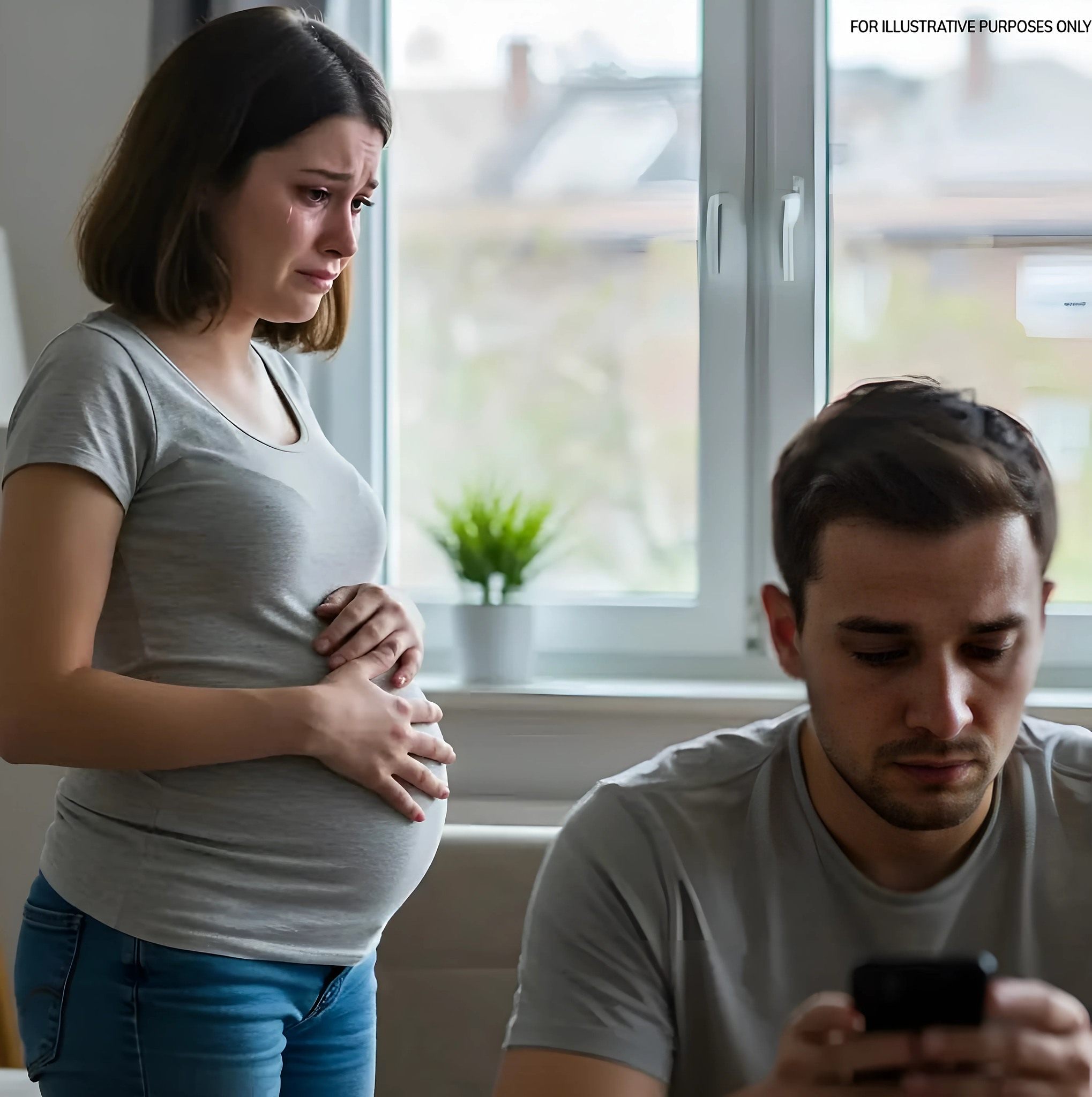
“You were already overwhelmed,” she said. “And now this.”
“I carried him,” I replied. “He’s not something you throw away because adults made mistakes.”
She didn’t argue—but she stayed.
She helped during the night feedings, stepped in when I couldn’t, and showed her support without saying much more.
Rachel never called.