Because being heard has weight.
You stepped to the microphone.
A year earlier, that object had been turned against you.
Now it waited.
You looked out at the room.
“I used to believe kindness did not need witnesses,” you began. “A woman named Adeline Mercer disagreed with me.”
Julian lowered his eyes, smiling.
“She believed quiet good should not stay hidden forever,” you continued, “because hidden labor is too easy for the wrong people to steal. She believed a door opened for one woman could become a hallway for many more.”
You paused.
Your voice shook, but only a little.
“A year ago, someone tried to put a price on me in a ballroom. Ten dollars. It was meant to make me small.”
The room went silent.
“But no insult can appraise a life. No cruel joke can measure a woman’s worth. And no one who profits from your silence gets to decide what your voice is worth when you finally use it.”
Applause rose.
Not polite applause.
The kind that moves through the chest.
You looked first at the staff table.
Then at the women from the building.
Then at Julian.
You did not look for Malcolm.
He was not there.
And his absence felt peaceful.
After the speech, an older woman approached you near the lobby. She wore a plain black coat and held a program folded in both hands.
“I don’t have much,” she said. “But years ago, someone let me sleep on her sofa when I had nowhere else to go. I never forgot it.”
She pressed a check into your hand.
Twenty-five dollars.
Your eyes filled.
Because now you understood.
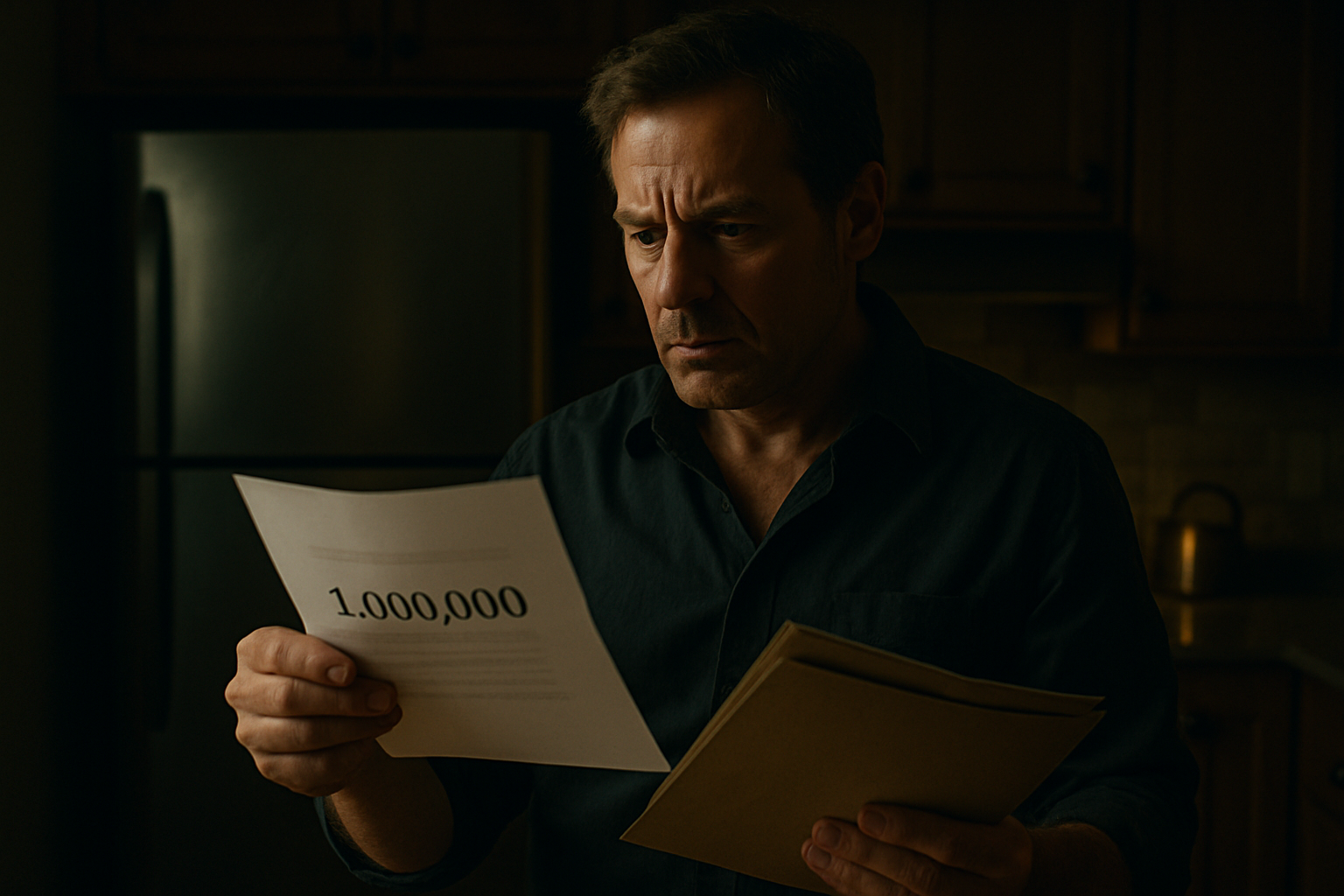
The million-dollar bid had stunned the ballroom.
But this check mattered too.
Kindness did not become powerful because it became rich.
It became powerful because it kept moving.
One door.
Then another.
Then another.
Late that night, after the guests left and the staff finished cleaning, you stood alone in the empty ballroom.
The microphone was off.
The lights were dim.
The tables held half-folded linens and forgotten coffee cups.
You thought of the woman you had been the night Malcolm laughed.
Hands folded.
Face composed.
Heart cracking quietly while strangers decided whether your humiliation was amusing.
You wished you could go back and stand beside her.
You wished you could tell her not to confuse endurance with love.
You wished you could whisper that one day, the room would stop laughing.
But maybe she had known.
Maybe the stillness inside her had not been defeat.
Maybe it had been the first sound of a lock turning.
Julian appeared beside you with two paper cups of coffee.
“You disappeared,” he said.
“Just thinking.”
He handed you one.
“Dangerous habit.”
You smiled.
“Apparently, it’s worth at least a million dollars.”
He laughed softly.
Then the room settled into quiet.
Not the old quiet.
Not the kind that swallowed you.
This quiet had room inside it.
Julian looked toward Adeline’s photograph.
“She really did want to find you,” he said.
“I wish I could have seen her again.”
“She knew.”
You turned to him.
“She knew what?”
“That you would know what to do.”
You looked down at the coffee warming your hands.
For twenty-two years, Malcolm had treated you like a background detail in his story.
But Adeline had seen you in one ordinary week.
Julian remembered you because his mother had.
The women in Eastmere knew your name.
The staff knew your name.
And at last, so did you.
Outside, the city glittered in the cold.
Somewhere, people were being locked out, priced out, pushed out, told they were difficult, useless, too late, too much, not enough.
Tomorrow, there would be calls to make.
Forms to review.
Doors to open.
Real work.
The kind that does not always become a headline but decides whether someone sleeps safely at night.
You took one last look at the empty stage.
Then you turned away.
The woman Malcolm tried to auction for ten dollars was gone.
Not destroyed.
Released.
And in her place stood someone he had never cared enough to meet.
A woman with her own name.
Her own work.
Her own doorways.
Her own light.
And this time, when the room went silent, it was not because you had been humiliated.
It was because everyone was finally listening.