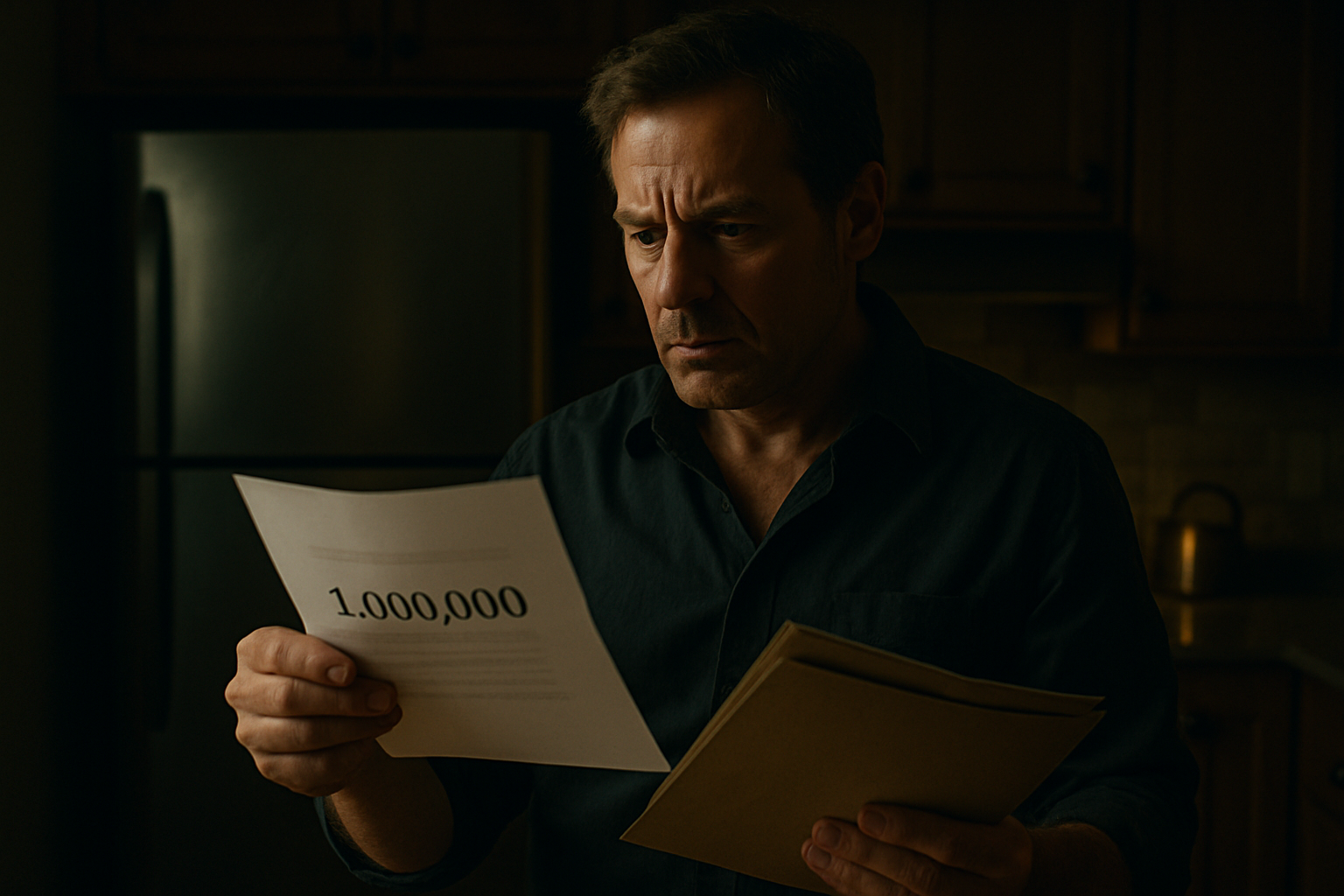
Your stomach dropped.
“Restricted funds?”
“Temporarily.”
“For what?”
He looked away.
“The gala. Donor cultivation. Branding. Consultants.”
The room seemed to tilt.
You thought of families waiting for rent assistance. Women calling after eviction notices arrived. Staff begging for budget approval while white orchids filled a ballroom.
Your voice came out almost too soft.
“You used housing money to buy applause.”
“Don’t make it sound so ugly.”
“It is ugly.”
“It was strategic.”
“It was theft from people who needed help.”
He flinched.
“Don’t use that word.”
“Why?” you asked. “Because it fits?”
He dragged both hands over his face.
“You don’t understand the pressure. Men like Julian Mercer don’t walk into a room unless the room looks powerful. The gala brings donors. Donors bring money. Money saves programs.”
“And if people were evicted while you were saving them?”
He said nothing.
The silence answered.
You rose slowly.
“Tomorrow, I’m going to the board meeting.”
Relief flashed across his face.
“Thank God.”
You looked at him.
“Not to save you.”
The relief vanished.
“To tell the truth.”
His face hardened.
“You think that million-dollar trust makes you powerful?”
You picked up Adeline’s letter.
“No,” you said. “It reminded me I already was.”
The next morning, you walked into the Vale Foundation boardroom wearing a gray suit Malcolm had once called “too serious.”
Julian sat at the far end as a guest observer, invited by board members suddenly very interested in why he had bid one million dollars for dinner with the founder’s wife.
Malcolm sat near the head of the table.
His face was composed.
His hands were not.
You noticed because you had spent years noticing everything.
The board chair, Beatrice Lorne, cleared her throat.
“Lydia, thank you for coming.”
Malcolm reached for your hand under the table.
You moved yours away.
Everyone saw.
The room understood before he wanted it to.
Beatrice began with the public scandal.
The clip. The donor calls. The failed statement.
Malcolm apologized in his polished way, saying he regretted “a moment of poor judgment” and valued your “quiet partnership.”
Quiet partnership.
You nearly laughed.
Then Beatrice turned to you.
“Lydia, would you like to say anything?”
Malcolm stared at the table like a man praying to a god he had ignored until thunder hit the roof.
You breathed in.
“Yes,” you said. “But not about the joke.”
The board shifted.
Malcolm lifted his head.
You opened the folder you had brought.
Not Adeline’s folder.
Your own.
For years, you had kept copies. Emails. Budget notes. Donor restriction letters. Program reports with unexplained delays.
You had not known what you were saving.
Maybe some part of you had.
“I believe the board needs to review restricted-fund transfers connected to the last two gala cycles,” you said.
Malcolm closed his eyes.
The general counsel leaned forward.
“What kind of transfers?”
You slid the documents down the table.
“Housing assistance funds moved into event production, donor cultivation, and campaign branding accounts. I raised concerns twice. I was told I misunderstood the accounting.”
No one spoke.
Then Julian said quietly, “My mother’s trust will not be linked to any institution under financial investigation.”
The sentence fell like a gavel.
Malcolm turned on him.
“This has nothing to do with you.”
Julian’s expression did not change.
“You auctioned your wife. I bought dinner. At dinner, I learned she was the only person in your orbit my mother trusted. So yes, Mr. Vale. Unfortunately for you, it does.”
Beatrice looked at counsel.
“Begin an independent audit immediately.”
Malcolm stood.
“Beatrice, wait.”
She did not.
“Malcolm Vale is placed on administrative leave pending review.”
The room went still.
Malcolm looked around at people who had applauded him for years.
None of them rescued him.
That was when you understood something about public admiration.
It is not love.
It is rent.
And when the house catches fire, admirers move out fast.
Malcolm looked at you last.
“How could you?” he whispered.
You gathered your papers.
“The same way you did,” you said. “In front of witnesses.”
You left before he could answer.
Julian followed you into the hallway.
For a moment, neither of you spoke.
Then he said, “My mother would have liked that.”
You laughed softly.
“Would she?”
“She had very little patience for arrogant men after my father.”
A real smile came.
Then faded.
“I didn’t want it to happen this way,” you said.
Julian nodded.
“Good. That means you are not like him.”
Those words stayed with you.
Because the hardest part of leaving a long marriage is not packing.
It is wondering whether pain has made you cruel.
But cruelty wants humiliation.
Truth wants air.
You had given the truth air.
What followed was not clean.
Real life rarely is.
The audit found more than you expected. Restricted funds had been shifted again and again. Some had been replaced later. Some had not. Malcolm had authorized misleading reports, pressured staff to delay payments, and used foundation money to preserve the image of growth while vulnerable families waited for help already funded.