“I’m going to manage Adeline’s fund myself,” you said. “I’m going to meet with Julian’s attorneys. I’m going to build the housing program the way she asked. And your foundation will not touch it.”
His jaw tightened.
“You have no idea how much legal and administrative labor that involves.”
“I handled the legal and administrative labor for your foundation for fifteen years.”
“That’s different.”
“Why?”
“Because I was leading it.”
There it was.
Plain. Clean. Ugly.
A faint smile touched your mouth.
“Thank you.”
“For what?”
“For finally saying aloud what you’ve believed all along.”
He rose so fast the chair scraped the floor.
“I am not doing this tonight.”
“No,” you said. “For once, you are not deciding when the conversation is over.”
He froze.
The old Lydia would have lowered her voice.
The old Lydia would have worried about making things worse.
The old Lydia would have protected his comfort and called it love.
But the old Lydia had been auctioned for ten dollars beneath a glittering chandelier while strangers laughed.
She did not live in this house anymore.
Malcolm studied you.
“What are you saying?”
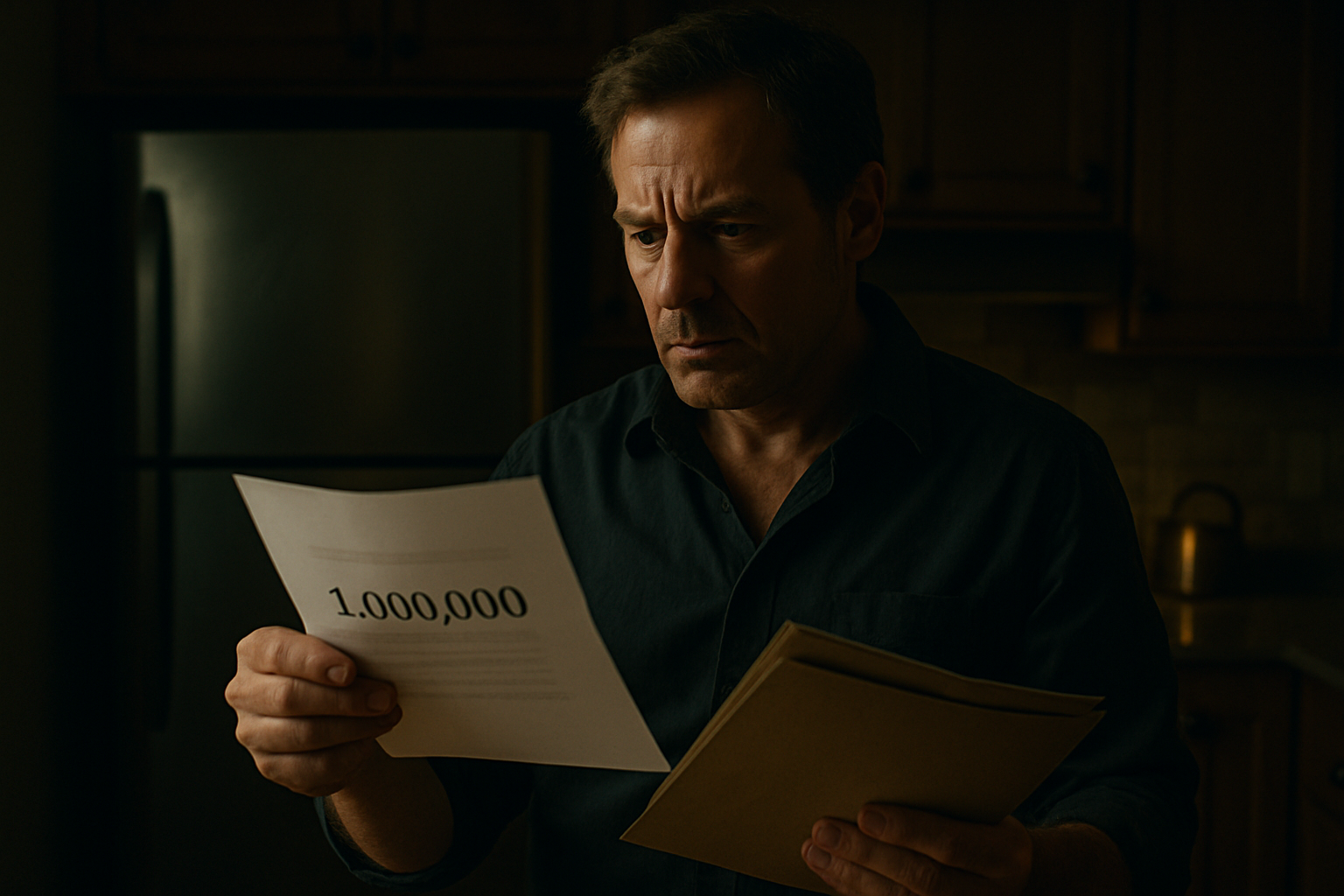
You picked up the letter and the legal packet.
“I’m sleeping in the guest room.”
His face changed.
That frightened him more than the money.
Not because he treasured you beside him at night.
Because separate rooms meant a crack in the story he sold the world.
“Lydia.”
You stood.
“No.”
He reached for your wrist.
Not violently. Not even forcefully.
Automatically.
As if your body were still part of the furniture of his life.
You looked at his hand.
Then at him.
“Let go.”
Something in your voice made him release you.
You walked upstairs without hurrying.
Behind you, Malcolm remained in the kitchen, surrounded by evidence that you had never been empty-handed.
The next morning, he tried tenderness.
That was how you knew he was afraid.
Malcolm made coffee, something he had not done in years. He set your mug beside your laptop and kissed your temple as if the night before had been a passing storm.
“Big feelings last night,” he said softly.
You looked at the coffee.
You did not touch it.
“Don’t do that.”
“Do what?”
“Talk to me as if I’m overreacting to my own humiliation.”
He looked wounded.
Malcolm was very good at looking wounded when accountability entered the room.
“I’m trying to repair this.”
“No,” you said. “You’re trying to make me easy to manage again.”
Before he could answer, your phone rang.
Julian Mercer.
Malcolm saw the name. His expression sharpened.
“You two are calling each other already?”
You answered without looking away from your husband.
“Good morning, Julian.”
Julian’s voice was calm, but tight.
“Lydia, I’m sorry to call early. My attorneys received a message from the Vale Foundation asking for preliminary coordination on the Mercer Housing Fund.”
You turned slowly toward Malcolm.
He looked away.
Of course.
Of course he had not waited.
Of course he had reached for the valuable thing the moment it appeared near you.
“I did not authorize that,” you said.
“I assumed as much,” Julian replied. “My mother was very clear. The fund is independent. I wanted you to know before anyone tried to muddy the water.”
“Thank you.”
“There’s something else,” he said.
Malcolm’s jaw locked.
“What?”
“Several donors from last night have contacted my office to ask whether the million-dollar bid was real. Some also asked whether you’ve been managing the Vale Foundation’s programs.”
Your heart beat once, hard.
“What do you mean?”
Julian’s voice softened.
“I think people are beginning to understand that your husband mocked the woman who kept his foundation breathing.”
You closed your eyes.
For years, part of you had longed to be seen.
Another part had feared it.
Invisibility had hurt.
But visibility had consequences.
When the call ended, Malcolm demanded, “What did he say?”
You set the phone down.
“Your office contacted his attorneys.”
“I was being proactive.”
“You were trying to take control of Adeline’s fund.”
“I was protecting you from being overwhelmed.”
You laughed once.
It startled you both.
“Protecting me,” you said. “Is that what you called it when you put a price on me last night?”
He struck the counter with his palm.
“It was a joke!”
Your voice stayed quiet.
“And everyone laughed because they knew you meant it.”
That landed.
For a moment, he had no answer.
Then his phone began to buzz.
Once. Twice. Again.
Board chair.
Major donor.
Public relations consultant.
The color drained from his face.
Then came the first news alert.
A society columnist had posted the clip from the gala.
The headline read:
Foundation Founder Offers “Useless Wife” for Ten Dollars — Anonymous Donor Bids One Million for Dinner With Her
Malcolm went pale.
The article was short and merciless. It described the laughter, the bid, the silence afterward, and the awkward applause that tried to cover what everyone had seen.
It ended with one sentence that felt like a match dropped into dry grass.
Several guests now say Mrs. Vale has long been the quiet force behind the foundation’s most successful programs.