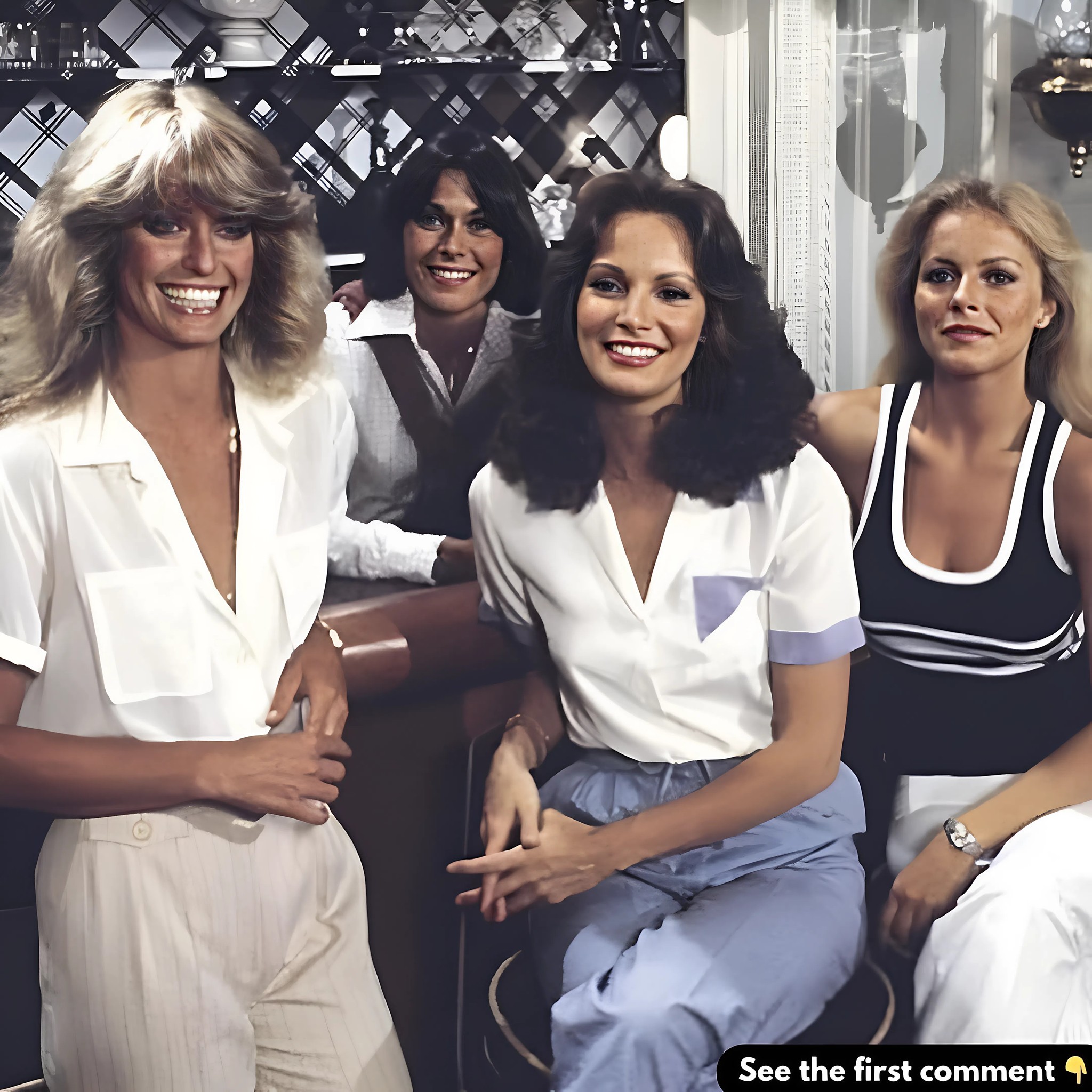
In 1967, television changed forever when Charlie’s Angels hit the scene.
The show didn’t just entertain, it rewrote the rules about what female heroes could be.
Farrah Fawcett, Kate Jackson, and Jacqueline Smith didn’t just solve crimes, they broke barriers, proving that women could be smart, strong, and stylish all at once.
Charlie’s Angels went far beyond thrilling mysteries and daring escapades. Farrah, Kate, and Jacqueline became icons of empowerment, inspiring an entire generation to rethink female roles both on screen and beyond.
Let’s not forget about fashion — these chic outfits were not just costumes, they were a statement that influenced trends and pop culture in ways no one expected.
Despite mixed reviews from critics and a reputation as nothing more than ‘television for muscleheads’ that emphasised the sexual appeal of its characters, Charlie’s Angels still made it into Nielsen’s top ten during its first two seasons.
For many years, I mainly watched reruns of this legendary show, but recently I decided to dig deeper and find out what was really going on behind the scenes of this cult classic. And here’s what I’ll tell you: it turns out there are a whole bunch of hilarious bloopers, unexpected moments and surprising stories that you may not even have suspected.
The problem with alcohol and pyjamas
For those who somehow missed this cult classic, here’s a quick recap: The TV series Charlie’s Angels follows the adventures of three women working for a private detective agency in sunny Los Angeles as they fight crime. The original trio — Kate Jackson, Farrah Fawcett, and Jacqueline Smith — led the show, while the voice of their mysterious boss Charlie Townsend came over the intercom, directing their missions.
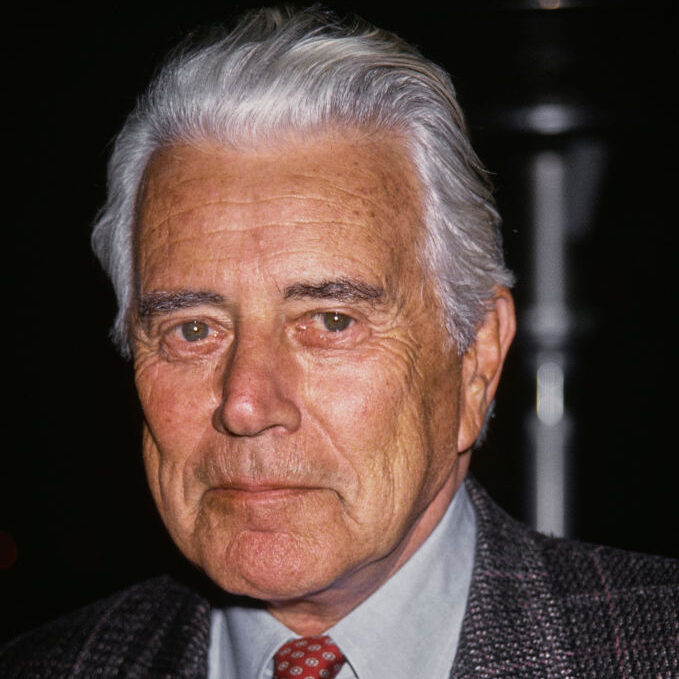
Here’s some fun behind-the-scenes information about Charlie himself. John Forsythe wasn’t the first choice for the role of the boss. The original actor, Gig Young, was dropped from the role at the last minute due to alcohol problems. Forsythe was brought in to replace him, and he ended up recording his first voiceover in his pyjamas.
Throughout the series, Forsythe never appeared on set. All of his lines were recorded separately and then dubbed. He even told the series’ producer, Aaron Spelling, that if he appeared on screen, it would cost a fortune. To maintain the illusion, every time Charlie was ‘seen,’ it was actually just a stand-in filmed from behind or from a distance.
Same cars, different angels
Here’s a blooper you might have missed, even if you’ve watched Charlie’s Angels a dozen times. Every time a new scene begins at Townsend’s agency, the same shot of the building with the Angels’ cars parked at the entrance is shown. But — if you pay attention — the cars at the entrance rarely match the Angels inside in the next scene.
And here’s another thing: when all three cars are shown, they are almost always parked in the same order from left to right — white, yellow and orange. Sequential, right? Well… not quite. The white and orange cars are always parked in red zones (i.e. no parking zones), and there is only one parking meter for all three spaces. So either the Angels had serious VIP passes, or the parking department simply turned a blind eye to the crime-fighting fashionistas.
Oh, and if you’re wondering what those stylish cars were? Each Angel had her own signature Ford. Jill (and later Chris) drove around in a flashy Cobra, Kelly kept a low profile in a Mustang, and Sabrina cruised around in a Pinto, as befits a boss. Let’s not forget Bosley — he, of course, arrived in a Thunderbird.
How much did they earn per episode?
When Charlie’s Angels first aired, Farrah Fawcett and Jacqueline Smith were new to the acting scene, and it showed in their salaries. Both received only $5,000 per episode. Meanwhile, Kate Jackson, the experienced professional of the trio, received twice as much — $10,000.
But everything changed — especially for Jacqueline Smith.
As the only Angel who stayed with the show for all five seasons, Smith’s salary grew along with the show’s popularity. By the time the final season aired, she was earning an incredible $75,000 per episode, becoming one of the highest-paid television stars of the time.
Only four celebrities earned more than her: Carroll O’Connor (All in the Family), Alan Alda (MASH), Larry Hagman and Linda Gray (both from Dallas).
From Alley Cats to Charlie’s Angels
Believe it or not, the legendary series Charlie’s Angels had a completely different and very awkward title: Alley Cats. Yes, it was the original title, although it had nothing to do with the stylish, crime-fighting women who were at the centre of the series. And let’s be realistic… the title didn’t exactly scream ‘stylish detectives’.
Fortunately, Kate Jackson came to the rescue. Sitting in Aaron Spelling’s office, she noticed a painting on the wall depicting three angels. Then inspiration struck, and she suggested naming the series Charlie’s Angels.