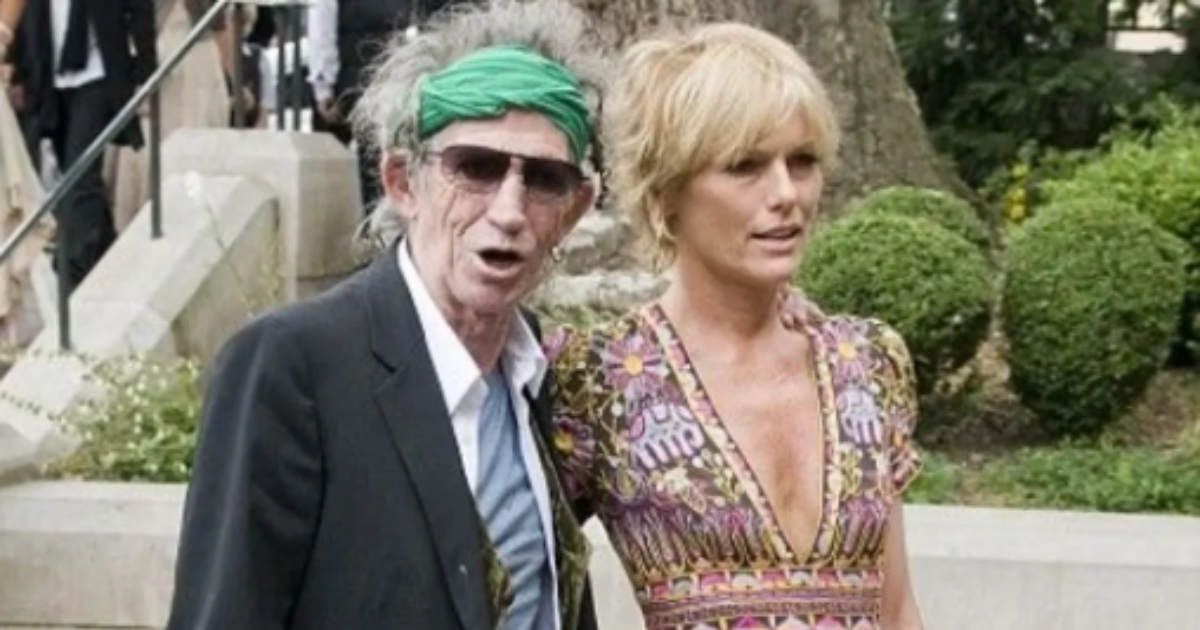
The morning air at London’s Southwark Cathedral was filled with a special, almost electric voltage — with a clash of centuries-old solemnity and the crude, unpolished brilliance of the history of rock and roll. When Keith Richards and Patti Hansen climbed the stone steps, what was happening did not resemble the usual arrival of guests at a wedding, but rather a royal procession of a different kind. There was deep significance in how the patriarch of the Rolling Stones replaced the foggy neon light of the stadiums with the soft, sacred glow of the cathedral. It was the moment when the rebellious soul of British music met the sacred architecture of the city — a quiet reminder that even the most legendary rule-breakers have deep respect for the rituals that tie the family together.

Leah Wood’s wedding was much more than just a social event; it was a meeting of a kind of tribe that had endured decades of beautiful, vibrant chaos. In the Stones world, the boundaries between band members and blood relatives have long been erased, forming a musical dynasty that remains unshakable. Keith’s presence was a silent but expressive gesture of devotion to Ronnie Wood, a sign of friendship tempered by the fire of world tours and late-night studio sessions. The convergence of the close circle in Southwark turned into a celebration of a new generation of rock aristocracy, proving that the Stones’ lasting strength lies not in contracts, but in their ardent, reserved loyalty to their own.
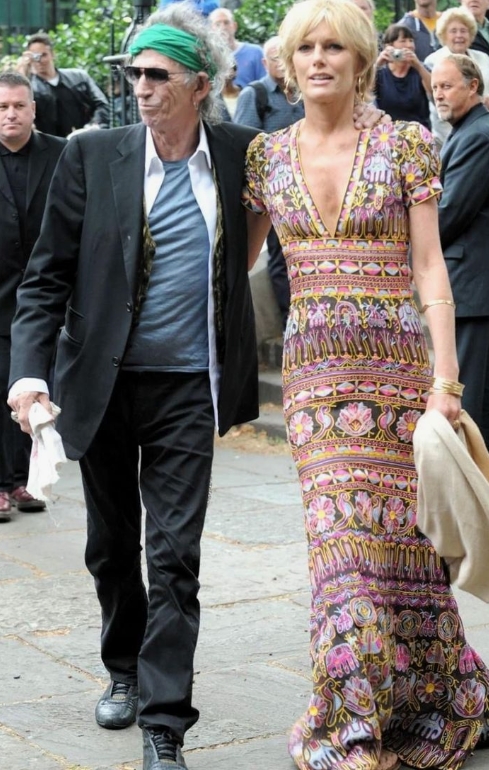
Richards moved through the sacred passages with the relaxed, weathered grace of an elder who saw everything and managed to live to see it told. His signature style —, a mixture of bohemian grit and secular equanimity —, stood in perfect, almost poetic contrast to the timeless elegance of Patti Hansen. Their union has remained one of the main success stories in the rock world since the eighties — as a reliable anchor in a life lived at great speed. Together they radiated a steady charisma that has nothing to prove; it just exists. In the silence of the cathedral, they were not just icons, but proof that love can remain as lively and daring as the blues riff, even when the stage lights had already gone out.

A rare, expressive solemnity was felt in this day: a motley audience of musicians, models and representatives of high society filled the ancient pews. The sight of Keith Richards against the backdrop of Southwark’s upward-pointing Gothic arches seemed like a completely modern episode in the long history of the — building, a clash of sacred and worldly, surprisingly British in nature. The cathedral, which had observed London’s changes for centuries, seemed the only place majestic enough to accommodate the collective history of the assembled guests. It was a rare opportunity to see the person who defined the counterculture in the space of the traditional rite that connects the road roughness of touring life with the nobility of the altar.
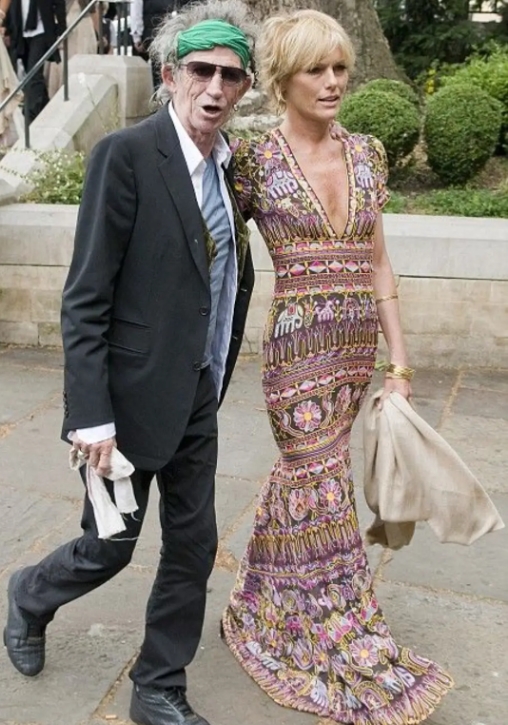
Ultimately, this day became a touching reminder of the man hidden behind the myth. Although the world knows Keith Richards from the genre-forming riffs that shook the basics of music, these shots of personal history reveal him as a faithful friend and devoted family man under a familiar bandana. Such moments of quiet celebration are no less important to the Stones’ legacy than any platinum album. When the giants of British rock gathered in the heart of London, they did so not for the sake of performing, but to honor the common story and the enduring power of love. It was a day marked by awareness: music can be immortal, but it is the connections we choose that truly make us legends.