The radio crackled to life again:
‘You have one minute.’
She ignored the threat.
Instead, she watched the target’s trajectory closely, calculating the next pass.
‘It’ll come in from the left again,’ she said. ‘And at that moment, we’ll make a sharp change in altitude and speed. Not like a fighter. Smarter. That’ll be enough to throw him off course.
The captain turned pale.
‘There are three hundred people on board. We can’t be performing combat manoeuvres…’
‘We won’t,’ she replied calmly. ‘We’ll simply stop being an easy target.’
The enemy aircraft drew closer.
“Now!”
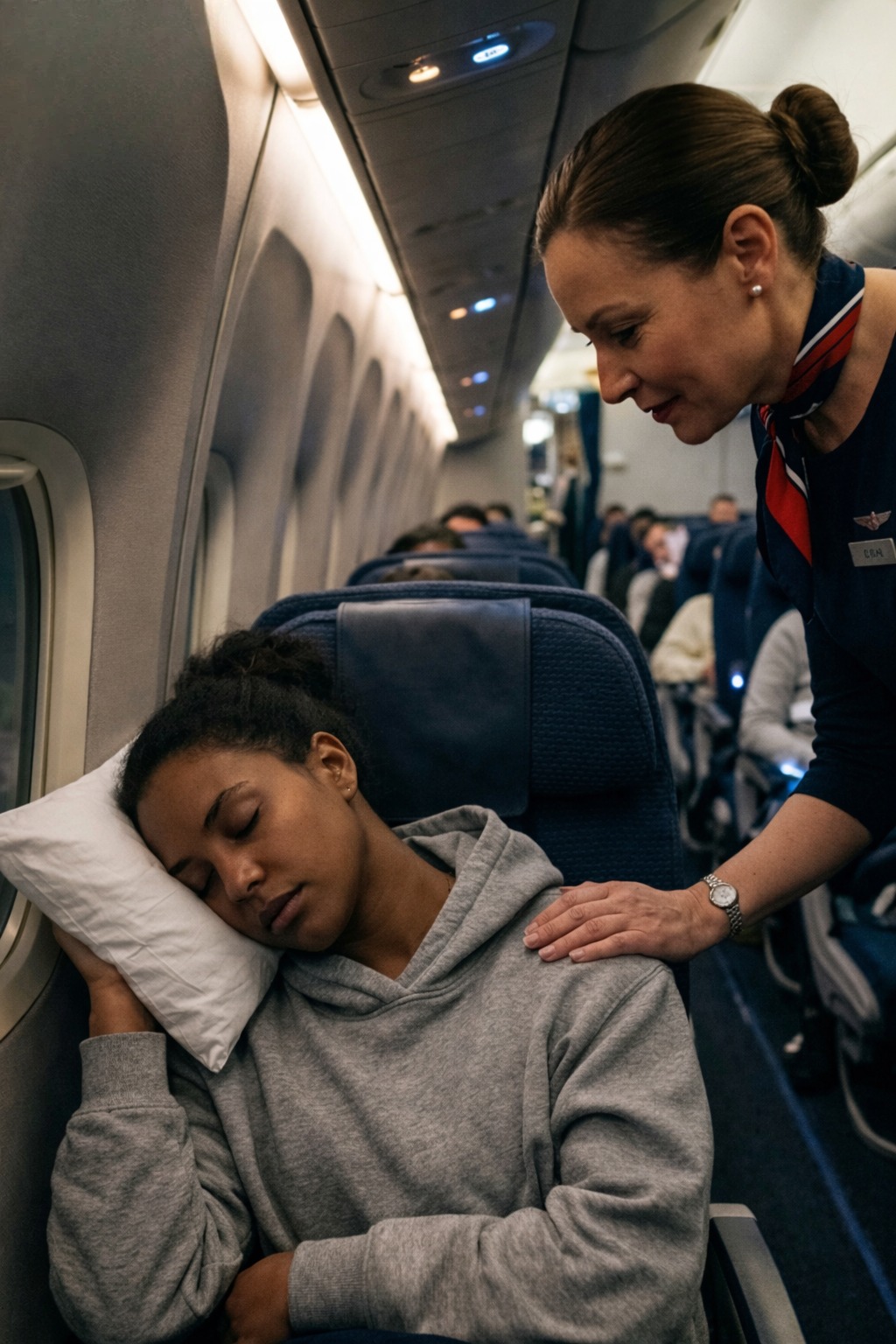
She pushed the control column forward, and the airliner plunged sharply downwards. There must have been a cry in the cabin; items flew from their seats, trolleys slid down the aisle.
But the enemy aircraft shot past, having lost its advantageous position.
Immediately afterwards, Mara pulled the airliner back up and shifted its course slightly northwards.
“We’ve bought ourselves a little time,” she said. “But they’ll be back. And every move we make teaches them something.”
She activated every possible signal and identification system.
“Now they’ll see us,” said the captain.
“Exactly. Until now, we were like a blank spot. As soon as we’re visible on the radar, the military will know where we are. We won’t be alone any longer.
And then the internal intercom came to life.
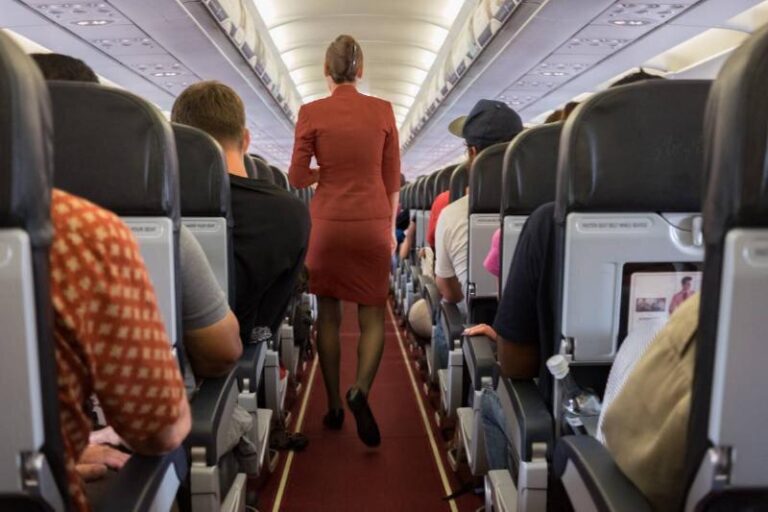
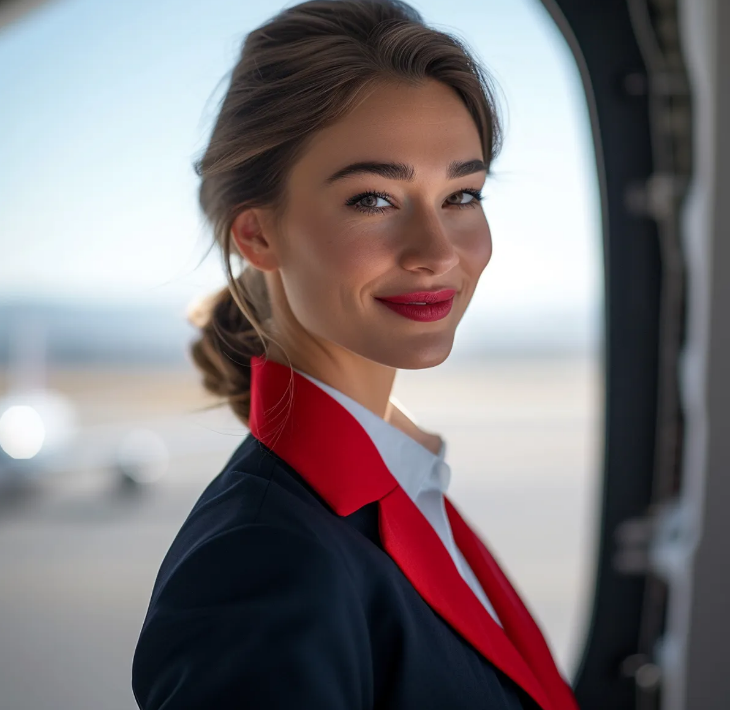
‘This is Julia from the cabin,’ came the flight attendant’s tense voice. ‘Two passengers in business class are behaving suspiciously. They’re trying to get into the crew rest area. There’s something strange in their bags.
Mara felt a chill grip her insides.
So the threat wasn’t just from outside.
‘Don’t let them near any crew compartments,’ she said quickly. “Keep them under surveillance. Alert the entire crew. From this moment on, they are potential security threats.”
The captain looked at her in utter shock.
“This is planned…”
“Yes,” Mara replied. “There’s more than one person working on the plane from the outside. Someone on board is acting in concert with them.”
A minute later, the situation in the cabin erupted. One of the suspicious men jumped up and brandished a weapon — not enough to bring down the plane, but quite enough to intimidate and take control of the passengers.
‘Everyone stay in your seats!’ he shouted. ‘The plane is changing course. We’re in control now!’
But from seat 24D, a large man in a business suit—who had been quietly reading papers throughout the flight—stood up.
‘I don’t think so,’ he said.
And immediately lunged at the attacker.
The weapon flew down the aisle. Almost at the same moment, the second suspect was subdued by an elderly passenger—a former police officer travelling with his grandson. Within seconds, the flight attendants, seatbelts, straps and the hands of other passengers joined in. The internal threat had been neutralised.
In the cockpit, Mara felt a powerful, almost painful surge of something profound.
Not pride.
Something more important.
The realisation that bravery does not reside solely in people with special insignia and training. Sometimes it suddenly arises where no one expected it.
The radio crackled again.
But now the voice was no longer merely hostile.
It was personal.
‘Captain Dalton… I know you’re on board.’
Mara froze.
She recognised him instantly, even though she hadn’t heard him for years.
Some voices never fade away — those that harbour fear, death, and the memory of a man who once wished you would never return.
‘Victor Klov…’ she murmured.
A pilot from the past. An enemy she’d assumed was either dead or gone for good.
So this wasn’t a coincidence.
Not a fluke.
This was personal.
‘Hello, Mara,’ said the voice. ‘I was waiting for you to leave the service. Waiting for you to decide you could leave all this behind. Waiting for the moment when you’d become vulnerable.’
She picked up the microphone.
‘Victor, I don’t know how you intend to end this, but I’ve got three hundred people on board, a crew, and time is not on your side. And military aid is already on its way.’
‘We’ll see who’s better in the air,’ he replied. ‘Just like old times, Captain. Almost like old times.’
He began a new approach.
But now Mara was ready.
She had already read his style, anticipated the pattern of his attacks, and remembered his habits. When he tried to squeeze the airliner again, she abruptly pulled back on the throttle and banked the plane down just enough for him to miss once more.
This time she wasn’t just reacting.
She was leading the fight.
And yet now she wasn’t alone.
A few minutes later, two fighter jets appeared on the horizon — F-22s scrambled after the airliner’s signals finally became visible to the system. The military aircraft made visual contact almost immediately.
‘Flight 417, we see you,’ a voice crackled over the radio. ‘Hostile aircraft identified. You are under our protection. You are safe now.’