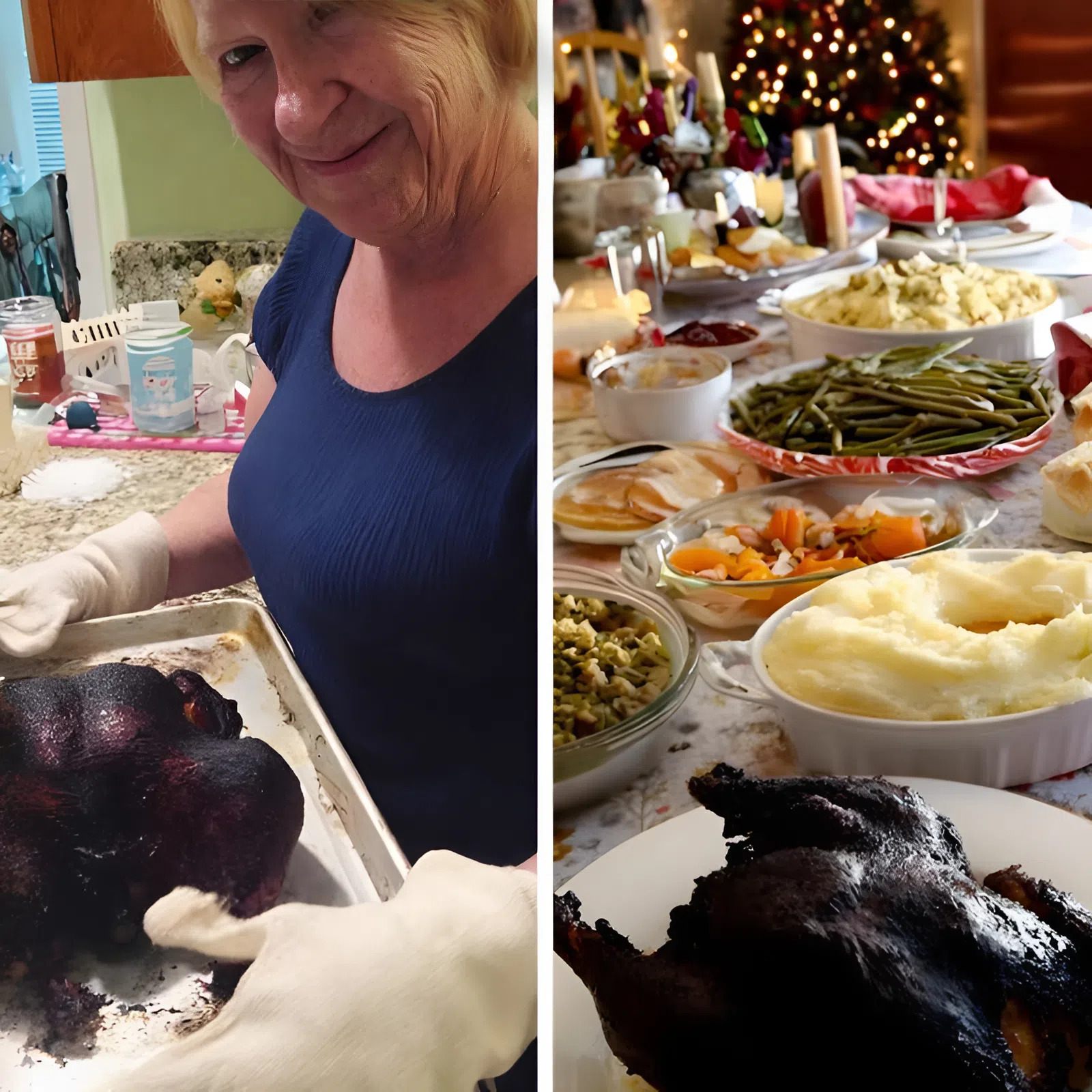
After my divorce and losing my job, I rented a small cottage to relax and mourn in peace. However, my elderly neighbour kept bringing me her failed culinary creations, disguised as meals. I pretended to like them until her husband caught me throwing one of the bowls away. What he told me about his wife changed my perception of every burnt meal.
My name is Rachel, and last year my life fell apart in ways I could never have imagined. Twelve years of marriage ended when my husband decided he wanted a ‘new life’ with someone younger. Within a week of signing the divorce papers, my company was bought out and I lost my job.
Last year, my life fell apart in ways I could never have imagined.
No severance pay, just a cardboard box and a formal letter thanking me for my service. I felt devastated.
My friends didn’t know what to say and stopped calling. I was suddenly short of money. Every morning I woke up with the same thought: ‘What’s the point?’ So I did something I had never done before: I just ran away.
I found a tiny cedar house in Vermont, in a village where time flows differently. It was a place where everyone knew everyone else, and strangers stood out like spots.
I felt empty.
I planned to hide there for a few months, perhaps read books, cry a lot, and try to understand who I was now, without the life I had built. However, less than 24 hours later, Evelyn and her husband George knocked on my door.
They were probably around 75, Evelyn with white hair tied back in a neat bun and an embarrassing smile, and George with kind eyes and a gentle smile. She was holding a pot wrapped in a towel, steam rising from it.
‘Welcome to the neighbourhood, dear! You look too fragile to live here alone,’ she said.
I thanked her and accepted the pot, because what else could I do? But when I opened it later, I realised I had made a terrible mistake.
She was holding a pot wrapped in a towel, steam rising from it.

The lasagne had somehow fallen inside, forming a strange funnel in the middle. It smelled of oregano mixed with something indefinable, but clearly not Italian.
I took a bite and immediately knew I was in trouble. It was both mushy and crunchy, too salty and not salty enough, and the cheese had a rubbery texture. But Evelyn was so proud when she handed it to me.
The next day, when she knocked on the door and asked how I liked it, I lied as best I could: ‘It was delicious! Thank you very much.’ Her face lit up as if I had given her the news of her life. At that moment, I signed my own death warrant.
I took a bite and immediately realised I was in trouble.
One pot turned into soup the following week, thick and beige, with mysterious lumps. Then came the stew, so dry that I needed three glasses of water to swallow it. Chicken that inadvertently resembled fish. Biscuits burnt on the outside and raw on the inside.
Evelyn visited me at least three times a week, always with something new to try. ‘You remind me so much of our daughter,’ she would say gently, sitting down on a kitchen chair while I forced myself to eat what she had brought. ‘Our Emily.’
Evelyn visited me at least three times a week, always with something new to try.
For three months, I forced myself to eat everything Evelyn brought. I smiled as I chewed on undercooked pasta, marvelled at the strange combination of flavours, and asked for seconds when I couldn’t swallow the first.
I hated the food. But did I hate her?
Somewhere in the midst of this pretence, I began to enjoy her visits… just not what she brought. It wasn’t about the food. It was about the company.

I hated the food.
She sat at my table and talked while I chewed and nodded, rubbing lies into every word she said. George smiled gently from the doorway, never correcting or interrupting her. One day in late spring, I finally reached my limit.
Evelyn brought chicken that was both rubbery and tough, with seasonings that tasted like cinnamon and pepper mixed together. I managed three bites before my stomach started to protest.
I waited until the door across the courtyard closed behind them, then grabbed my plate and headed for the back garden. I tilted it toward the rubbish bin when a voice behind me froze me in place.
‘Rachel.’
I turned and saw George, his expression more serious than I had ever seen him. He didn’t look angry, but there was something sharp in his eyes that made my heart pound.
He moved closer, his voice dropping to a barely audible whisper. ‘Put that down. Right now.’
I held the plate awkwardly, caught off guard. ‘George, I’m so sorry, but I just can’t…’
‘You have no idea who you’re dealing with,’ he said, and for a moment I felt genuine fear. Then his face contorted, and I realised he wasn’t threatening me at all.
He was begging me.
‘Please,’ he said, his voice trembling. “Please don’t tell her. She thinks you love her cooking. She thinks she’s learning it again.”