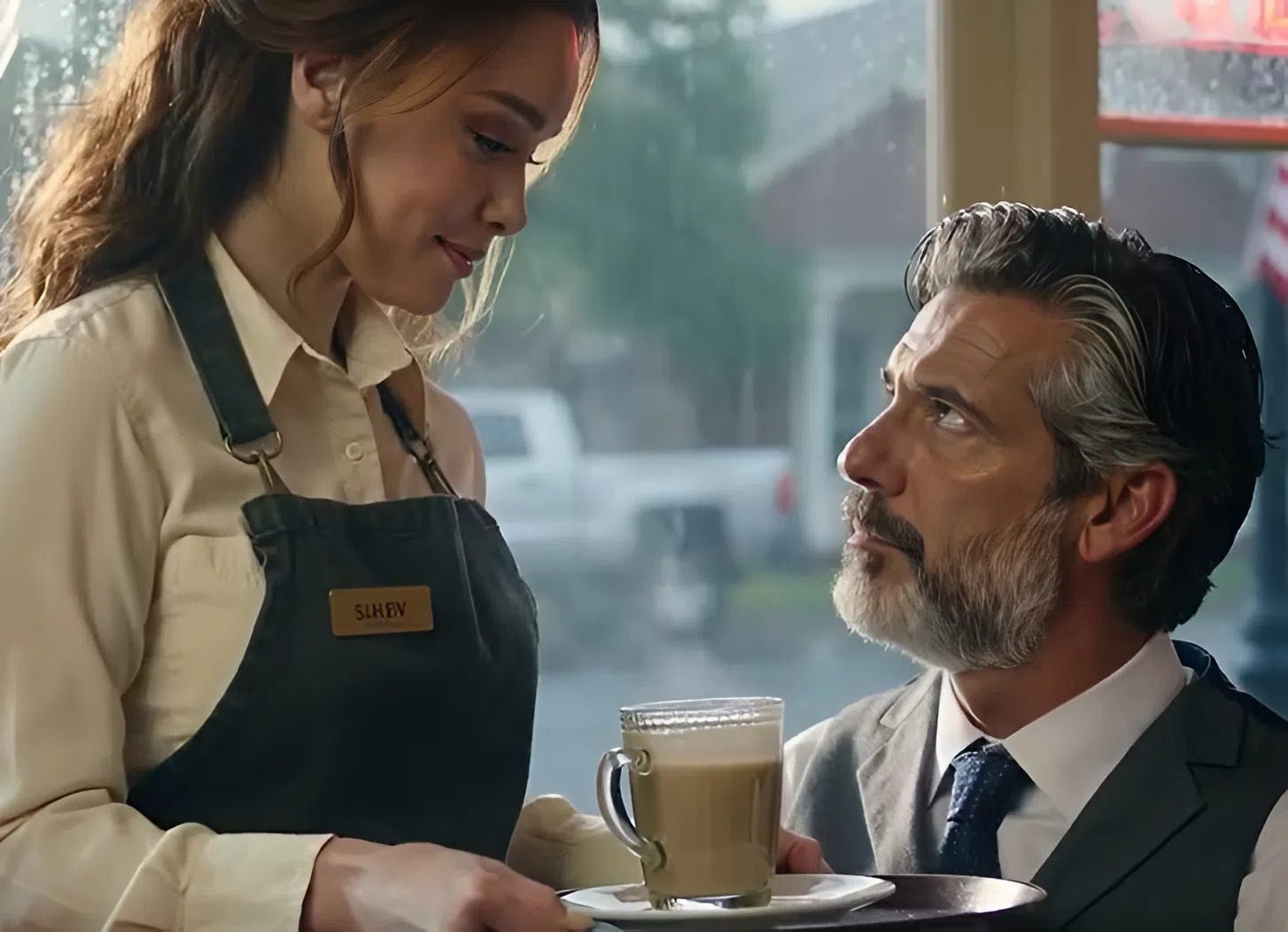
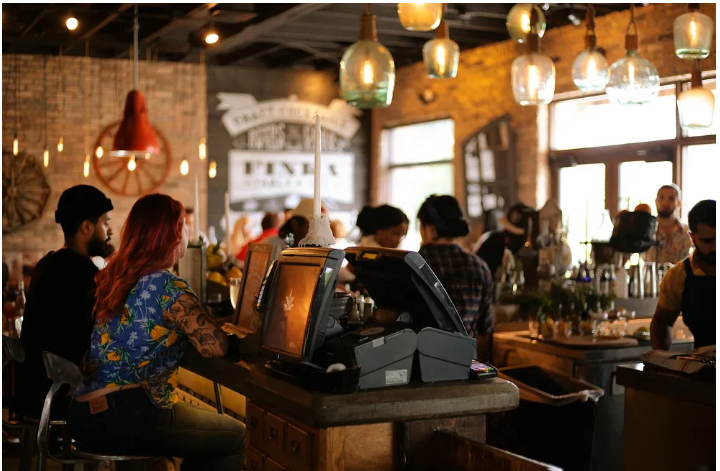
In the city centre, a cosy café was filling with the hustle and bustle of the morning, rain tapping quietly on the large windows, blurring the cityscape beyond. The aroma of freshly brewed coffee mingled with the smell of wet asphalt, creating an enveloping atmosphere for customers seeking shelter from the gloomy weather.
Amidst the sounds of clinking cups and whispered conversations, the door swung open, letting in a rush of cold air. A man in his 50s entered, his worn coat dripping with rain, his scuffed boots leaving faint marks on the polished floor. His grey hair clung to his forehead, and his eyes reflected the fatigue of hardship.
He approached the counter cautiously, his gaze sliding over the menu before settling on the young barista. In a voice almost as quiet as a whisper, he asked for a simple black coffee. As the barista began to take his order, the man began rummaging through his pockets, his movements becoming increasingly frantic as he searched for his wallet. His face paled and he swallowed hard before saying with a hint of embarrassment, “I’m sorry, I seem to have left my wallet at home. If possible, can I just sit here until the rain stops?”
The barista, a young man with a sharp chin and an even sharper tongue, crossed his arms over his chest and smirked. ‘Listen, mate,’ he said loudly, drawing the attention of nearby customers, “this isn’t a shelter. We don’t give out free drinks to people who can’t pay. If you don’t have money, you don’t belong here.‘ The man blushed, took a step back, his gaze darting to the floor. ’I didn’t ask for a free drink,” he muttered.
‘Just a place to shelter from the rain.’ Mocking laughter came from the corner of the room, where a group of well-dressed customers watched the scene. ‘Imagine,’ one of them chuckled, ‘coming into a café without a penny to your name and expecting to be served.’ ‘Some people have no shame,’ another interjected, his voice full of contempt. ‘Times must be hard if beggars now dream of becoming coffee connoisseurs.’ The man, weighed down by humiliation, slumped his shoulders and turned towards the door.

From the opposite end of the room, Emma, a 29-year-old waitress with chestnut hair tied back in a casual ponytail, watched the scene unfold with a burning indignation. Balancing a tray full of empty cups and plates, she made her way determinedly through the crowded café to the counter. Placing the tray down firmly, she took a five-ruble note from the pocket of her modest apron and placed it on the counter. ‘This will do,’ she said calmly, her voice loud and clear, piercing the rising murmur.
The barista’s smile faded as he looked at her. ‘Emma, what are you doing?’ he sneered. ‘You don’t have to pay for this man. He can’t just come in here and expect handouts.’ Emma’s gaze swept over the other customers, her expression unflinching. ‘I’m paying for his coffee,’ she declared, ‘not out of pity, but because I know what it’s like to be judged for not having enough money.’
Mocking laughter rang out again from another corner. ‘How noble!’ the man teased. “A waitress playing the hero. Perhaps you hope to receive a tip from him later.‘ Emma turned to the crowd, her posture straightening and her voice filling with conviction. ’Kindness is not a transaction,‘ she declared. ’Showing compassion does not diminish us, unlike humiliating others, which reveals true pettiness.”
The café fell silent, the previous emphasis on mockery replaced by a palpable sense of self-reflection. Emma turned back to the man, offering him a gentle smile. ‘Please, have a seat,’ she invited. ‘I’ll bring your coffee shortly.’ ‘Don’t let the harsh words of others define your worth.’ The man met her gaze, his eyes glistening with restrained tears. He nodded gratefully and sat down by the window, where rain continued to run down the glass.

As Emma prepared his coffee, the atmosphere in the café subtly shifted. Patrons avoided her gaze, their previous amusement replaced by sombre reflection. At that moment, Emma, despite her modest abilities and the condemnation of others, stood as a symbol of dignity and empathy, and the man, once considered unworthy by those around him, found peace in the simple act of being noticed and appreciated.
The moment in the café continued to echo in Emma’s mind as she cleared the last table after her shift. No one had spoken to her directly since then, but the glances, whispers, and silence hung in the air like smoke. The next morning, her manager, Brian, called her into his office. The small room smelled of burnt coffee and bleach.
‘Close the door,’ he said. Emma obeyed. Brian crossed his arms. ‘This is a business, Emma, not a social project.’ She remained silent. ‘You don’t get to decide who gets free drinks,’ he continued. ‘If you want to play Mother Teresa, do it outside of work hours.’ ‘I paid for it,’ she said calmly.
That’s not the point,’ he replied sharply. ‘You made your colleague look foolish and made the customers feel uncomfortable.’ Emma looked him in the eye. ‘No, he made himself look foolish.’ ‘Don’t test me,’ Brian said sharply. ‘You’re here to serve, not to lecture.’ A moment of silence. ‘Can I go?’ she asked. ‘Get out and remember your place.’ Back in the kitchen, Marcy and Josh were standing at the sink. They fell silent when she entered. As she walked past, Marcy said loudly enough for everyone to hear. ‘It must be nice to pretend you’re noble when you’re still sharing a flat with your child’s sister.’ Josh smirked. ‘I bet she thought this guy was a secret millionaire.’ Emma didn’t respond. She grabbed her coat, signed out, and stepped out into the rain. The air smelled of wet asphalt and city smoke. She took her time. The flat she shared with Lily was cramped.
It was a one-room flat with peeling paint and a draughty window. Lily lay curled up on the sofa, shivering under a blanket. ‘Hey,’ Emma whispered, brushing her sister’s forehead. ‘You’re late,’ Lily murmured. Emma smiled. ‘Got caught in the rain,’ she reheated some old porridge, added a pinch of salt, and handed it to her sister. Then she checked her wallet.
Three dollars, one Subway token, a faded photo of their mother. She looked at the cash, folded it slowly, and slid it back in. No regrets. Not for the coffee, not for anything. After Lily drifted off to sleep, Emma sat by the window, watching the rain streak down the glass. Her reflection stared back, tired, pale, but with a quiet strength still glowing underneath.
Her thoughts slipped back to years ago, 15 maybe, when their mother collapsed in a street market. People had passed without stopping. All but one, an old woman in a patched skirt, had knelt beside them, offering water and wrapping a shawl around Emma’s shoulders. Emma never knew her name, but she remembered her kindness. That moment became a promise.
So when she saw that man in the café, wet, ashamed, invisible, there was no decision to make. She did what needed to be done. The judgement didn’t matter. ‘It was important to her that night.’ Before turning off the light, she whispered in the darkness, just for herself.
‘I would rather be ridiculed for doing the right thing than praised for remaining silent.’ And in that small flat, with nothing to share but her own dignity, Emma felt something rare. Peace. Four days had passed since the incident. Four long shifts filled with half-lines and glances that lingered just a little longer.

Emma had learned to live with invisibility, but now she was being seen for something she hadn’t asked for, and the stares felt heavier than silence ever had. In the morning, the café buzzed as usual, cups clinked, steam hissed, carefree conversations flowed. Emma moved from table to table, wiping crumbs, setting dishes, offering polite smiles. Then the door chime sounded.
She didn’t look up immediately, but something had changed. The air froze, and curiosity pierced her. She glanced at the door. A tall man entered, dressed in a charcoal suit with a silk scarf, his grey hair neatly combed. His polished shoes tapped silently on the floor. He looked like a man who belonged in a glass tower, not in this modest café.
But there was something in his eyes that was impossible to ignore. Emma froze. He did not approach the counter. He stood by the table by the window, in the same place where the wet, humiliated man had once sat, and sat down without saying a word. Emma clutched the rag in her hand. Her heart pounded. She approached with the menu, not knowing how to behave — to pretend not to know or to tell the truth.
As soon as she gathered her words, he looked at her. ‘I’m not here to order,’ she paused. ‘I only have one question,’ he said. ‘Why did you help me?’ Emma froze. ‘I just couldn’t watch it happen.’ ‘You didn’t know me. You had nothing to gain.’ She hesitated. ‘You didn’t look like someone asking for handouts. You looked like someone who was being made to feel small. And I know that feeling.’
She sat down opposite him, pushing the menu aside. ‘When I was 17,’ she said, “my mother fell down at the market. No one helped her. They walked around her as if she were a problem. Except for one woman, an old lady who had almost nothing. She stayed, and I promised that if I ever got the chance, I would be the same.” He didn’t interrupt. He just listened.
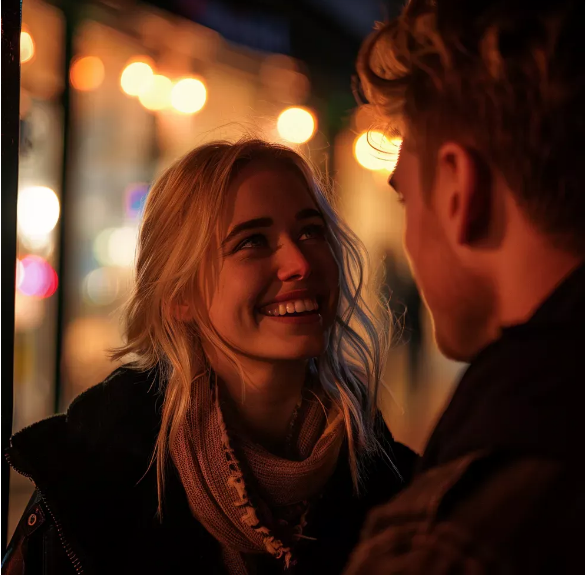
‘That day,’ she said softly, ‘I remembered that promise.’ A few moments of silence passed. Then he asked, ‘Do you read?’ Emma blinked. ‘Books?’ He nodded. ‘I used to. Not so much lately. I liked stories about ordinary people doing extraordinary things.’ He smiled slightly. ‘Good choice.’ They began to talk about books, cities, music, Bach, Chopin.
Why people become cruel when they feel powerless. He mentioned authors Emma had never read, and she didn’t try to pretend she knew them. She responded with curiosity, not hypocrisy. Minutes passed, then more. The noise in the café faded into the background. At one point, Emma laughed. She laughed genuinely, for the first time in several days. ‘You’re not who I expected,’ she said. He raised an eyebrow.
“What did you expect?” She shrugged. “Someone who just wanted to say thank you and disappear.” He looked down, then met her gaze again. “I’ve been rich for a long time,” he said. “But very few people have made me feel human again like you did that day. You did that.” Emma didn’t answer. She didn’t need to. In that moment, they were just two people.
Not a waitress and a billionaire, not strangers and a saviour, just two souls finally seen. And neither of them would ever forget it. Exactly one month after their second meeting, Emma received an envelope. There was no return address, no sender’s name, only a heavy ivory card with gold embossing and the unmistakable Aninsley A. logo.
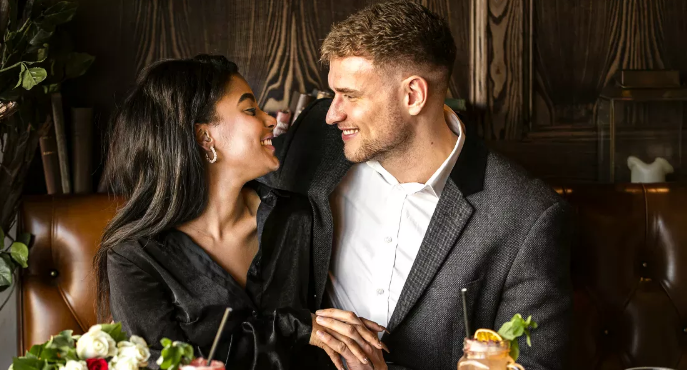
A five-star hotel in the heart of the city, known more to those who host heads of state than to waitresses from local cafes. Her name was clearly printed at the top, Emma L. Bennett, guest of Charles H. Everlin. She stared at it for a long time, the sunlight catching the gold lettering like a secret. ‘It challenges me to open it.’
She almost didn’t go, but curiosity mixed with a strange tightness in her chest led her to the hotel lobby three days later, dressed in her only nice blouse, shoes borrowed from a neighbour, and her hair pinned up with trembling hands. When she stepped through the revolving doors, it was like entering another world. Polished marble floors, chandeliers dripping with light, people walking with quiet authority.
She approached the reception desk, her voice barely steady. ‘Emma Bennett, I believe I have an appointment.’ The concierge nodded without surprise and directed her to a private room on the 21st floor. ‘Mr. Everlin will be with you shortly,’ said Mr. Everlin. She was silent in the lift, her heart pounding.
The room was quiet and luxurious, with deep leather armchairs, soft jazz humming from invisible speakers, and a view of the skyscrapers like a throne room in the sky. She stood by the window, unsure if she belonged anywhere in this world, until the door behind her opened. She turned around. Charles, but not the man from the café, not even the well-dressed guy from days ago. This Charles wore his presence like a bespoke suit.

With two assistants who soon disappeared into the doorway, he entered with the kind of authority that demands no attention. It simply was. ‘Emma,’ he said, his voice smooth and low. ‘Thank you for coming.’ She tried to smile, but her voice caught. ‘This isn’t exactly a café.’
He pointed to the table by the window, already set with tea, fruit, and untouched espresso. ‘Please,’ he said, ‘sit down.’ She obeyed, still unsure whether she was being honoured or tested. He sat down opposite her, folding his arms. ‘I wanted to tell you this in person,’ he began, ‘because anything else would be unfair.’ She waited. ‘My name is Charles H. Everlin. I am the founder of Everlin Holdings. We operate in 12 countries, mainly in infrastructure and social investments.’ Emma blinked. She opened her mouth but said nothing.
‘I wasn’t pretending to be someone else,’ he hastened to add. ‘But that morning in the café, I dressed modestly. Yes, I forgot my wallet on purpose.’ ‘I needed to know what people would be like when they saw me when there was nothing to be gained.’ Emma stared at the tea in front of her as if it could provide clarity. ‘My wife died 15 years ago,’ he continued, his voice growing quieter. ‘Cancer, suddenly. We never had children. After she died, I stopped trusting people, stopped believing that kindness was real.’
‘I started travelling anonymously, visiting towns and villages, not only to see the world, but also to see who else lived in it with heart.’ He looked at her directly. ‘That day, I found someone.’ Emma swallowed. She didn’t know whether to feel honoured or terrible. ‘You set me up,’ she asked, her voice trembling slightly. ‘No,’ he said softly. ‘I didn’t approach you. I didn’t ask for anything. I just watched. And you chose.’ She shook her head slowly. ‘I don’t know if I’m grateful or being manipulated.’ He nodded. ‘I understand that. I do.’ Emma stood up abruptly, her chair sliding across the carpet with a whisper. ‘So now what?’ she asked. ‘You tell me I passed your little moral test, and then what? You write me a cheque? Offer me a job, a car?’ Charles didn’t flinch.

‘I’m not offering anything unless you decide to listen to me.’ Emma’s sigh was shaky, her emotions boiling with contradiction, shock, hurt, curiosity, awe. He stood up too, walked over to the window, his hands clasped behind his back. ‘I wasn’t testing you, Emma,’ he said again. ‘I was searching. Searching for something I thought the world had lost.’
‘And maybe someone who will remind me what it means to be seen. Not as a billionaire, not as a burden, just as a person,’ she said quietly. ‘I don’t want to buy your gratitude,’ he added. ‘But I would like to know if you would have coffee with me again? Without expectations, without pretence.’ Emma looked at him, not at his bespoke suit, not at the luxurious hall, not at the sky, but into his eyes. The same eyes that had looked down, wet with shame, crumpled coat and begging for shelter from the rain. The man in front of her was the same man in the café. And somehow that mattered more than anything else. She exhaled slowly. ‘I don’t know what this is,’ she said quietly. ‘Or what you think it might be, but I know who I am.’ Charles turned to her, something indescribable expressed in his gaze. ‘And who are you?’ he asked. She smiled. Small, quiet, honest. ‘Someone who didn’t do it to be noticed, and someone who isn’t afraid to walk away if this turns out to be just that.’ He nodded, the corners of his mouth turning up. ‘That’s what makes you different.’
And for the first time, Emma realised that this wasn’t a test. It was an invitation not to a world of wealth, but to something much rarer — to be seen and remembered. Not for who you impress, but for who you choose to be when no one is watching. Emma didn’t expect to hear from Charles again.
She thought that perhaps their last conversation at the hotel was the end of something strange, surreal, a moment beyond her ordinary life. A window she had glimpsed through but could never enter. But the next day, another envelope arrived. This time there was no gold embossing, only her name written in neat handwriting. Inside was a short note, written in the same confident handwriting. ‘Emma, I’ll be in Montreal next week. I visit every year.’
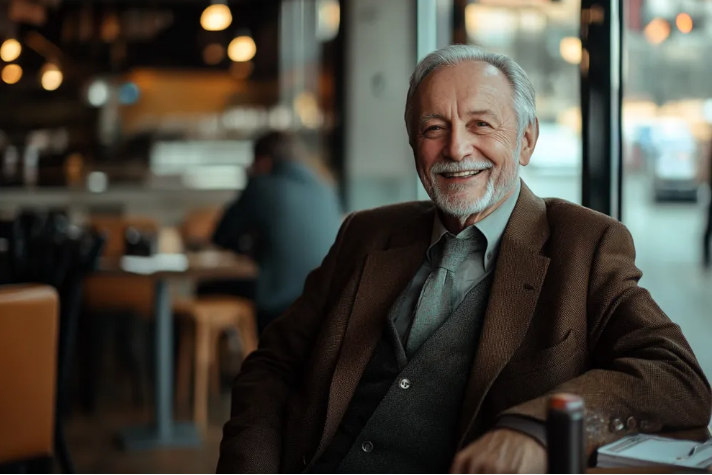
‘It’s quieter there, more peaceful. I’d like you to come. Not for business, not for formality, just for company, just for conversation. No expectations, just a sincere invitation. Charles.’ Inside was a round-trip train ticket. She held it in her hands for a long time. Late that night, in the cramped kitchen of their small flat, Emma watched the rice boiling on the stove while her younger sister Lily sat wrapped in a blanket, coughing quietly between sips of tea.
‘You’re quiet,’ Lily said. Emma softened her smile. ‘That’s rare, isn’t it?’ Lily tilted her head. ‘Are you thinking about him?’ Emma nodded. She told Lily all about the invitation, the ticket, how it made her feel like a door had opened, one she hadn’t dared knock on before. ‘I’m not sure I belong in his world,’ she said.
“What if I embarrass myself? What if it changes how I see myself or how he sees me?” Lily watched her for a moment. Then she said something Emma never forgot. “You’ve spent your whole life making room for others. Maybe it’s time to see what it’s like when someone makes room for you.” That night, Emma couldn’t sleep.
She lay listening to the rain tapping on the glass. The sound of city buses lulling her below. The soft ticking of the old clock on the wall. She thought about the café, about how people laughed, clapped contemptuously, condemned. She thought about Charles’s eyes, humble, searching, human.
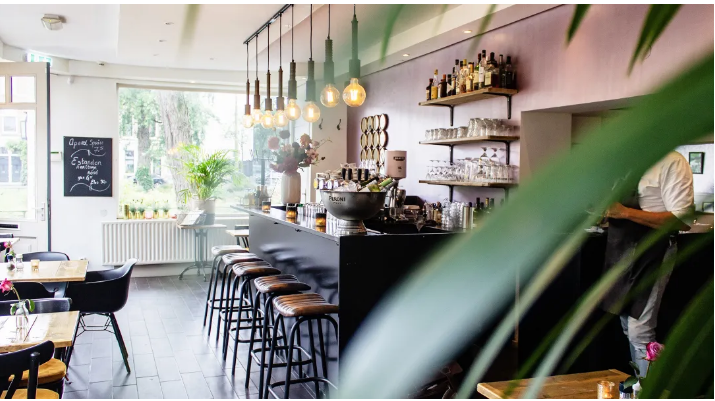
And she remembered her mother, who always said, “Don’t wait for life to find you. Sometimes you have to find it yourself.” By morning, her decision was made. She packed her things into a small suitcase, an old magazine, two changes of clothes, and a book she had been unable to finish for too long. She left Lily a note on the fridge with money for groceries and a hug that lingered longer than usual.
At the station, she stood on the platform, her heart caught between hesitation and hope. When the train arrived, the doors opened with a quiet hiss, and she stepped forward, not into luxury, not into a fairy tale, but into uncertainty. Charles was waiting for her in the compartment. No bodyguards, no fireworks, just him sitting by the window, a book on his lap and two cups of coffee on the table. He looked up when she entered and smiled.
Not the artificial smile of someone accustomed to serving others, but something warmer, more genuine. ‘I didn’t think you’d come,’ he said. Emma sat down opposite him, carefully placing her suitcase at her feet. ‘I didn’t think so either,’ she replied. ‘But then I remembered.’ ‘The world doesn’t change until you enter it,’ he nodded thoughtfully. ‘I’m not offering anything,’ he said. ‘No promises, no paths paved with gold.’
“I just thought maybe it was time to stop walking alone. Emma looked out the window as the city began to blur, buildings giving way to trees, the rhythm of the train settling in her chest like a heartbeat. She turned back to him. ‘Maybe,’ she said. ‘We both need someone to remind us that we can still choose something else.’ And with that, the train carried them forward.
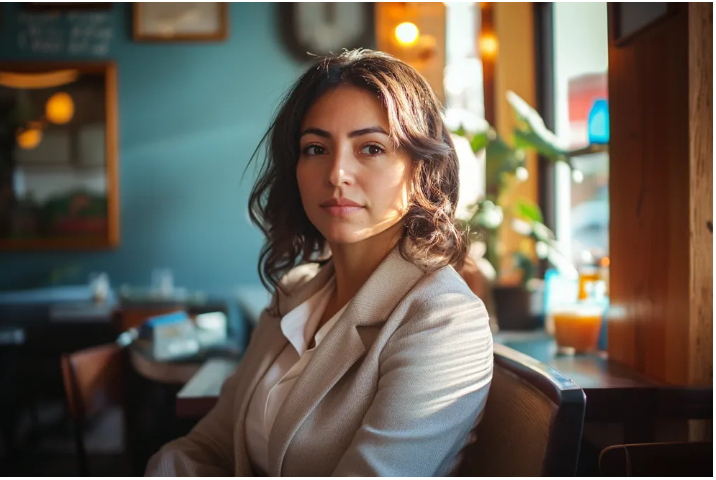
Two unlikely travellers, bound not by fate but by choice. Emma didn’t know where this journey would lead, but for the first time in her life, she wasn’t afraid of the answer, because she wasn’t trying to escape or seek wealth or fantasy. She was walking into something honest, and that, she understood, was enough. The days that followed were completely unusual for Emma.
No five-star hotels, no yachts, no champagne brunches. Instead, she woke up in quiet villages and dusty towns, in modest hotels and community centres, riding in Charles’s old jeep with the windows down and the wind playing in her hair. He did not live like the billionaire the world believed him to be.
They visited children’s homes on the outskirts of small towns, where children rushed into Charles’s arms, calling him by name. Not because he gave them toys, but because he remembered their birthdays, their favourite books, their inside jokes. They visited shelters for recovering drug addicts, where Charles spoke little but listened deeply. They sat on the porches of houses, half-built by hands he had financed but never named, eating soup made by people who didn’t even know that the man across from them owned half the sky. Emma watched all this with quiet delight.
He never announced himself, never sought praise. Once, while sorting boxes at a community food bank in Vermont, she asked him, ‘Why don’t you tell people who you are?’ He shrugged. ‘Because they would stop talking to me like a human being.’ Wherever they were, she saw the same thing. His eyes sought not gratitude, but connection.
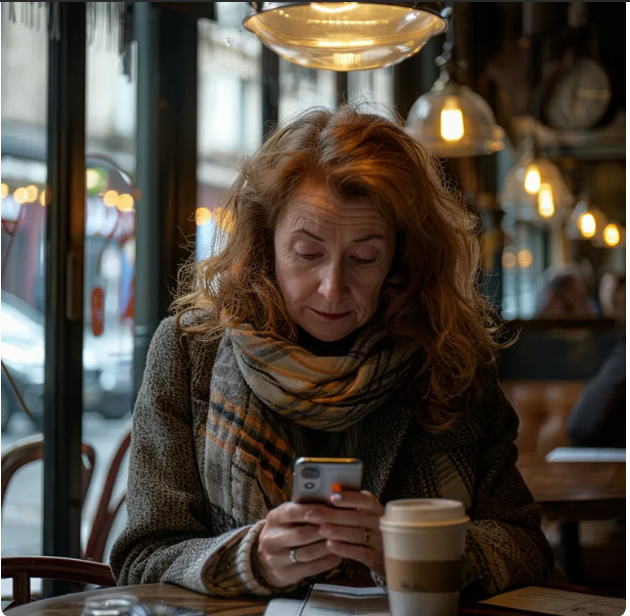
And more than once, she caught her reflection in a window and realised she was smiling in a way she hadn’t in years. One night in a cabin on the edge of a forest in Quebec, they sat on the porch as crickets sang and the air was heavy with the scent of pine. The only light came from a single lantern on the wooden table between them. Charles brewed chamomile tea.
Emma curled up in the rough blanket, watching the steam rise from her cup. They were silent for a while, but it wasn’t an awkward silence. It was the kind of silence that felt like shared breathing. Finally, Charles leaned back in his chair, staring into the darkness. ‘I’ve been offered everything,’ he said. ‘Compensation, comfort, even love.’
He paused, then turned to her, his voice softening. “But I don’t need someone who loves me. I need someone who understands why I love what I love. Someone who doesn’t need glamour, just presence.” Emma didn’t answer right away. She let the words sink in between them, heavy and gentle.
Then she looked at him, her eyes reflecting the lamplight and something deeper. ‘I don’t know if I’m that person,’ she admitted. ‘I don’t know if I understand all the reasons why you are the way you are,’ she took a breath. ‘But I know one thing. I’ve never felt more like myself than when I’m with you.’ Charles didn’t smile. He didn’t look triumphant.
He just looked peaceful, as if he had just heard an answer he didn’t know he was waiting for. They didn’t touch hands. They didn’t lean into anything more. Because what they shared had nothing to do with distance. It was recognition. Two souls, separated by several generations, shaped by very different lives, finding quiet resonance in the commas between their scars. Later that night, Emma sat by the window in the cottage and wrote in her journal.
Her thoughts came in half-sentences and single words. Silence, found, seen. She closed the book, tucked it under her pillow, and whispered into the silence. ‘I didn’t come looking for love, but maybe I stumbled upon something bolder.’ Outside, the stars blinked above them like silent witnesses to an ongoing story.
A story not about fantasy or fate, but about two souls who once believed they were alone until they became one. Three months. Three months of quiet mornings and unhurried conversations that listened more than they spoke, seeing the world not from skyscrapers, but from street corners and crowded public halls. Emma had changed, but not in the way most people would expect. She didn’t become richer. She didn’t dress differently.
Her shoes were still worn at the edges, her journals were still full of thoughtful musings and dog-ears, but her spirit had changed. She walked with her head held high, spoke more slowly, no longer felt the need to explain her worth to anyone. Charles noticed it too. They had just returned from a visit to a women’s shelter in Detroit when he asked to speak with her alone.
They sat on the roof of a converted church, the shining sky behind them. He handed her a simple folder, no ribbon, no ceremony. Inside were the legal documents to establish a foundation in her name — the Emma Bennett Opportunity Fund. She slowly looked up. ‘I want to leave something behind,’ he said. ‘But not for my name. I’ve done enough of that.’
‘I want the next girl waiting for a table to care for her sister, thinking that no one can see her. I want her to know that someone did see her.’ Emma said nothing. Not now. Charles continued. “You don’t have to manage them. You don’t even have to participate. But it will exist because you exist. Because one person chose to see someone not for what they had, but for who they were.”

Emma gently placed the file on the table, her fingers resting on the edge of the cover. ‘I don’t know what to say,’ she whispered. Charles smiled. ‘You don’t have to say anything.’ But she did. She took a long breath, confident and calm. ‘I’m pleased,’ she said. ‘More than I can express.’
‘But if it’s all right, I’d like to try something else,’ he nodded, supporting her. ‘I want to create something on my own,’ she said. ‘It shouldn’t bear my name or yours. I want to start from scratch. Not because I don’t appreciate what you’re offering, but because someone once believed in me enough to let me believe in myself.’ Her voice didn’t waver.
‘And I want to offer that same belief to others. Not through money, but through presence, through listening, through caring when no one else shows up.’ Charles was often silent, but then he smiled, not with surprise, but with the quiet, bright pride of a man who knew this day would come someday.
‘You’ve already done that,’ he said. Emma looked at him, the man who once stood trembling in a café, exposed to ridicule and rejection, only to become her mirror, her mentor, her friend. There was no label for what they were. Not lovers, not partners, not quite family, but something more solid, a kind of spiritual recognition, a shared truth that demanded certainty.
He reached across the table and gently squeezed her hand. ‘No matter what you do,’ he whispered softly. ‘I will always be on your side.’ She nodded, her eyes shining. ‘And at that moment, nothing more needed to be said.’ Their story had never been about grand declarations.
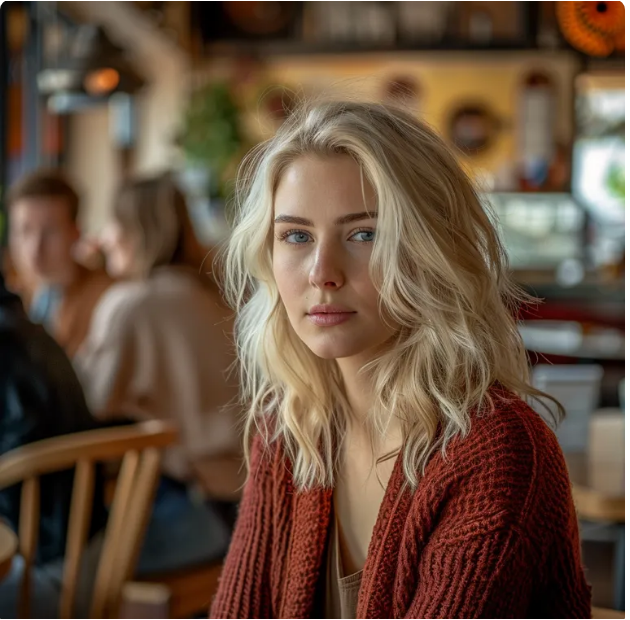
It was built on quiet choices, patient faith, and the courage to let each other go. Not because of loss, but because of trust. They sat there until the sun disappeared below the horizon, casting long golden shadows across the city. They had come to see it not only as a place, but as a promise. A promise that kindness, once offered unconditionally, would always find its way back.
And that sometimes the true form of love is allowing someone to go their own way, knowing that they carry a piece of you with every step. The rain returned, quiet and steady, as the last letters were written on the café window. ‘First cup,’ Emma stood across the street with an umbrella in her hands, watching her dream become reality. It wasn’t just a café. It was THE café.
The very place where it all began. Where a man once stood wet and ashamed for forgetting his wallet. Where she, a waitress with little to her name, offered a five-ruble note and had no idea that she was rewriting her life. Now the space was hers, but more importantly, it belonged to everyone.
She restored it from scratch, painted the walls, renovated the floors, replaced the lamps. With the help of volunteers, small donors and subtle support from a man who never asked for recognition. Under the glass logo, the motto glistened: ‘No one should have to earn kindness.’ Inside, the café glowed with life. Warm light, soft jazz, shelves with books and the low hum of conversation.
The chalkboard read மருத்த, ‘Your first cup is on us. Your second, if you can, is for someone else.’ A piano in the corner awaited the afternoon trio. The tables were not numbered, but had handwritten words on them. Hope. Trust. Beginning. Emma stood by the window, watching the flow of humanity. An exhausted nurse, a courier, a mother with two children.

A place for rest, for dignity. Then the door opened. A man entered. Old, stooped, wet from the rain. His hands trembled as he held the door. He looked uncertain, almost apologetic. The young barista stepped forward. ‘Sir, we, um… this place is for customers only.’ ‘If you don’t have…’ Emma crossed the room before he could finish, placing a gentle hand on the barista’s shoulder. ‘It’s okay,’ she said, then turned to the man. ‘Would you like to sit by the window?’ He nodded gratefully. She smiled. ‘What would you like today?’ ‘Just something warm,’ he muttered. ‘To stand for a while. I’ve had a long morning.’ Emma softened her voice. ‘Then let’s make it longer with a little peace and quiet.’ She glanced at the barista.
“The first cup is always on us here. No questions asked, no shame.” He nodded, his eyes widening. The lesson had been learned. When she came back, something tugged at her. She turned to the window, and there he was, Charles, standing across the street under a black umbrella, the collar of his coat turned up, his face calm, his eyes warm.
He didn’t wave, didn’t come in, just watched. She met his gaze, and in that quiet moment between them, something happened. Gratitude, forgiveness, and something else, a promise. He nodded once, then turned and disappeared into the rain. Later, during the quiet opening, Emma stood next to the piano with a microphone in one hand and a warm cup in the other.
She looked around the café. Every seat was taken, and the air was filled with cosiness. ‘Years ago,’ she began, “I paid for someone’s coffee. I didn’t know who he was. I just saw someone getting smaller, and I couldn’t look away.‘ She paused for a moment. ’That cup cost me 5 roubles, but what it gave me was a new way of seeing the world.” Some nodded, others wiped their eyes.
‘I thought I was helping a lost person,’ she said. ‘But it turned out that he helped me find a version of myself that I didn’t know I had the right to exist.’ She put down her cup. ‘This café isn’t about selling coffee. It’s about presence. It’s about showing care when no one else does.’

Her voice grew quieter. ‘A man once told me, “Kindness doesn’t need to be remembered. It just needs to be continued.”’ She smiled. ‘So that’s what we do here, one cup at a time.’ And, almost by inertia, she added, “Some loves don’t need romance. Lives change with just one kind gesture and the courage to mean it.” The room applauded. The saxophone began to play, and somewhere deep in the hall, the first cup was poured.
“For someone who didn’t know they needed it until it was there. And so it began again. Thank you for joining us on this touching journey that began with one act of kindness and unfolded into something much greater than anyone ever expected. Emma didn’t need a miracle. She wasn’t chasing wealth or titles.
All she did was choose to care on a rainy morning when no one else would. And sometimes that’s all it takes to change not just one life, but two. If this story touched you, inspired you, or reminded you of the quiet power of compassion.