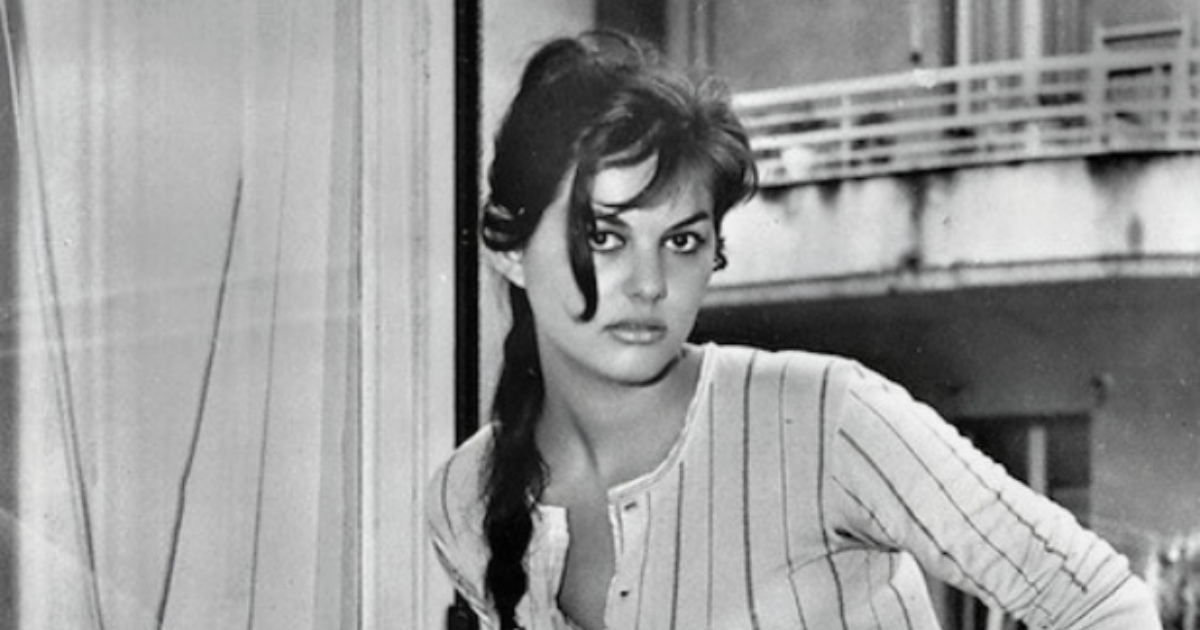
Claudia Cardinale, born in 1938 in Tunis, was a rare type of woman who not only appeared on screen – she inhabited it, filling every frame with intelligence, warmth and quiet fire. Raised at the crossroads of cultures, the Italian-Tunisian beauty was discovered almost by accident after winning a local beauty contest. However, the world quickly realised that behind her luminous eyes and enigmatic smile lay not only a face made for the camera, but a soul destined to define European cinema.

Her career took off at a rapid pace. At the turn of the 1950s and 1960s, Italy – then the beating heart of world cinema – became her stage. She brought charm and vitality to her early roles, which captured the imagination of an entire nation. However, it was Federico Fellini’s 8½ (1963) and Luchino Visconti’s The Leopard (1963) that revealed her true artistry. In these films, she was more than a symbol of beauty – she embodied emotional depth, a woman whose silence spoke as powerfully as her words.
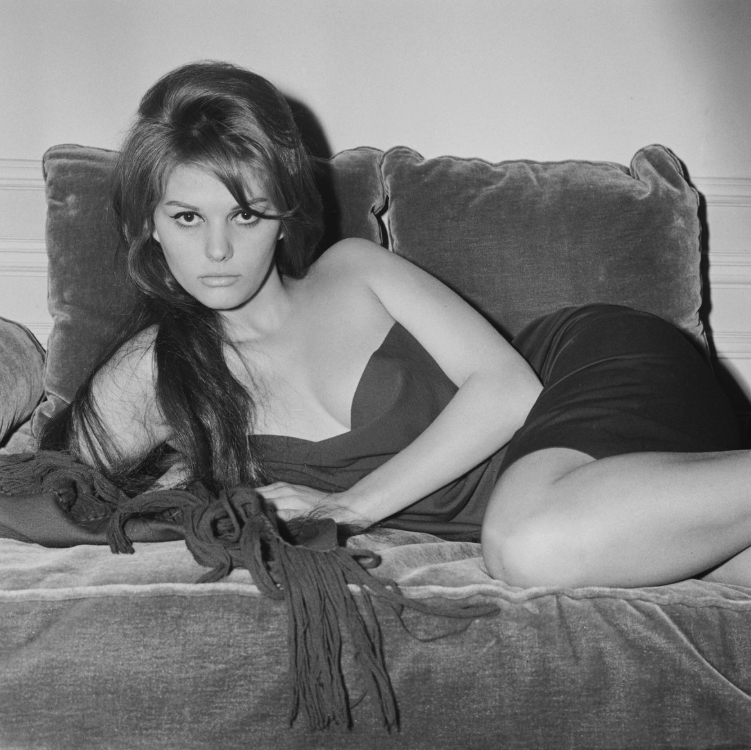
Hollywood claimed her almost immediately. Cardinale effortlessly crossed boundaries, moving between languages and genres with the grace of a born storyteller. From the playful elegance of The Pink Panther (1963) to the unyielding, sun-kissed strength of Jill McBain in Sergio Leone’s Once Upon a Time in the West (1968), she gave each character an aura of mystery and heart. She never remained in the shadow of her male co-stars – she matched them, and often even outshone them, dominating the screen in a natural, unforced way.
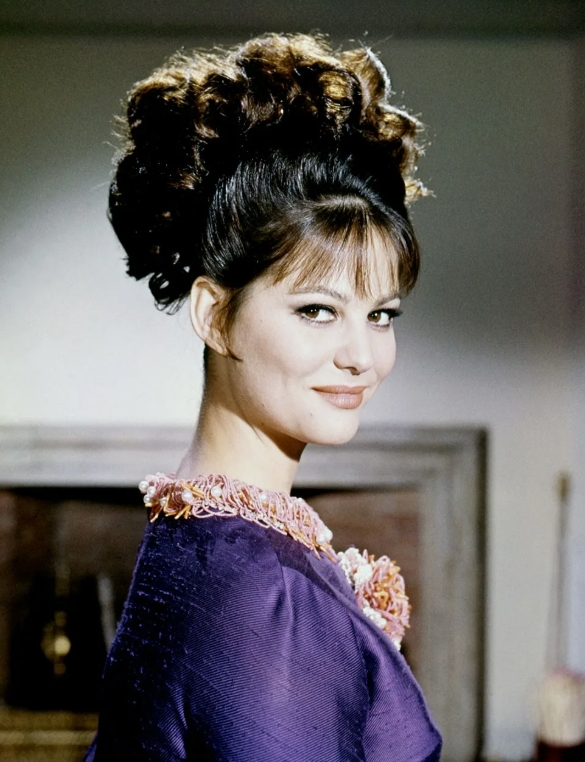
Over the decades, Claudia Cardinale became more than an actress – she became an idea: one of timeless elegance, independence and strength. Her legacy is not only the films she made, but also the women she inspired – those who learned that class does not have to mean submissiveness, and that beauty can coexist with brilliance.
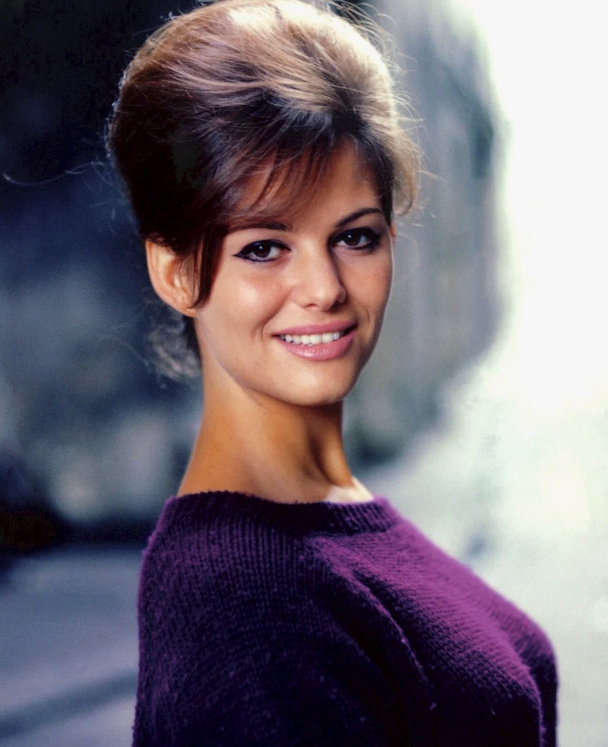
In a world of fleeting fame, Claudia Cardinale remains eternal – a muse of the camera, a force of nature and the golden heart of European cinema. Still radiant, still rebellious, she is a living reminder that true stars do not fade – they simply continue to shine, quietly, beyond time.