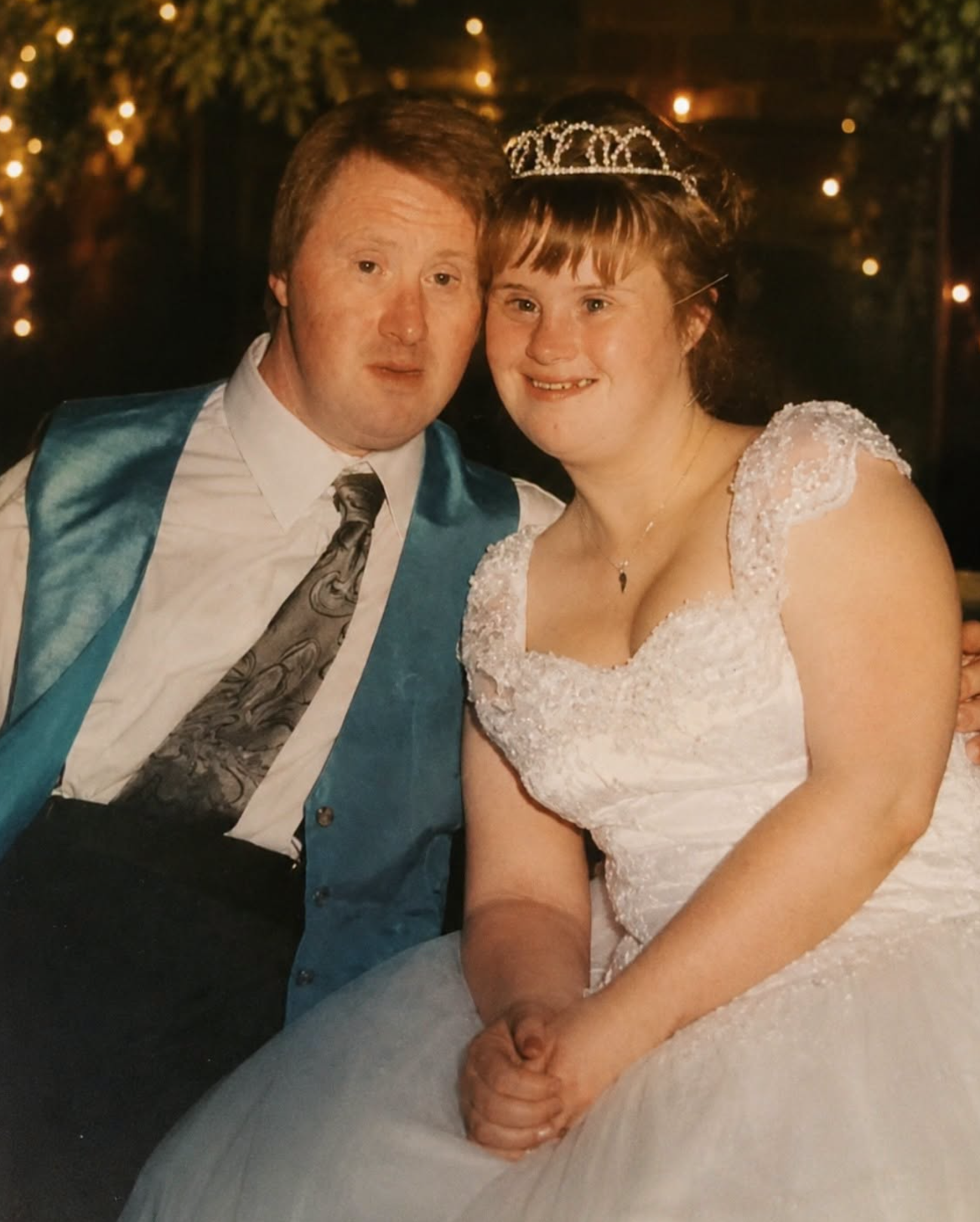
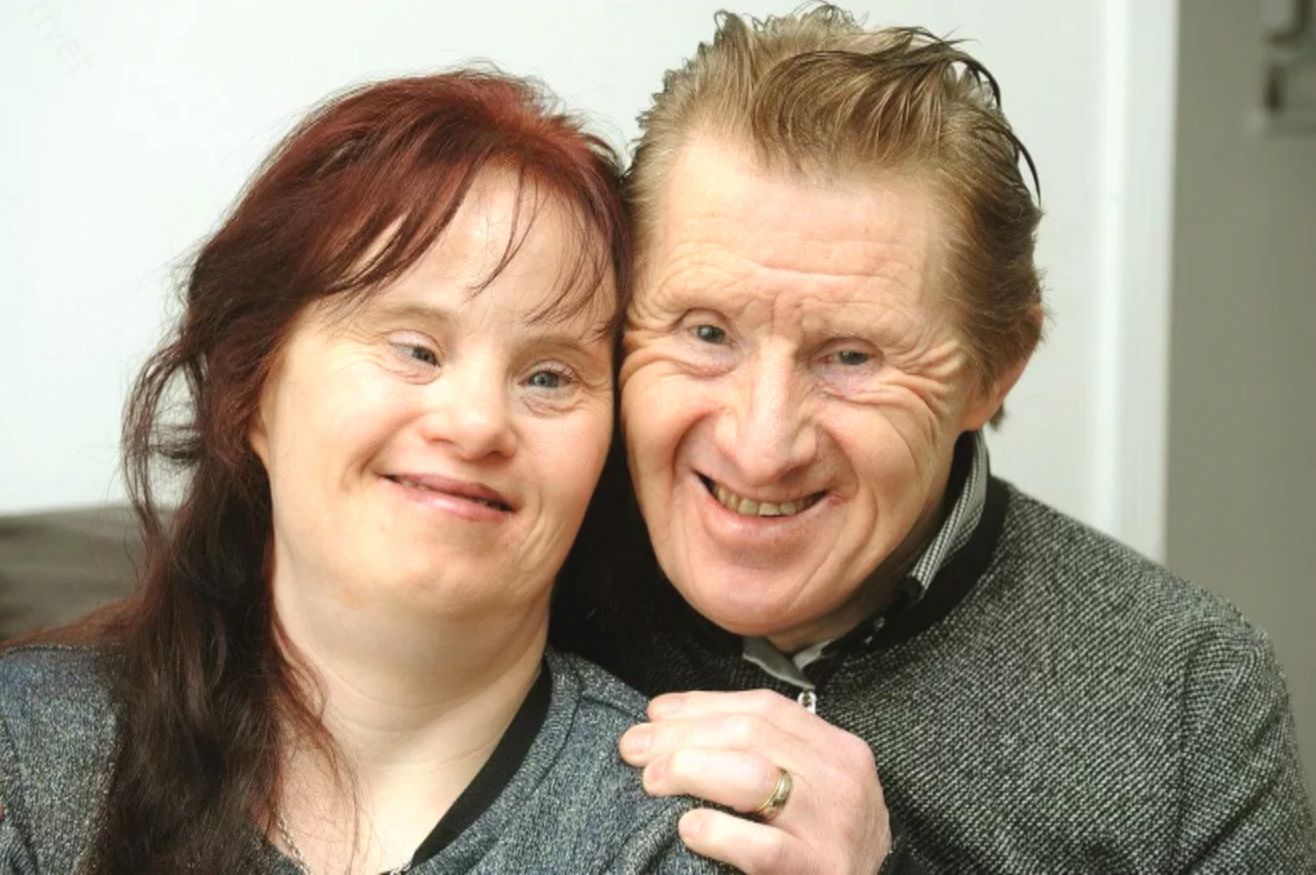
Hello, my dear readers! At the heart of this touching story are Marianne and Tommy Pilling. They became the world’s first couple, both with Down’s syndrome, to formalise their relationship and get married. On the day they exchanged their wedding vows, millions of viewers watching from behind their screens doubted that this union would stand the test of time, and predicted a swift and painful end for it.
Today, Marianne is 55, and her beloved Tommy, sadly, is no longer by her side — he passed away at the age of 58. But the story they left behind has forever shattered many long-held prejudices.
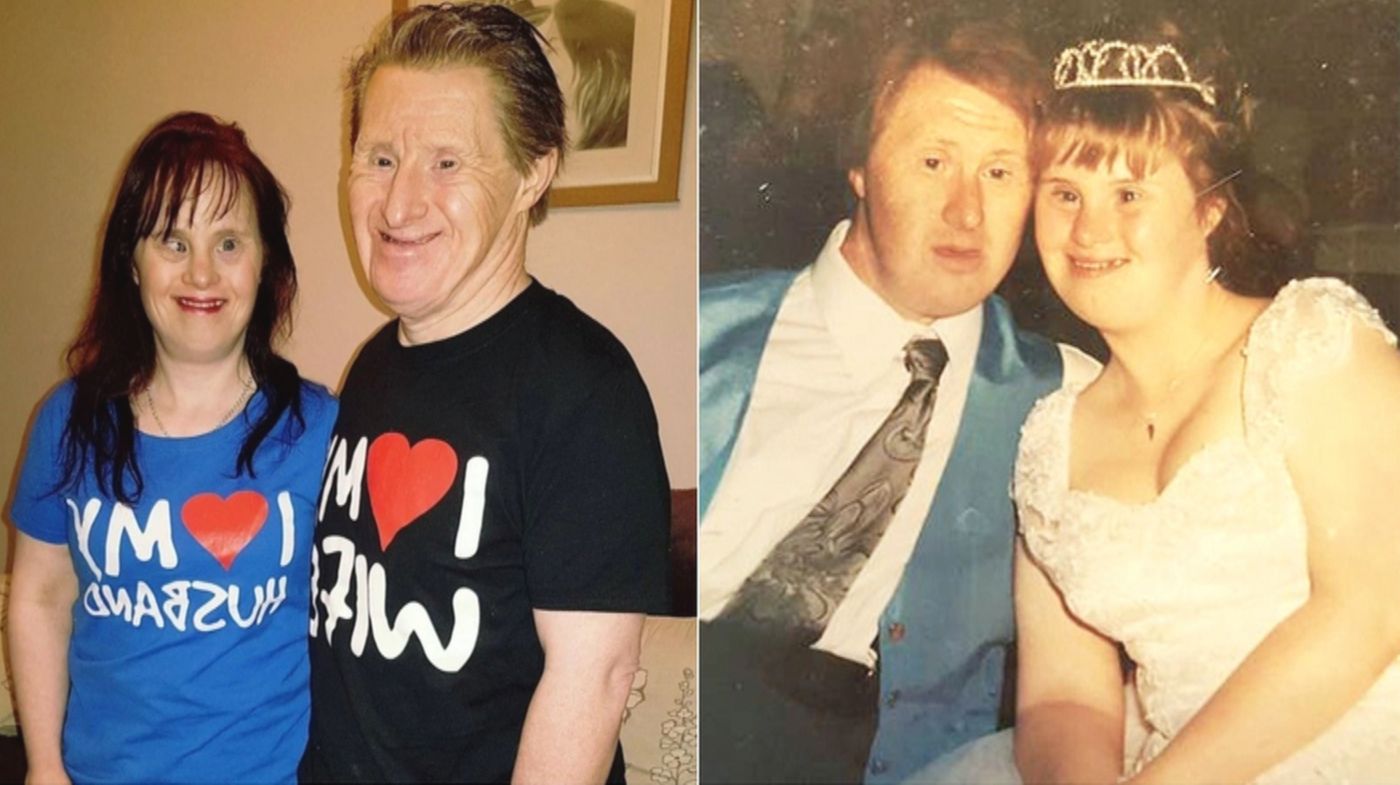
It all began in the English county of Essex. The lives of people with genetic conditions are rarely straightforward — they face constant health problems, a weakened immune system, developmental delays and, perhaps most difficult of all, cruelty and a lack of understanding from society. Both Marianne and Tommy had to face ridicule, hurtful remarks and humiliation from a young age.
Marianne was brought up by her mother alone – Linda Martin. The girl’s father, upon learning of his daughter’s diagnosis, was daunted by the responsibility and simply vanished from their lives. Another woman might have broken down, but Linda proved to be a person of incredible inner strength and a big heart. She persistently taught her daughter to be independent, helped her learn simple everyday skills, and later enrolled her in cookery classes for people with special needs.
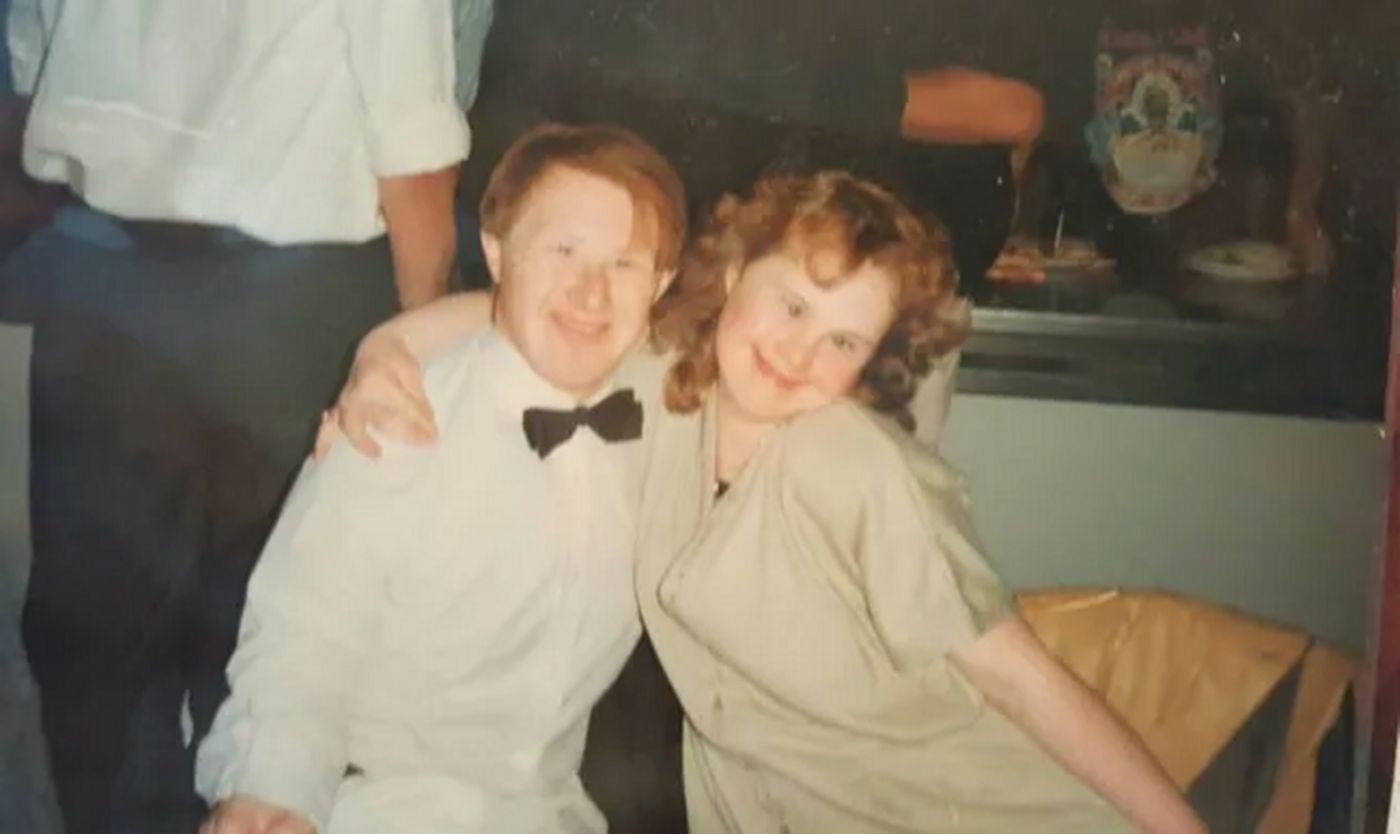
It was there, amidst the scent of freshly baked goods, that 19-year-old Marianne first laid eyes on 32-year-old Tommy. He had been living as an orphan in a boarding school since the age of twelve, where hardly anyone had ever really looked after him. It was love at first sight for them. Marianne was literally beaming with joy and kept repeating his name over and over. When Linda invited the quiet, reserved and serious Tommy to her home, she immediately noticed how different he was from her cheerful, boisterous and restless daughter. But they shared something in common, and it was very important — a love of music, dancing and a remarkable sincerity of spirit.
‘Why are you taking on the responsibility of looking after yet another disabled person?’
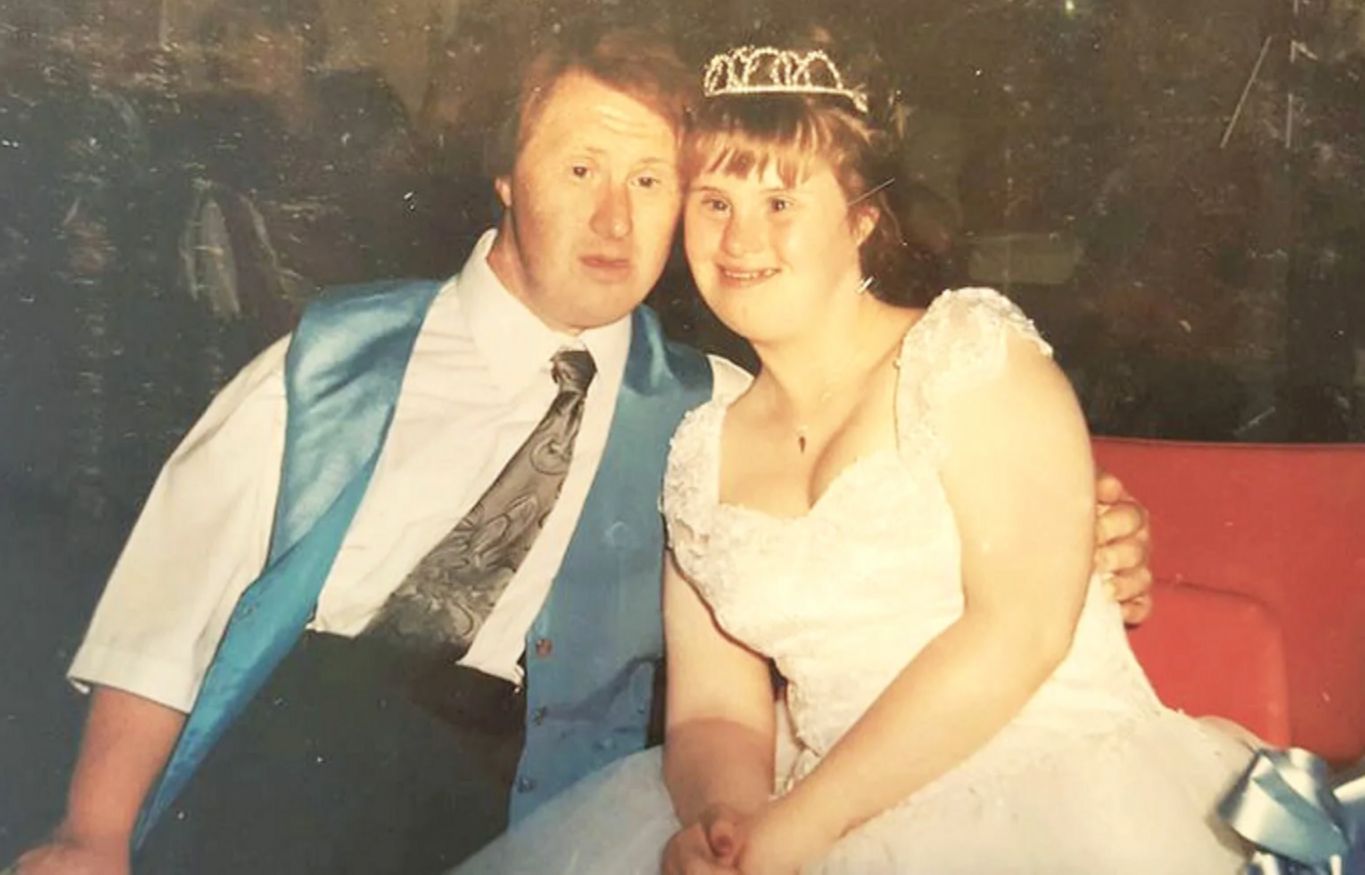
Their relationship lasted five long years. Many people around them criticised Linda, were baffled and tapped their fingers against their temples. But Marianne’s mother listened not to what others said, but to her own heart. Later, in an interview, she admitted: ‘I thought: why shouldn’t they have the right to be just like everyone else? I didn’t have the slightest doubt or any objections.’
Tommy lived very modestly and was by no means wealthy. When the time came to propose to his beloved, he got down on one knee and presented Marianne with a ring. It was made of plastic, bought for next to nothing at a cheap kiosk near the station. But is true love really measured by the price of the metal? Later, Linda tactfully took her future son-in-law to a jeweller’s so that they could choose proper wedding rings.
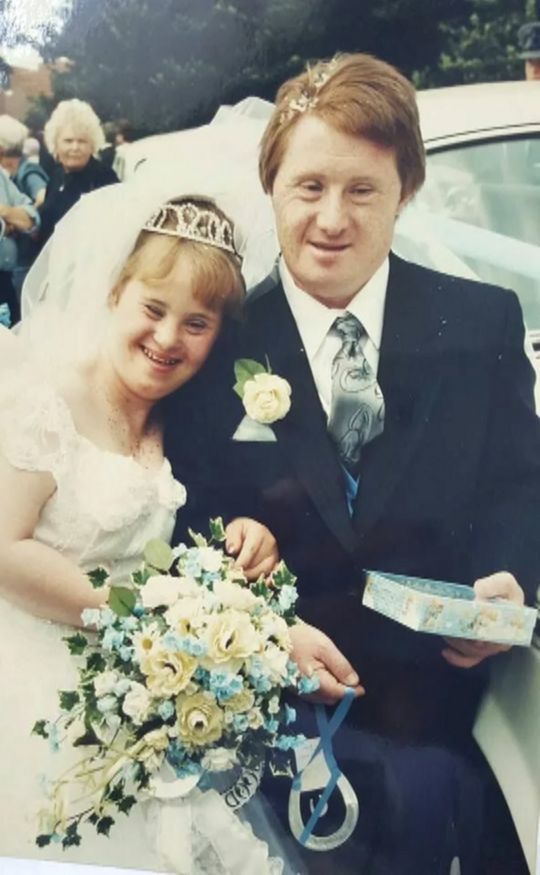
Their wedding took place on 15 July 1995 in the town of Schuberness. A snow-white veil, a sparkling tiara, the groom’s blue suit, tailor-made especially for the occasion, and hundreds of journalists’ cameras all around. ‘The wedding was the happiest day of my life,’ Marianne recalled years later, with tears in her eyes.
For the first 17 years, the couple lived alongside Linda, who had officially taken Tommy into her care. Calmly and patiently, step by step, she taught them how to manage their daily lives, until one day she realised: they were now truly ready to live independently. So their mother rented a flat for them nearby. Marianne and Tommy lived on their own, whilst Linda simply came to visit them and helped out when necessary. The story of this couple quickly spread around the world. They were invited onto television programmes, and the couple spent the money they earned on travelling. They travelled around England, visited France and even went to America to visit places associated with their idol — Elvis Presley.
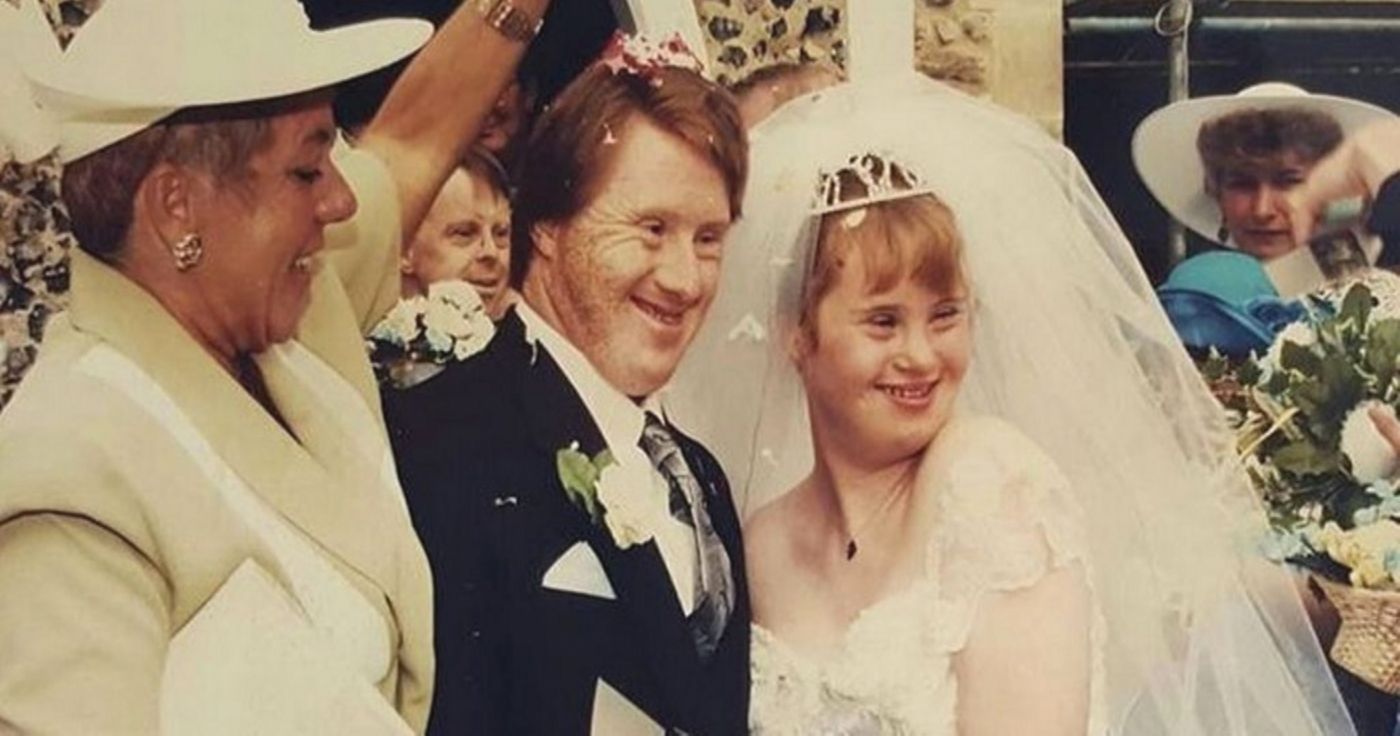
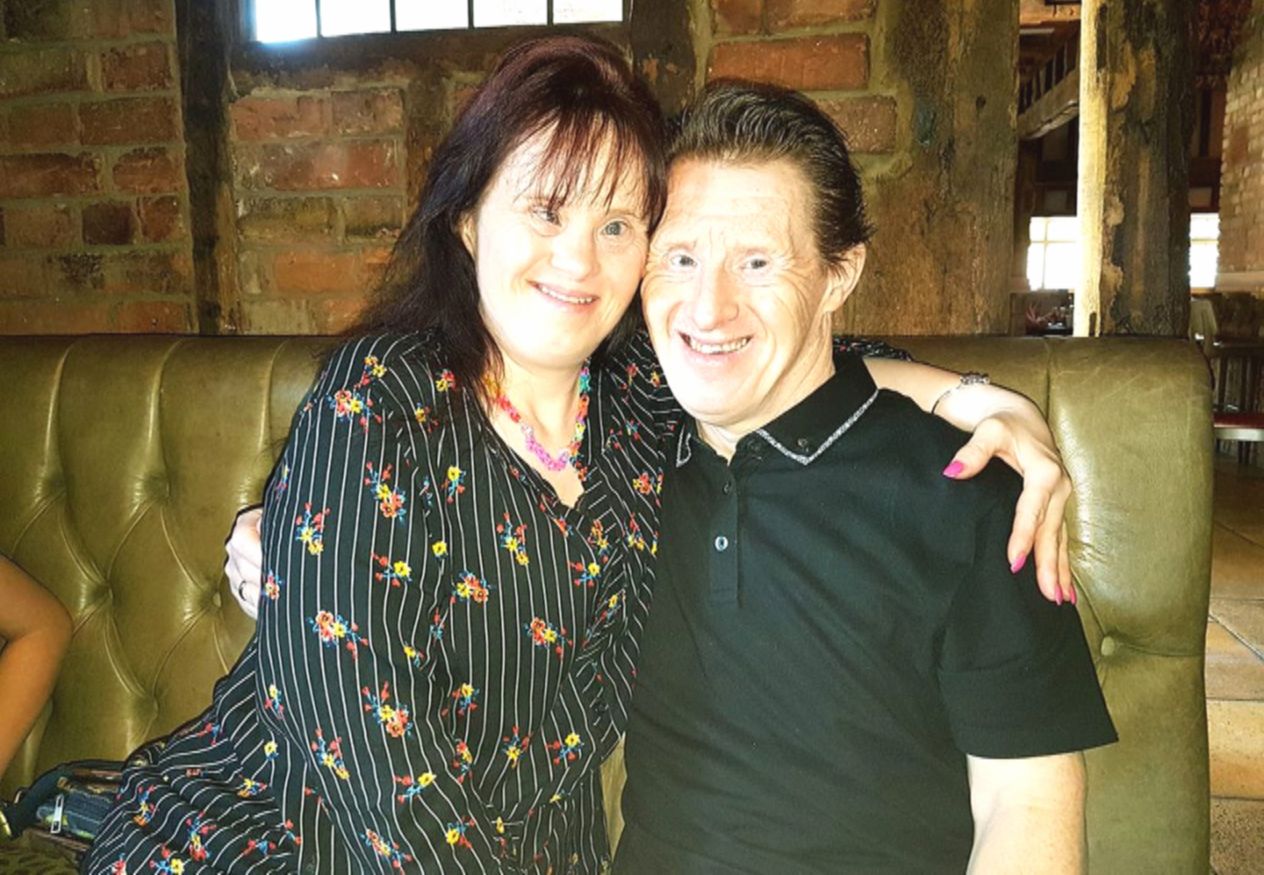
‘We never argue,’ Marianne said on social media, sharing her simple secret to happiness. ‘I love my husband very much; he’s my best friend.’ The little everyday things that cause thousands of ordinary marriages to fall apart seemed to have no hold over them. Over 70,000 people followed their page online. Mothers of children with special needs all over the world read their story with tears of hope in their eyes and stopped feeling ashamed of their little ones.
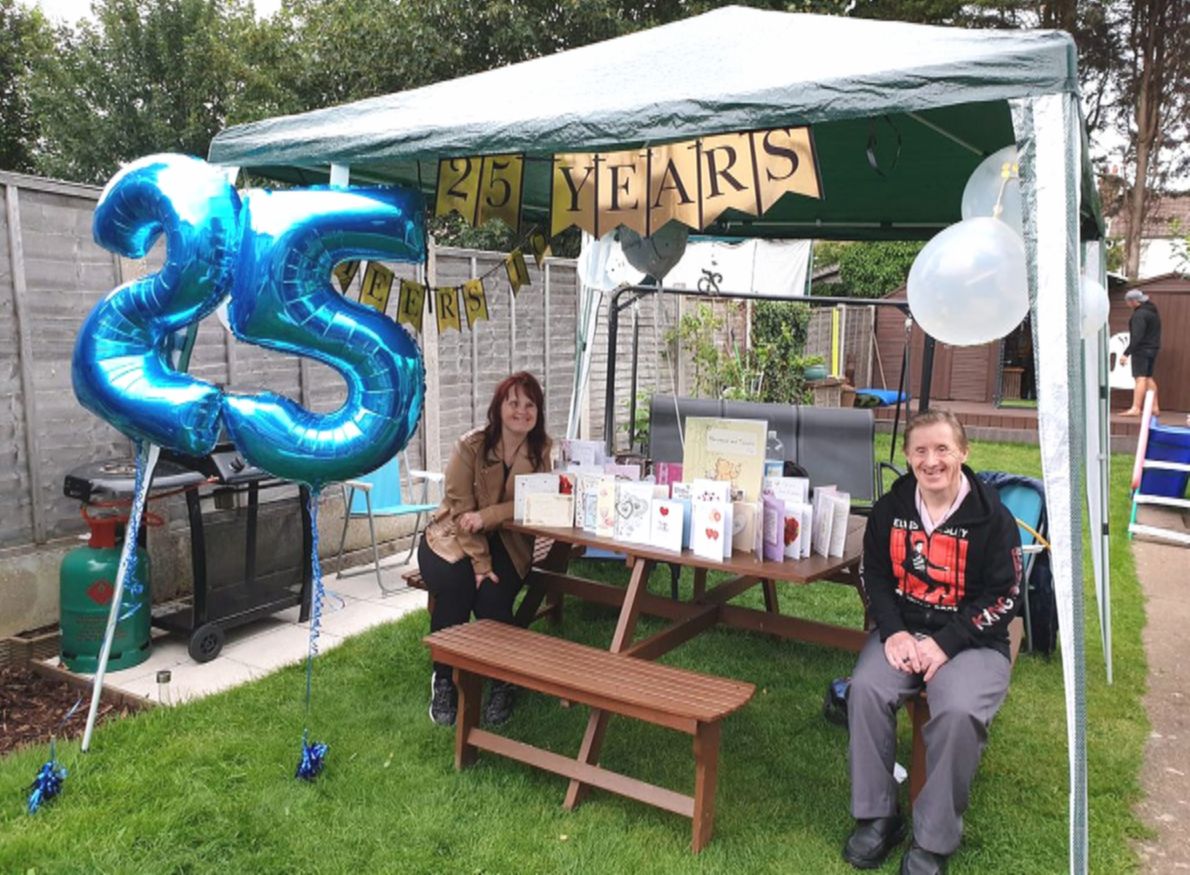
But every earthly fairy tale, however much we might wish otherwise, has a final chapter. In recent years, Tommy’s life had become a gruelling ordeal — he had begun to develop Alzheimer’s disease. Marianne cared for her fading husband with devotion, tenderness and almost angelic patience, even when he sometimes no longer recognised her. They celebrated their silver wedding anniversary in 2020 quietly, during the pandemic. And on the first day of 2021, Tommy passed away due to complications caused by coronavirus.
Marianne still misses him immensely. But their thirty years of love, joy and laughter have forever changed many people’s attitudes towards families like theirs. As Linda Martin once put it so aptly: ‘Their life story is truly inspiring. I am so glad I made the right decision back then, when Tommy asked for my daughter’s hand in marriage.’
This story reminds us that a person’s true greatness lies in their ability to love unconditionally, without demands or expectations. Marianne’s mother performed a genuine, almost saintly act by giving these two people a chance at simple human happiness, which they deserved no less than anyone else.
And what do you think, my dear readers? With all our intelligence, resources and experience, are we capable of looking after one another as sincerely, devotedly and selflessly as Marianne and Tommy did?