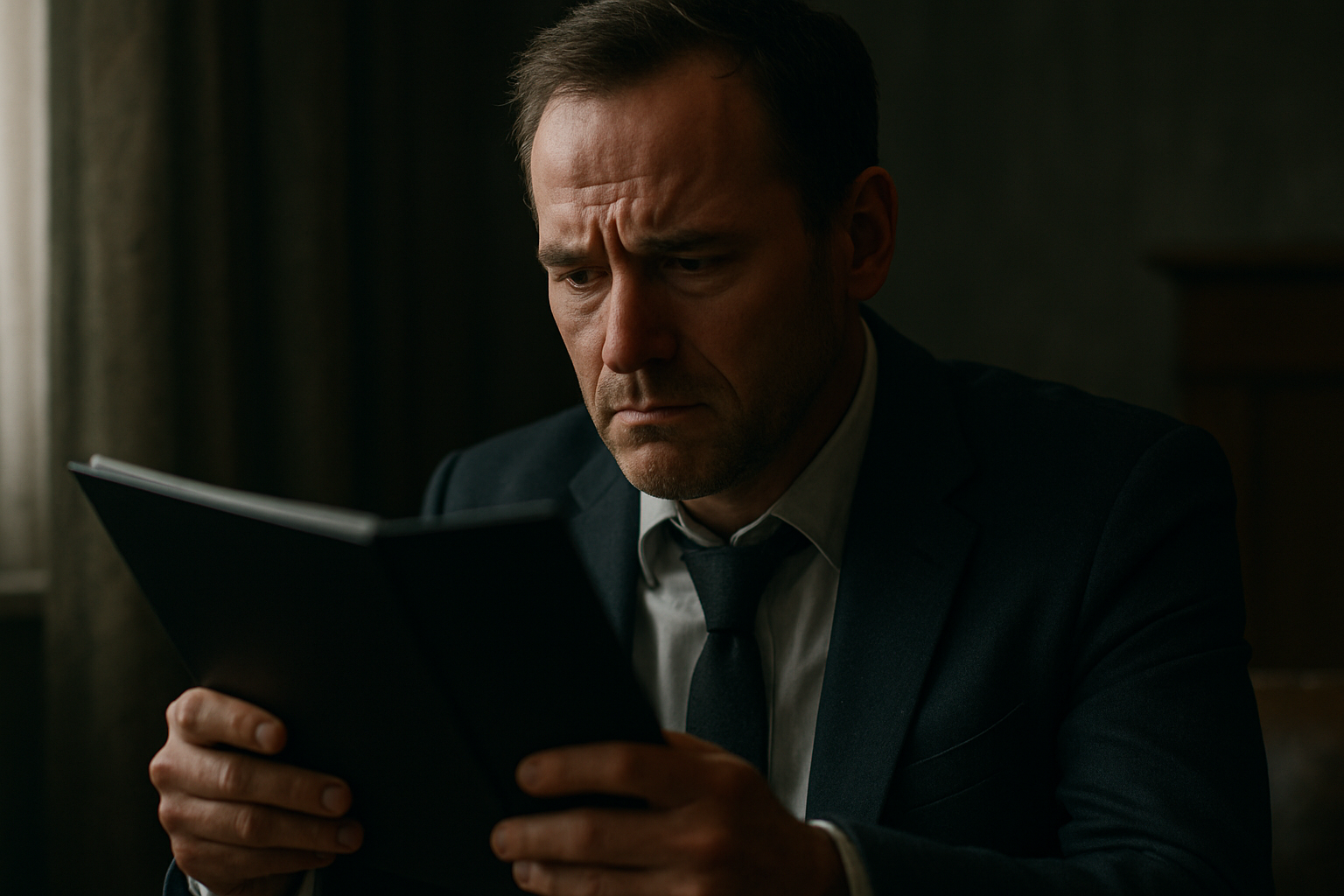
As if I had become brave by choice, instead of being a mother forced to learn how much betrayal could fit inside one marriage.
Anika told me not to read the comments.
I read them once at two in the morning, which is when even intelligent people make terrible decisions.
Strangers had opinions about my dress, Adrian’s smile, Serena’s hair, whether women lie in divorce, whether rich men are targeted, whether mothers use children as weapons.
I shut the laptop after ten minutes and sat in the dark until Finn appeared in the doorway with his dinosaur blanket.
“You okay?” he asked.
That was when I understood healing would require more than winning.
If I let fear turn me into a ghost at the kitchen table, Adrian would still be shaping our home from a distance.
“I’m learning,” I said.
Finn climbed into my lap, too big for it and still exactly the right size.
“Me too.”
So we learned.
Finn learned therapy was not punishment. He learned anger could be drawn in red crayon. Nightmares could be named. Missing someone who hurt you did not make you foolish.
I learned not to make him comfort me.
When he said he hated Adrian, I said, “That makes sense.”
When he said he missed him, I said, “That makes sense too.”
When he asked whether bad people can love you, I sat with him under the maple tree and answered carefully.
“People can feel love and still do harmful things,” I said. “But love is not only a feeling. Love is also how someone treats you. If their choices keep hurting you, we have to protect you, even if part of you still loves them.”
He leaned against me.
“Do you love Dad?”
Once, I would have lied to protect him.
Then I might have told the truth to punish Adrian.
Now I chose the harder path.
“I loved who I believed he could be,” I said. “I don’t love how he treated us.”
Serena testified three months after the black folder.
I did not attend. I sat in Anika’s office while rain tapped the window and watched the transcript arrive line by line.
Serena admitted she had signed false foundation reports. She admitted she had accepted gifts from Adrian while donor money moved through Mercywell. She admitted she had believed his version of me because it benefited her to believe it.
Then she gave prosecutors the recordings.
The worst one came from a dinner at Adrian’s lake house two weeks before the divorce hearing.
His voice was clear.
Relaxed.
Almost cheerful.
“Mara won’t fight after judgment,” he said. “People like her collapse once the court makes it official. She’ll get a rental, maybe some bookkeeping job. The boy will adjust.”
Then Serena asked, “And the trust?”
Adrian laughed.
“Sentiment is expensive. My son doesn’t need a college fund controlled by a woman who can barely control her face.”
Reading those words made my hands go cold.
Anika reached across the desk and closed the laptop halfway.
“You do not have to absorb all of it today.”
“I do,” I said.
“No,” she answered gently. “You have to protect yourself enough to keep going. That is not the same thing.”
Adrian’s criminal case grew larger than our divorce.
Federal investigators found more accounts, more misled investors, more clinic profits rerouted through companies designed to vanish on paper. The medical board suspended his license. Former employees came forward.
A nurse named Helen Mercer gave a statement about altered billing codes.
A junior accountant produced emails showing Calder had been copied on questions about asset disclosures.
Otto Kline, the appraiser, took a deal before anyone else did.
That is how power collapses.
Not all at once.
But through the sudden courage of people who thought they were alone until someone else spoke first.
Calder was referred to the bar. He claimed he had relied on his client’s representations.
Anika read the letter, smiled without warmth, and said, “That is what lawyers write when they are afraid.”
Adrian did not plead guilty right away.
Men like him rarely do.
First he blamed me.
Then Serena.
Then careless staff.
Then regulators, market conditions, tax complexity, stress, grief, paperwork errors.
Anything but the truth.
Meanwhile, the divorce continued in the slower language of law.
The forensic accountant confirmed what the black folder had begun to prove. Adrian had concealed millions in marital assets, inflated debts, undervalued property, and attempted unauthorized transfers.
The house stayed with me and Finn.
The education trust was restored.
Funds were placed in escrow for child support, therapy, legal fees, and eventual distribution.
On paper, I was winning.
In real life, winning looked like teaching Finn to sleep through a thunderstorm.
The first big storm came in August.
The sky turned green-gray by dinner. Wind bent the maple branches.
I found Finn in the hallway, staring toward the gate.
That gate had been repaired and repainted. Harmless by daylight.
But trauma does not care what has been fixed.
“What if someone locks it?” he asked.
“No one can lock us out of this house tonight.”
“But what if they do?”