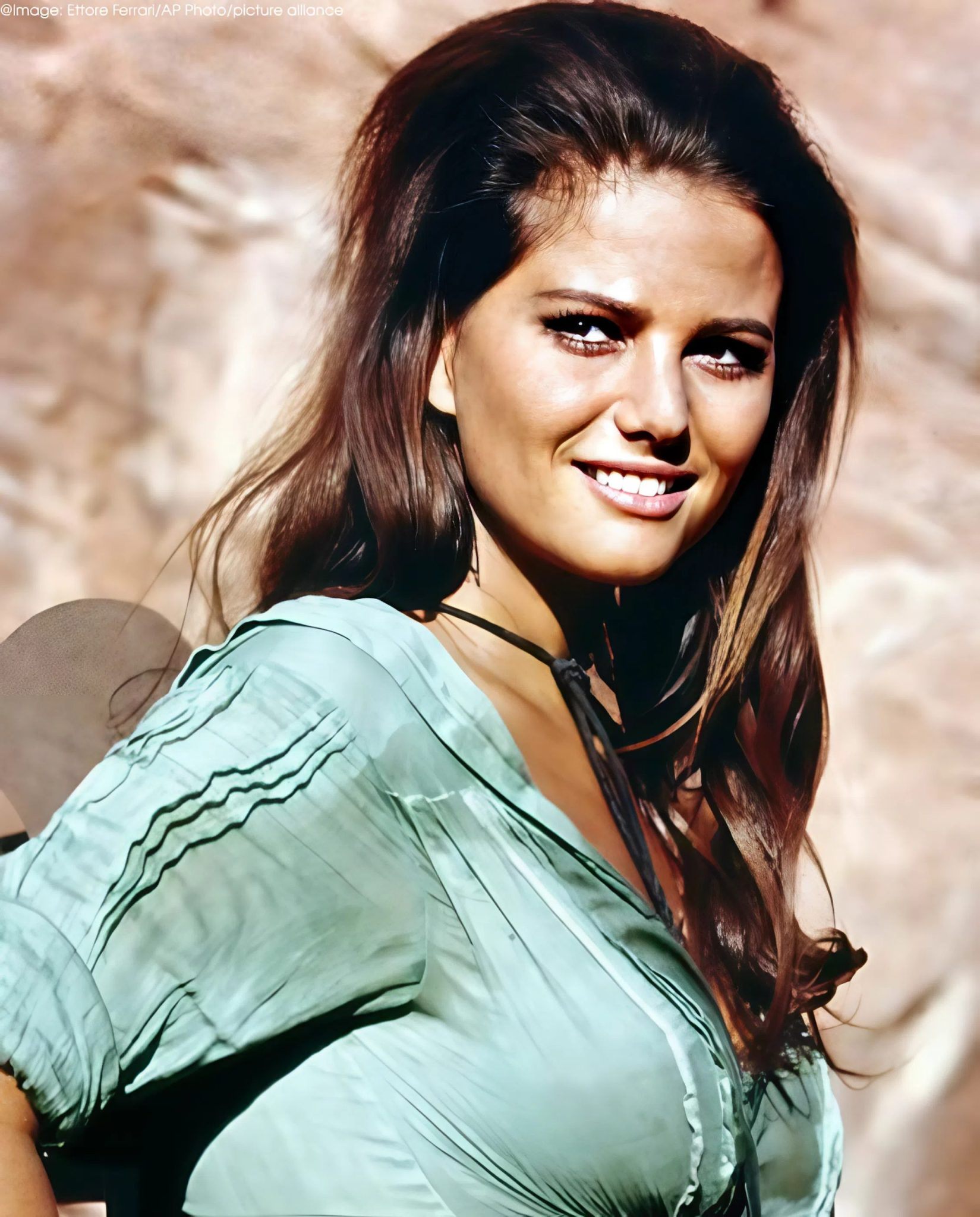
Over a career spanning more than six decades, Claudia Cardinale has mesmerized global audiences with her breathtaking on-screen presence, profound emotional depth, and unwavering resilience. While she is widely celebrated as the ethereal beauty of European cinema’s golden era, her ascent to stardom was far from traditional. Cardinale’s evolution into a silver-screen icon was forged not only by raw talent and opportunity but also by severe personal trauma, incredible fortitude, and an unshakable sense of identity.
Born in Tunis, Tunisia, in 1938 to Italian parents, Cardinale initially harbored no ambitions of becoming an actress. In fact, she was studying to be a teacher when, at the age of 18, her life’s trajectory shifted during an unexpected spectacle. While assisting in the organization of an Italian film festival, she was thrust onto the stage and crowned the “Most Beautiful Italian Girl in Tunisia.” The prize—an all-expenses-paid trip to the Venice Film Festival—opened doors she had never planned on walking through.
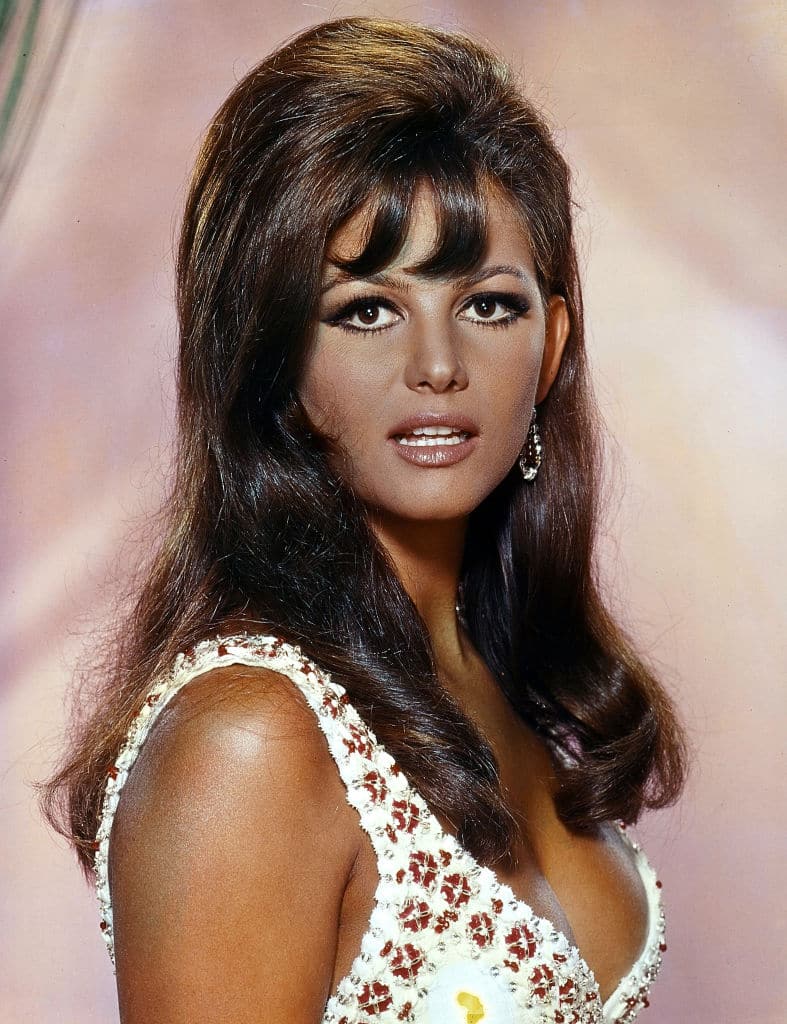
Soon after, producers eagerly courted the radiant newcomer. Yet, behind her poised exterior, Cardinale harbored a devastating secret: she was pregnant following a violent assault by an older man. She rejected the majority of film offers until producer Franco Cristaldi successfully persuaded her with guarantees of stardom and protection. He transitioned into not only her manager but eventually her husband, although their relationship was defined far more by his control than by love.
Cristaldi demanded that her pregnancy be kept strictly hidden from the public eye. Upon the birth of her son, Patrick, the media was falsely informed that the boy was her younger brother. Under Cristaldi’s rigid direction, Cardinale was molded into what the industry hoped would be the Italian counterpart to Brigitte Bardot. Nevertheless, she stayed fiercely dedicated to her personal values, explicitly refusing to ever appear nude on film.
In spite of her private turmoil, Cardinale’s star rose rapidly. She made her debut in Three Strangers in Rome in 1958, and within just a few years, she was sharing the screen with cinematic legends in critically acclaimed films. In 1963, she starred in Federico Fellini’s 8½ and Luchino Visconti’s The Leopard, both widely regarded as masterpieces of world cinema. Her performances, defined by a perfect balance of strength and vulnerability, earned her universal praise.
Claudia cardinale pic.twitter.com/Bpme7VtSxO
— Goldenagehollywood (@oldmovieactress) August 11, 2024
She subsequently conquered Hollywood, starring in The Pink Panther opposite David Niven, Circus World alongside John Wayne and Rita Hayworth, and Once Upon a Time in the West, where her unforgettable portrayal of a prostitute surviving the brutal American frontier became one of her most celebrated roles. Unlike many of her contemporaries, Cardinale completely refused to conform to the Hollywood machine. She prioritized substance over sheer stardom and fiercely resisted the industry’s tendency to objectify women.
Though she was frequently compared to Brigitte Bardot—her co-star in The Legend of Frenchie King—Cardinale took great pride in preserving an air of mystery and dignity on screen. “I always thought it was more erotic to leave some room to imagination,” she once remarked.
Away from the cameras, her personal life was equally complex. Her stifling relationship with Cristaldi finally concluded in 1975, the same year she met director Pasquale Squitieri, whom she remained devoted to until his death in 2017. Together they had a daughter named Claudia. Furthermore, her son Patrick, whose true paternity had been concealed for almost two decades, ultimately stepped into the spotlight as her actual child—a profound moment of truth and healing for Cardinale.
In 2017, Cardinale spoke candidly about the sexual assault she survived as a teenager. Rather than allowing the experience to break her, she chose to raise her child and pursue her career, even while being silenced by an industry that preferred its starlets flawless and uncomplicated. “It was terrible,” she stated, “but the most beautiful thing is that my wonderful Patrick was born from that violence.”
Now 86 years old, Cardinale resides in France and enjoys robust health, despite fabricated reports of hospitalizations in recent years. In 2022, she personally dismissed the rumors, declaring, “I’m next to my family, I’m in full health.”
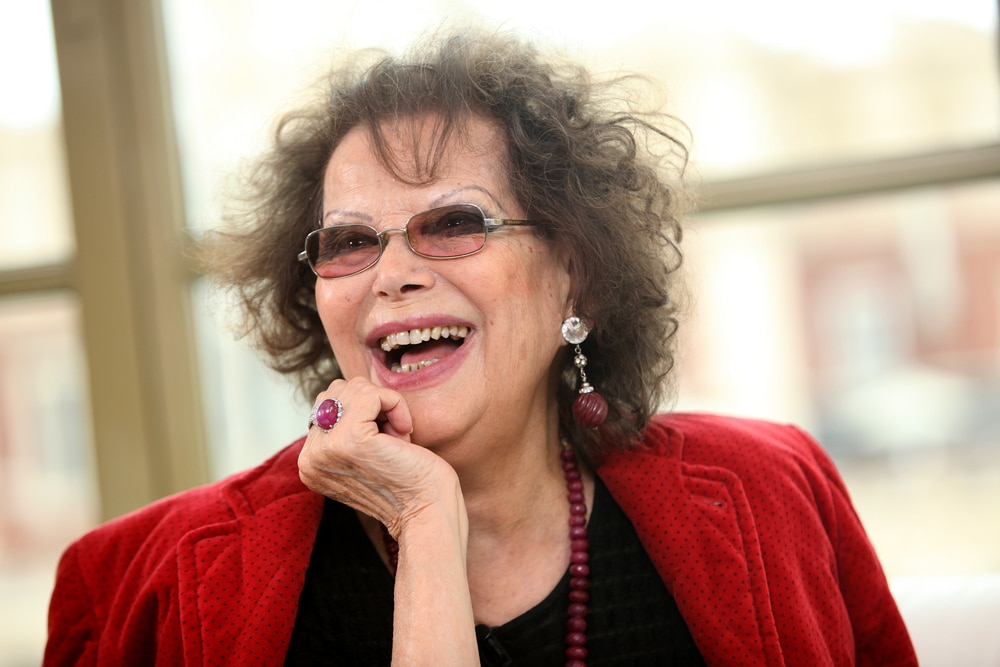
Today, her legacy extends far beyond film. Serving as a goodwill ambassador for UNESCO, she uses her platform to fiercely advocate for women’s rights—a cause incredibly close to her heart given her own history.
Claudia Cardinale’s life has been defined by beauty, brilliance, and sheer bravery. Her story serves as a poignant reminder that behind the glamorous photographs and iconic silver-screen roles are real women with profound narratives of survival, strength, and self-discovery. Through it all, Cardinale never allowed the industry to dictate her worth—and instead, she cemented herself as one of its most unforgettable legends.