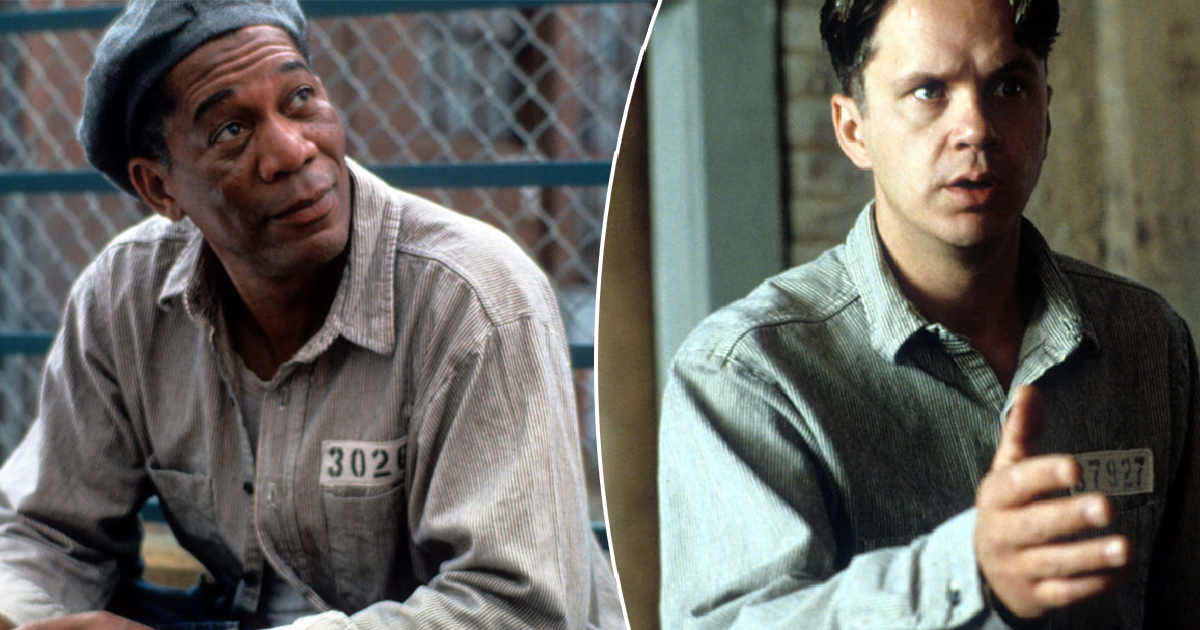
How did Andy manage to put the poster back over the tunnel after crawling through it? To some, the poster was clearly attached in ALL 4 corners when the warden threw a rock at it.
It’s a mystery that’s baffled viewers, sparked countless debates, and even made Morgan Freeman himself ask the question during a cast reunion at the TCM Film Festival.
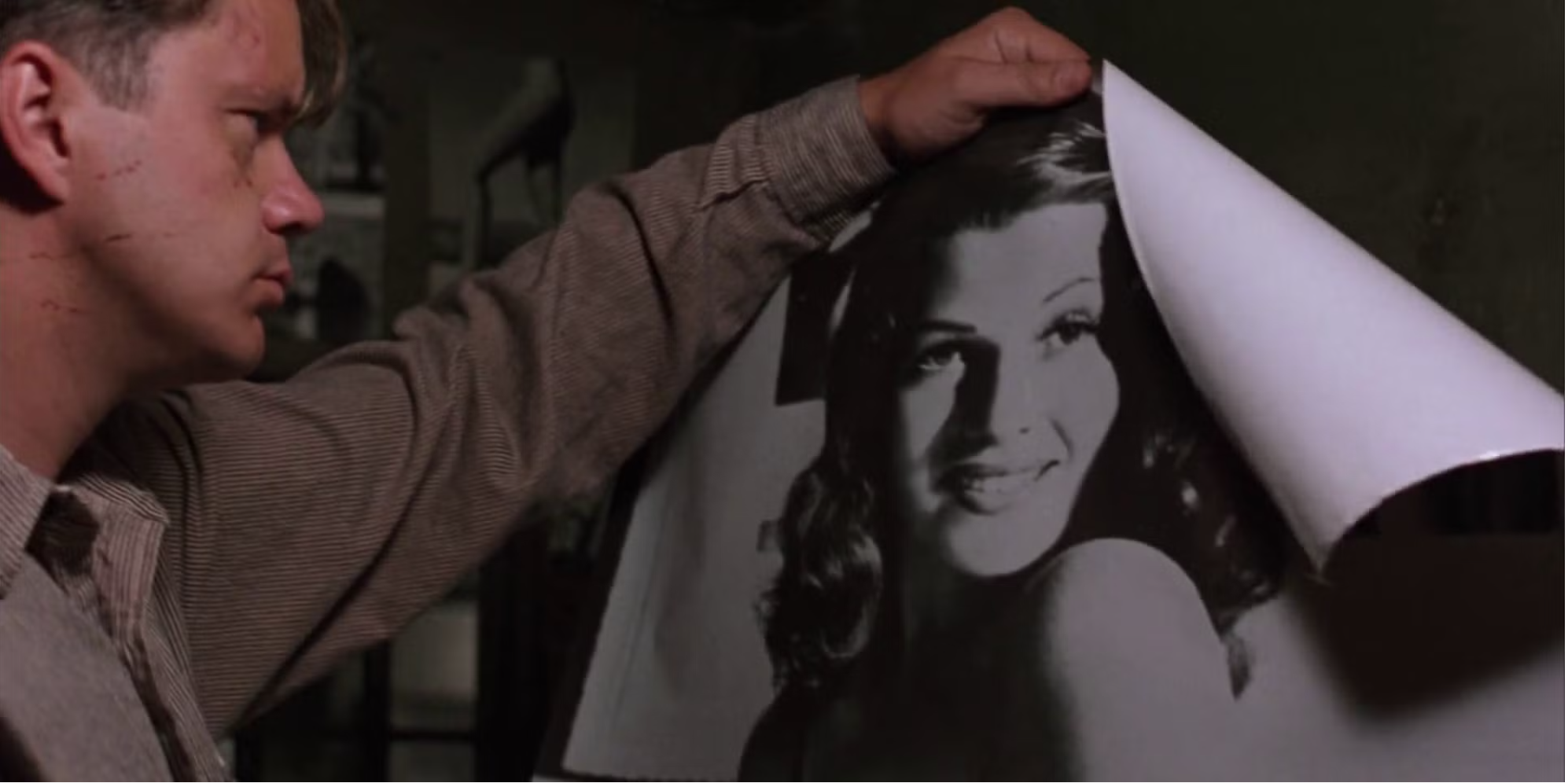
Was it movie magic? A clever trick? Or is there an explanation that fans have missed all along?
“How did Andy get that poster back in place after he got into that tunnel?” Freeman asked his co-star, per Geek Vibes Nation.
“It’s easy. So easy,” Tim Robbins said, using hand motions to explain the mystery. He mimed pinning the poster at the top but not at the bottom. “Pinned up here [at the top of the poster]. Pull up here [lifting the bottom of the poster]. Go underneath. Go in.”
Could Andy’s escape really stay under the radar?
But do fans really buy that explanation? Not quite.
According to IMDb, Tim Robbins’ explanation behind the poster staying in place may have its flaws. If the poster was only secured at the top, as suggested, it would react to pressure changes in the tunnel once the wall was breached.
The poster would either flap, or if the bottom was still fastened, it would likely dimple. Either way, the movement would create noise, which could easily attract the attention of the guards. This raises a valid question: how did such a critical detail go unnoticed in Shawshank’s quiet, watchful environment?
How could Andy break the sewage pipe?
When we’re talking about Andy’s brilliant escape plan from Shawshank, there’s one detail that stands out. He used just a simple rock to break open the sewage pipes and crawl through them. But here’s the thing: sewage pipes are traditionally made of iron.
A rock as simple as the one Andy used would have to be incredibly strong to even make a dent, let alone break through the pipes. Plus, the force required to hit the pipes would likely have injured his hand.
In the scene where Andy crawls through the sewer tunnels to escape, Tim Robbins later joked, “It wasn’t actually human waste; it was cow dung. It was pretty toxic!”
A perfect ending… minus 30 seconds
By now, you know The Shawshank Redemption is a 10/10 film in my book, and it almost feels sacrilegious to suggest changing anything. But if someone really put me on the spot with a gun to my head and made me change one thing, I’d say the film could’ve ended about 30 seconds sooner.
We know Red made it to Mexico and Zihuatanejo — or at least eventually met up with Andy somewhere. He’s the one narrating the whole film, including all those precise details about Andy’s escape and life after he broke out, so there’s no way he could’ve known all that unless he found Andy and heard the whole story.
The scene on the beach, however, feels a little too literal and takes away from the overall punch of the film. For me, it wouldn’t have hurt to leave things a bit more open-ended.
And fun fact: the final Zihuatanejo beach scene wasn’t even filmed in Mexico — it was shot in St. Croix, US Virgin Islands, because they wanted that stunning blue Caribbean water for the shot.
Was Andy Dufresne a real person?
While The Shawshank Redemption isn’t based on a true story, it does have some fun parallels with a real-life prison escape.
Many folks say Andy Dufresne bears a striking resemblance to Frank Freshwaters, a man who also found himself behind bars for manslaughter in 1957. Just like Andy, Frank got cozy with the prison staff, earning their trust and, of course, plotting his big escape.
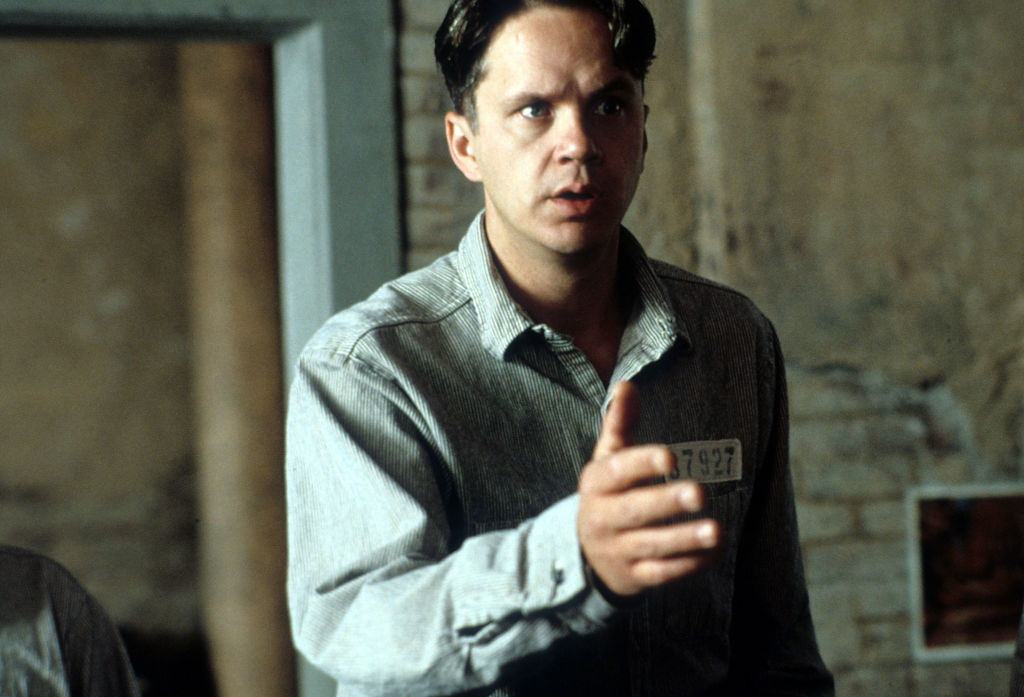
Now, here’s where it gets interesting — Frank managed to pull off his own Shawshank-style breakout under mysterious circumstances. No one really knows how he made it out, but he vanished for decades, living under a new identity in Florida as a truck driver. It wasn’t until 56 years later that authorities caught up with him, finding him in a humble trailer on the property of Florida Senator Thad Altman’s parents. Apparently, Frank was the “caretaker” of the marshland, keeping to himself, fishing, and fending off trespassers like a pro.
Oh, and while Shawshank is supposed to be set in Maine, it was actually filmed at the Mansfield Correctional Institute in Ohio — probably because it looked more like a place where someone could make a great escape, just like Frank, an Ohio native.
The unexpected rise of Shawshank
Budgeted at $25 million, The Shawshank Redemption made about $28 million at the box office for Columbia Pictures.
Despite its powerful themes of hope and redemption, the movie struggled with an R rating, violence, and a lackluster marketing campaign, leading to a rather tepid reception. But two things stopped it from quietly disappearing into obscurity. First, it found new life on home video, becoming a cult classic.
The second reason? A guy named Ted Turner. The cable mogul owned TNT network, picked up Shawshank and ran with it like a football, turning it into a favorite that resonated with viewers of all ages and backgrounds.